For any garment-care suggestion, follow the individual care label first. Read our care guide.
The best athleisure outfits make ease look considered. Start with pieces that let you move comfortably, then shape the look with proportion, color, and a little structure. The goal isn’t to dress up every basic; it’s to make simple choices that feel like they belong together. A well-balanced outfit can carry you from a quiet morning to a full day out without losing its relaxed spirit.
Build the outfit around proportion
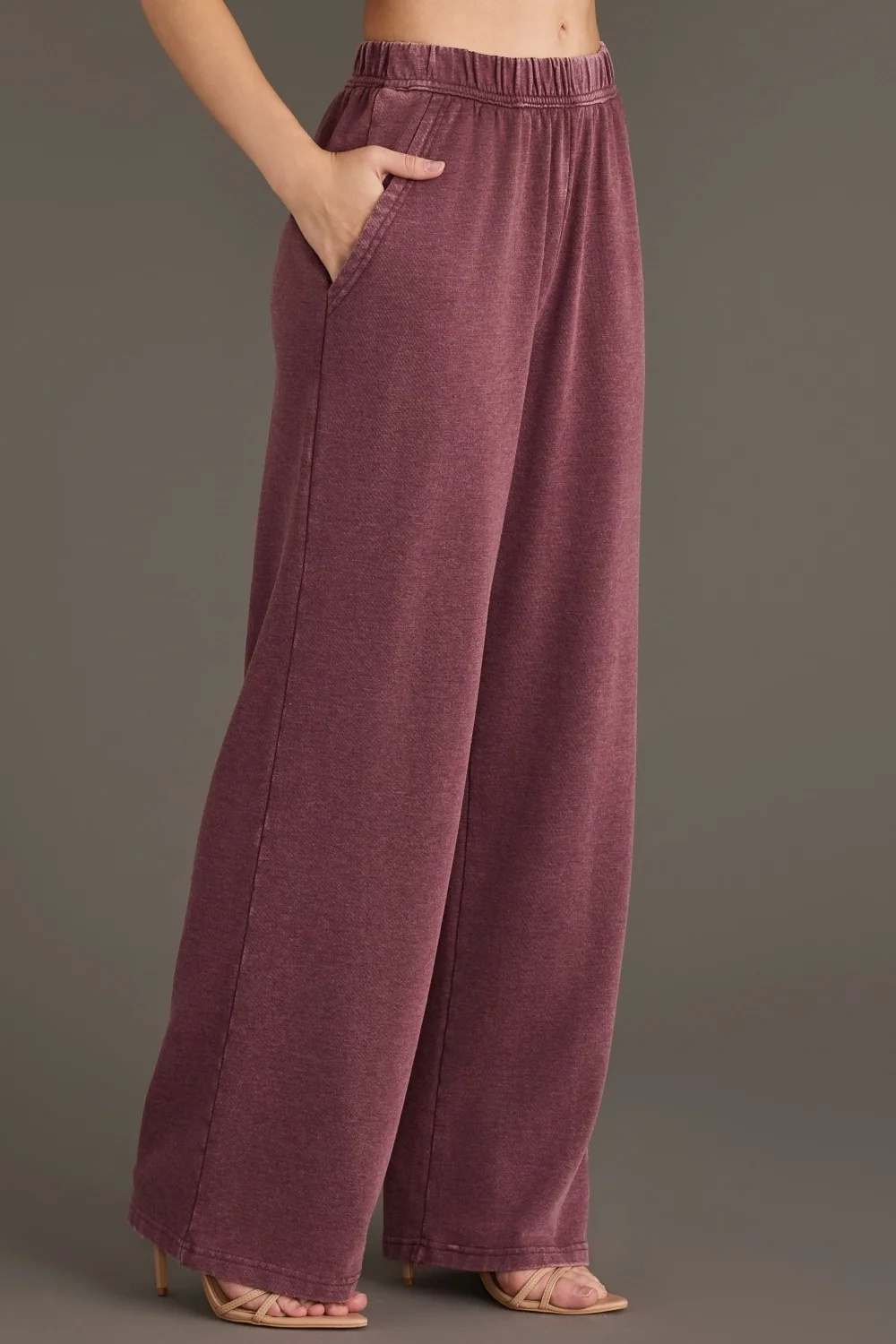
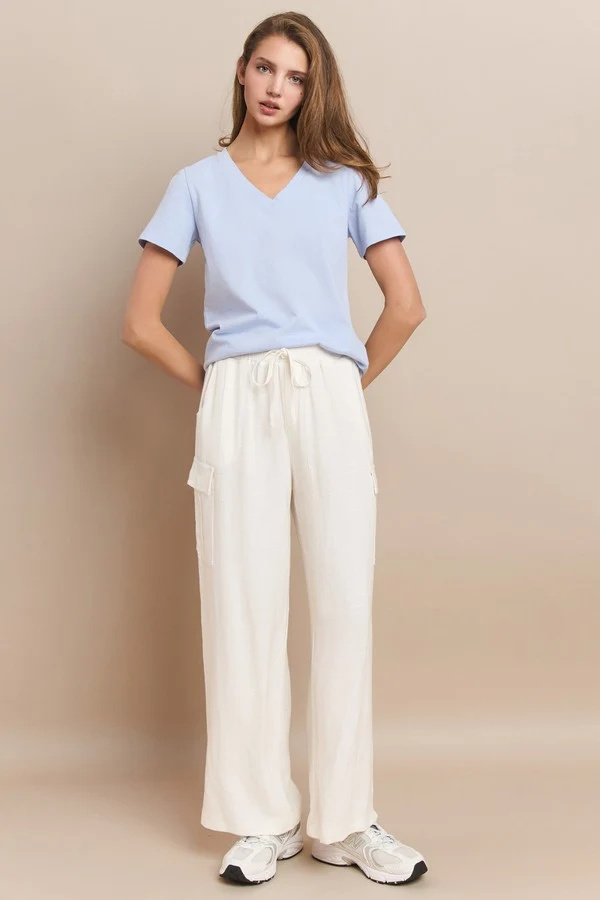
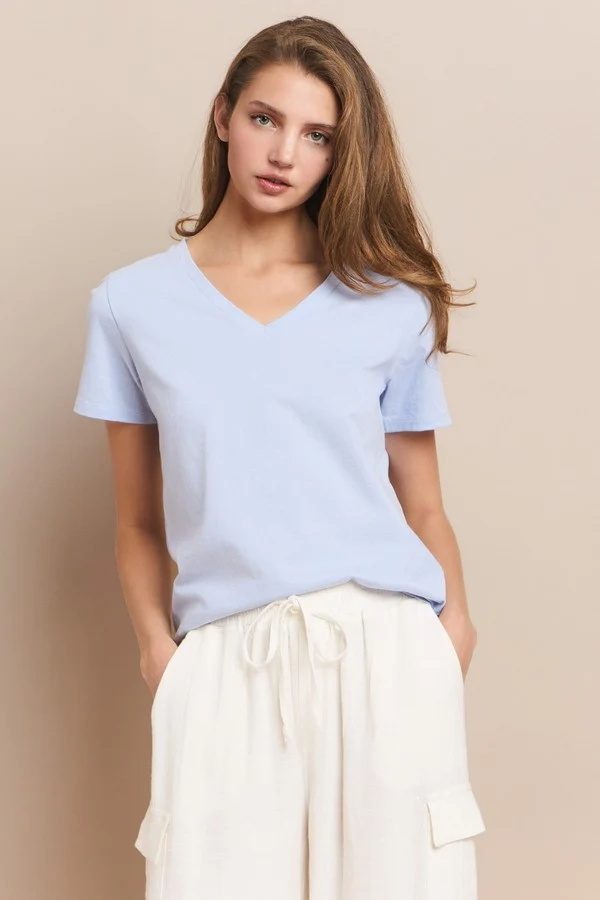
When one piece has a roomy silhouette, give the rest of the outfit a clearer line. Wide-leg sweatpants, for example, pair naturally with a simple, closer-fitting tee or tank. A V-neck tee can add definition near the face while keeping the overall effect easy and unfussy.
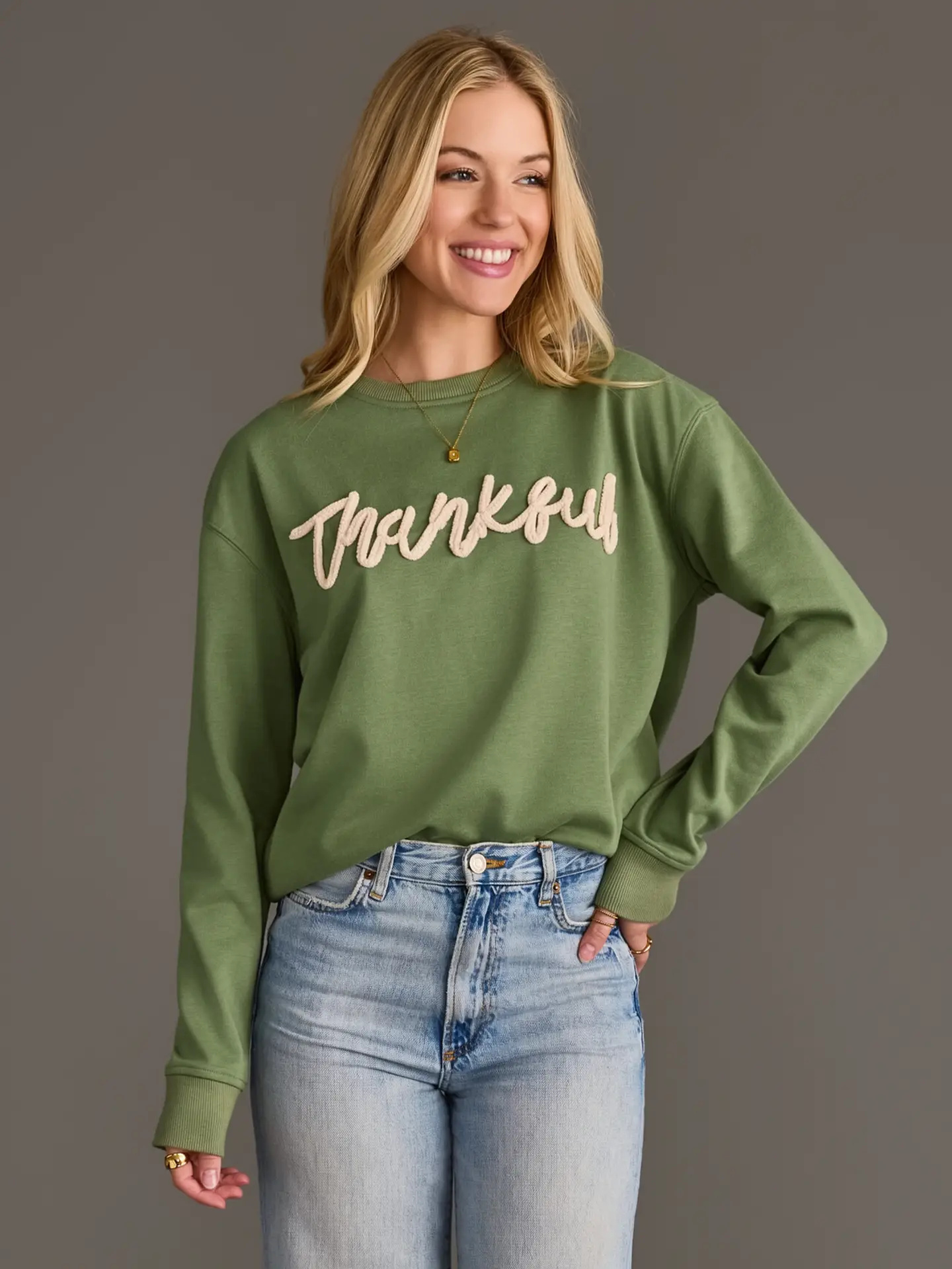
You can also reverse the balance: wear streamlined bottoms with a more relaxed top, then define the waist with a front tuck if it feels comfortable. Check the outfit from the side as well as the front. A small adjustment to a hem or sleeve can make the proportions feel deliberate.
Keep the palette quietly coordinated
A limited color story helps casual pieces read as a complete outfit. Choose a neutral base, then add one deeper shade or a soft accent. Repeating a color in two places—perhaps in a top and an outer layer—creates a subtle connection without requiring a matching set.
Tonal dressing is another easy route: combine nearby shades, such as cream, tan, and chocolate, while varying the silhouettes. If you prefer contrast, keep it simple with a light top against darker bottoms. The point is not strict coordination, but a visual thread that ties the pieces together.
Add structure with a third layer
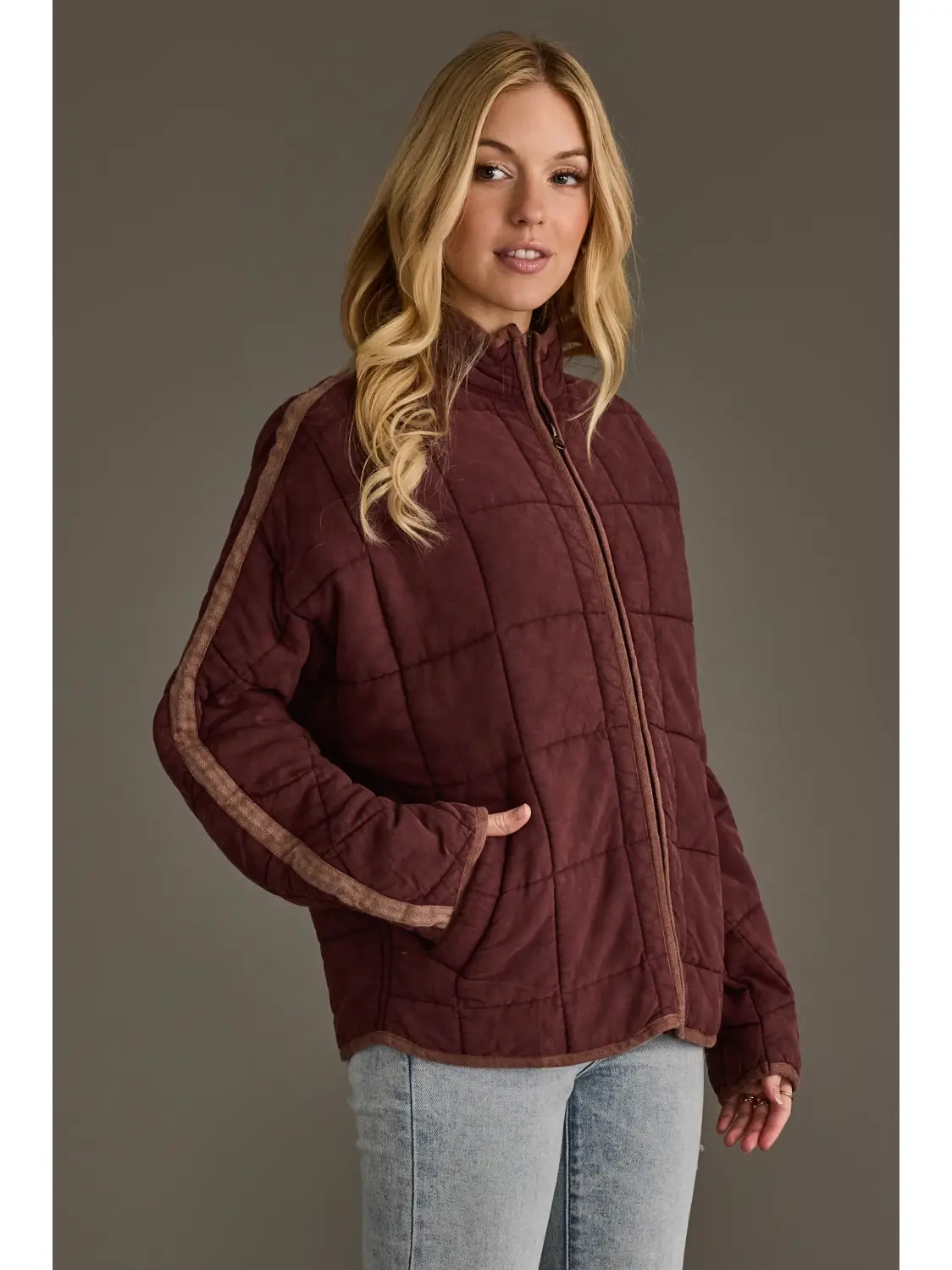
A jacket or overshirt gives a soft base outfit a little architecture. Wear it open over a tee to create vertical lines, or zip it partway when the weather calls for more coverage. A quilted jacket like the Quinn Jacket can bring texture and shape to otherwise simple casual pieces.
Think about where the layer ends: a shorter jacket can balance a wide-leg bottom, while a longer layer can create an easy, continuous line. Keep the layer light enough for comfortable movement, and let it frame the outfit rather than compete with the pieces underneath.
Choose shoes for the day’s rhythm
Footwear changes the mood of athleisure quickly. Clean, simple sneakers keep the look sporty and practical; a sleeker low-profile pair can make the same outfit feel more refined. Consider your plans and the amount of walking ahead, then choose a shape that suits both your comfort and the silhouette.
Let the hem meet the shoe neatly. If wide legs nearly cover your sneakers, check that the fabric doesn’t drag; with cropped bottoms, a visible gap can feel crisp and intentional. A quick mirror check from a few steps away helps you see whether the proportions feel balanced in motion.
Finish with small, thoughtful adjustments
The final polish often comes from simple details: smooth a collar, straighten a hem, or push up sleeves to show a little wrist. Choose a bag that suits the day and keeps the outfit practical. These small choices make comfortable clothes look cared for without making the styling feel fussy.
Before wearing a piece in a new way, check its care label and follow those instructions. If the label allows machine washing, use that guidance; if it calls for hand washing or another method, follow the stated directions. Keeping garments in good shape helps your favorite combinations stay ready for repeat wear.
Choose fabrics that suit the setting
Texture can shift an athleisure outfit from purely practical to considered without adding another layer. For a casual lunch, combine a smooth knit top with sweatpants that have a soft, brushed-looking surface; the contrast gives simple pieces more definition. Keep the textures close in weight so the outfit remains comfortable and does not feel overly styled.
For a day that includes indoor errands and time outside, think about how each garment feels against the skin and how easily it moves. A cotton tee, such as The Basic Tee, can work as a straightforward base with relaxed pants. Avoid pairing several visibly plush or bulky pieces at once, which can make the whole look feel better suited to lounging at home.
Use a capsule approach for repeat wear
A small group of reliable pieces makes it easier to get dressed without reaching for the same outfit every time. Choose two or three tops that work with your favorite bottoms, then add one option for cooler weather. Before buying or packing anything new, check whether it can form at least two combinations with pieces you already wear.
Keep the most versatile items easy to find, and store occasional or home-only pieces separately. When planning a week, note which outfits can serve different settings with a simple change of top: a plain tee for errands, for instance, and a neater knit for a casual meet-up. This approach keeps the wardrobe useful while making repeat wear feel intentional rather than automatic.
Dress for temperature changes
Athleisure often has to work across chilly mornings, warm interiors, and breezy afternoons. Start with a breathable base you can comfortably keep on indoors, then choose a removable layer suited to the forecast. A zip-front jacket is practical when you expect frequent temperature changes because it can be opened or taken off without disrupting the rest of the outfit.
Consider where you will be spending time, not just the temperature when you leave home. If you will move between a heated commute and outdoor walking, avoid a base that feels too warm once you are inside. Keep a compact scarf or an extra light top in your bag only when the day genuinely calls for it; carrying unnecessary pieces can make a simple outfit cumbersome.
Make room for movement and sitting
A polished outfit should still feel comfortable after hours of walking, commuting, or sitting at a desk. Try each combination through a few everyday motions before wearing it out: sit down, reach overhead, and take a longer step. Notice whether a waistband shifts, a top pulls, or a sleeve restricts your reach, then choose a different piece or adjust the styling accordingly.
Check pockets and hems while you move, too. Items in a pocket can change how a garment hangs, so carry only what fits without pulling the fabric out of shape. If you will be seated for much of the day, test the outfit in a chair and look for bunching at the waist or knees. Comfort that lasts through the schedule is part of looking composed.
Put-together athleisure is less about adding more and more about making a few choices with intention. Balance relaxed and defined shapes, repeat a color, and use a layer or clean footwear to give the outfit direction. Then make the final adjustments that feel right for your day. Comfort can be the starting point and the finishing touch.