For any garment-care suggestion, follow the individual care label first. Read our care guide.
A morning chill can give way to bright afternoon sun, so dressing in adaptable layers is less about piling on clothes and more about choosing pieces that work together. Start with a long-sleeve top that feels comfortable on its own, then add or remove light layers as needed. A few thoughtful choices in proportion, color, and texture can make everyday outfits feel polished and ready for the day’s changes.
Begin with a comfortable base
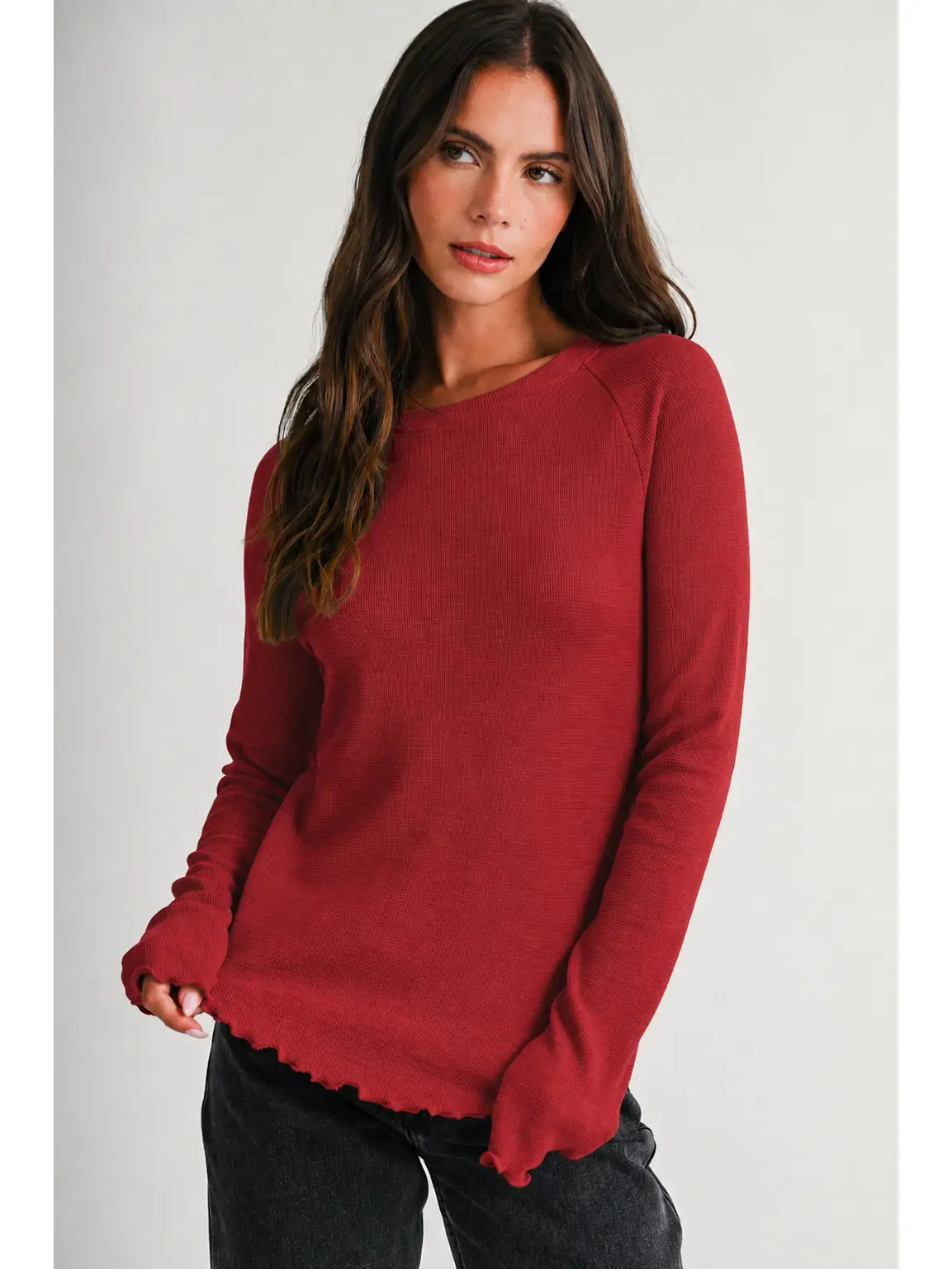
Choose a long-sleeve top that feels easy against the skin and leaves room for movement. A slim silhouette can sit neatly beneath another layer, while a relaxed shape may work best when the outer piece is open or removed.
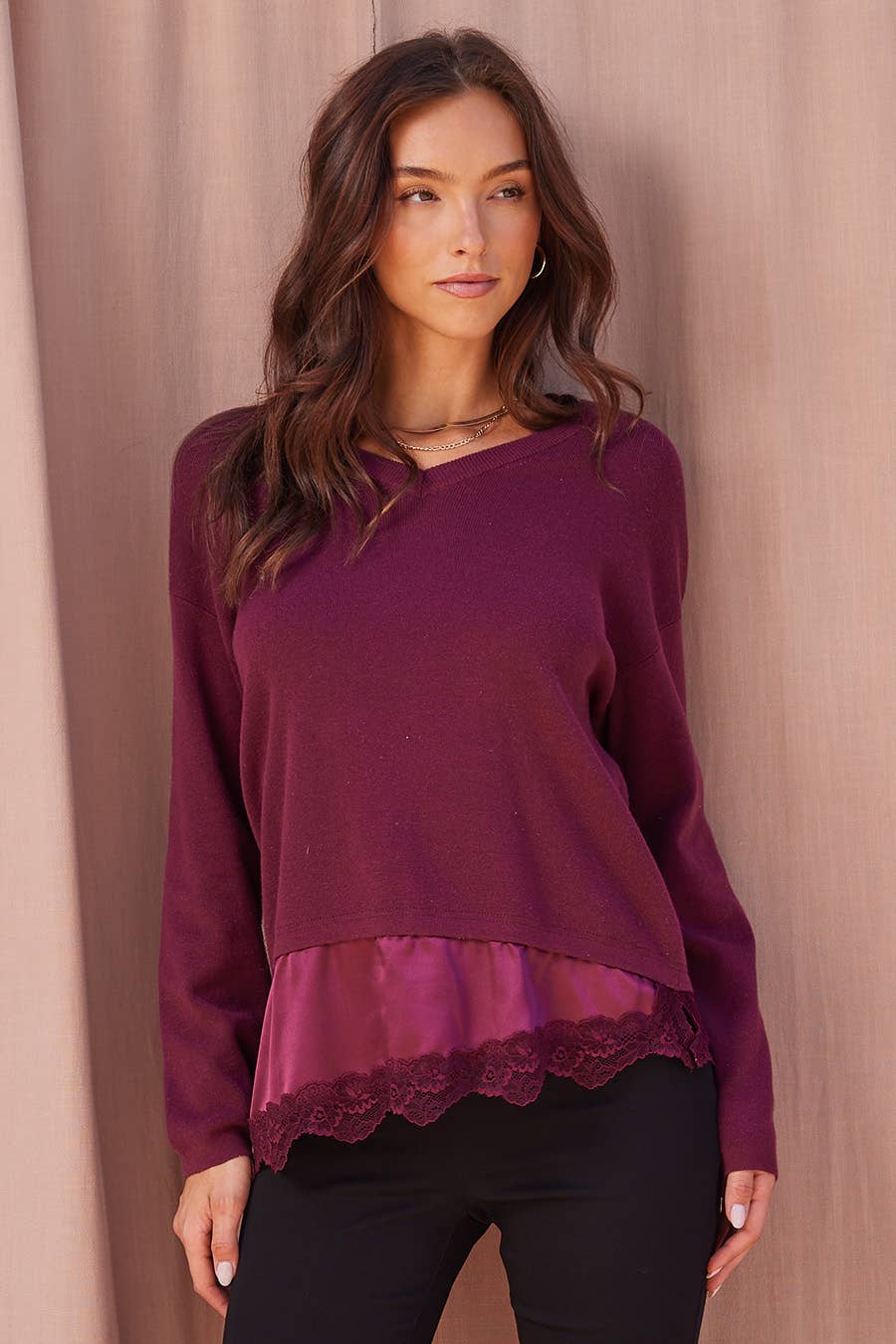
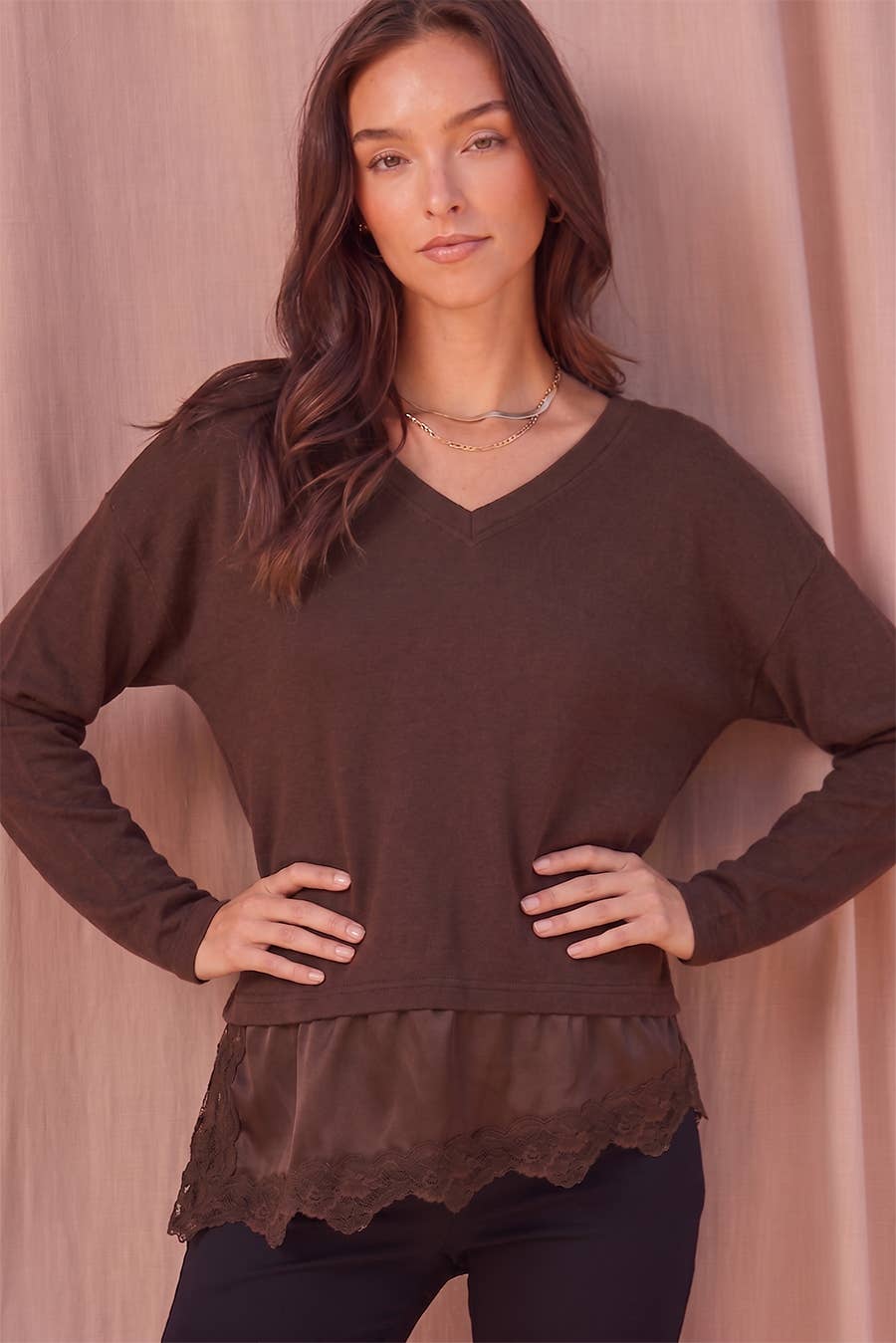
Keep the first layer simple enough to stand on its own. A V-neck, for example, can create a clean opening beneath a cardigan or jacket. The Emma Lace Hem V-Neck Top has a relaxed fit and lace-trimmed layered hem, offering detail without requiring extra styling.
Use a light layer for quick adjustments
A cardigan, overshirt, or unfastened jacket makes it easy to respond when the temperature changes. Choose a layer that can be slipped off without disrupting the outfit, and consider where you’ll carry it when the afternoon warms up.
For an uncluttered look, leave some of the base top visible rather than covering it completely. An open front creates a vertical line through the outfit, while sleeves can be pushed up gently when comfortable. Keep the overall combination easy to move in.
Balance proportions thoughtfully
When wearing a roomy top layer, pair it with a more streamlined base to keep the outfit from feeling bulky. Conversely, a relaxed long-sleeve top can balance a neater jacket or cardigan. The aim is contrast, not a strict formula.
A small tuck at the front can define the waist when the top and bottom feel visually loose. If you prefer an untucked silhouette, let the hem fall naturally and choose a layer that does not bunch around it. Check the outfit from the side as well as the front.
Let texture add quiet interest
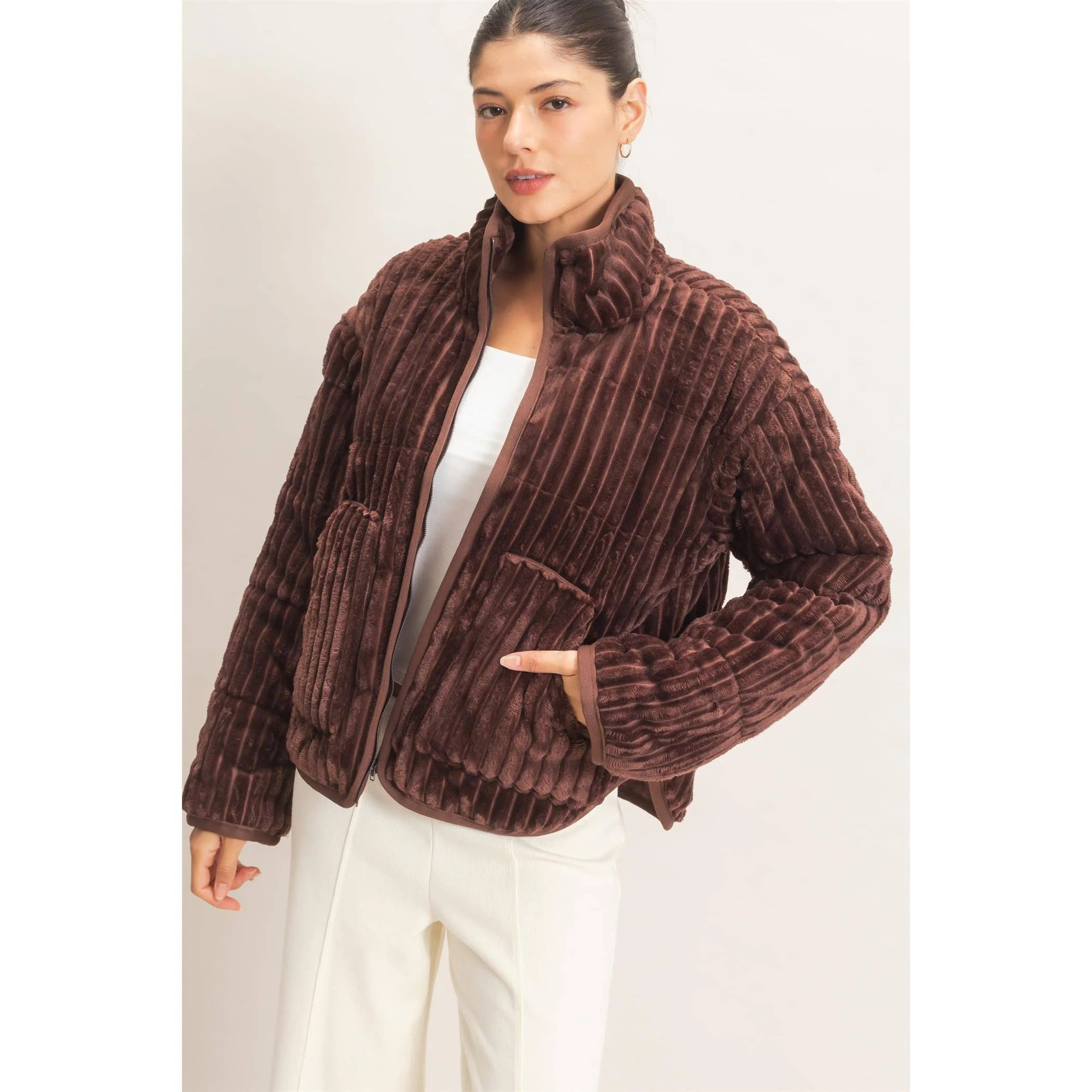
Mixing textures gives a layered outfit dimension even when the colors stay close. Pair a smooth-looking base with a textured outer layer, or reverse the idea with a softly detailed top beneath a clean, simple jacket.
Keep the number of competing details modest. If the top has trim or an expressive neckline, let that feature remain visible and choose a quieter layer above it. A textured jacket can become the focus when the base is uncomplicated and comfortable.
Plan for the day’s transitions
Think through the day before getting dressed: time outdoors, indoor temperatures, and how much you’ll be carrying can all shape your layering choices. A lighter top layer may suit frequent transitions better than one that feels cumbersome to remove.
Before wearing a new combination, try sitting, reaching, and taking off the outer layer. Make sure the base still feels complete on its own. Follow each garment’s care label; if it permits machine washing, use the label’s directions, and otherwise follow its stated care method.
Use color to connect separate layers
Choose a simple color relationship before adding another piece: repeat one shade in the top and outer layer, or let a neutral anchor a more saturated color. This makes an outfit feel considered even when the garments differ in style. If you are unsure, keep the layers within one color family and vary the lightness rather than introducing several competing hues.
A visible neckline or cuff can act as a small color accent, so check what remains exposed when the outer layer is fastened or worn open. For a dependable combination, pair a patterned or brighter top with a quiet outer layer, then keep trousers and shoes restrained. When the base is neutral, one colored layer can provide focus without requiring a full outfit change.
Choose necklines that work together
Check how the necklines meet before committing to a layered outfit. A crew neckline usually sits neatly beneath a jacket with a modest opening, while a V-neck can remain visible under an open cardigan or overshirt. If both pieces have prominent collars, try them together at home and make sure the fabric does not bunch or obscure the shape you want to show.
The outer layer’s closure also changes the effect: a partially zipped jacket can frame a high neckline, while an open front leaves more room around a V-neck. Keep the combination comfortable when you turn your head and move your shoulders. A neckline that lies flat is especially useful for work or travel, when adjusting layers repeatedly may be inconvenient.
Make sleeves and cuffs easy to manage
Sleeve length and cuff shape affect how smoothly layers sit at the wrist. Before leaving home, pull the base sleeves into place and put on the outer layer; check that the cuffs stay flat rather than folding into a tight ridge. If the outer sleeves are narrow, choose a base with sleeves that can be adjusted comfortably without stretching or tugging.
When you remove a layer, arrange the sleeves again instead of leaving them twisted or pushed unevenly. A neat cuff keeps the outfit looking intentional and makes it easier to put the layer back on later. Avoid rolling sleeves so tightly that they restrict movement, and test the arrangement while reaching forward, carrying a bag, or using a keyboard.
Build a compact outfit rotation
Create a small rotation of long-sleeve tops and outer layers that work in more than one combination. Start with two tops in colors you regularly wear, then identify a cardigan, jacket, or overshirt that suits both. This gives you useful variety without relying on a new piece for every forecast, and it makes getting dressed simpler on busy mornings.
After wearing an outfit, note whether the layers were comfortable indoors, easy to remove, and suitable for the rest of your plans. Use those observations to guide the next combination rather than repeating a pairing that proved awkward. Follow each garment’s care label; if it gives a cleaning method, use that method, and store clean layers so they are ready to wear.
Changeable days call for layers that feel intentional but never fussy. Start with a long-sleeve top you enjoy wearing alone, then add contrast through proportion or texture and keep an easy-to-remove layer close. A flexible outfit can carry you comfortably from a cool start into a warmer afternoon.