For any garment-care suggestion, follow the individual care label first. Read our care guide.
A well-organized closet is less about perfect rows than being able to see what you own and reach it easily. Start by noticing where outfits get stuck: buried tops, crowded hangers, or a drawer that swallows the pieces you wear most. A few thoughtful zones can bring order without requiring a full wardrobe overhaul.
Begin with a wardrobe edit
Take everything out of one closet section at a time, then sort pieces into wear often, wear sometimes, and not now. This smaller pass feels manageable and shows which items deserve the easiest access.
Set aside anything that needs a decision rather than forcing an answer. Once the keepers are clear, return only the pieces that fit your current routine; store seasonal or occasional wear elsewhere if space allows.
Give each category a clear home
Group clothing by type before arranging it: tops together, bottoms together, dresses together. Consistent categories make visual scanning faster, especially on busy mornings when you want to compare options at a glance.
Within each group, arrange pieces in a way that makes sense to you, such as by color or sleeve length. Keep the method simple enough to maintain after laundry, not so elaborate that putting clothes away becomes a chore.
Make everyday pieces easiest to see
Reserve the most accessible rail or shelf for items you reach for regularly. Leave a little breathing room between hangers so silhouettes remain visible, and avoid stacking everyday favorites beneath occasional pieces.
Fold knits and other suitable items where you can see their edges rather than building tall, unstable piles. A shallow drawer or open shelf can work well; arrange folded pieces in rows so one choice does not hide another.
Create outfit-ready combinations
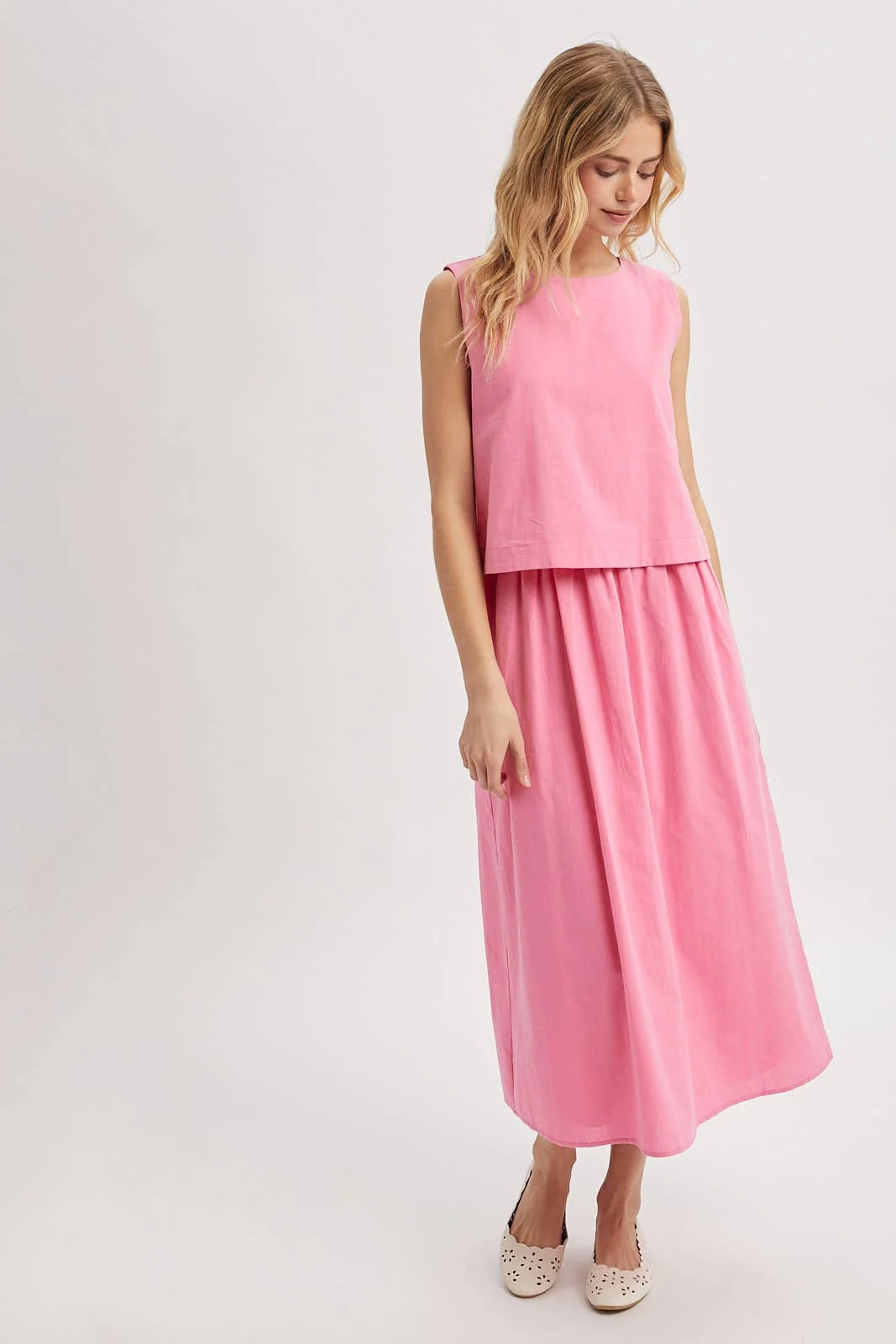
Think in small outfit pairings, not isolated pieces. Place a few dependable tops near compatible bottoms, or keep a complete look together on one hanger when closet space permits. The goal is a useful prompt, not a rigid uniform.
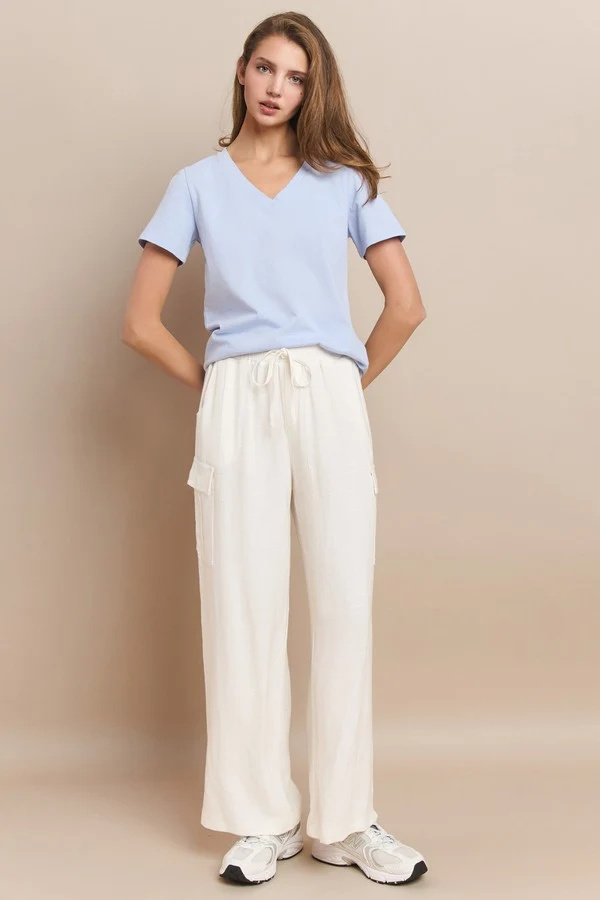
A versatile basic, such as a short-sleeve V-neck top, can help anchor several combinations. Keep accessories and finishing layers nearby only if they genuinely help you get dressed; otherwise, let clothing remain the focus.
Keep the system easy to reset
Use a brief weekly reset to return misplaced items, clear the floor, and restore category groupings. If a section repeatedly becomes crowded, treat that as useful feedback and adjust its space or contents.
Before storing a garment, check its care label and follow its instructions. If the label permits washing, choose the listed method; if it calls for another approach, follow that instead. Let the garment be fully ready to store.
Use measurements to make space work harder
Measure the usable width and height of shelves, drawers, and hanging areas before adding organizers. A divider that fits neatly can prevent folded trousers or sweaters from slumping into neighboring stacks, while a shallow tray can keep belts or scarves visible without taking over a shelf. Leave room to lift items out comfortably; a tightly packed solution often hides what it was meant to reveal.
For short-hanging pieces, consider whether a second rail would create useful capacity without crowding longer garments. Check the full drop of dresses and coats first, and preserve one uninterrupted area for pieces that need their length. Treat closet doors and high shelves as secondary storage only when items remain reachable and easy to identify, rather than letting extra space become a forgotten holding zone.
Choose hangers that protect garment shape
Match the hanger to the garment instead of expecting one style to suit everything. Shaped or wider hangers can support structured shoulders, while slim hangers may free space for lighter tops. Use clips for skirts only when they hold securely without leaving pressure marks, and fasten closures before hanging so the garment keeps its intended line.
Some delicate knits can stretch under their own weight on a hanger. Fold those pieces over a shelf divider or place them in a drawer, keeping the fold loose enough to avoid a sharp crease. For garments with straps or unusual necklines, test the hanger in a less visible area first and check that the piece stays put rather than slipping to the floor.
Plan visibility around the week's routine
Let your calendar shape what sits nearest, without turning the closet into a fixed weekly uniform. If workdays call for polished layers, keep suitable pieces within easy reach from Monday through Friday; reserve a separate, visible area for relaxed weekend options. When plans change, the layout still offers choices because it reflects real occasions rather than a single preselected outfit.
A small rotation can help when weather or activities shift. Move a few relevant layers forward at the start of a new season, but keep transitional pieces accessible for unpredictable temperatures. Place rainwear, warm layers, or event clothing where you can locate them quickly when needed. This is a visibility strategy, not a reason to remove everything else from view.
Make lighting and labels work for you
A dark closet can make even a tidy arrangement difficult to scan. If permitted in the space, add a simple battery-powered or plug-in light where it illuminates the rail and shelves without creating heat near clothing. Test the view from the doorway as well as inside the closet; shadows at the back can make colors and garment shapes harder to distinguish.
Use discreet labels on bins or shelf edges when contents are not immediately visible, naming the contents plainly rather than by a vague occasion. Labels are especially useful for accessories, off-season pieces, and items stored above eye level. Keep them facing outward and update them when contents change, so the label remains a reliable guide instead of another detail to decode.
Visible clothes make a closet more inviting and outfit choices less stressful. Start with one section, choose clear homes for the pieces you wear, and adjust the arrangement as your routine changes. At A Likely Story Boutique, thoughtful styling begins with making your own wardrobe easier to enjoy.