For any garment-care suggestion, follow the individual care label first. Read our care guide.
When the air turns crisp, a cardigan can do more than add warmth: it can set the tone for an outfit. Treat it as a finishing layer, a soft alternative to a blouse, or the longest line in your look. A few thoughtful proportions and textures make everyday combinations feel considered without making them complicated.
01. The easy denim uniform
Start with straight-leg jeans and a simple top, then let a cardigan give the familiar combination a little more presence. Leave it open for an easy vertical line, or fasten a few buttons when you want the knit to read as the main piece. A slim belt can help define the waist.
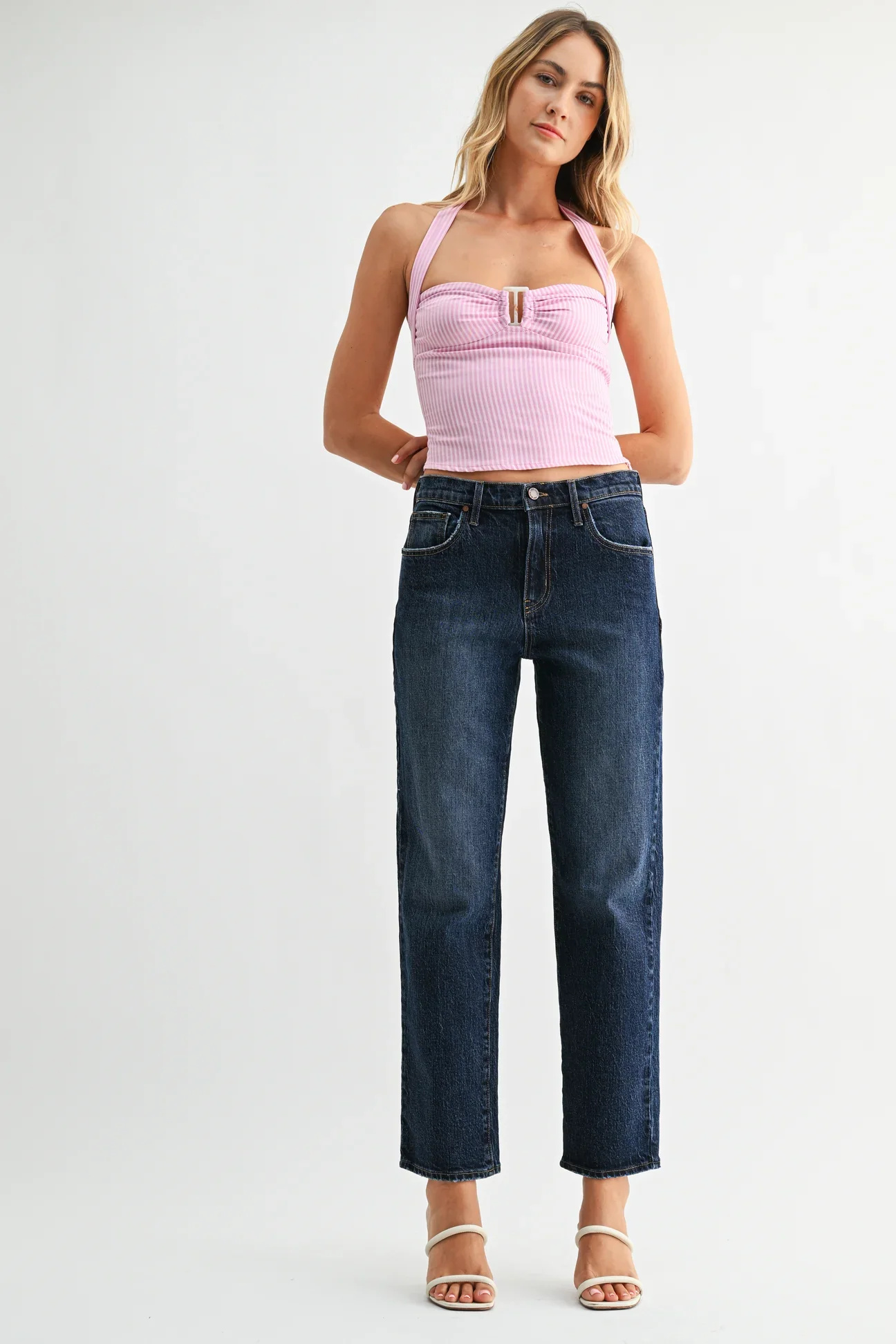
Keep the rest of the outfit relaxed but intentional: choose shoes that suit the day, and echo one color from the cardigan in your top or bag. For a specific option, The Easy Straight Jean has a high-rise waist and a straight silhouette with a subtle taper, making it a natural partner for a softly layered look.
02. A cardigan in place of a top
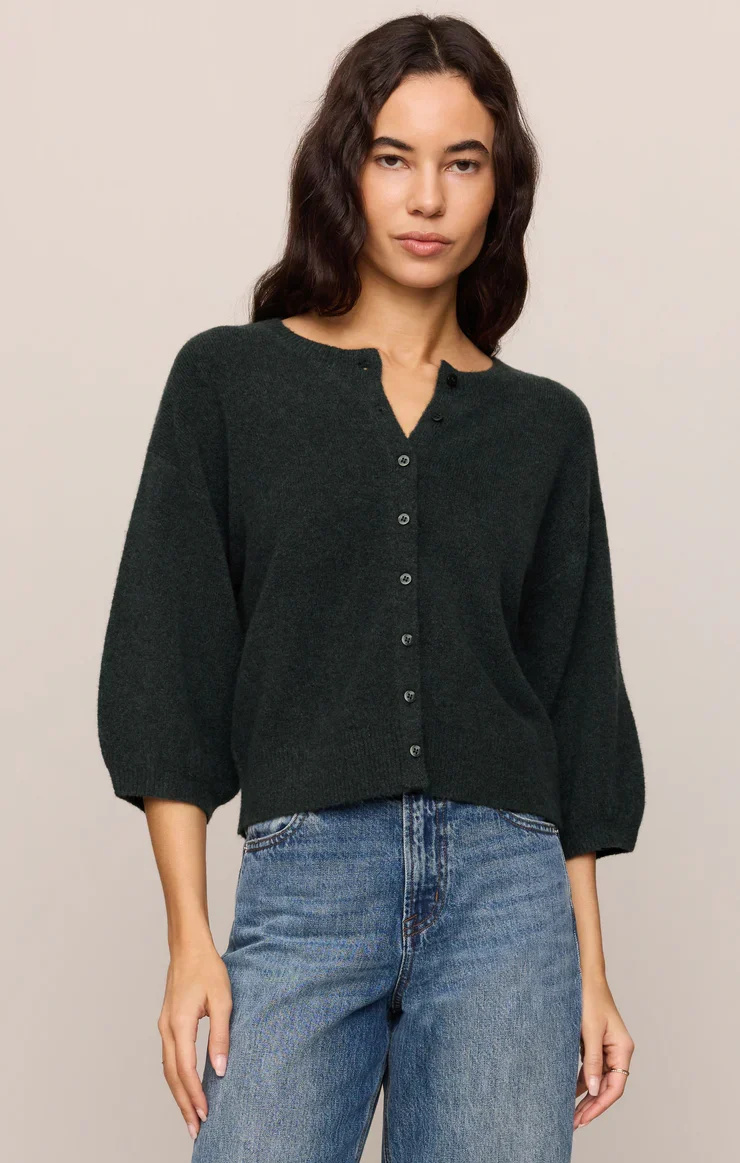
On a mild day, wear a button-front cardigan as your top layer rather than adding it over another shirt. Fasten it fully for a neat, uncomplicated shape, or leave the top buttons open to create a more relaxed neckline. This approach works especially well with tailored trousers or a simple skirt.
Balance the knit with clean lines below: a front tuck, a defined waistband, or a structured bag can keep the outfit from feeling too casual. If the temperature dips, add a coat roomy enough to sit comfortably over the cardigan, and keep the layers light so they move easily together.
03. Try a long, open layer
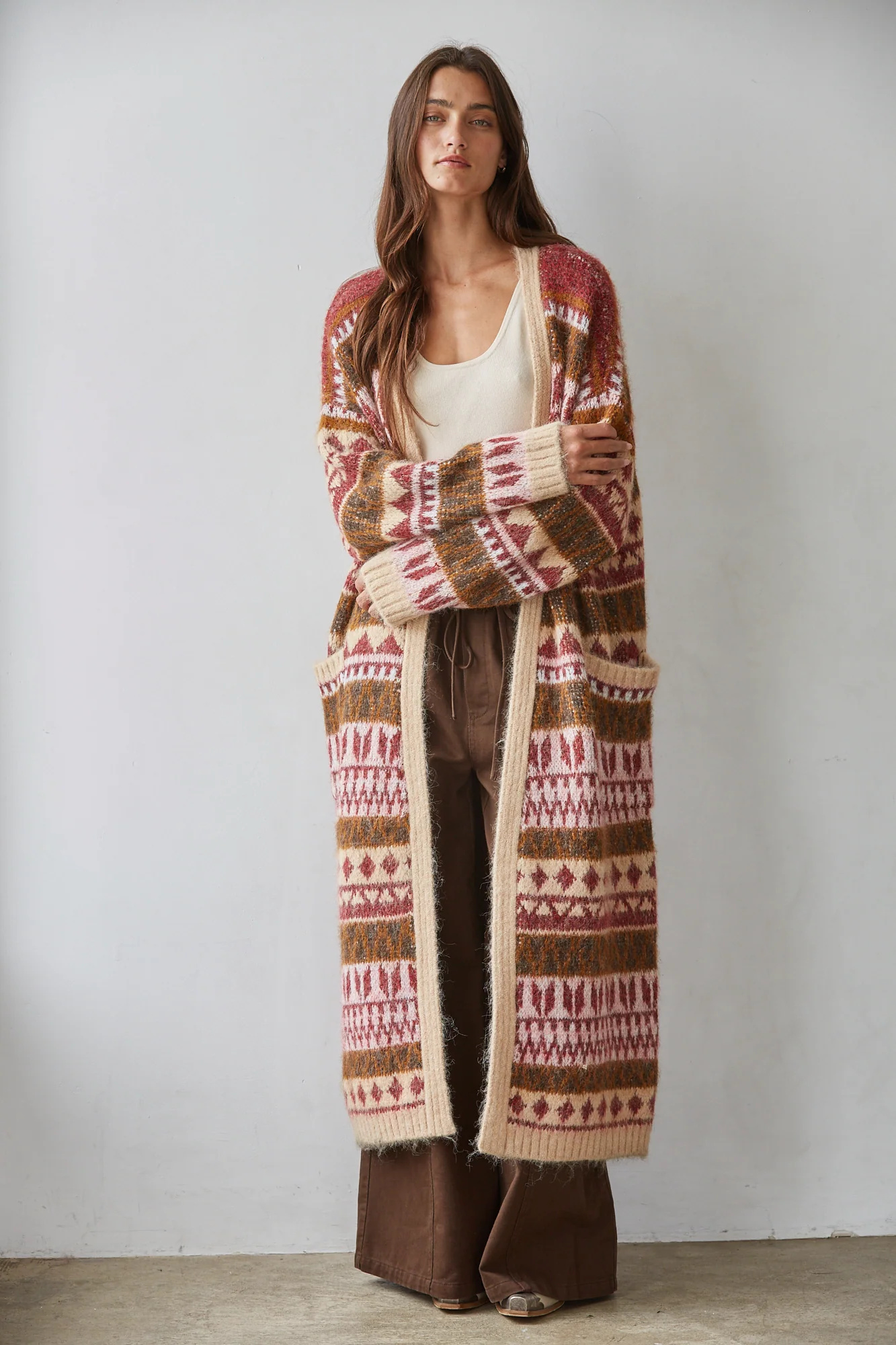
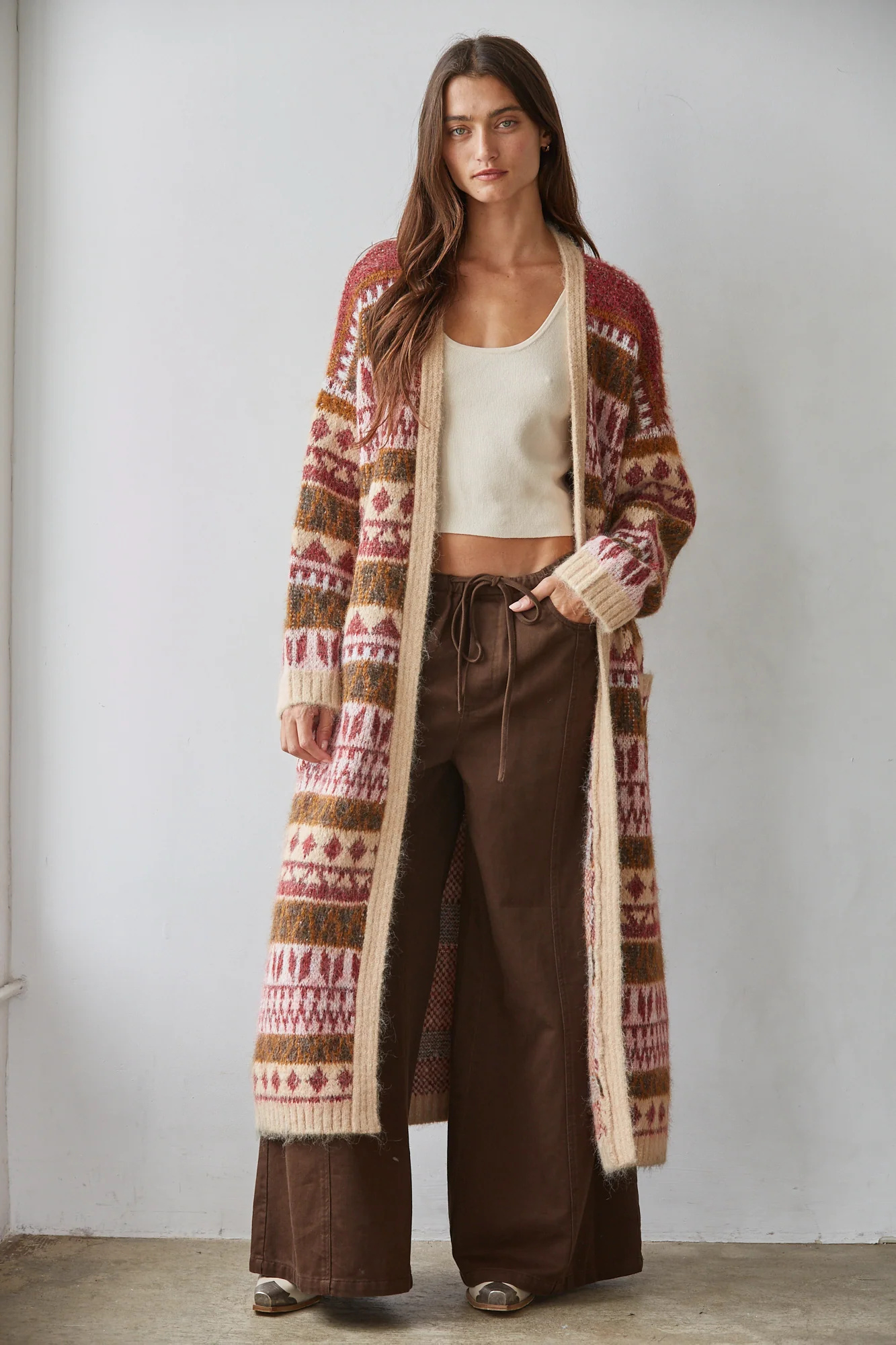
A duster-length cardigan brings movement and a longer line to cooler-day dressing. Wear it open over a fitted top and straight trousers, or pair it with a simple dress for a contrast in proportions. Keeping the inner layer close to the body helps the longer silhouette feel balanced.
Think about where the cardigan falls in relation to the rest of the outfit. A glimpse of the hem beneath a shorter jacket can add depth, while a monochrome base lets the longer layer stand out quietly. Choose comfortable shoes that anchor the look, especially when the cardigan is the outfit’s most dramatic shape.
04. Make texture the focal point
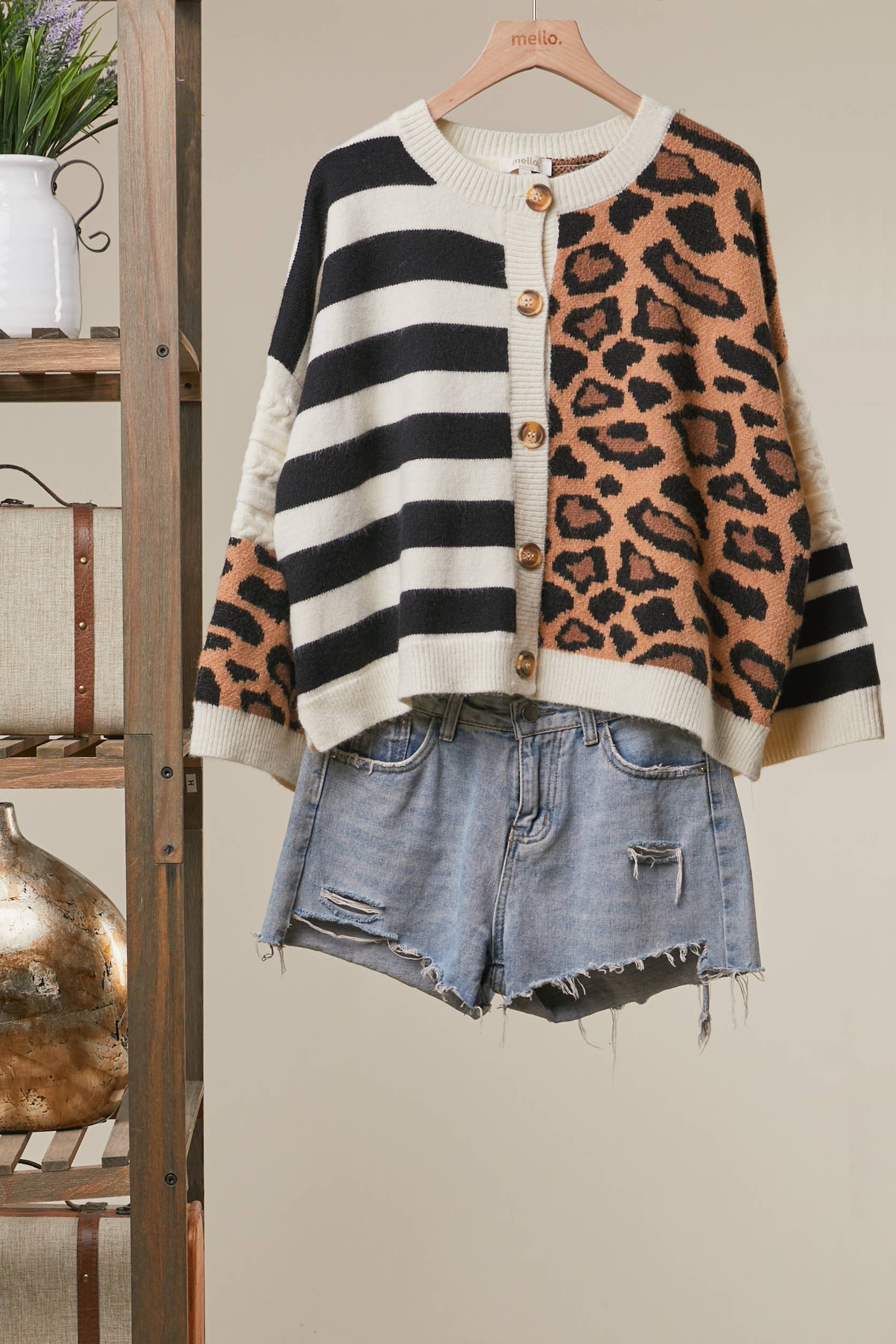
For a look that feels inviting rather than overly dressed, combine a cardigan with contrasting textures. A smooth cotton tee, crisp shirt, or softly flowing skirt gives the knit something to play against. Keep the palette simple, so the contrast comes from how the pieces feel and fall.
Vary the texture without piling on bulk: let one layer sit close to the body and give the cardigan room to drape. If you add a scarf, choose one that lies comfortably under a coat and does not crowd the neckline. The result feels warm and dimensional while remaining easy to wear.
05. Layer for a changing forecast
When the morning is brisk but the afternoon may soften, build an outfit in removable layers. Begin with a breathable base, add a cardigan, and finish with an outer layer you can carry once the day warms up. This gives you options without requiring a complete change of clothes.
Consider sleeve length and layering space when choosing each piece. A cardigan with shorter sleeves can sit neatly beneath many jackets, while a roomy coat makes space for a fuller knit. Check the garment care label before cleaning; follow its directions, and use hand washing or flat drying only when the label calls for it.
06. Define the waist with a belt
A belt can give a cardigan outfit a clear focal point without changing its relaxed feel. Try a narrow belt over a buttoned knit and a skirt, or position one at the natural waist over an open cardigan and a simple dress. Keep the belt visible rather than burying it beneath overlapping layers, and check that the cardigan still hangs comfortably.
Use the belt to connect the top half of the outfit to the bottom: a tone close to your shoes or bag makes the transition feel considered, while a quiet contrast draws attention to the waist. If the knit bunches when belted, undo a button or choose a softer, thinner belt. The goal is definition, not a tight or bulky middle.
07. Pair a cardigan with a pleated skirt
Pleats bring movement that contrasts with the cardigan’s softer outline. For a balanced outfit, wear a compact knit with a midi skirt and let the waistband remain visible, either by tucking in a fine layer beneath the cardigan or fastening the knit at the waist. A skirt that moves freely gives the look ease without relying on denim or another trouser pairing.
Consider the hem relationship before choosing shoes: a skirt ending below the knee often works well with a low-profile flat or a simple boot, while a longer hem benefits from a shoe that feels visually grounded. Keep the cardigan and skirt in related tones if you want a quiet result; a single contrast in color can make the combination feel more deliberate.
08. Use color to set the mood
Let the cardigan’s color guide the rest of the outfit instead of adding several competing shades. With a bright or saturated knit, keep the pieces beneath it in neutral tones and repeat one small color elsewhere, such as in a scarf or bag. For a subdued cardigan, a colored skirt or trousers can provide interest while leaving the knit as part of a cohesive palette.
Before getting dressed, lay the pieces together in natural light and notice whether their undertones feel harmonious. Warm shades often sit comfortably with cream, tan, or olive; cooler shades can pair neatly with grey, navy, or crisp white. These are starting points rather than rules: a deliberate contrast can work when the rest of the outfit stays simple.
09. Choose sleeves for your day
Sleeve length affects both comfort and the impression of a cardigan outfit. Elbow- or three-quarter-length sleeves leave the wrists clear, which can feel practical for desk work, cooking, or carrying a bag. Full-length sleeves offer more coverage for a long walk or a cool indoor setting. Choose according to what the day asks of you, not just the overall silhouette.
Think about what you will wear beneath the knit: a fitted short-sleeve top keeps the arm area smooth, while a slim long-sleeve layer can add coverage without crowding the sleeve. If you expect to move through different settings, test the combination by bending your arms and reaching forward. A comfortable sleeve should stay in place and allow easy movement.
The most useful cardigan outfits begin with a clear purpose: polish denim, replace a top, add a longer line, bring in texture, or adapt to shifting weather. Start with pieces you already enjoy wearing, then adjust the proportions and layers until the combination feels comfortable, practical, and distinctly your own.