For any garment-care suggestion, follow the individual care label first. Read our care guide.
A lightweight knit can be a useful bridge between bare-sleeve weather and the heavier layers of winter. Its appeal is not only warmth: it adds texture, softens sharper pieces, and adapts as the day changes. At A Likely Story Boutique in Springfield, Missouri, we think of knitwear as a flexible styling tool—one that works best when you consider proportion, layering, and the plans ahead.
Start with the day’s conditions
Before getting dressed, consider the temperature, wind, and how much time you will spend indoors. A lighter knit can sit comfortably over a simple top when mornings feel cool, then come off easily as the day warms.
Think about the settings on your schedule, too. A fine-looking, uncomplicated knit can feel at home in a relaxed office or over a dress for dinner, while an easy shape suits errands. Choose the layer that fits your actual day.
Balance volume with intention
Proportion gives a knit outfit its sense of ease. If your sweater has a relaxed or cropped silhouette, try pairing it with a higher-rise bottom to define where the outfit begins. A closer-fitting knit can balance wider-leg trousers.
There is no rule that every piece must be fitted. Instead, notice where fabric gathers and where the outline feels clear. Leaving one area streamlined—such as the waist, sleeves, or hem—helps a roomy combination look considered rather than accidental.
Layer without losing the shape
For a practical layered look, begin with a comfortable base and add the knit where it can be seen. A collar or neckline peeking through can frame the face, while an open jacket over the sweater creates another useful layer without hiding the whole outfit.
Keep the number of layers suited to the day. Indoors, a knit over a lightweight top may be enough; outdoors, add a coat that allows comfortable movement. If sleeves bunch beneath it, adjust the layers rather than forcing a bulky fit.
Use color and texture as cues
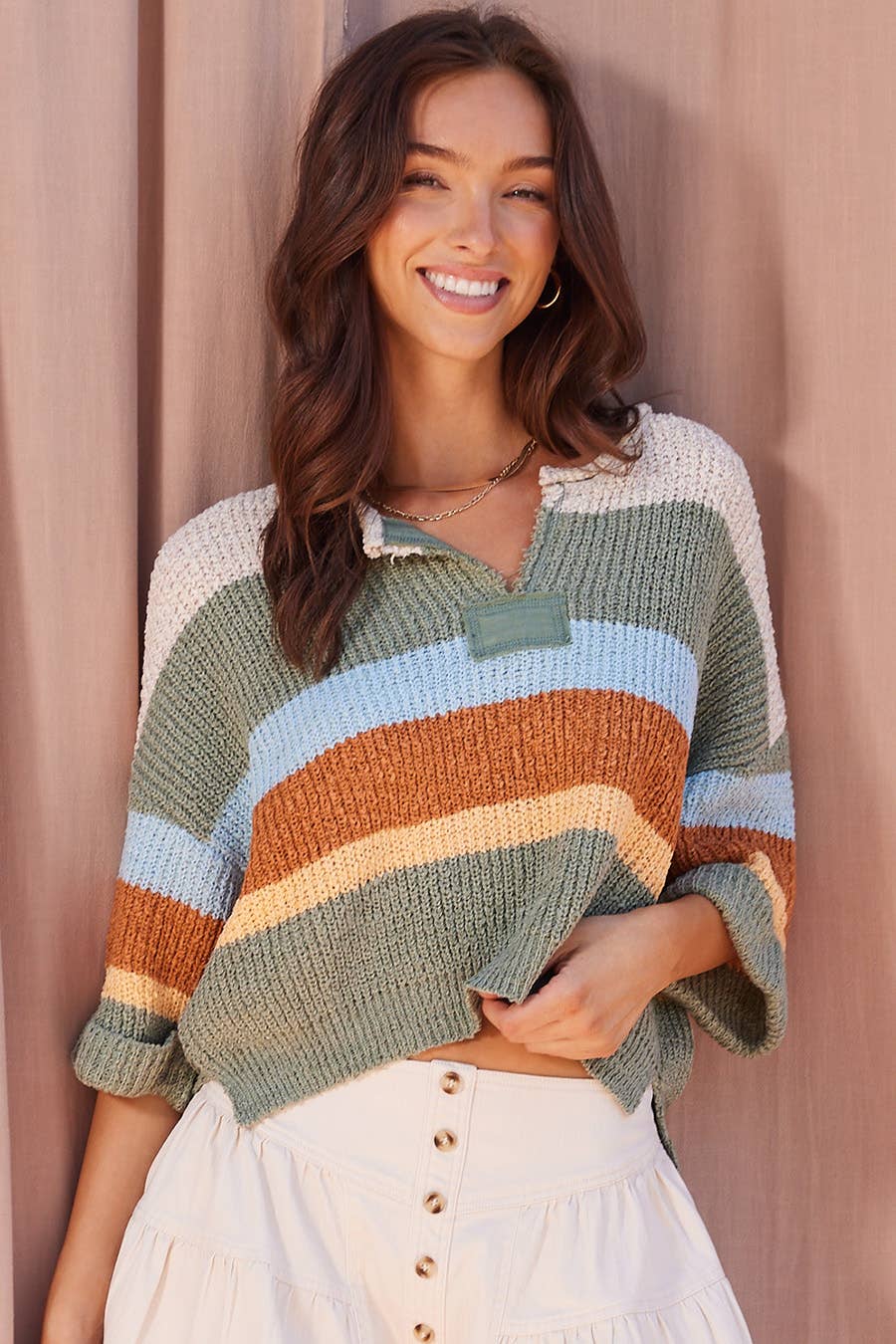
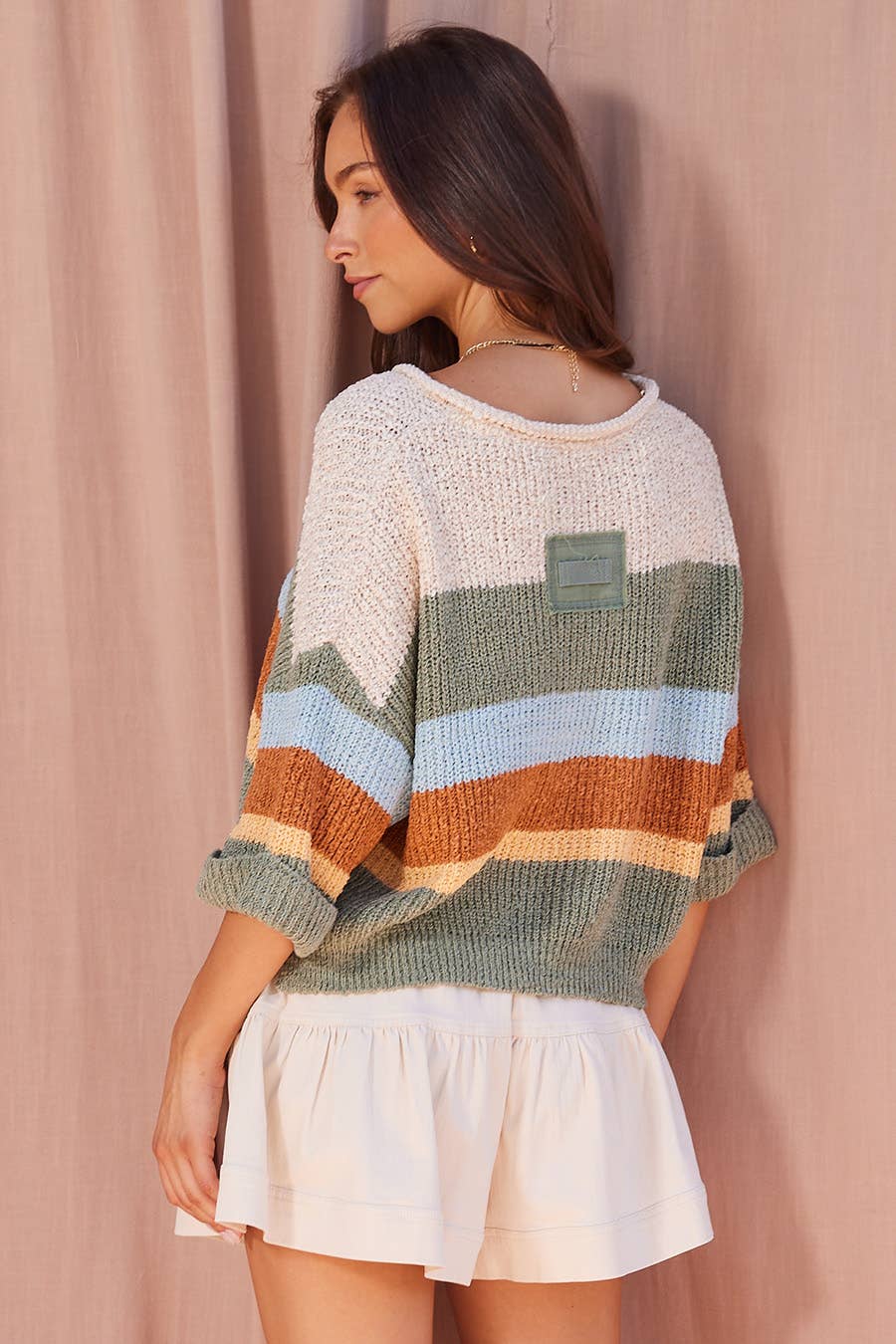
A knit can bring visual interest even when the rest of an outfit stays simple. Try one with a stripe or noticeable texture alongside solid pieces, letting its details lead. The All Season 3/4 Sleeve Knit Sweater, for example, features multi-color stripe detailing.
When combining textures, vary them gently instead of making every piece compete. A smooth-looking bottom can give a textured knit room to stand out, while repeating one color elsewhere can make a mixed outfit feel connected. Keep the overall palette comfortable to wear.
Make care part of the routine
Check the garment care label before washing or storing any knit. Follow its directions first; if it calls for hand washing, dry cleaning, or another specific method, treat that instruction as guidance for the garment rather than assuming all knits can go in a machine.
When a label permits washing, follow its temperature and drying directions, and avoid improvising with heat. Give a damp knit the support its care instructions recommend as it dries. A little attention between wears helps keep your wardrobe routine manageable.
Choose knits for the way you travel
A lightweight knit can be useful on a commute or overnight trip, but the best choice depends on how you will carry it. For a bag, choose a piece that can be folded without crowding out essentials, and place it where zippers or rough fastenings will not catch the yarn. If you expect to wear it soon, keep it easy to reach.
For a longer journey, plan one outfit around the knit rather than packing several similar layers. A neutral style can work with more than one bottom, while a distinctive stripe may serve as the outfit’s focal point. Roll or fold it according to its care needs, and avoid compressing it beneath heavier items for an extended period.
Build a small knitwear rotation
A useful rotation covers different roles, not simply different colors. Consider whether you need a fine layer for a workday, a relaxed option for casual plans, or a piece that can sit over a dress. Two knits that solve separate wardrobe problems often earn more wear than several with nearly identical uses.
Before adding another, note which outfits currently lack a comfortable finishing layer. Try the pieces you own with trousers, skirts, and dresses, then record where a neckline, sleeve length, or hem works especially well. This quick wardrobe check clarifies what is missing and helps you choose a knit that connects with garments already in use.
Refresh an outfit between wears
A knit does not always need laundering after every outing. First check its care label; when washing is not called for, let the garment air out in a clean, ventilated place before putting it away. Keep it away from direct heat, and make sure it is fully dry before storage. Follow any specific label directions over general refresh methods.
For a small loose thread or a snag, avoid pulling at the yarn, which can make the problem worse. Set the garment aside and seek an appropriate repair if needed. Before wearing it again, check the neckline, cuffs, and hem for lint or surface marks, using only a method that is suitable for the garment and its care instructions.
Coordinate knits with workwear
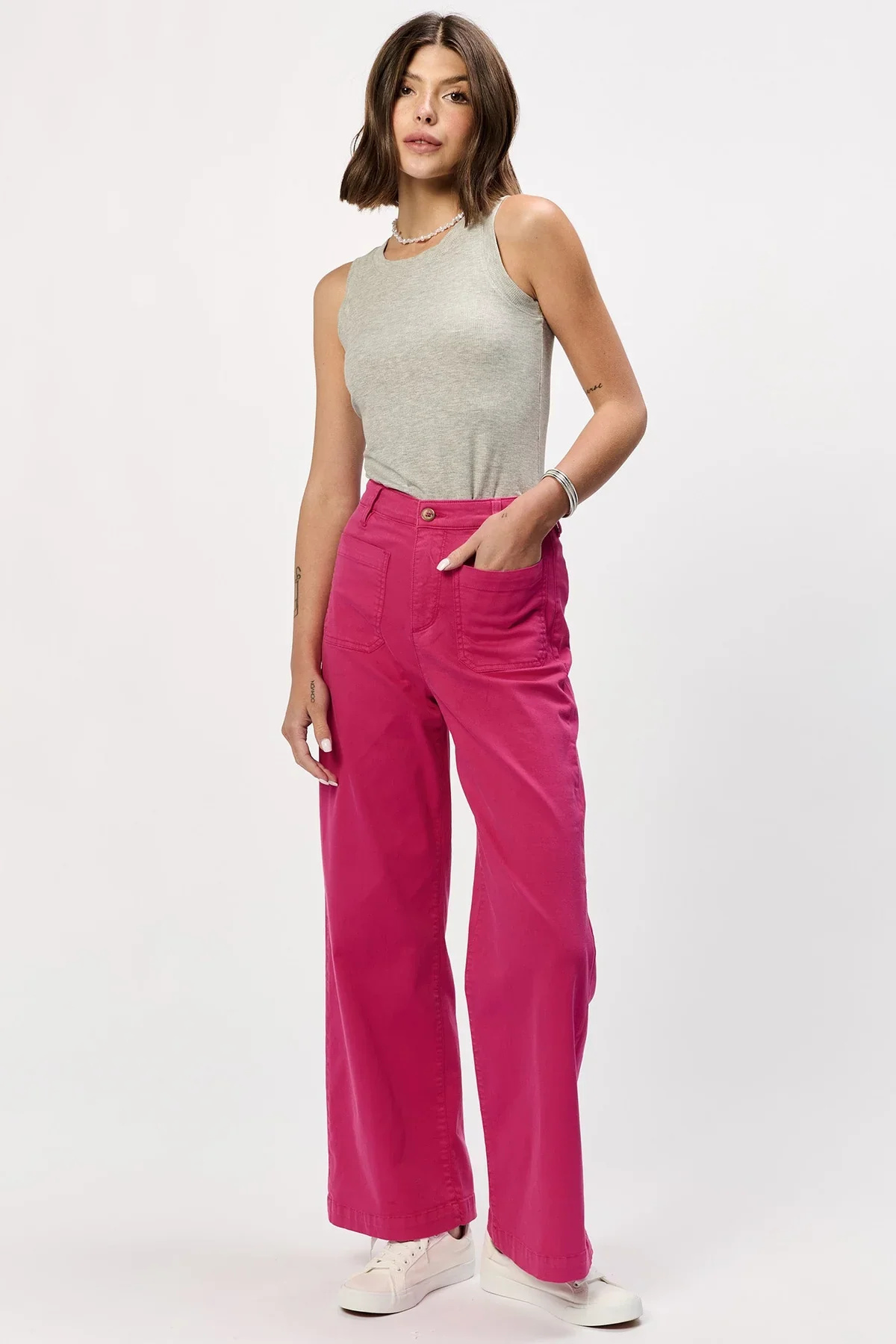
For a polished work outfit, use a lightweight knit as a softer alternative to a crisp shirt, then keep the rest of the look deliberate. Tuck or half-tuck only if the knit’s length and weight sit smoothly at the waist; otherwise, leave the hem clear and choose a defined waistband. A Bristol Pant offers one catalog example of a high-rise, wide-leg option.
Consider the room as well as the commute: a fine knit may feel comfortable indoors, while a structured jacket can add formality for a meeting. Keep the outfit’s details restrained so the knit reads as part of a considered work wardrobe, not an afterthought. A split-neck sweater such as the All Season 3/4 Sleeve Knit Sweater can also bring a clear neckline to simple separates.
Lightweight knitwear earns its place through versatility: it can soften a tailored outfit, add interest to simple separates, and make changing temperatures easier to navigate. Start with the day, choose proportions that feel balanced, and let the garment label guide care. The result is personal, practical dressing.