For any garment-care suggestion, follow the individual care label first. Read our care guide.
The best dinner outfit is one you can wear through the whole evening without tugging, adjusting, or wishing you had chosen differently. Start with the setting, then bring together familiar pieces that feel comfortable and look intentional. A relaxed silhouette can still read as polished when its proportions are balanced and the finishing touches suit the venue. These casual dinner outfits are designed as practical starting points, whether you are meeting friends close to home, heading to a neighborhood restaurant, or sitting down somewhere a little more formal.
Read the plans before choosing a look
Consider the venue, the length of the evening, and whether you will walk, drive, or move between indoor and outdoor spaces. A casual neighborhood meal allows more room for soft layers and easy footwear; a reservation at a dressier restaurant may call for a cleaner silhouette or a more structured outer layer.
When the invitation leaves the dress code open, aim for one step neater than your everyday errands outfit, rather than dressing for an imagined occasion. A familiar pair of trousers with a composed top can feel appropriately considered. Checking the setting first helps prevent both overdressing and last-minute discomfort.
Start with pieces you already trust
Choose a base garment that feels good while sitting as well as standing. A reliable pair of jeans, a simple skirt, or relaxed trousers gives you a useful foundation; the right choice depends on your usual comfort and the room’s atmosphere. Familiar clothes reduce the chance that your attention will drift to an awkward fit.
Then add one element that makes the combination feel deliberate: a tucked-in top, a neat neckline, or a layer with a clear shape. The aim is not to replace your personal style with a special dinner uniform. It is to make everyday clothing look considered through small, practical decisions.
Balance volume with a clear silhouette
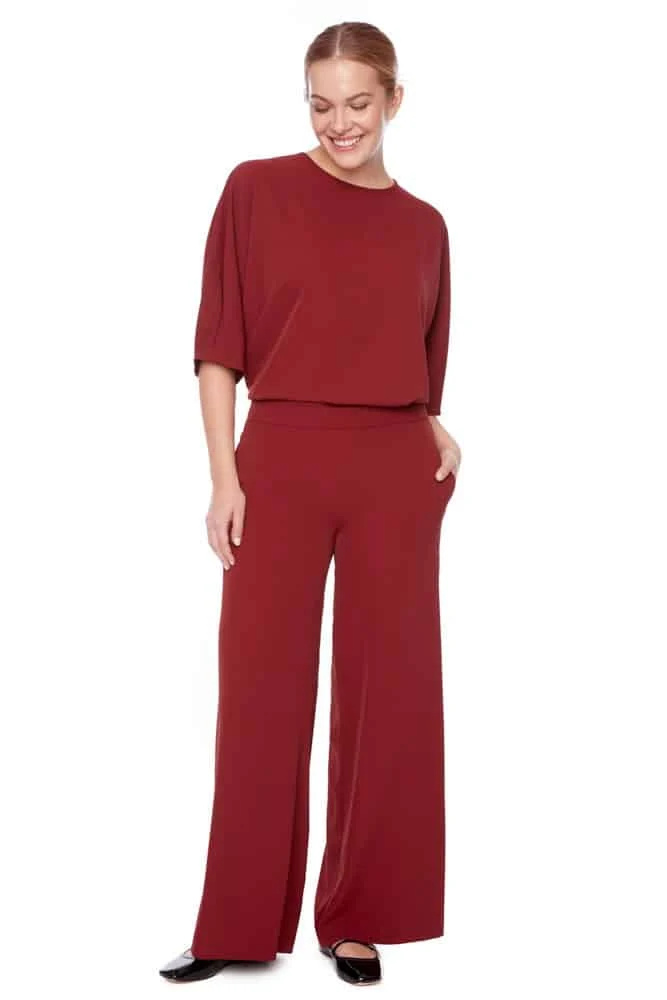
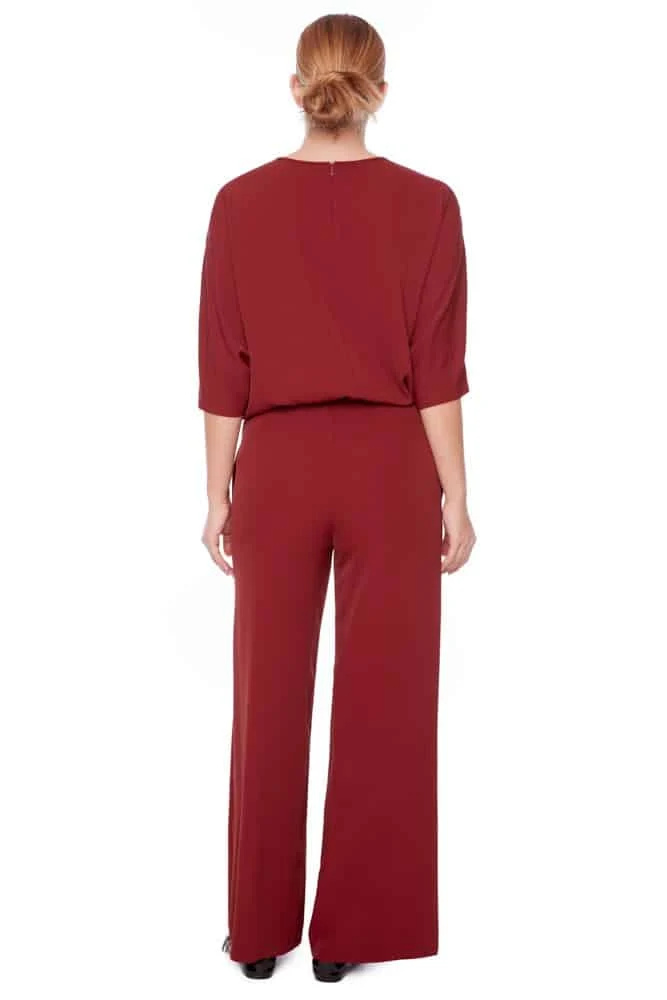
When one piece has a generous shape, give the rest of the outfit a little visual definition. Wide-leg trousers pair naturally with a close-fitting or neatly tucked top, while a fuller skirt can work well with a simpler upper half. This contrast keeps the outline easy to read without relying on tight or restrictive clothes.
If you prefer a loose top and relaxed bottoms together, use details such as a visible waistline, a shorter layer, or a clean shoe shape to maintain proportion. The point is not to follow a fixed rule about body shape. It is to make sure each piece has room to move without the whole outfit feeling accidental.
Use a dress when getting ready needs to be simple
A dress can make a dinner look feel complete with fewer decisions. Look for a neckline and length that suit the venue, and check that you can sit comfortably and move freely. A defined bodice or pleated detail can provide visual interest on its own, leaving room for a light layer if the restaurant feels cool.
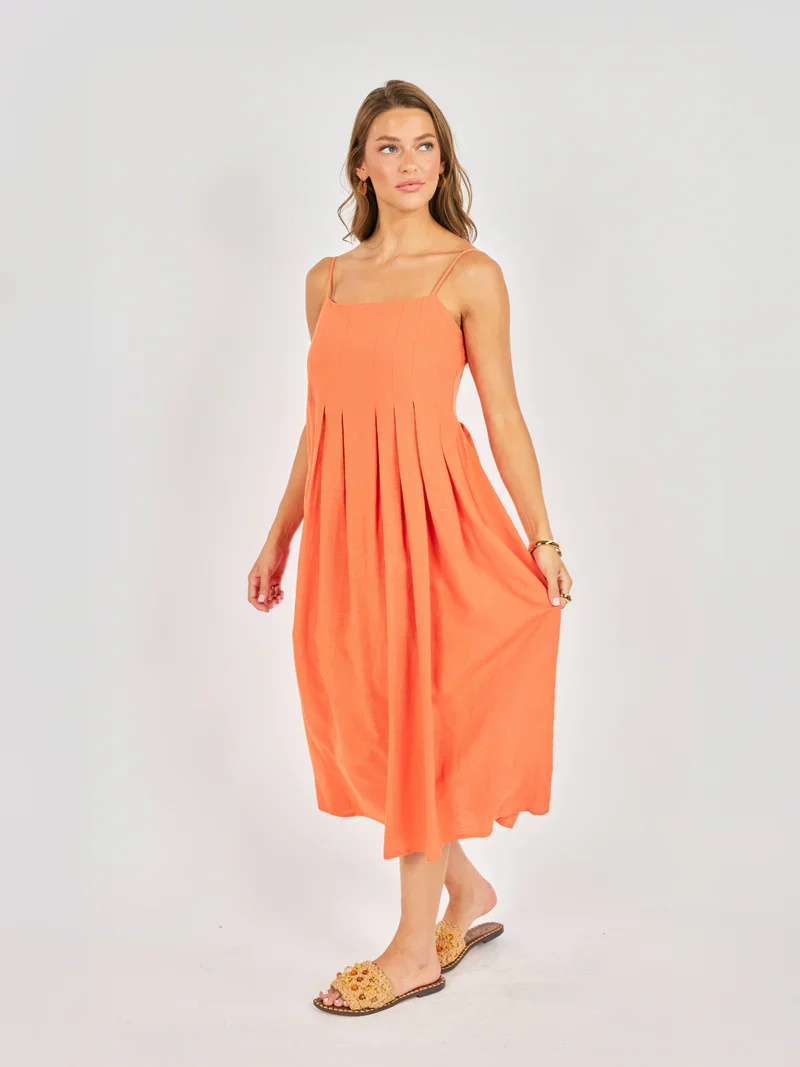
For one example, the Good Day Pleated Midi Dress combines a square neckline with front pleats and adjustable straps. Its vibrant orange color makes the dress a natural focal point, so keep the rest of the outfit uncomplicated. Choose footwear that feels steady on the route from the door to the table.
Layer for changing temperatures
A dinner outfit should account for the transition between the street and an indoor table. A light cardigan, overshirt, or jacket can make a simple base more versatile, especially when the evening includes a walk or a chilly room. Choose a layer that sits comfortably over your top and does not restrict your arms.
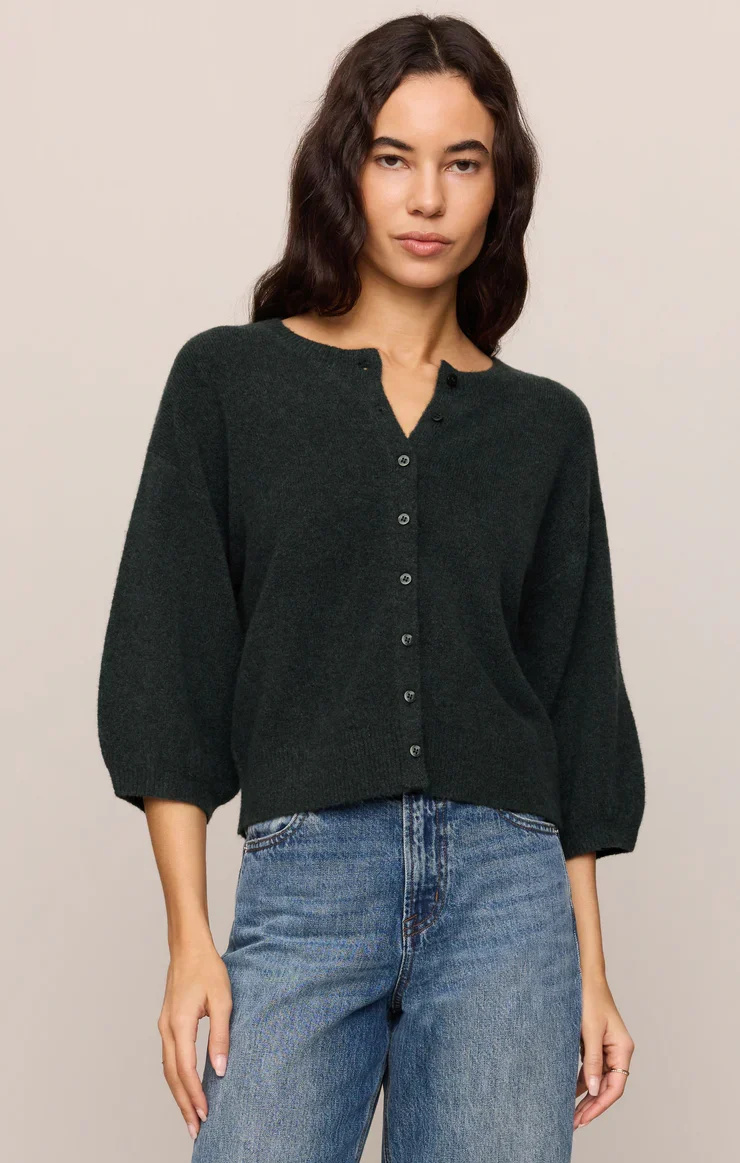
Think about how the layer looks both on and off. If you expect to remove it, make sure the outfit underneath still feels finished; if you plan to keep it on, check that the sleeves and hem work with the rest of the silhouette. A button-front cardigan, for instance, can be worn open over a simple top or closed as the main layer.
Choose shoes for the whole evening
Footwear can change how an outfit feels as much as how it looks. Consider how far you will walk, whether the route includes uneven pavement, and how long you expect to be on your feet. A familiar flat, low heel, or clean sneaker can all work, provided it suits the setting and feels dependable.
Try the full combination before leaving rather than assessing shoes in isolation. Check that hems do not catch underfoot and that the proportions feel balanced from head to toe. If you are uncertain about a new pair, choose a proven option instead; discomfort tends to become more noticeable once you are seated for a long meal.
Make color and texture do the styling
A limited color palette can make separate pieces feel connected. Start with one shade you enjoy wearing, then add neutrals or a second color that sits comfortably beside it. Contrast does not need to be dramatic: a light top with darker trousers, or a single vivid garment against quieter basics, can provide enough definition.
Texture offers another route to interest without adding complicated layers. Pair a smooth-looking top with trousers that have a more relaxed drape, or let a woven garment supply subtle surface detail. Keep the overall mix comfortable and appropriate for the venue; a dinner outfit should feel like an extension of your wardrobe, not a costume.
Finish with a practical before-you-leave check
Before heading out, sit down in the outfit and reach forward as if pulling in a chair. Make sure waistbands, hems, and straps stay comfortably in place. Check the mirror in the lighting you expect to encounter where possible, since a color or proportion can appear different indoors than it does in daylight.
If a garment needs attention, follow its care label first and use only the instructions appropriate to that item. For an uncertain stain or fabric, avoid improvising with heat or cleaning products. A quick check of the outfit, the weather, and your route is more useful than adding extra pieces at the last minute.
Natural dinner dressing comes down to comfort, context, and a few intentional choices. Begin with clothes you know how to wear, balance the silhouette, and account for the setting, temperature, and walk to the table. A simple dress, familiar trousers, or an easy layer can each be the right starting point. When everything feels comfortable in motion as well as in the mirror, you can settle into the evening instead of thinking about your outfit.