For any garment-care suggestion, follow the individual care label first. Read our care guide.
Choosing what everyone will wear for family photos can feel like a small styling project with a lot of opinions. A useful plan begins with the portrait setting and the feeling you want the images to hold, then brings each person’s outfit into the same visual story. Rather than buying identical pieces, focus on a shared palette, comfortable silhouettes, and a few intentional details. These practical family photo outfit ideas help you make decisions steadily, leave room for personal style, and arrive ready to enjoy the time together.
Start with the setting
Let the location guide the mood before you open anyone’s wardrobe. A garden, beach, living room, or city street each suggests a different level of formality and a different range of useful layers. Consider the surroundings, available shade, and how much walking or sitting the session may involve.
If the photographer has shared guidance, use it as a starting point rather than a strict uniform. For an outdoor session, think about ground conditions and changing temperatures; indoors, consider what sits behind the group. A simple setting-led decision can narrow choices without making every outfit look prescribed.
Build a shared colour palette
Choose two or three connected colours, then let each person wear a different combination. A palette might pair a soft neutral with a deeper accent and a gentle supporting shade. This creates visual harmony while keeping the group from appearing dressed in identical outfits.
Check the palette against the location and the family’s existing clothes. Hold garments together in natural light, and notice whether one strong colour draws attention away from faces. If a favourite piece does not fit the plan exactly, use a quieter companion shade elsewhere to bring the look together.
Balance prints and texture
Print can bring personality to a group portrait, but several bold patterns competing at once may make the overall image feel busy. Choose one print as a starting point, then coordinate other outfits through colour or understated texture. Keep pattern scale in mind: a tiny repeat and a broad graphic read differently in a photograph.
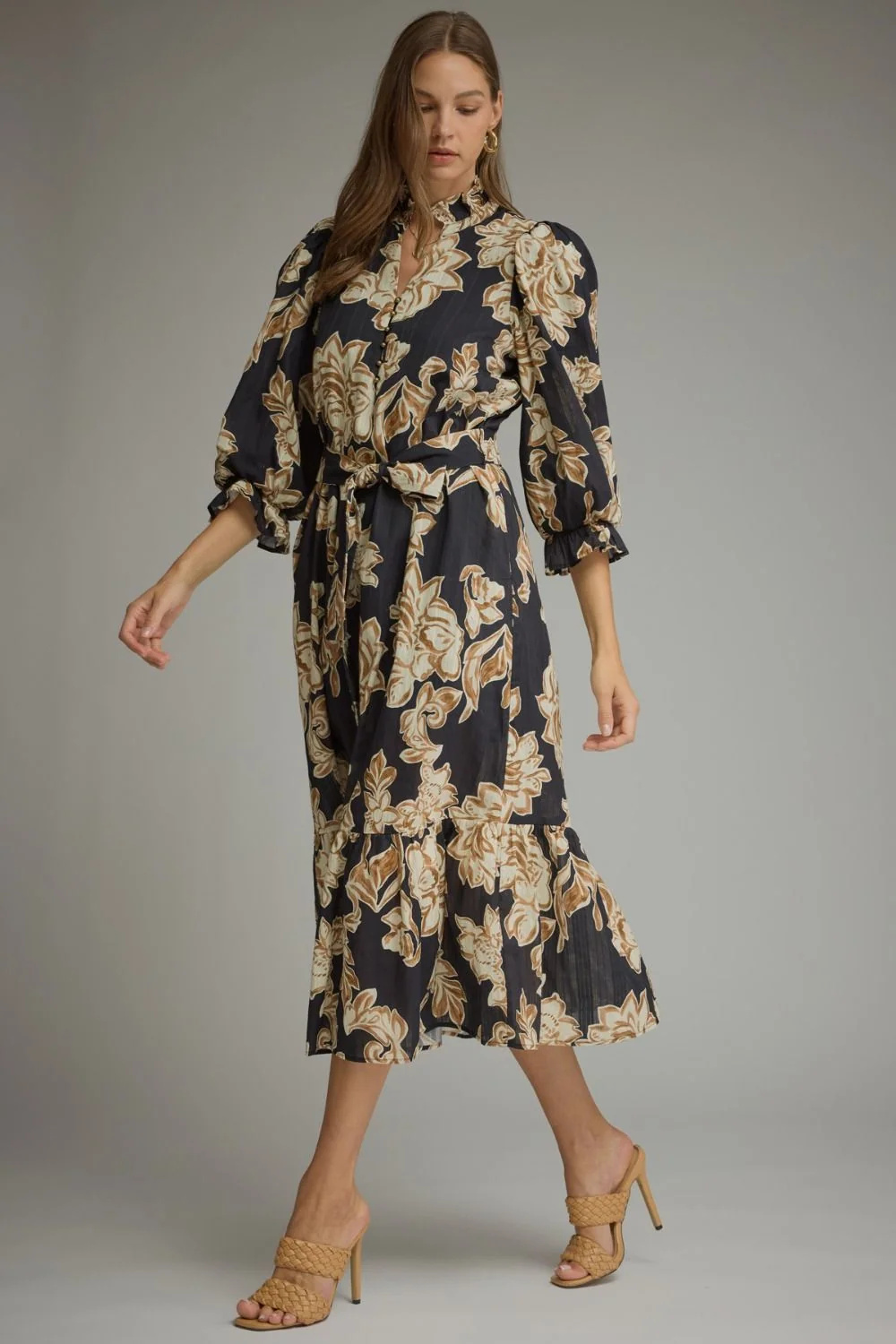
A floral midi dress, for example, could inspire a palette without requiring anyone else to wear flowers. Pair its main colours with solid pieces, or add a subtle pattern that shares one of those shades. Aim for variety across the group, with enough visual calm for expressions to remain the focus.
Choose shapes for easy movement
Clothing should allow each person to sit close, hold a child, walk between locations, and stand comfortably. Try the full outfit in advance, including the shoes you plan to wear. Check that hems feel manageable and sleeves do not need constant adjusting when arms lift or bend.
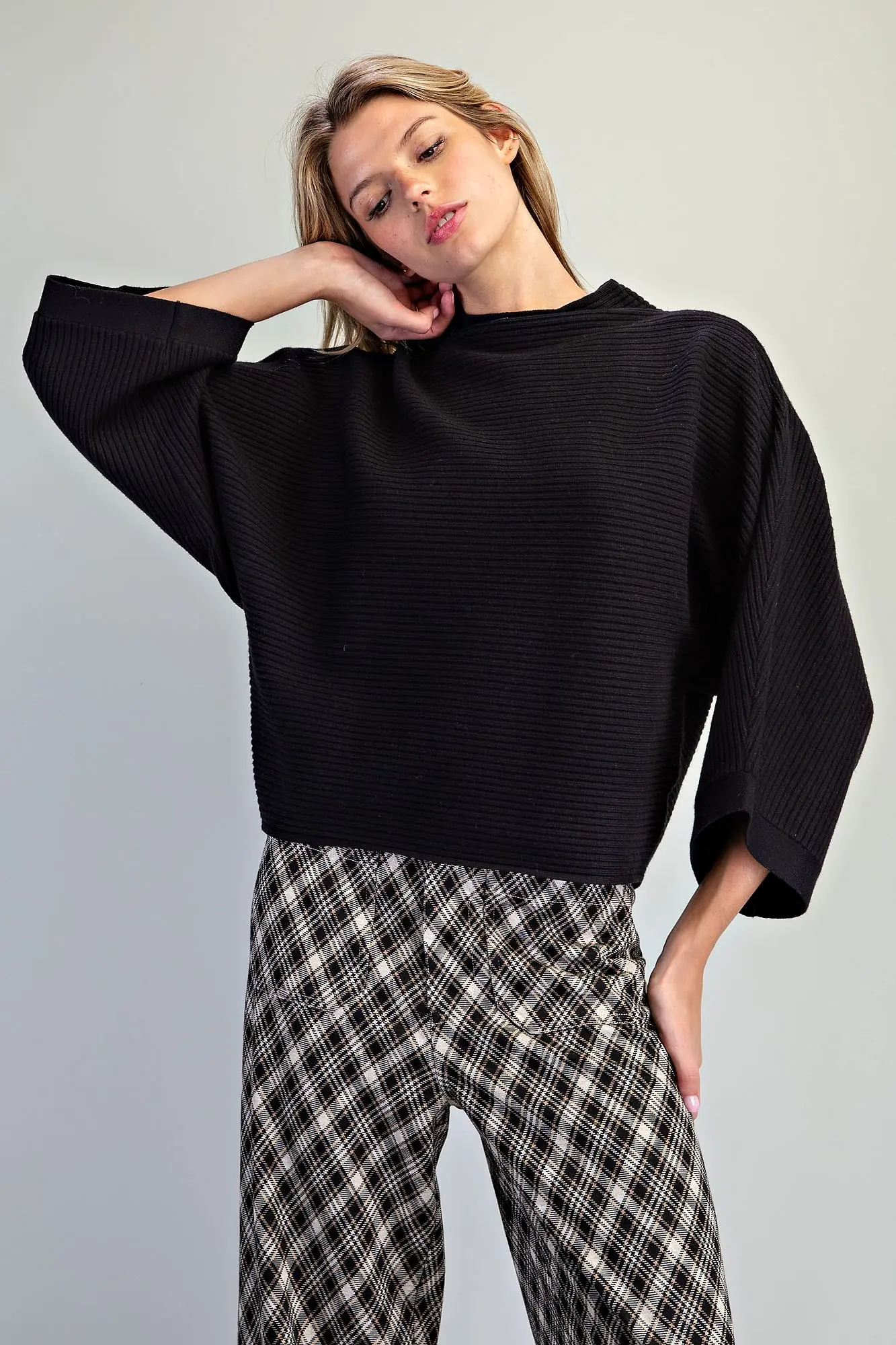
A defined waist, a relaxed top, or a straight-leg trouser can each work well; the useful choice depends on the wearer and the setting. Prioritise a familiar fit over a new silhouette that feels distracting. When everyone can move naturally, poses tend to look less stiff and more like your family.
Coordinate proportions across the group
Look at the outfits together from head to toe rather than judging each one on its own. If several people wear long, flowing shapes, introduce a shorter or more structured silhouette for contrast. Likewise, a group in fitted pieces may benefit from one softer outline to keep the composition from feeling too uniform.
Think about where waistlines, hems, and layers will land when everyone stands or sits side by side. The goal is not perfect symmetry, but a considered mix that feels balanced in a wide frame. A quick phone photo of the assembled outfits can reveal proportions that are difficult to spot on hangers.
Plan for layers and weather
Outdoor conditions can change during a session, so plan a layer that works with the palette and can be removed easily. A cardigan, jacket, or light wrap may be useful depending on the forecast and setting. Make sure the extra piece does not introduce a colour or shape that feels disconnected.
Shoes matter just as much as the main outfit when paths, grass, or stairs are involved. Choose a pair each person can wear comfortably for the expected walk, and test it with the planned hem length. If you will change locations, pack a practical alternative rather than relying on uncomfortable footwear.
Prepare clothing and small details
Set outfits aside together several days ahead, then check for wrinkles, loose threads, missing buttons, and visible marks. Follow each garment’s care label; if pressing or steaming is permitted, use the method the label allows and test carefully when uncertain. This gives you time to address issues without rushing on the day.
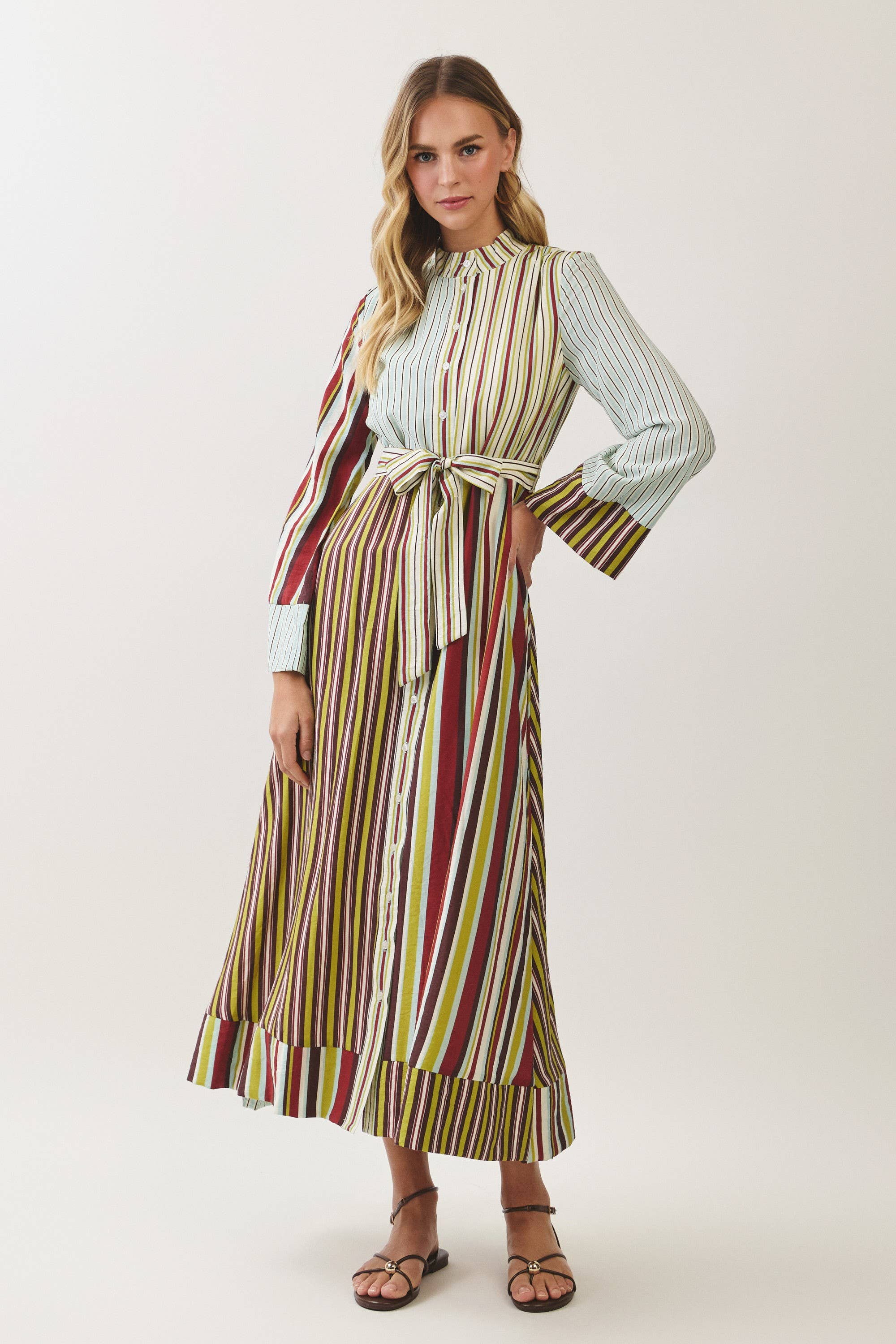
Keep the finishing details simple and purposeful. Smooth collars, arrange cuffs, and make sure belts or ties sit as intended. A mixed-stripe shirt dress with a self-tie waist, for instance, has a built-in styling detail worth checking before the session. Take a final look at the back as well as the front.
Make a picture-day checklist
The evening before, lay out each complete outfit in one place, including layers and shoes. Confirm that everyone knows what to wear and where the session begins. If children are joining, keep a familiar backup outfit available in case of spills or a sudden change in comfort.
On the day, allow time for dressing without turning the process into a last-minute fitting. Bring a comb, a lint roller, and any practical items your group may need between locations. Once the basics are covered, step away from outfit adjustments and focus on helping everyone feel present for the photographs.
A calm family-photo plan is less about perfect coordination than thoughtful choices that suit your setting and the people wearing them. Begin with a shared palette, test complete outfits together, and prepare practical layers and details ahead of time. Leave space for individual preferences, too. When clothing feels comfortable and considered, it supports the photographs without becoming the story, making it easier to be together in the moment.