For any garment-care suggestion, follow the individual care label first. Read our care guide.
Getting dressed for a creative workday is a small design exercise: you want ease enough to think clearly, polish enough for a meeting, and room for personal style. Start with the day’s demands, from desk hours to presentations, then choose pieces that feel composed without looking overly formal. A few dependable shapes can make getting ready simpler, while thoughtful color, proportion, and layering keep the result individual.
Begin with a reliable foundation
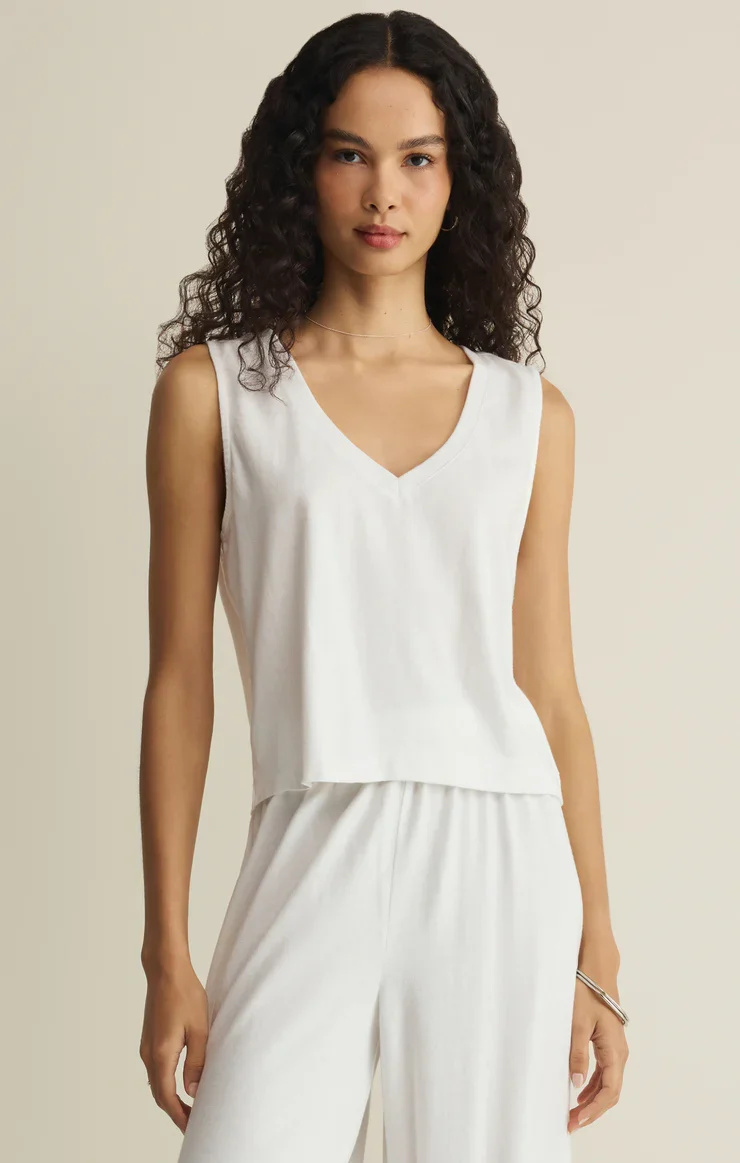
Choose a base outfit that is comfortable through a long stretch of sitting, standing, and moving between tasks. A softly structured top with tailored trousers, or a simple dress with a light layer, gives you a calm starting point. Keep the silhouette intentional rather than fussy.
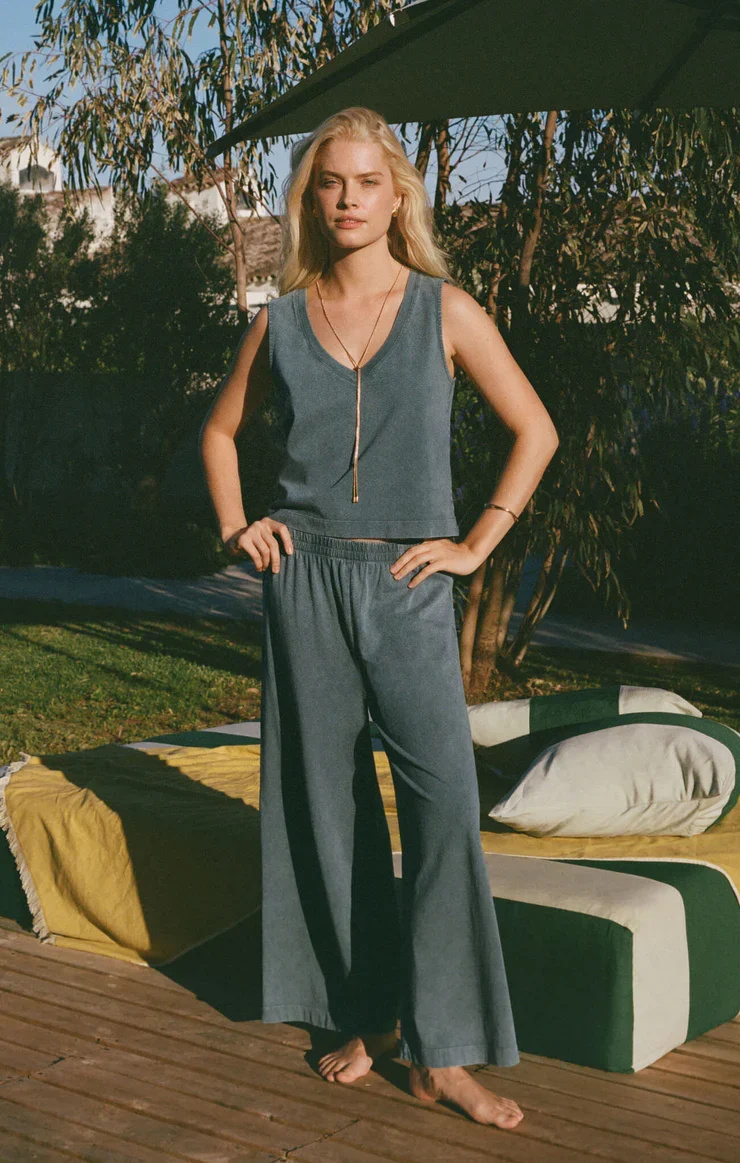
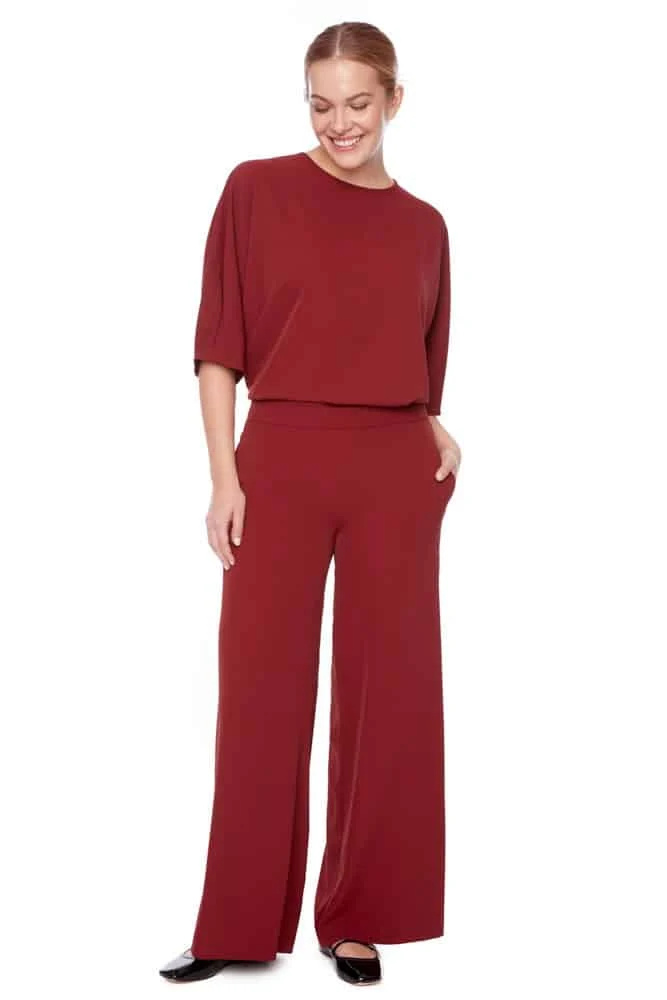
For a relaxed approach to trousers, wide legs can create an easy line while still feeling considered. The Wide Leg Vegan Silk Pants have a full-length shape and relaxed fit; balance their volume with a more streamlined top, or tuck in a shirt to define the waist.
Use layers to shift the mood
A layer can make a desk-ready outfit feel more finished in seconds. Wear an open cardigan over a simple top, or add a jacket when a client meeting calls for a sharper outline. Choose a layer that moves comfortably and is easy to take off as the day changes.
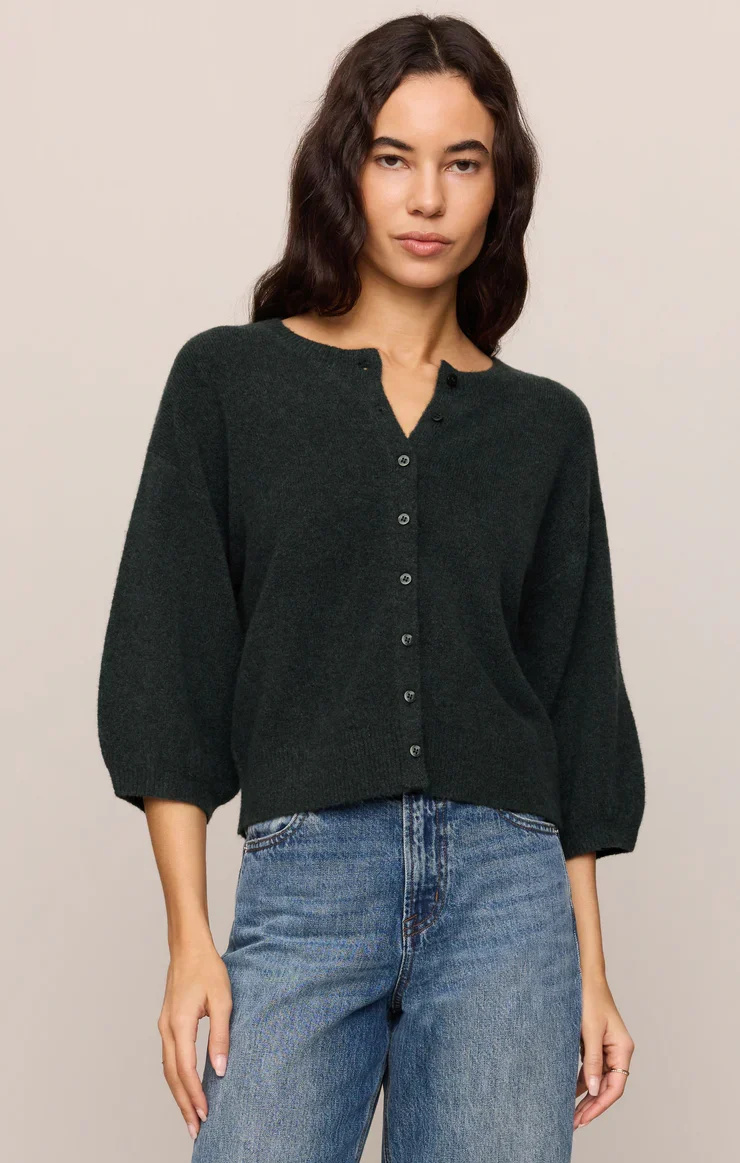
Think about proportion as you build: a longer layer over a narrow base feels different from a cropped one over a flowing silhouette. A cardigan with three-quarter sleeves, such as the Valor Cardigan, can bring softness without covering every detail of the top beneath it.
Let color do the talking
A thoughtful palette makes separates easier to combine. Start with two or three tones you enjoy wearing, then introduce a brighter shade or a gentle contrast through one piece. This keeps the outfit cohesive while giving it a point of view that feels more personal than a uniform.
If color feels like too much first thing in the morning, build around a neutral base and choose one expressive accent. You might use a vivid top, a patterned layer, or a contrast between light and dark. Keep the rest of the look quieter so that the detail has room to stand out.
Choose shoes for the whole schedule
Creative work rarely happens in one place, so consider where your shoes need to take you. A comfortable, polished pair can work for the commute, a walk to lunch, and time on your feet. Match the formality to your office, and make sure the choice feels natural with your outfit.
If your clothing has a wide or flowing shape, a clean, simple shoe can keep the overall line balanced. With a more fitted outfit, a shoe with a little visual weight can add presence. Either way, a quick check in a full-length mirror helps you see the proportions together.
Keep the finishing touches purposeful
Before heading out, look for one small adjustment that makes the outfit feel deliberate: roll a sleeve, tuck the front of a top, or add a belt if it suits the pieces. These details can sharpen an easy combination without turning getting dressed into a complicated routine.
Give garments a little attention so they stay ready for repeat wear. Check the care label first, and follow its directions; if it permits washing at home, use the method stated there. When the label calls for another approach, follow that guidance instead of assuming every fabric can be machine washed.
Dress for the work you need to do
Plan an outfit around the day’s main tasks rather than choosing pieces by category. For a presentation, try a crisp shirt with tailored trousers; for a long stretch of focused desk work, choose a soft top and a skirt or pants that let you sit comfortably. If the schedule mixes both, keep the base simple and bring a more structured piece for the meeting.
Check practical details before you leave: can you reach, sit, and move without adjusting your clothes repeatedly? A top that stays in place when you lean over a desk, or trousers that do not pull when seated, can make a noticeable difference. If you have a video call, check the neckline and shoulder line on screen, not only in the mirror.
Make prints easy to combine
A print can add character without making the rest of an outfit difficult to coordinate. Choose one patterned piece, then pick a secondary item in a shade already present in the print. For example, pair a checked shirt with trousers that echo its darkest tone, or wear a printed skirt with a top in one of its quieter colors.
Consider scale as well as color. A large, bold motif often looks clear with plain separates, while a small, closely spaced pattern can sit comfortably beside a subtle texture. If you are mixing prints, keep one noticeably larger than the other and share at least one color between them. That connection helps the combination look considered rather than accidental.
Build a repeatable outfit rotation
A small outfit rotation can reduce morning decisions while leaving room for variety. Choose a few tops and bottoms that already work together, then write down combinations you have worn successfully. Include alternatives for different temperatures or meeting plans, so a change in the day does not require rebuilding the outfit from scratch.
After wearing a combination, note what made it practical: perhaps the proportions felt balanced, the top worked under a jacket, or the trousers suited a seated day. Use those observations to guide future purchases and identify gaps, such as a versatile shirt or a skirt that pairs with several existing tops. This keeps additions purposeful and helps prevent near-duplicate pieces.
Use texture to create visual interest
When a look feels too plain but a strong print is not right for the day, vary the surface of the fabrics. Try a smooth shirt with a softly textured knit, or combine matte trousers with a top that has a subtle sheen. Keeping the palette restrained lets the contrast in texture provide interest without making the outfit feel busy.
Think about how textures meet at the waist, cuffs, and neckline. A heavier knit can overwhelm a very lightweight top if both bunch together, while a crisp fabric may hold its shape beside a softer one. Before committing, check the outfit in natural light and move around; the textures should look distinct, but the garments should still sit comfortably together.
An easy office outfit is less about dressing by a formula than choosing pieces that support the way you work. Start with a comfortable foundation, adjust the silhouette with layers, and add color or a small styling detail with intention. With a few combinations you trust, creative mornings can feel calmer—and still leave space for your own point of view.