For any garment-care suggestion, follow the individual care label first. Read our care guide.
As the days turn crisp, color offers an easy way to refresh the clothes you already reach for. Think warm leaves, late-season flowers, and clear autumn skies—not a rulebook of matching shades. Start with one color that makes you smile, then build around it with neutrals, familiar silhouettes, and small experiments that suit your everyday rhythm.
Begin with one bright focal point
Let a single colorful piece lead the outfit, then keep the rest calm. A vivid top with dark denim, or a saturated skirt with a simple neutral layer, feels intentional without requiring a closet-wide color overhaul.
Choose the focal point based on where you want attention to land: near your face, at your waist, or in a standout lower half. Repeating that shade in a small detail can tie the look together.
Borrow a palette from the landscape
Autumn scenery offers combinations beyond orange and brown. Try forest green with cream, plum with charcoal, or rust alongside soft blue. Pairing one earthy shade with a cooler color keeps a seasonal palette feeling fresh.
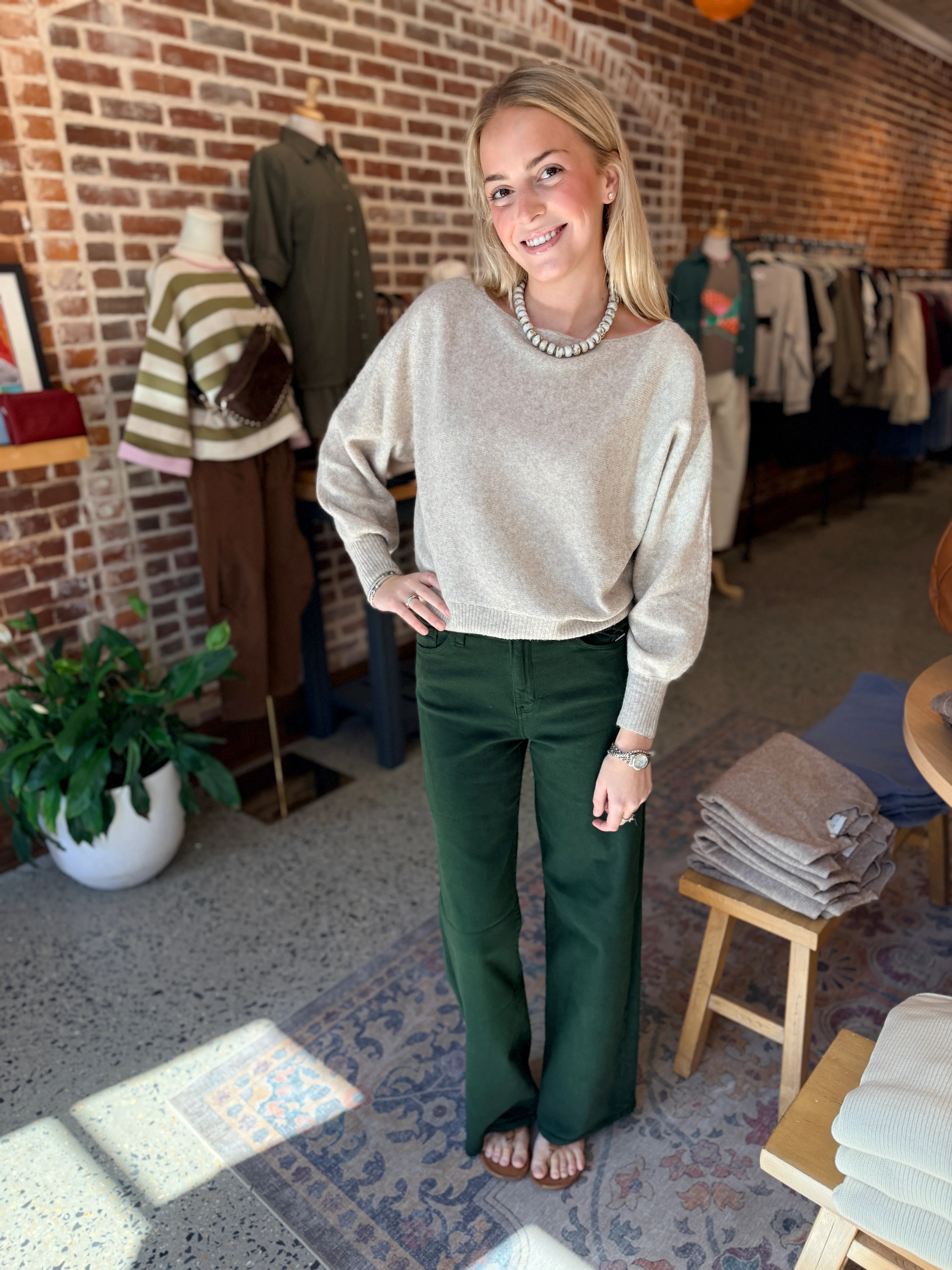
For an easy starting point, the Forest Stretchy Wide Leg Jeans bring emerald green into a familiar denim shape. Balance that saturated color with a quiet top and let the contrast do the styling work.
Use neutrals as breathing room
Color looks especially wearable when it has space around it. Black, navy, denim, gray, and cream can steady a brighter piece, while a neutral layer helps several colors coexist without making the outfit feel crowded.
Think in proportions rather than strict matching: one colorful layer over a neutral base, or a neutral jacket above a patterned top. Leave some solid areas visible so each shade has room to register.
Try pattern through a small color story
A stripe or other familiar pattern can make color feel less exposed than a solid statement piece. Look for one shade in the pattern that you can echo elsewhere, keeping the remaining pieces simple and comfortable.
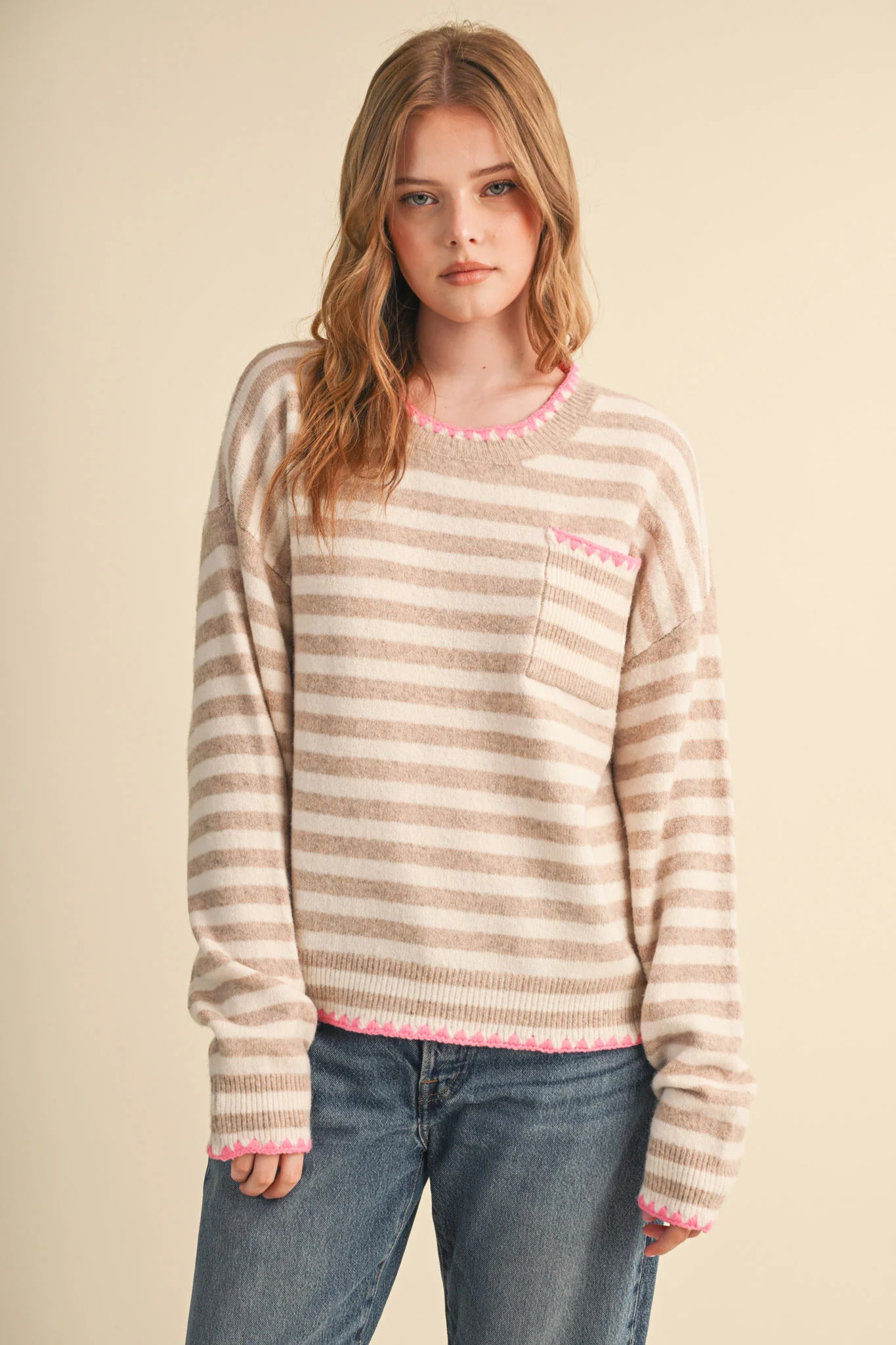
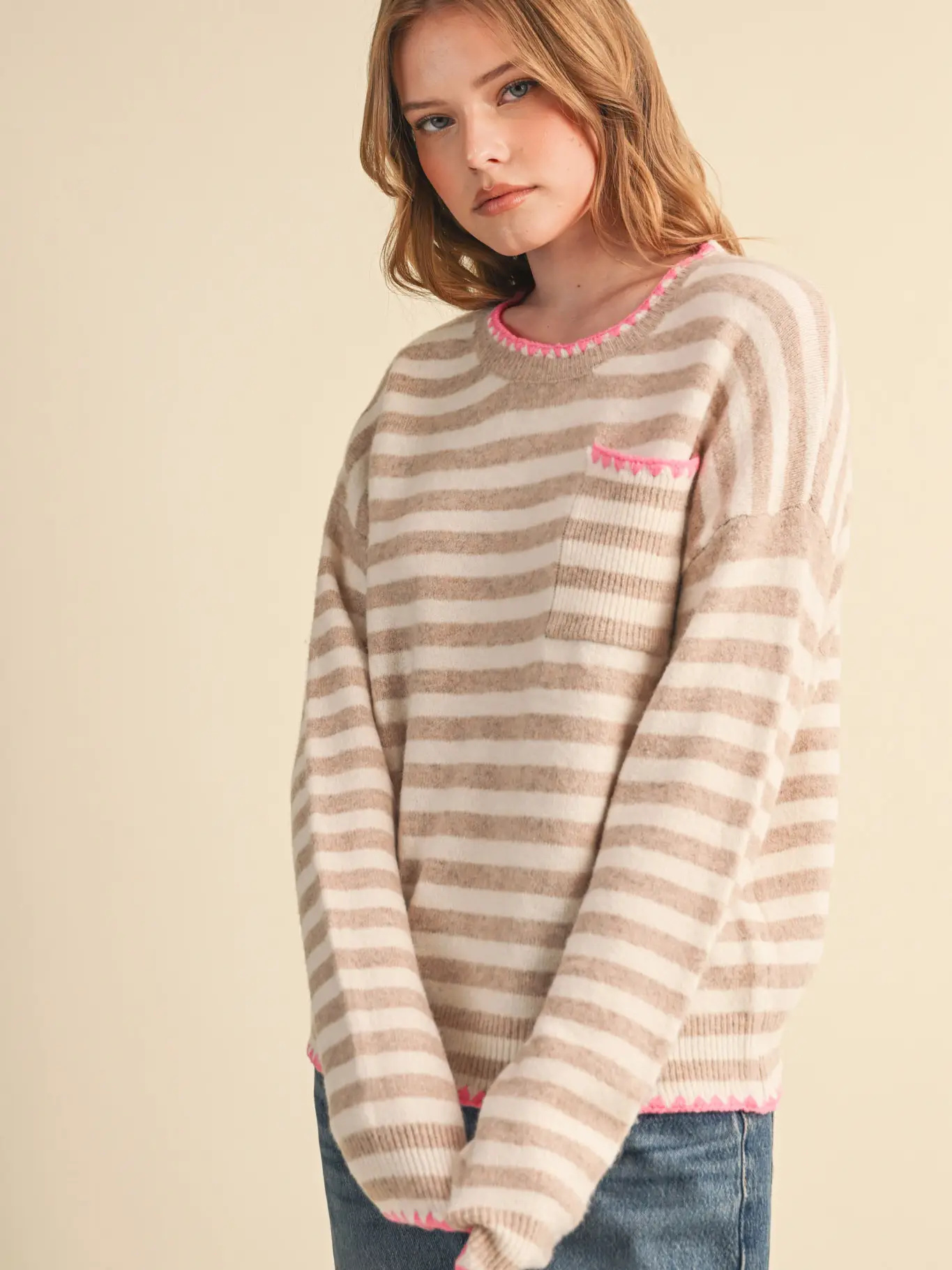
The Pinky Striped Sweater has contrasting stripes and a relaxed bodice, so it can serve as the outfit’s main visual note. Pair it with understated bottoms, or pull one stripe color into a layer nearby.
Adjust color for changing days
Autumn temperatures can shift between morning and afternoon, making layers useful as well as expressive. Keep the base outfit straightforward, then add a cardigan, scarf, or jacket in a shade that changes the mood without rebuilding the whole look.
For a quieter approach, choose color in layers you can remove or add as needed. A muted base with one lively outer layer works for brisk starts; swapping in a softer shade can make the same outfit feel more relaxed.
Choose color by outfit proportion
A color’s impact depends on how much of it you wear, not only how vivid it is. If a shade feels too assertive in a full outfit, try it in a smaller area: a colored top beneath an open jacket, or a skirt with a hemline that leaves plenty of another shade visible.
For a more immersive look, repeat one hue across two or three pieces in different proportions, such as a top, trousers, and a narrow belt. Keep the silhouettes simple so the shared color reads as a deliberate outfit rather than a matching set. This approach also helps you judge whether you enjoy wearing that shade at scale.
Build a color palette around your complexion
When choosing color near your face, compare shades in natural light and notice which ones make your features look clear and rested. You do not need to follow a strict warm-or-cool rule; try a few versions of a favorite color, from softened to saturated, and trust the one that feels most like you.
If a color works well in a garment but feels less flattering near your face, place it farther down the outfit and bring a familiar shade closer to your neckline. A collar, scarf, or open layer can create that transition without requiring a new palette. Use the same test when deciding which colored pieces deserve frequent wear.
Repeat a shade across separate details
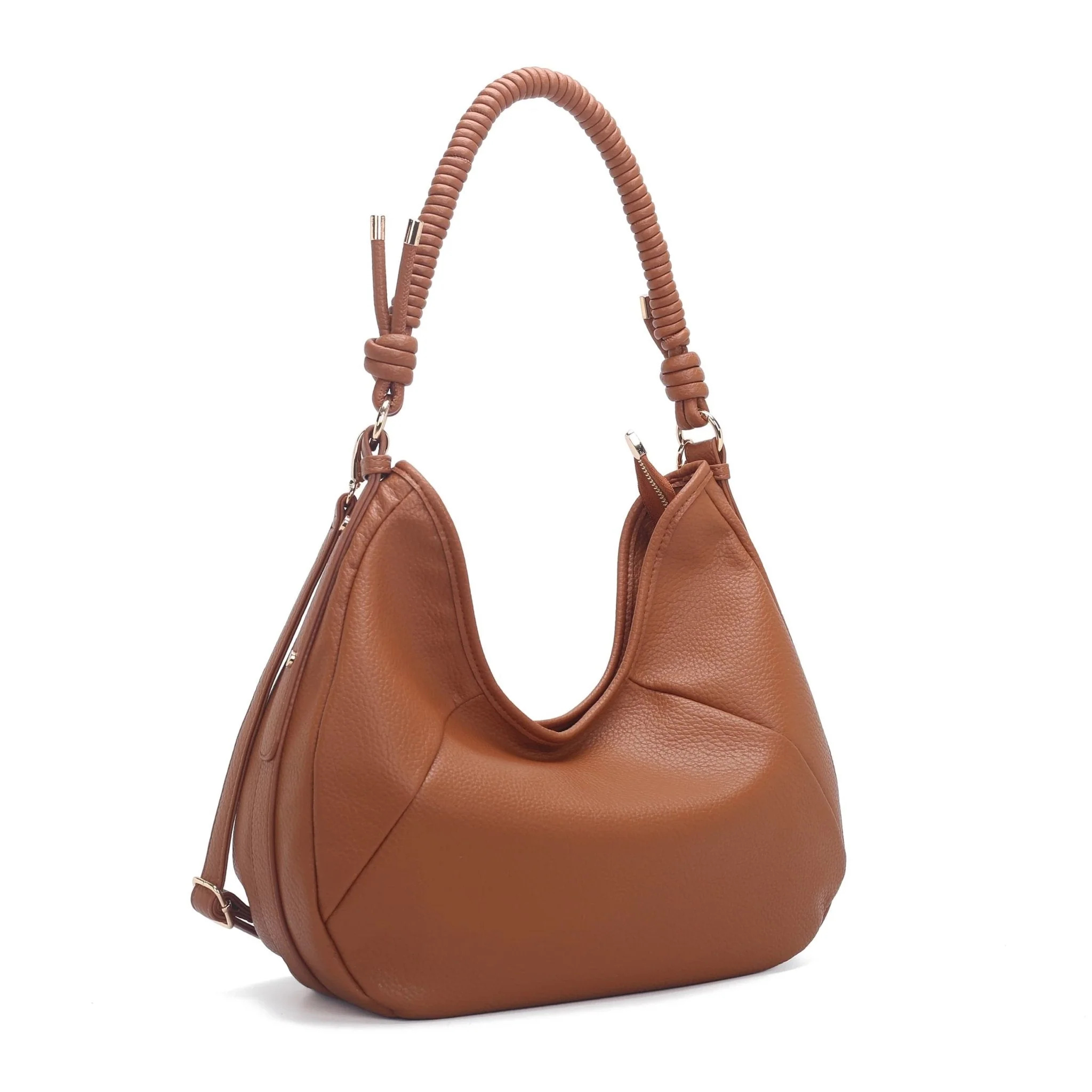
Color repetition can connect an outfit without making every piece match. Pick a shade already present in your clothing and echo it in a second, small area, such as a bag, a visible sock, or a layer peeking from beneath a sleeve. The distance between those details helps the repetition feel intentional rather than overly coordinated.
Keep the repeated areas modest and let their surroundings differ in texture or shape. For instance, a colored bag can relate to a slim stripe in a top, while the rest of the outfit stays in familiar tones. Before leaving, check the look from a few steps away: the echoes should register as a subtle link, not compete with one another.
Test new shades before adding more
Before building a wardrobe around an unfamiliar color, try it with pieces you already wear often. Make two or three complete outfits, changing the supporting garments each time, and take note of which combinations feel natural for your routines. A shade that works only with one special item may be less useful than one that fits several everyday options.
A quick mirror check can reveal whether the new color is easy to style: assess comfort, movement, and whether you can picture wearing the outfit more than once. If the shade feels difficult, experiment with a softer or deeper version rather than abandoning color altogether. This small trial keeps wardrobe choices thoughtful and helps prevent impulse additions that stay unworn.
The easiest autumn color wardrobe is one you can wear your own way. Start with a shade you already love, use familiar neutrals to anchor it, and experiment one piece at a time. At A Likely Story Boutique, the goal is feeling at ease in color, not following a formula.