For any garment-care suggestion, follow the individual care label first. Read our care guide.
A neutral outfit is not limited to matching beige from head to toe. Cream, taupe, warm brown, soft gray, and deep charcoal each carry a different mood—and the way they sit beside one another matters. Think of neutrals as a landscape of subtle contrasts: pale stone beside rich earth, or a cool misty tone against a sun-warmed one. With a few thoughtful choices, familiar shades become expressive, polished, and easy to make your own.
Start with undertones
Before building an outfit, notice whether a neutral leans warm, cool, or somewhere between. Cream and camel often feel golden; gray and crisp white can read cooler. Pairing shades with a shared undertone creates quiet harmony, while a deliberate warm-cool contrast gives the look a little more energy.
A simple way to test a combination is to hold the pieces together in natural light. If one shade makes the other seem dull, try a neighboring neutral instead. A warm almond color, for example, can sit comfortably with cream or cocoa, while charcoal may bring a sharper edge.
Build contrast through texture
When the colors are close, texture keeps the outfit from looking flat. Combine a smooth surface with a ribbed one, or balance a soft-looking layer against a more structured piece. The difference can be understated; it is often the change in surface, rather than a bold color, that catches the eye.
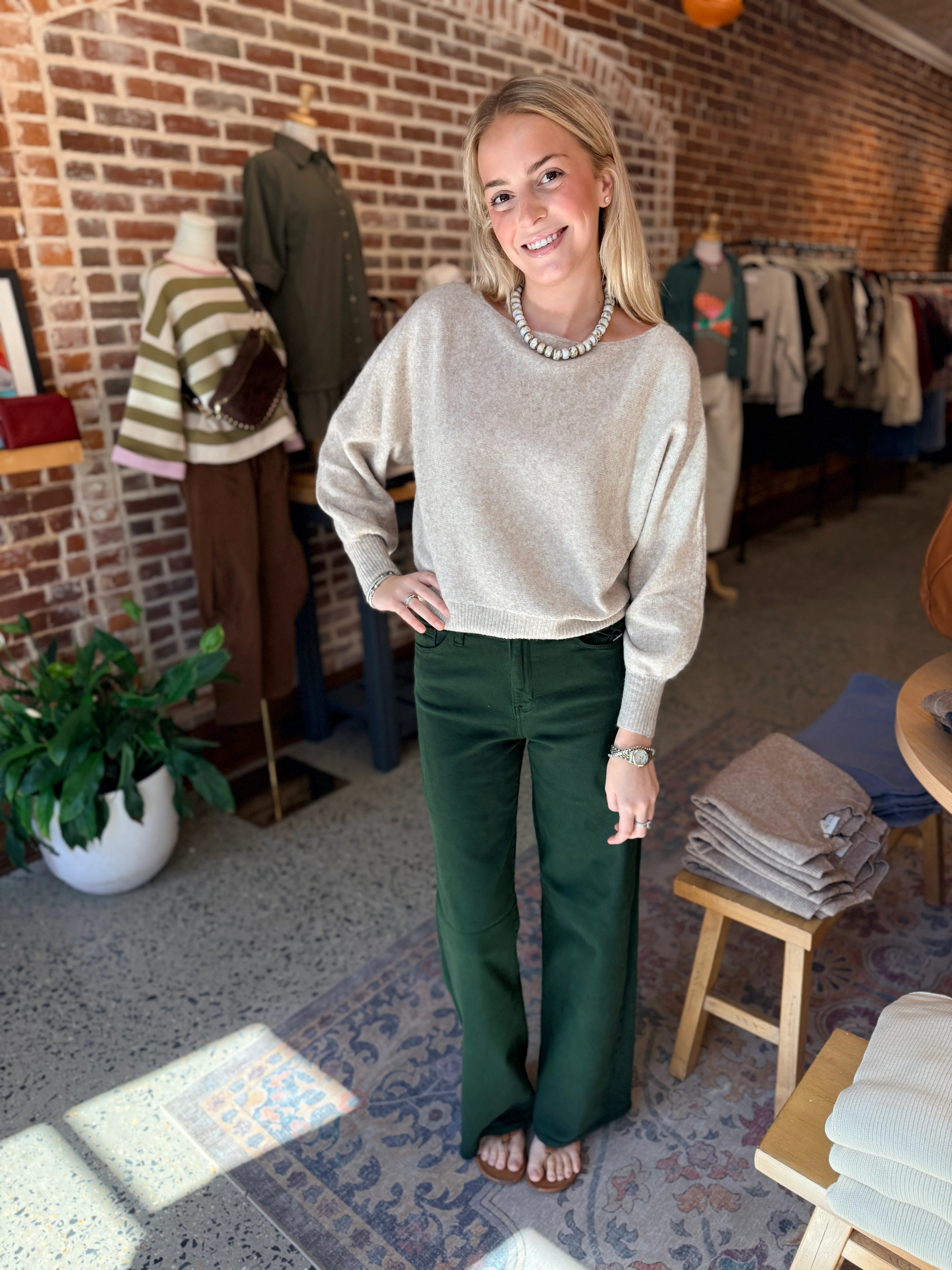
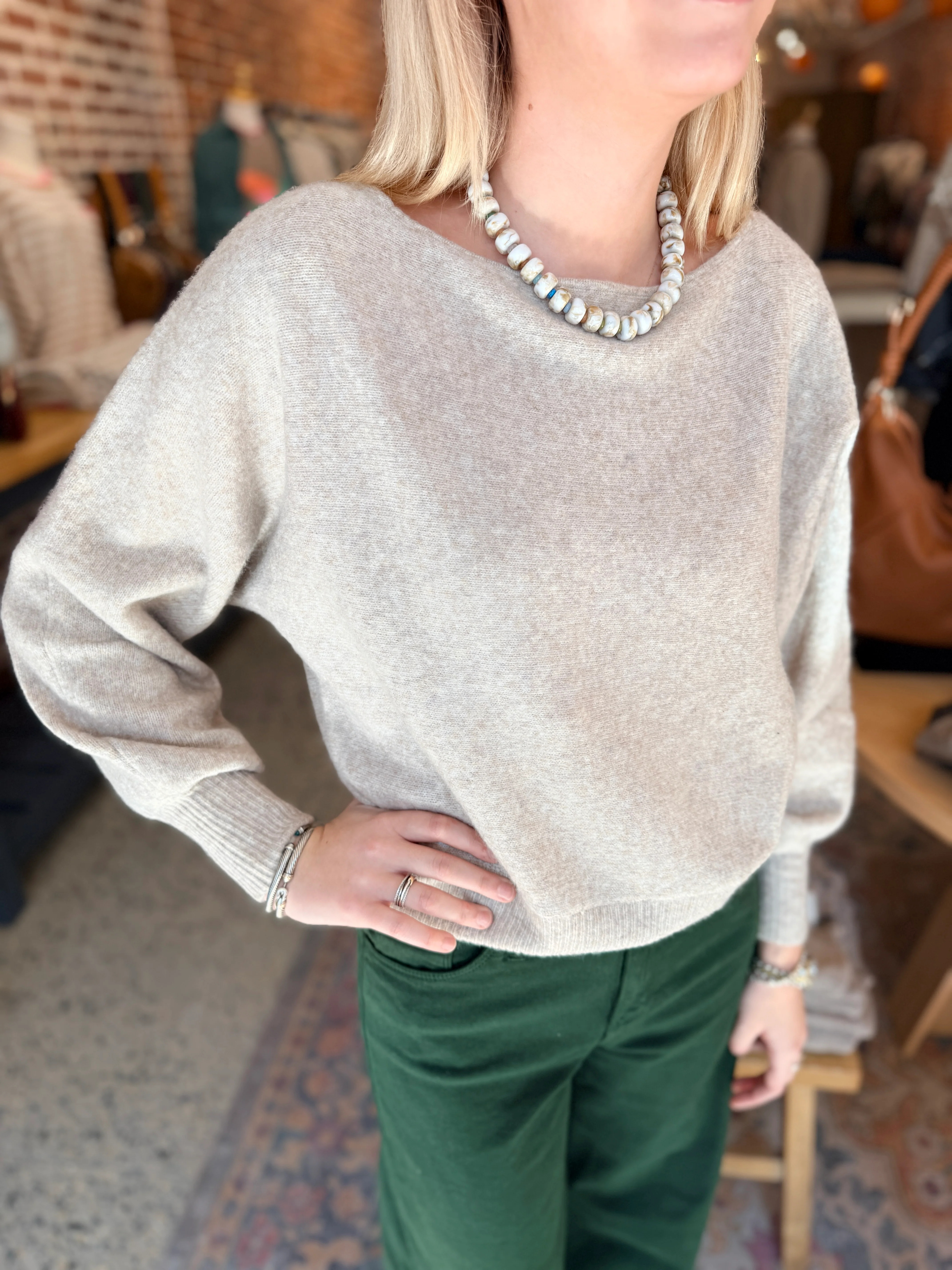
Keep the palette restrained and let those textures do the talking. A sweater with ribbed wrist cuffs and waist can add visible detail to a simple neutral base. If several pieces have similar surfaces, add contrast with a different weight or finish rather than introducing another shade.
Vary the depth of color
A tonal outfit becomes more dimensional when its shades move from light to dark. Try a pale top, a midtone layer, and a deeper bottom, or reverse the order for a grounded feel. The shift gives the eye a path through the look without breaking the calm of a neutral palette.
There is no need to find an exact color match. A little variation makes the combination feel considered, not overly coordinated. For instance, ivory beside sand and warm brown reads softly layered, while gray, mushroom, and charcoal create a cooler, more graphic progression.
Play with proportion
Silhouette is another kind of contrast. Pair a more relaxed shape with a cleaner, closer line, or allow a roomy top to balance a streamlined bottom. This give-and-take helps neutral pieces feel intentional and keeps a tonal outfit from blending into one uninterrupted block.
Look at the outline in a full-length mirror and notice where hems and waistlines land. Small adjustments, such as a front tuck or a sleeve pushed back, can clarify proportions without adding anything new. The goal is ease: a shape that feels comfortable and still shows the outfit's structure.
Use a small accent thoughtfully
A neutral palette can welcome one detail that breaks the rhythm. It might be a patterned accessory, a distinct neckline, or a hem that adds visual movement. Keep the accent modest enough to support the outfit, then repeat one of its tones elsewhere if you want a more connected finish.
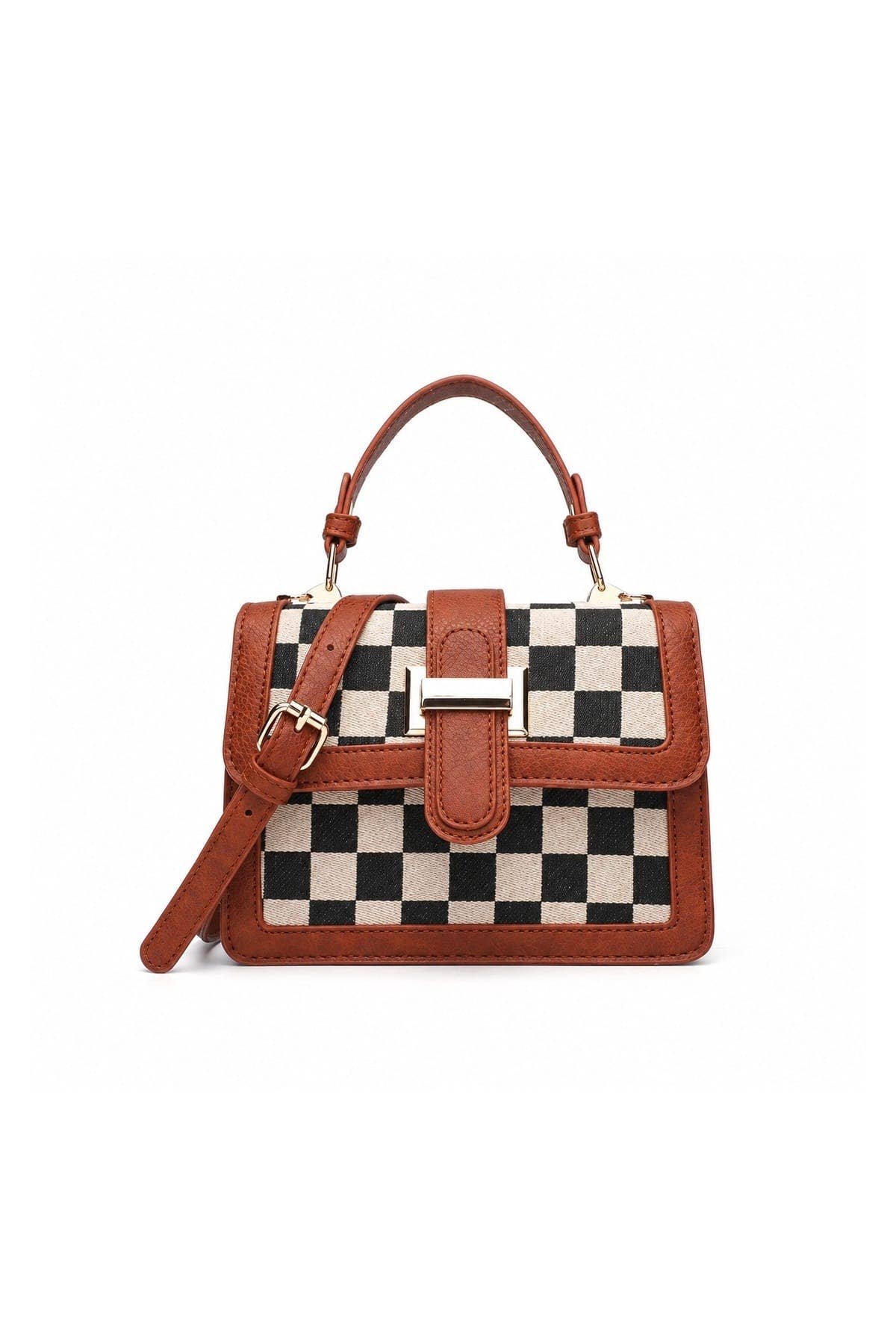
A compact checkered bag, for example, can introduce pattern while staying within a restrained color story. Alternatively, let a distinctive silhouette carry the interest and keep every shade quiet. Choosing one focal point makes the outfit feel personal without asking every piece to compete.
Let tailoring sharpen the palette
Neutrals can look especially considered when the outfit includes one piece with a clear, tailored edge. Try a straight-shouldered jacket over a simple knit, or a crisp shirt beneath a soft cardigan. The defined line gives the eye something precise to notice, while the familiar colors keep the result relaxed rather than formal.
Use tailoring to set the mood for the rest of the outfit. A structured layer over easy trousers can make a casual combination feel ready for a meeting; a softer jacket with a clean neckline suits an unhurried day. Check that the shoulder seam and sleeve length sit comfortably, since those details help the outfit look deliberate.
Choose shoes to set the finish
Footwear can change the character of a neutral outfit without changing its palette. A sleek flat or simple loafer keeps a combination composed, while a substantial boot gives it a more grounded feel. Consider the setting and how much walking the day involves, then choose a shape that supports both the outfit and your plans.
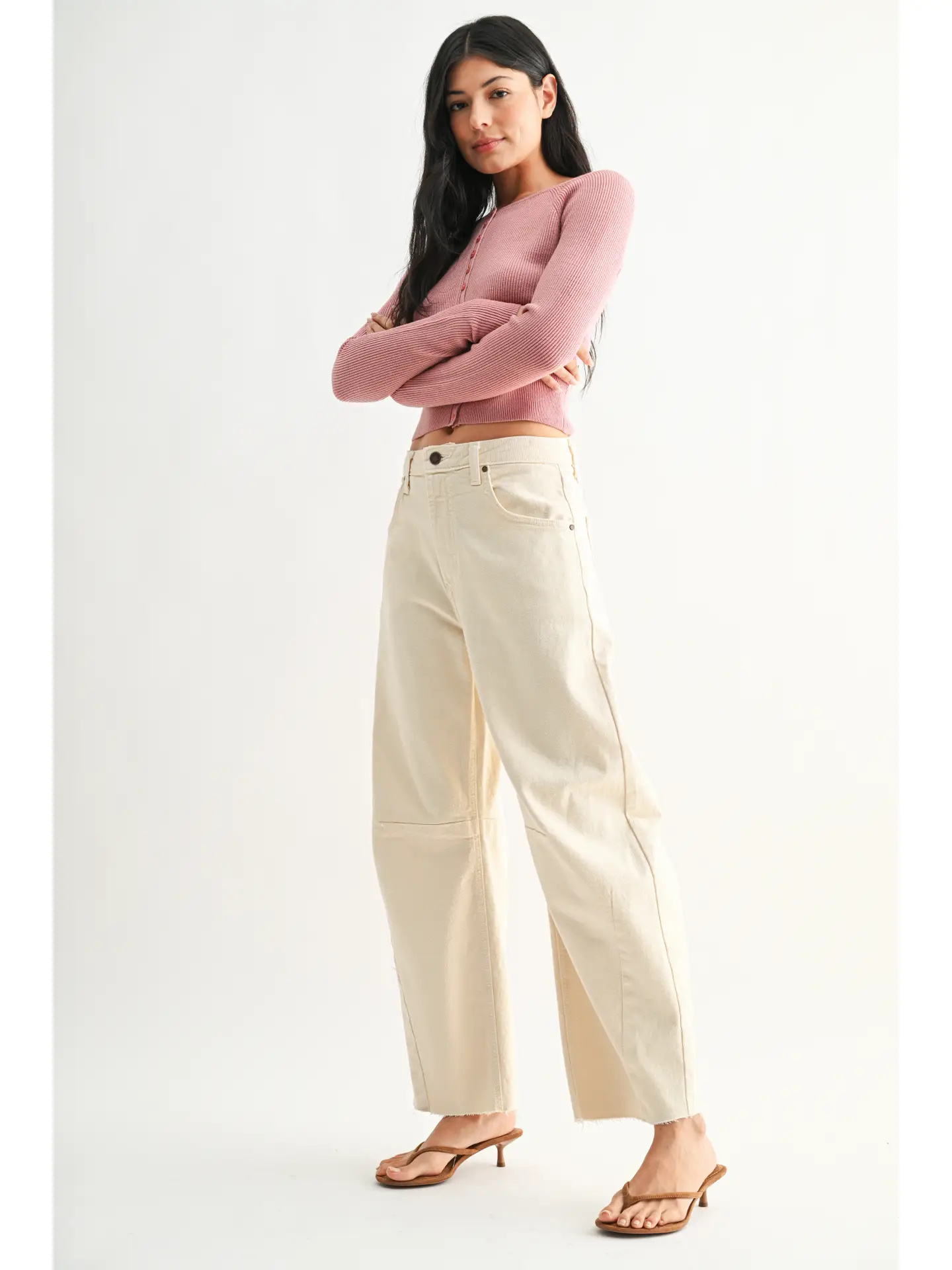
Pay attention to where the shoe meets the hem. Cropped trousers leave more of the shoe visible, so a clean profile can keep the line uncluttered; a longer hem may work with a lower, less prominent style. If the outfit already feels visually busy, keep footwear quiet instead of adding another focal point.
Dress for changing temperatures
A neutral wardrobe is useful across shifting temperatures when layers can be added or removed easily. Start with a comfortable base, then bring a light overshirt, cardigan, or jacket that works with the pieces already chosen. This practical approach keeps the palette coherent while making the outfit adaptable from a cool morning to a warmer afternoon.
Think about where each layer will go when it is not being worn. A cardigan that folds neatly or a light jacket that can be carried comfortably is more useful than a bulky extra layer. Before leaving, try the full combination together and check that sleeves, collars, and hems remain comfortable when one piece comes off.
Keep a neutral wardrobe working together
A little wardrobe planning makes it easier to wear neutral pieces in fresh combinations. Notice which items already work across several outfits, and use them as anchors when considering a new addition. A simple written list or a few outfit photographs can reveal useful gaps, such as a versatile layer or a pair of trousers that connects several tops.
Before adding another similar piece, consider how it will combine with what you own and how often you expect to wear it. Choose a role rather than a shade alone: an everyday base, a layer for cooler days, or a more polished option. This keeps the wardrobe useful and helps familiar neutrals feel purposeful rather than repetitive.
Depth comes from noticing the small differences: a warm undertone beside a cool one, a shift from light to dark, or a new texture against a familiar shape. Start with pieces you already enjoy, try one contrast at a time, and trust the combinations that feel natural. Neutrals are not a uniform; they are room to experiment.