For any garment-care suggestion, follow the individual care label first. Read our care guide.
Some mornings leave little room for outfit deliberation, but getting dressed can still feel considered. A useful routine starts with a few dependable pieces and a clear sense of the day ahead. At A Likely Story Boutique, we believe everyday style should support real schedules: easy to move in, simple to combine, and polished enough to carry you from the first errand to the last appointment.
Start with a dependable base
Choose one familiar foundation before checking every option in your closet. A simple top and comfortable bottoms give you a starting point; keep the combination consistent, then adjust a layer or accessory to suit the day.
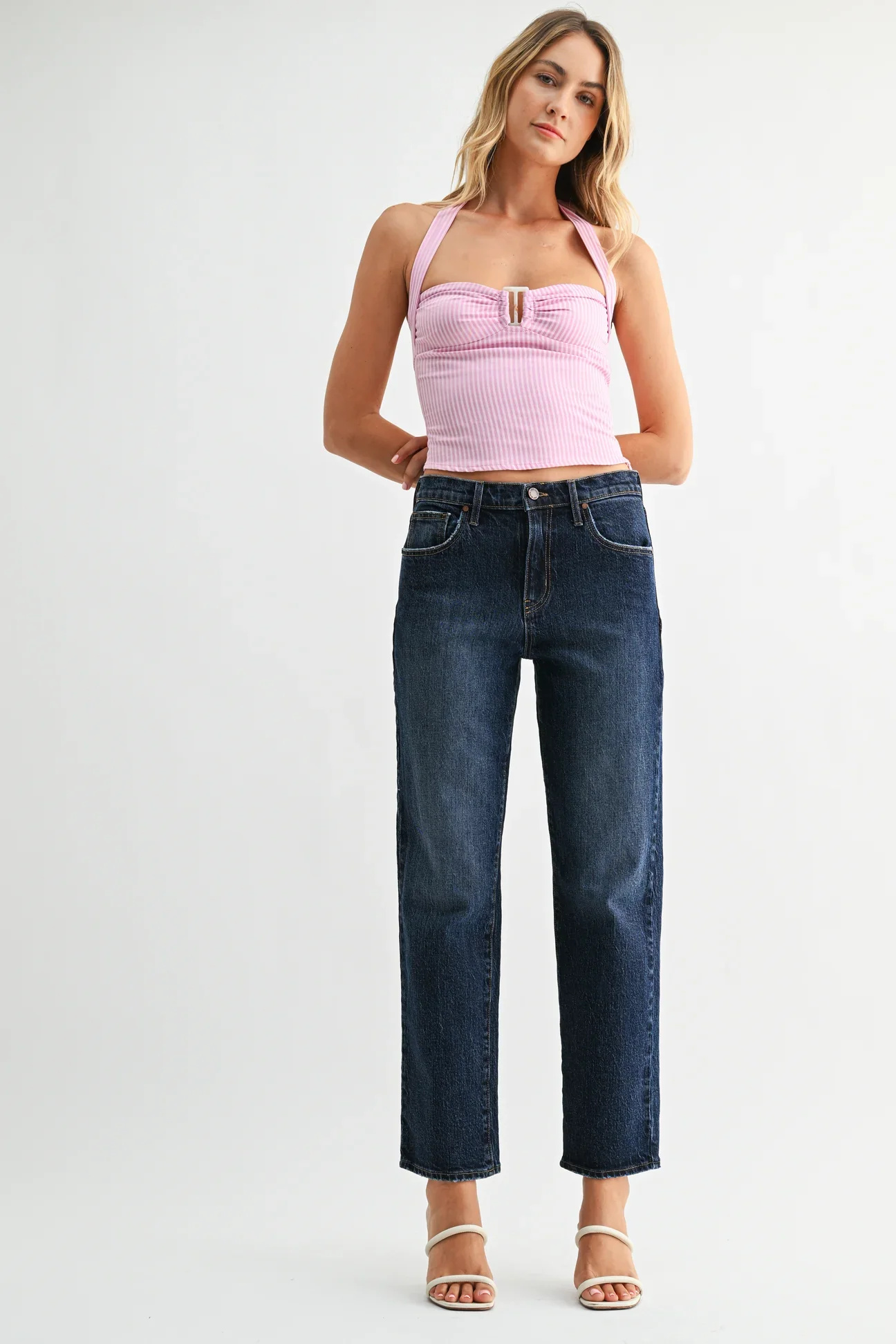
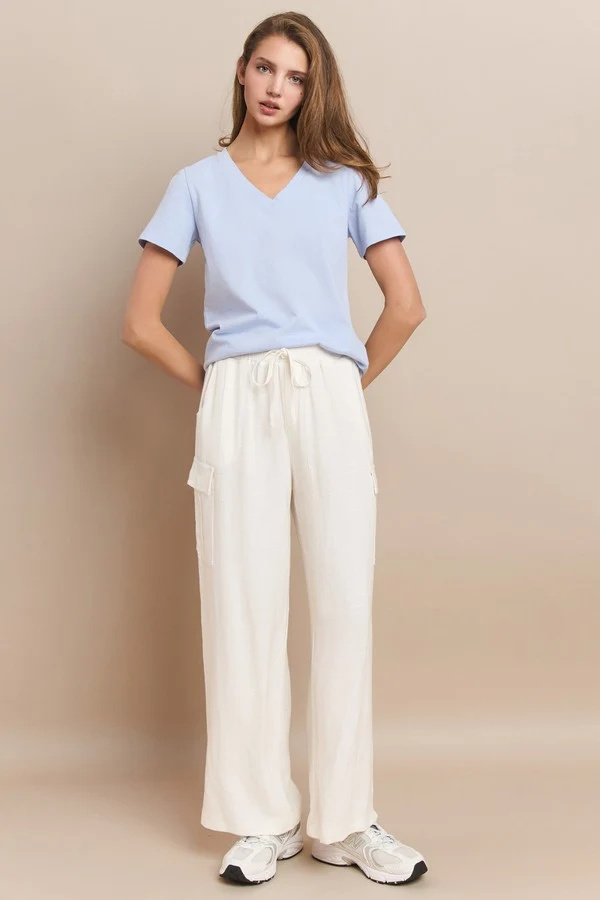
For example, a short-sleeve V-neck tee and straight-leg jeans make a straightforward pairing. If you already know the proportions feel right, you can spend less time deciding and more time getting out the door.
Let the calendar guide the outfit
Think through the day’s settings before getting dressed: a commute, desk time, errands, or an informal lunch may call for different levels of polish. Choose a look that can comfortably bridge the most demanding part of your schedule.
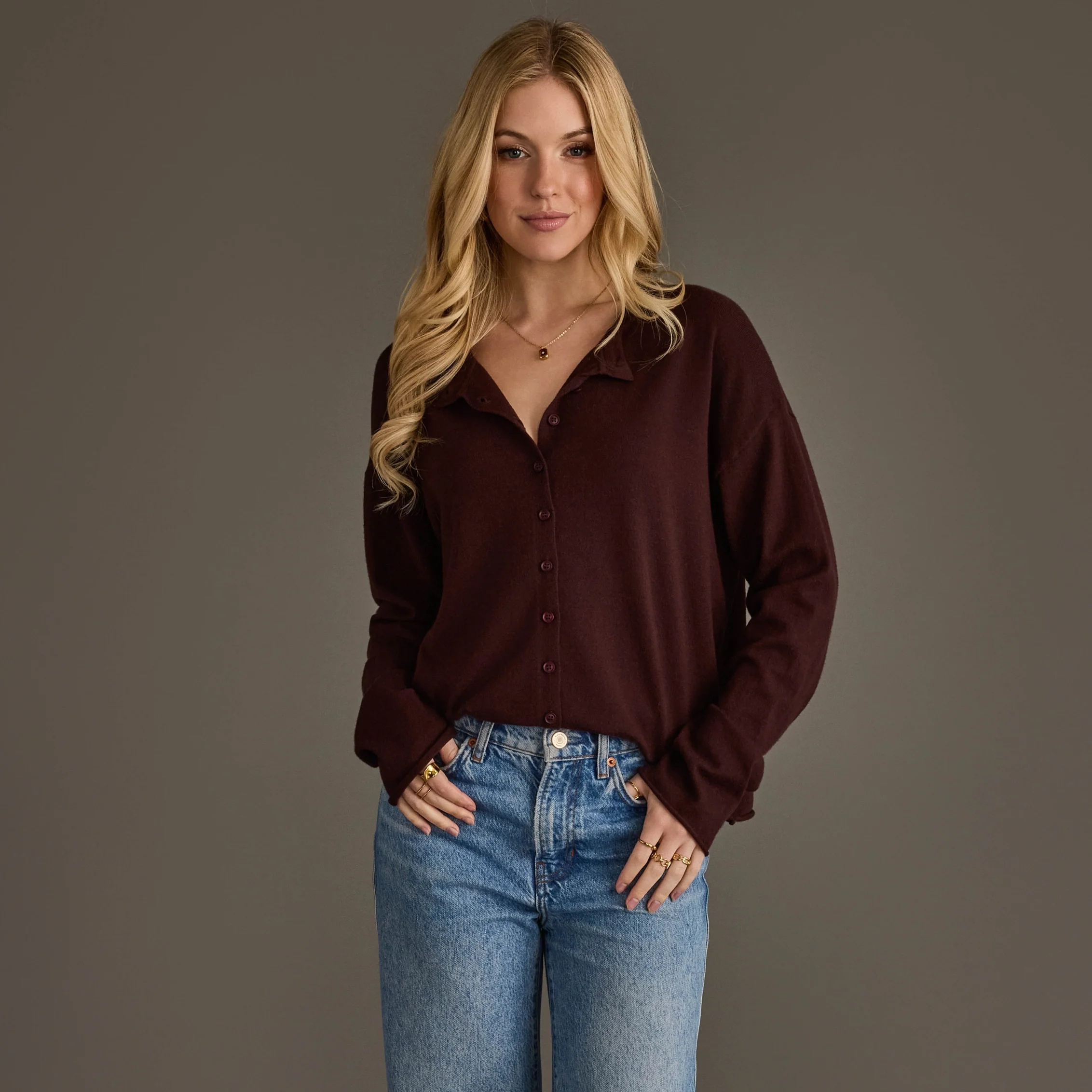
When plans are mixed, keep the base uncomplicated and use one considered change in styling. A neat tuck, a cuffed sleeve, or a more structured layer can shift the impression without requiring a complete outfit change.
Make layering easy to adjust
A light extra layer helps when the morning feels cool or indoor temperatures vary. Keep one option within reach, and choose something that sits comfortably over your base rather than competing with it or making movement awkward.
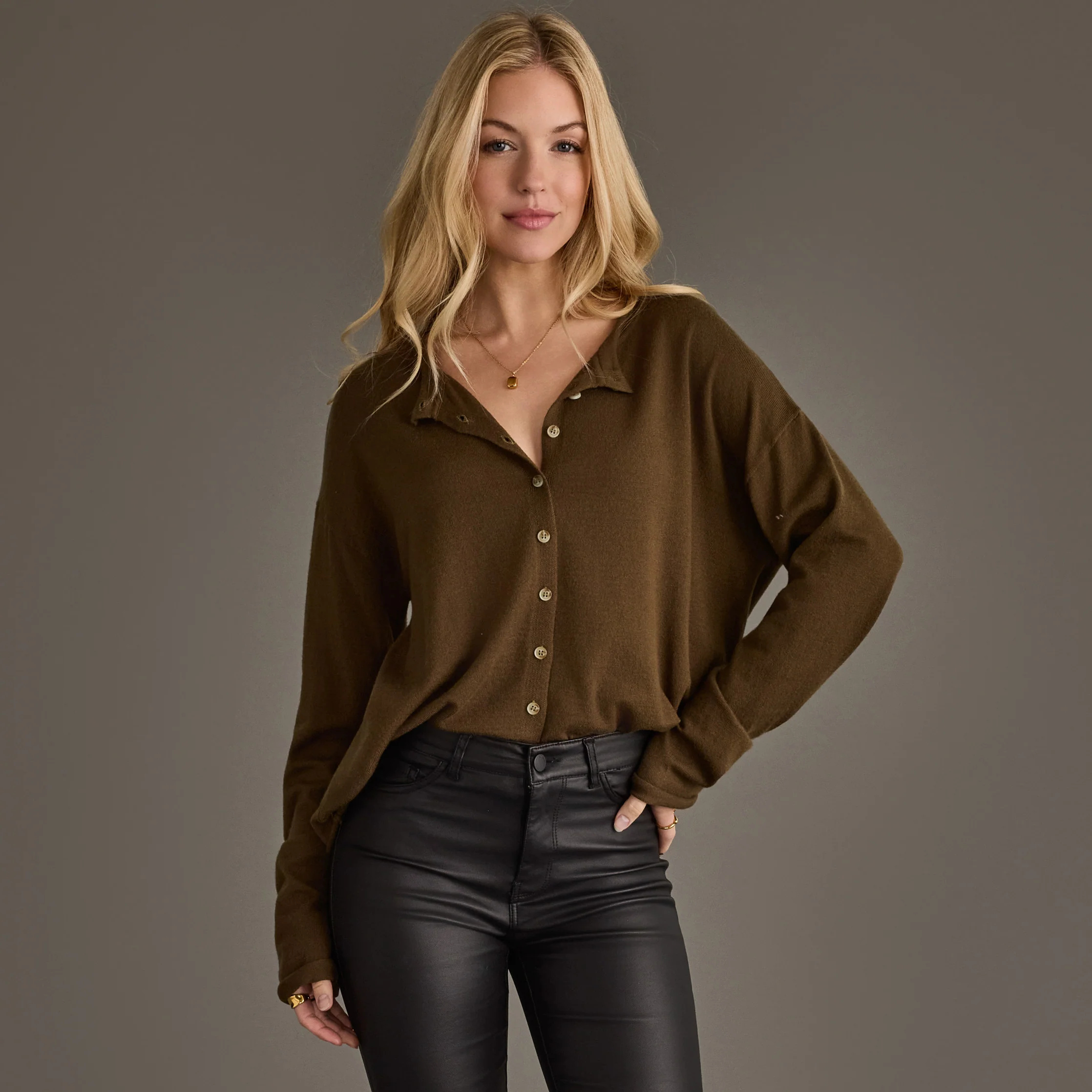
A button-front cardigan can be worn open over a tee or closed when you want it to read more like a top. Check the day’s forecast, too, so your layer is practical rather than merely an afterthought.
Use a small color plan
A simple palette makes separate pieces easier to combine, especially when you are dressing quickly. Start with two or three colors that work together, then repeat one of them in another part of the outfit for a pulled-together effect.
If choosing colors feels like one decision too many, rely on familiar neutrals and add a single shade you enjoy. The goal is not a strict uniform; it is a useful shortcut that still leaves room for personality.
Prepare tomorrow’s choices tonight
A minute of planning in the evening can remove several rushed decisions in the morning. Set out the main pieces together, including the layer you may need, and check that the outfit suits the next day’s activities.
If something needs attention, follow its garment care label and make a conditional plan: only machine-wash it if the label permits, or choose another outfit if it requires care you cannot manage in time. Keep a backup combination nearby.
Choose shoes for the longest stretch
Footwear can determine whether an outfit remains comfortable after the first few hours. Before reaching for a favorite pair, consider how much walking or standing the day involves, then choose a shoe with a stable sole and a fit you already trust. A familiar pair is often a better morning shortcut than testing an untried style on a full schedule.
Keep the outfit’s proportions in view when deciding between flats, sneakers, or a low heel. A tapered or cropped hem can show more of the shoe, while a longer straight leg may sit more neatly over a simple profile. If weather could affect your route, prioritize traction and keep a practical alternative by the door.
Use proportions to make simple pieces feel intentional
A quick proportion check can bring clarity to otherwise basic pieces. If your top is roomy, try a partial front tuck or choose a slimmer bottom; with a closer-fitting top, a fuller trouser or skirt can create balance. These small adjustments change the outline without adding another garment or asking you to rethink the whole look.
Check where hems fall when you stand and sit, especially if you will be moving between settings. A sleeve pushed just below the elbow or a neatly turned trouser cuff can make familiar pieces look deliberate, provided the adjustment stays comfortable. Take a moment at the mirror to check that nothing pulls, bunches, or needs constant correction.
Keep a small rescue kit near the door
A few practical tools can solve minor wardrobe snags before they become reasons to change outfits. Store a lint roller, a small stain-removal cloth, and a spare button in a drawer or pouch near your getting-ready area. Keep the kit simple and use any garment-care product only as its directions allow, testing discreetly when appropriate.
For a loose thread, use small scissors rather than tugging; for a missing button, a safety pin can hold the closure temporarily. Check that a quick fix will not rub against skin or interfere with movement. This is not a substitute for proper repair, but it can help a sound outfit stay presentable until you have time to address the issue.
Dress for a commute without carrying discomfort
Think about what you will carry and how you will move before settling on the final details. If a bag must hold a laptop or daily essentials, check its weight and strap placement with your chosen outer layer; bulky seams can feel uncomfortable under a strap. Keep frequently used items accessible so you are not repeatedly shifting the bag or tugging at clothing.
For a walk, bike ride, or crowded transit, choose hems and sleeves that stay clear of doors, pedals, and handrails. A scarf or loose tie can be secured before you leave, and a long hem should not drag near wet pavement. These small checks make an outfit easier to manage in motion, rather than merely comfortable while standing still.
Busy mornings do not require a complicated wardrobe or a rigid uniform. A reliable base, a useful layer, and a little advance planning can make getting dressed feel more settled. Keep the routine flexible, trust the combinations that work for you, and leave space for the occasional change of mind.