For any garment-care suggestion, follow the individual care label first. Read our care guide.
The best outfit anchor is often the layer you reach for without overthinking: a jacket, cardigan, or shirt-jacket that gives your day a little structure. Instead of dressing around a trend, begin with that one piece and let its proportions guide the rest. A few practical choices—what goes beneath it, what balances it, and where you’re headed—make getting dressed feel easier.
Begin with the layer’s shape
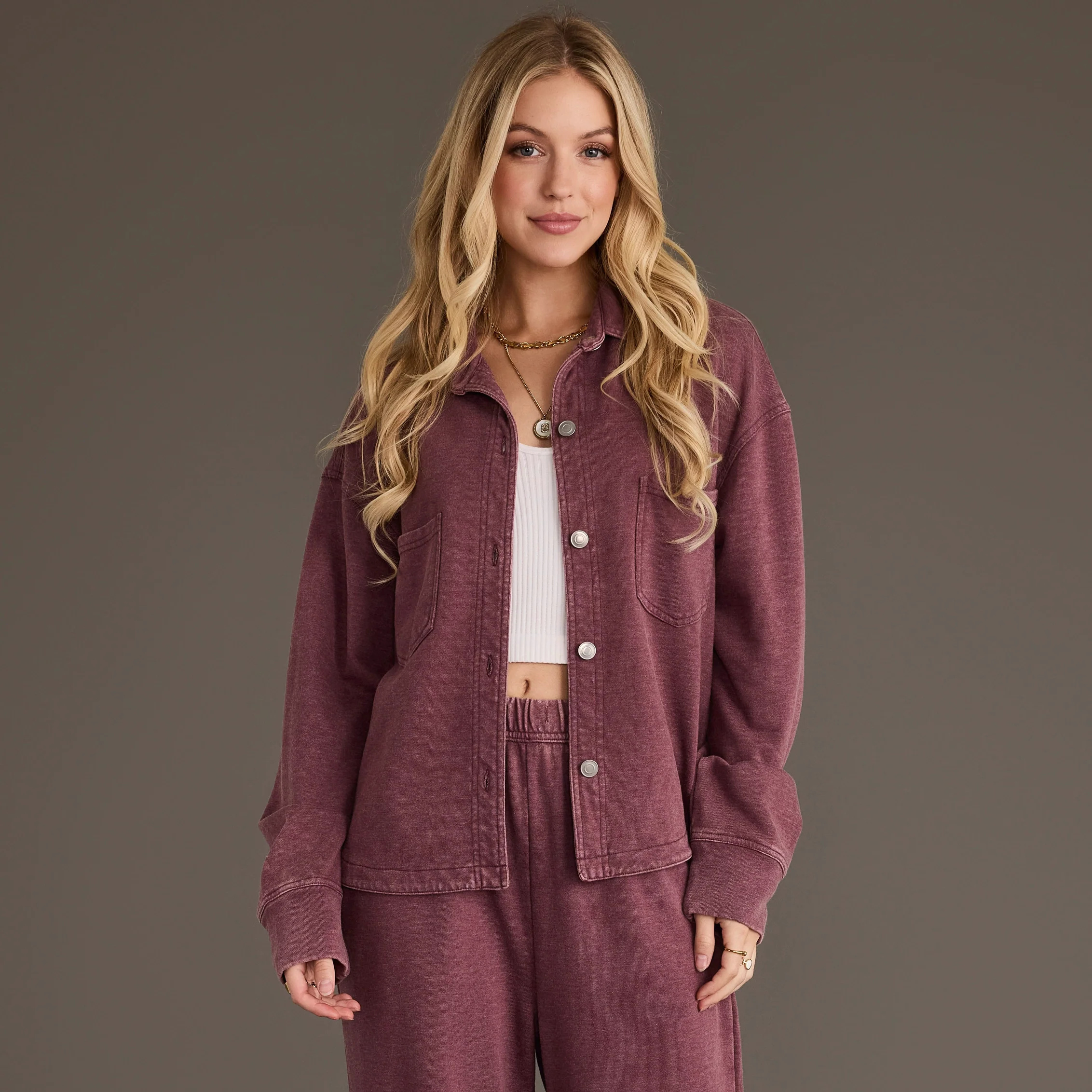
Put the layer on first and notice where its hem lands, how roomy it feels, and whether its shoulders look structured or soft. These clues help you choose pieces that work with its proportions instead of competing with them.
A cropped layer can sit neatly over a longer top or high-rise bottoms, while a longer, relaxed layer may feel balanced with a simpler base. There is no required formula; aim for clear lines and comfortable movement.
Choose a calm base
Let the layer take the lead by choosing a base with a straightforward neckline and a silhouette that feels easy beneath it. A fitted tee, simple knit, or plain top can keep the outfit from looking visually crowded.
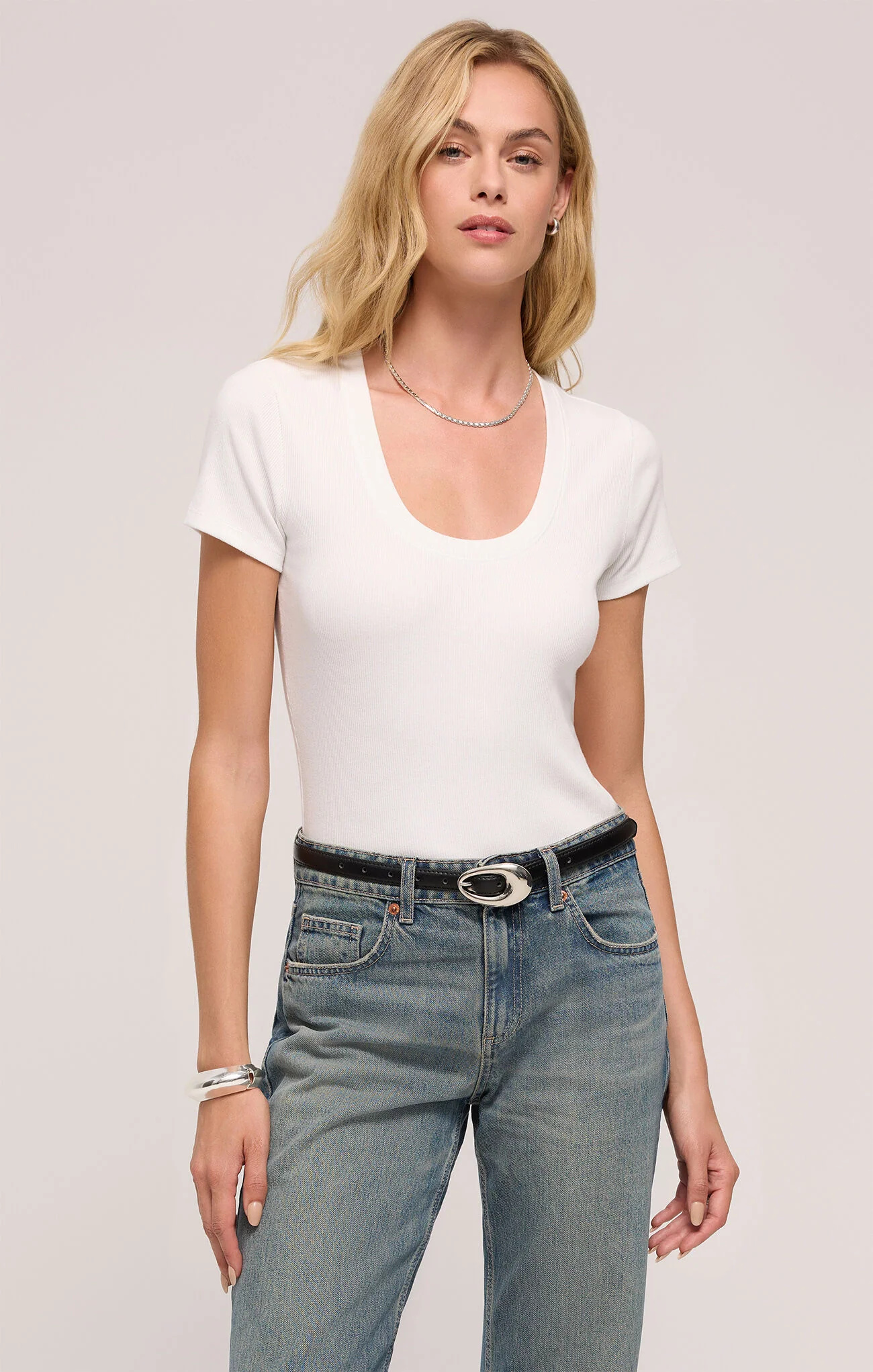
For a specific example, the Sirena Short Sleeve Rib Tee has a fitted silhouette, scoop neck, and cap sleeves. Those details can make it a useful starting point under a roomier layer, without adding another competing shape.
Build a deliberate color story
Pick one color relationship and keep it simple: repeat a shade from your layer in your top, or let neutral pieces give a stronger color room to stand out. Repetition makes separate items feel like a considered outfit.
If your layer already has a pattern or texture, keep nearby colors quiet. With a more minimal piece, try a restrained contrast in the base or bottoms. Check the combination in daylight, where subtle differences are easier to see.
Balance texture and volume
A substantial layer can make a soft, fine-textured base feel especially inviting. If both pieces are bulky, try a cleaner line below—straight-leg trousers, leggings, or another familiar silhouette—to keep the overall shape from feeling heavy.
Texture can be an outfit’s quiet interest, but it does not need to appear everywhere. Pair one tactile layer with smooth, uncomplicated pieces, then let a simple shoe finish the look rather than adding another focal point.
Dress for the day ahead
Think about where you will be and how the temperature may change. A layer should be easy to take off and carry, and the pieces underneath should still feel complete if the afternoon turns warmer.
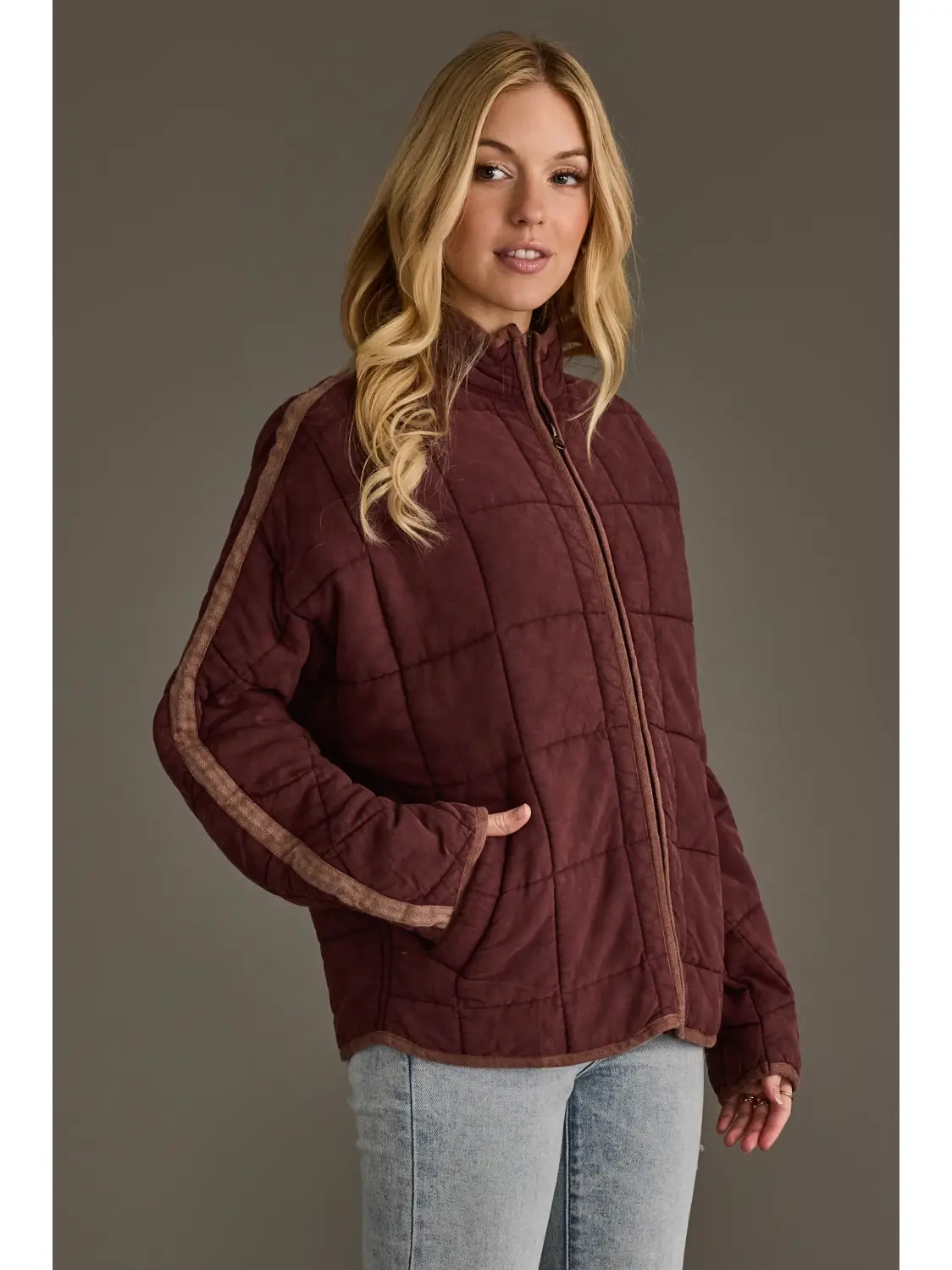
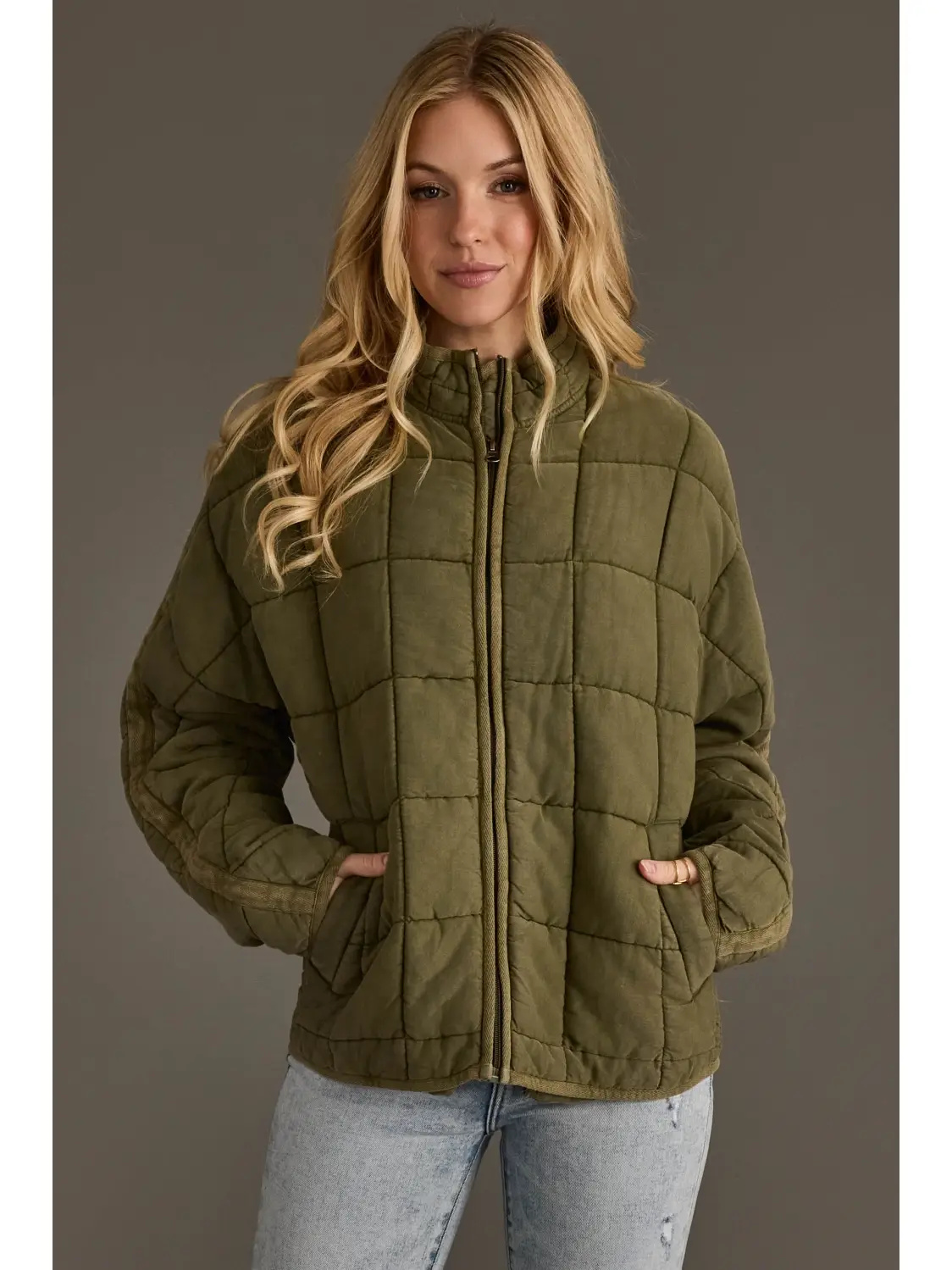
For cooler days, the Quinn Jacket is described as quilted, relaxed, and full-zip, making it an example of a layer that can be adjusted as the day shifts. Keep the rest of the outfit practical for your plans and pace.
Check the outfit from every angle
Before leaving, look at the outfit from the front and side, then sit and move as you would during the day. A layer can shift open, ride up, or bunch at the elbows once you start moving. Adjust closures and sleeves now, and check that the hem of the top beneath stays where you want it.
A full-length mirror is useful, but a quick photo can reveal proportions you miss while dressing. Take one step back and notice whether the layer is obscuring a pocket or folding awkwardly at the waist. Make one small correction at a time; changing several pieces at once makes it harder to see what improved the result.
Choose bottoms for the setting
Let the occasion determine how polished the lower half should feel. Dark, clean-lined trousers can make a familiar layer suitable for a casual meeting, while straight-leg jeans keep it relaxed for errands. If you expect to walk a lot, test the combination with the shoes you plan to wear so the hems fall comfortably and stay clear of the ground.
For a long seated stretch, check that your waistband and pockets remain comfortable under the layer. A tucked top may stay neater, while an untucked one can be easier to adjust; choose the option that feels secure without constant fixing. Keep any visible belt loops and hems tidy, since small details matter when the rest of the outfit is simple.
Make footwear a practical decision
Select shoes for the surfaces and pace your plans involve, then judge how they relate to the layer’s level of formality. Low-profile sneakers keep a casual outfit grounded; a clean loafer or ankle boot can make the same jacket feel more composed. Try the whole combination together rather than deciding from the waist up.
Check that trouser hems do not catch beneath a heel or drag when you walk. If the outfit includes a longer hem, take a few steps and sit down to see whether it stays manageable. Comfort is part of a convincing look: shoes that need constant attention distract from the layer you chose as the anchor.
Keep the layer ready between wears
After wearing a jacket or overshirt, give it a moment of attention before putting it away. Check the care label first and follow its instructions; if the label permits, address a small mark promptly rather than treating the entire garment unnecessarily. Close fastenings before storage so they are less likely to catch on other clothes.
Hang the piece on a hanger that supports its shoulders, or fold it neatly if that better suits its construction and the label’s guidance. Leave enough room for it to keep its shape instead of pressing it tightly between garments. A quick check before the next wear can catch a loose thread or forgotten item in a pocket.
A good layer does not need an elaborate outfit around it. Start with its shape, add a comfortable base, and make one or two choices that support the day. When the pieces feel balanced and like you, the whole look comes together naturally.