For any garment-care suggestion, follow the individual care label first. Read our care guide.
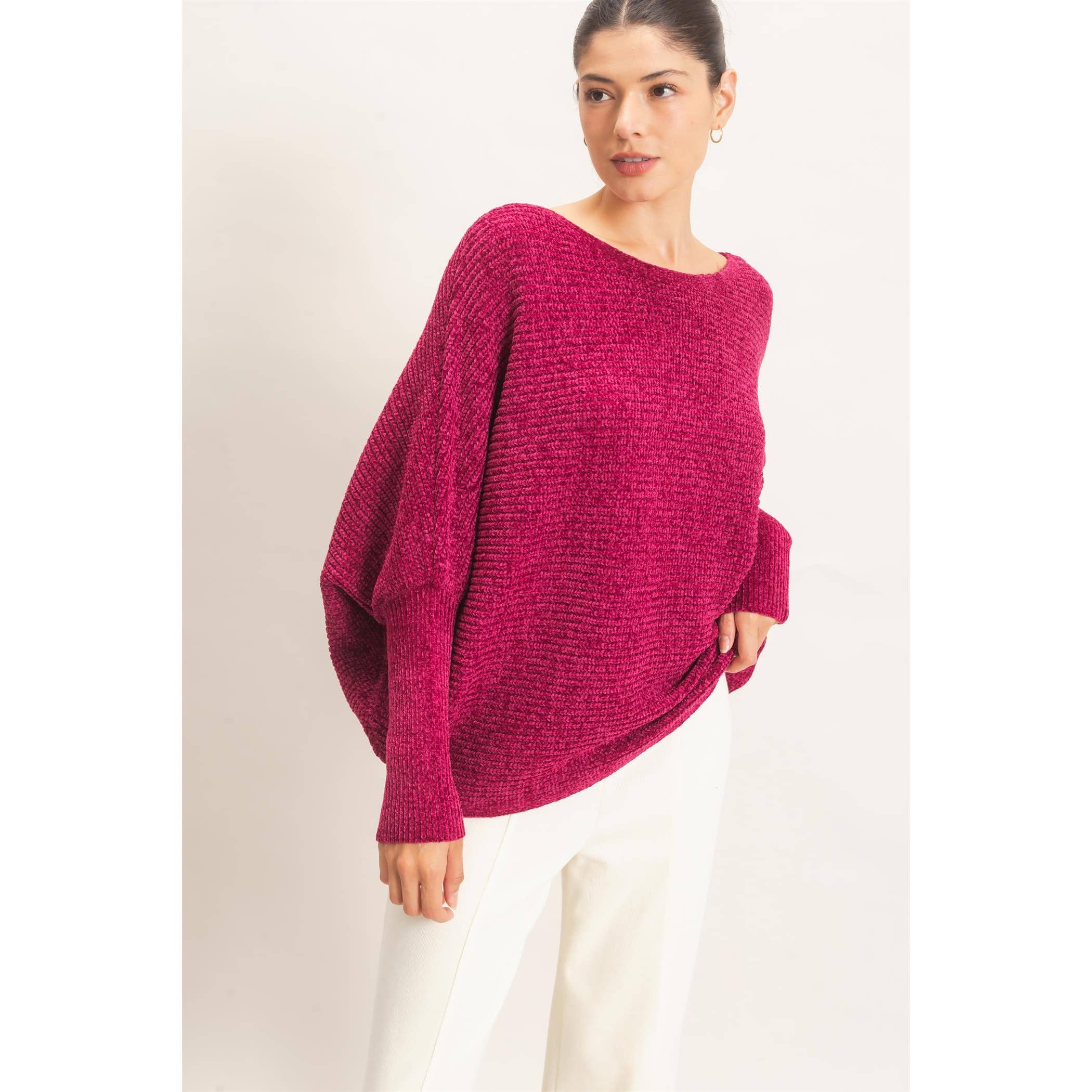
Knitwear brings its own visual language: raised cables, fine ribs, smooth stitches, and softly gathered surfaces can all appear in one outfit without feeling busy. The key is giving each texture room to register. Start with what you already reach for, then make one deliberate contrast at a time. At A Likely Story Boutique, everyday style is most compelling when comfort and consideration meet.
Start with a clear texture contrast
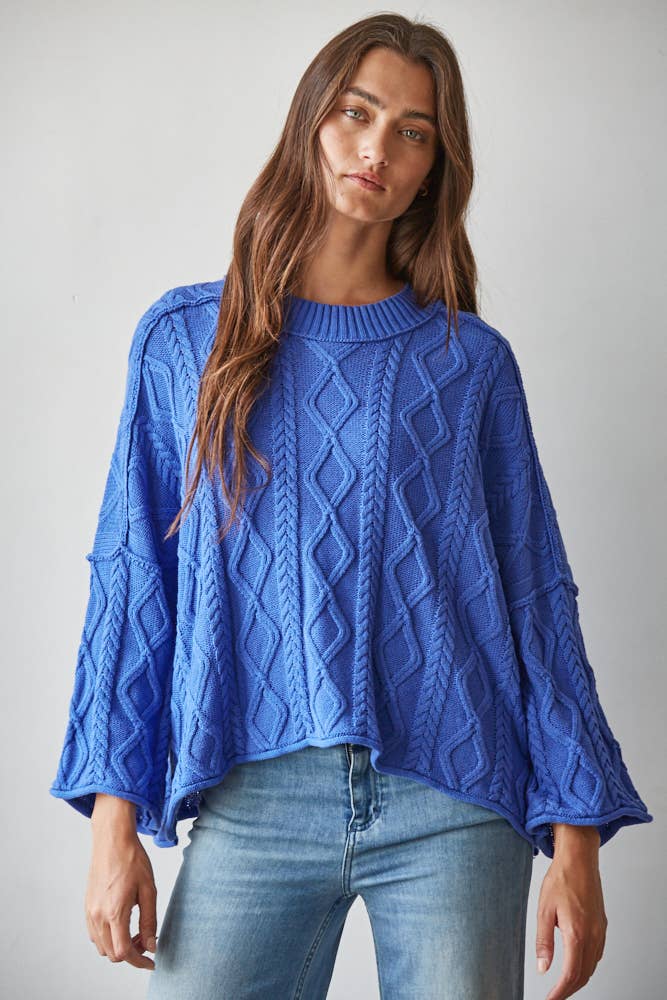
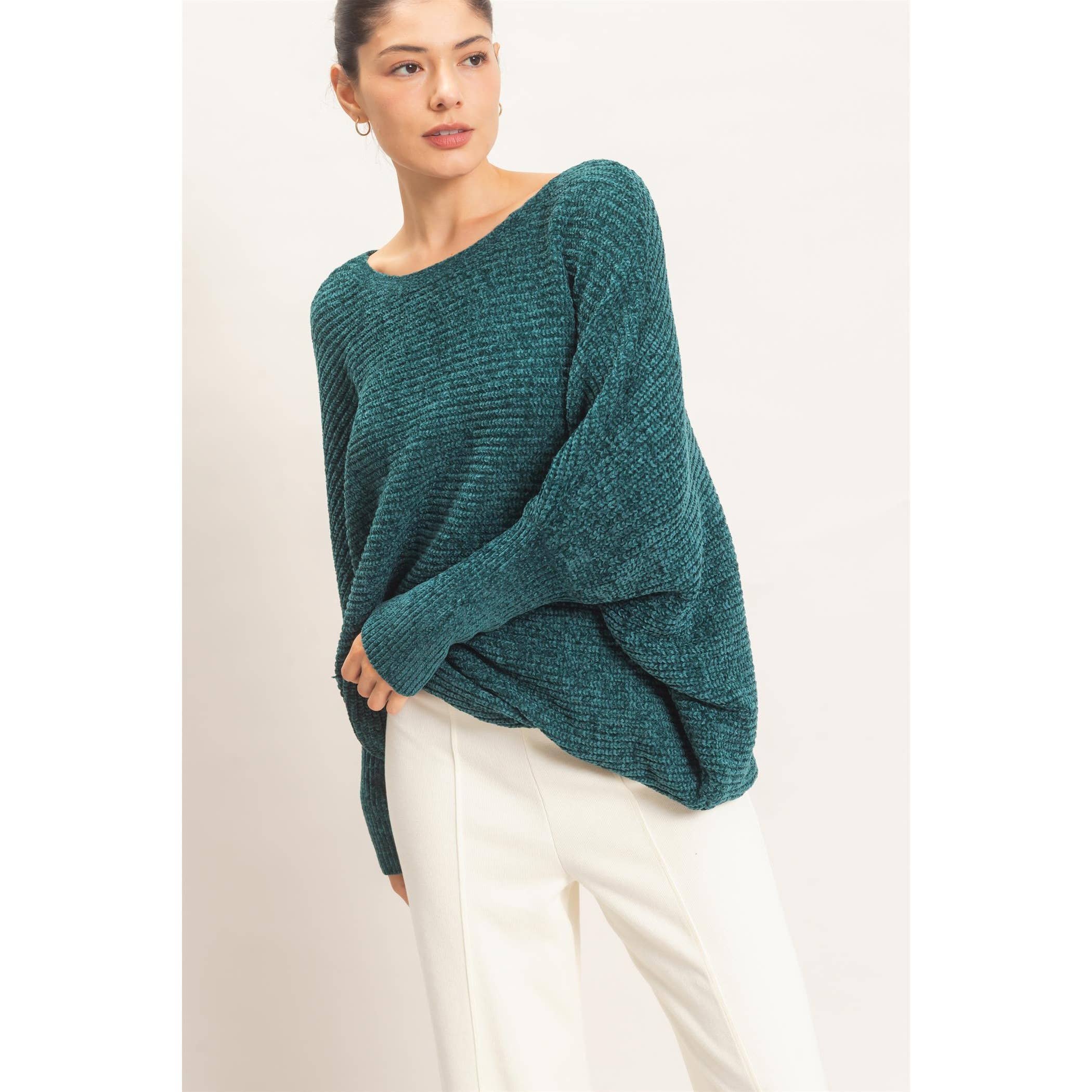
Pair one prominent knit with a quieter companion. A chunky cable sweater, for instance, reads especially well beside smooth denim or a simple woven bottom; the contrast keeps the outfit grounded while letting the stitch pattern become its focal point.
If two knits are involved, vary their scale rather than choosing near-identical surfaces. A fine rib beneath a bolder stitch creates definition at the neckline or cuff. Keep the rest of the look calm, so the difference feels purposeful instead of crowded.
Let texture guide the silhouette
Different stitches can change how an outfit feels visually, even when the shapes are simple. A relaxed, textured top often pairs nicely with a cleaner line below, such as straight-leg trousers or jeans, creating balance without requiring a complicated combination.
For a softer outline, layer a knit over a dress or skirt and allow the hem to move freely. If the sweater has side slits, a small front tuck is another option. Adjust the proportions in a mirror, rather than forcing a single styling formula.
Build a tonal palette with depth
Color can unify contrasting knits. Choose shades from the same family, then let differences in stitch and surface provide interest. Cream, tan, and brown make a warm tonal story; cool blues and gray can create a similarly considered, quieter palette.
A neutral base also gives one stronger shade room to stand out. Repeat that accent in a second small area of the outfit, such as a layer or bag, if it feels natural. The repetition helps the look feel connected without making every piece match.
Use layers to reveal the details
A collar, sleeve edge, or hem peeking from beneath a sweater adds another line and texture. Keep the underlayer slim enough to sit comfortably, and choose a neckline that works with the knit above it. A clean reveal makes layering feel intentional.
Think about indoor warmth and changing weather, too. A light layer under knitwear can be useful when temperatures shift, while an open outer layer lets the stitch pattern remain visible. Remove or add pieces as needed, keeping the outfit comfortable through the day.
Keep the outfit edited and wearable
When several textures compete, simplify the remaining elements. A familiar pair of jeans, restrained color choices, and a straightforward shoe shape can give the eye a place to rest. This is especially helpful when sleeves or stitch patterns already add noticeable detail.
Before heading out, check how the knit sits when you move: reach, sit, and walk a few steps. Smooth any bunching at the layers and adjust a tuck if needed. For garment care, follow the care label; use any additional method only when it suits that garment.
Choose stitches for the day’s demands
Texture choices can support the practical rhythm of a day, not just its appearance. For a long commute or hours at a desk, consider a smooth, close-knit layer beneath a more expressive sweater; it is less likely to snag against a bag strap or feel bulky under outerwear. For mostly indoor plans, a single substantial knit may be enough, with no extra layer to manage.
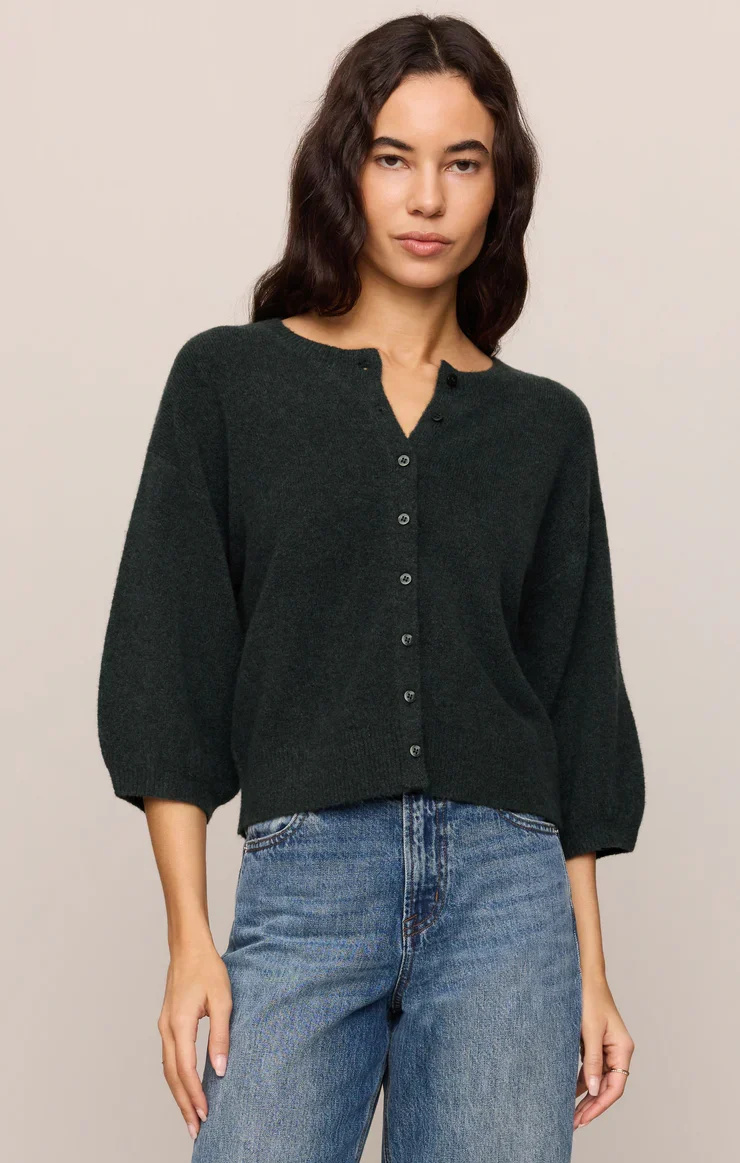
Before dressing, think through the places you will go and how often you may need to add or remove a layer. A ribbed cardigan can be easier to open when a room warms up, while a pullover keeps the front of an outfit uninterrupted. These small choices make a textured combination more comfortable and useful from morning through evening.
Use accessories to finish the texture story
Accessories can connect a knit outfit without adding another layer of clothing. A matte leather belt, a softly structured bag, or a smooth scarf introduces a different surface in a contained area. Choose one or two details that relate to the outfit’s mood, then leave enough open space for the stitches to remain the main visual interest.
Pay attention to where an accessory meets the knit. A narrow belt can define the waist over a sweater dress, while a bag worn crossbody may press a raised stitch pattern flat. If a strap catches or distorts the surface, switch shoulders or carry the bag by its handle. The goal is a considered finish that does not interfere with how the garment wears.
Plan knit combinations around footwear
Shoes influence how a textured outfit reads, especially when the knits are soft or relaxed. A clean, low-profile sneaker gives a casual pairing a crisp finish; a simple ankle boot can make the same sweater and trousers feel more composed. Keep the shoe’s visual weight in proportion to the outfit, so a fine-gauge knit does not feel overwhelmed by a very heavy sole.
Consider the hem and the shoe together before leaving home. Trousers that break neatly above a boot allow the knit texture to stay visible, while a longer hem may work better with a flatter shoe that does not catch the fabric. If you are wearing a skirt, walk and sit to check that the hemline and footwear remain comfortable as the outfit moves.
Refresh combinations with a wardrobe rotation
A small rotation helps you discover more pairings without buying additional knitwear. At the start of a week, set aside two or three knits you already wear often, then make a note of which bottoms and shoes worked with each. Photographing complete outfits can also make useful combinations easier to remember on a rushed morning, especially when different pieces share a similar color but have distinct stitch patterns.
Give each knit time to rest between wears when your schedule allows, and store it in a way that suits the garment. Check the care label before cleaning; follow its directions, and use any extra care method only if it is appropriate for that item. Keeping a simple record of what you wore and how it felt can help identify the combinations that earn a regular place in your routine.
Mixing knit textures is less about collecting contrasts than choosing them with care. Let one surface lead, balance it with simpler shapes, and use color or a visible layer to connect the pieces. A few thoughtful adjustments can turn familiar everyday clothes into an outfit that feels distinctly yours.