For any garment-care suggestion, follow the individual care label first. Read our care guide.
A favorite pair of jeans often earns its place through countless ordinary moments: a coffee run, a long afternoon, an evening that stretches later than planned. Caring for denim well does not require a complicated routine. It means noticing what your particular garment needs, starting with its care label, and choosing gentle habits that suit its fabric and finish.
Let the care label set the rules
Before washing, read the garment’s care label and follow its directions. Denim can include different fibers, finishes, and details, so a routine that suits one pair may not suit another. If the label calls for professional care or gives specific limits, treat those instructions as the starting point.
For a machine-washable pair, check the label for temperature and cycle guidance, then follow it rather than relying on a familiar habit. If you cannot find a label or its instructions are unclear, avoid experimenting with heat or aggressive treatment; seek reliable guidance for that garment first.
Wash with a little restraint
Jeans do not necessarily need washing after every wear. If a pair looks clean and has no noticeable odor or spill, airing it briefly may be enough before wearing it again. Less frequent washing can help limit unnecessary wear, while still leaving room to wash whenever the garment genuinely needs it.
When the label permits machine washing, consider turning jeans inside out and washing them with similar colors. Use a gentle cycle and a modest amount of detergent if compatible with the instructions. Treat stains promptly but carefully, testing any spot treatment in an inconspicuous area when appropriate.
Protect color and finish
Color can change gradually with laundering, especially when denim is washed often or handled roughly. If preserving a particular shade matters to you, wash only as needed, separate darker garments from lighter laundry, and avoid leaving wet jeans bunched together. Always let the care label guide the method.
Distinctive hems, hardware, and other finishing details deserve a quick look before laundry day. Fasten closures if the garment’s instructions allow, empty pockets, and turn the jeans inside out when suitable. A clean, open pocket helps prevent forgotten tissues or small objects from complicating an otherwise simple wash.
Dry gently, then restore the shape
Check the label before choosing a drying method. If it permits tumble drying, follow its temperature guidance and remove the jeans when dry rather than letting them linger in heat. If air drying is allowed, smooth seams and hems, then hang or lay the garment where it can dry fully.
While jeans are slightly damp, you can gently ease the waistband, legs, and hems back into their usual shape by hand. Avoid pulling hard on a raw edge or tugging at a seam. Let the garment finish drying completely before folding or returning it to a closet.
Store and refresh between wears
Give denim room to rest between outings. Fold it along its natural lines or hang it from a sturdy hanger, keeping the closet dry and uncluttered. If a pair feels a little stale but is otherwise clean, air it in a well-ventilated spot rather than automatically sending it to the wash.
Small habits make care feel manageable: check pockets, address a spill before it settles, and notice whether a hem or seam needs attention. At A Likely Story Boutique, denim is part of everyday dressing; a thoughtful routine helps each pair remain easy to reach and ready to wear.
Build outfits around the denim’s proportions
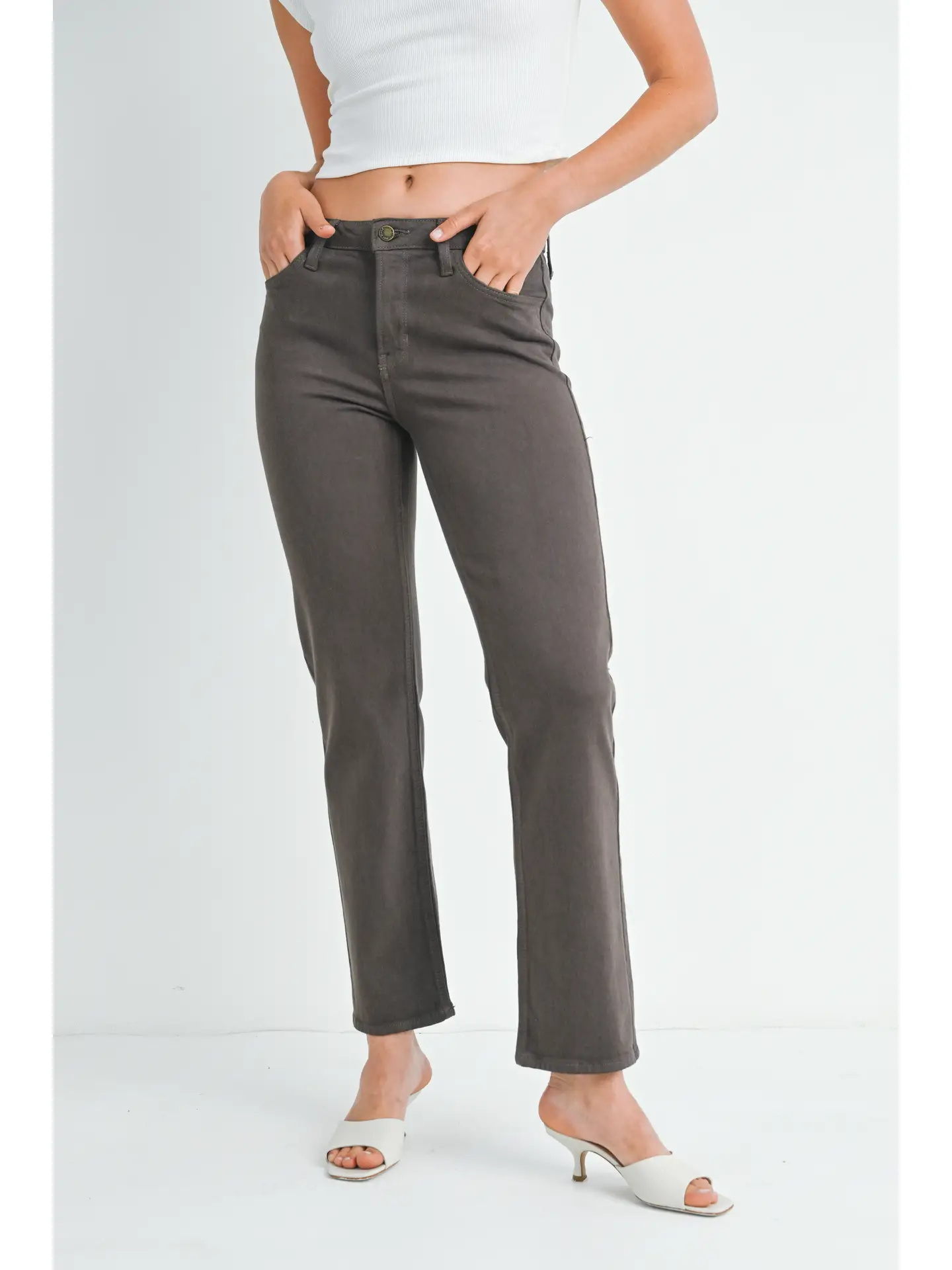
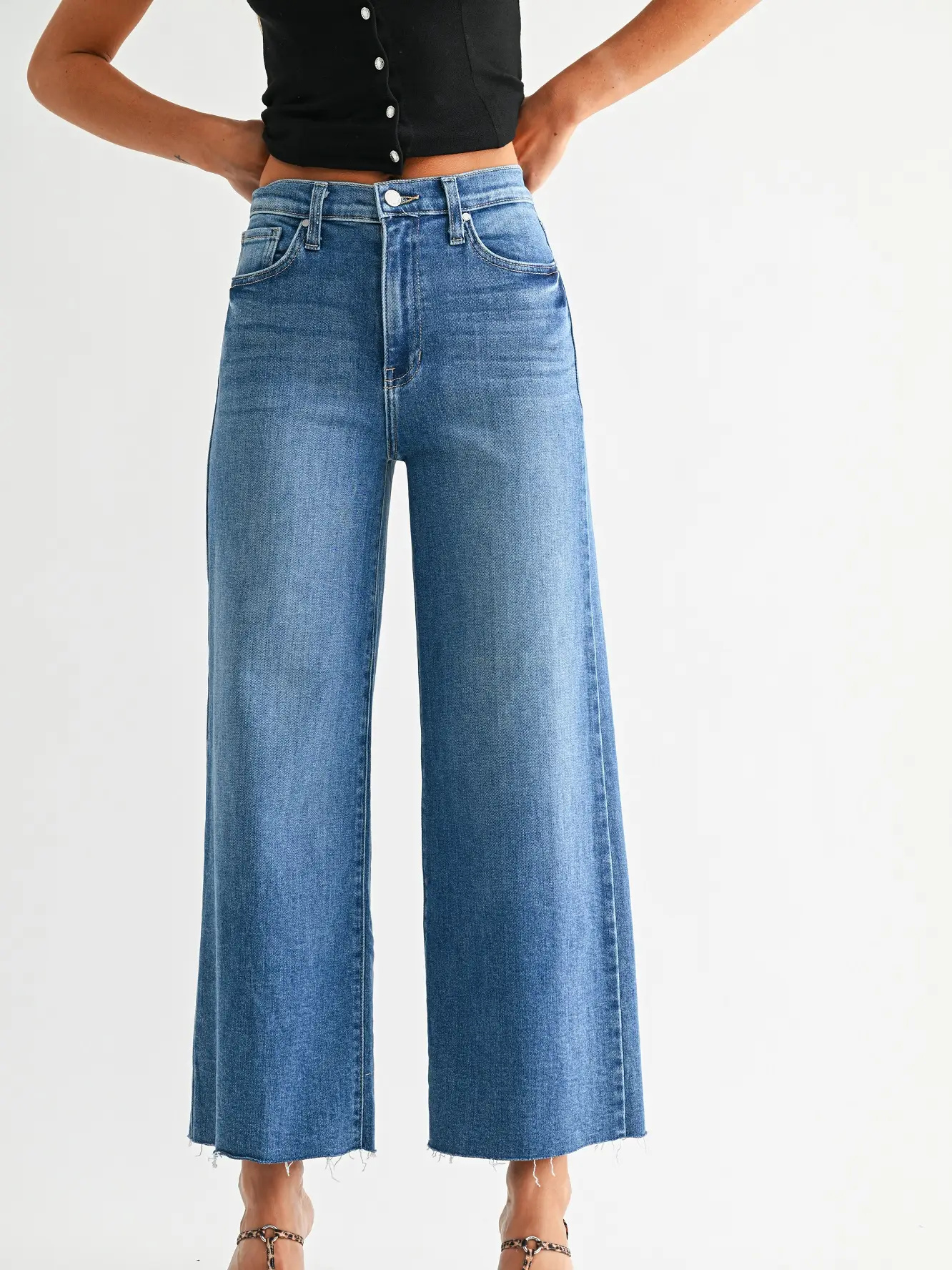
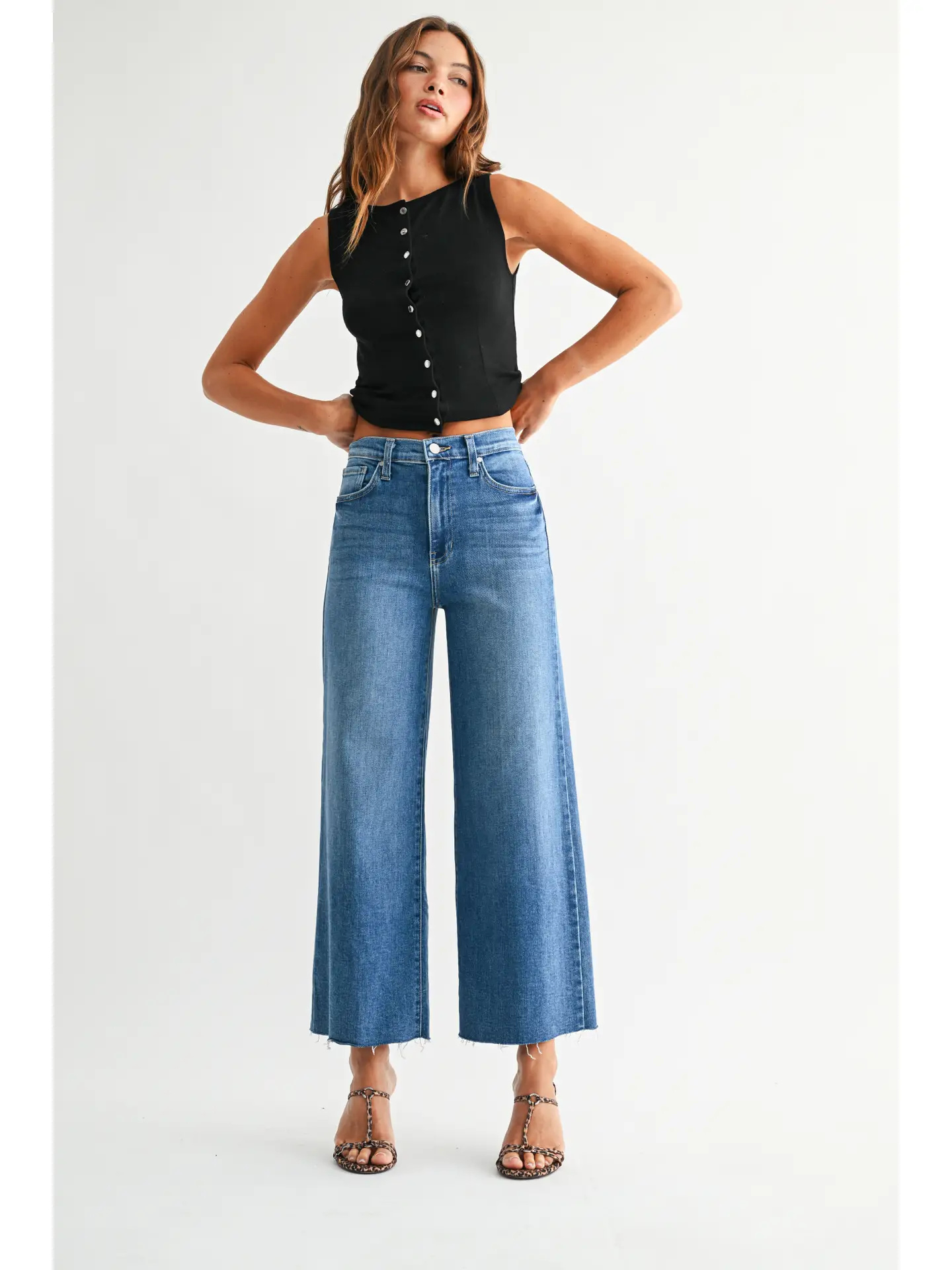
Care is only part of keeping jeans in regular rotation; thoughtful styling helps each pair earn its closet space. For a wide-leg silhouette, balance the volume with a closer-fitting top or a neatly tucked shirt, then choose footwear that shows the hem clearly. A straight leg offers an easy counterpoint to a relaxed sweater or a softly structured jacket.
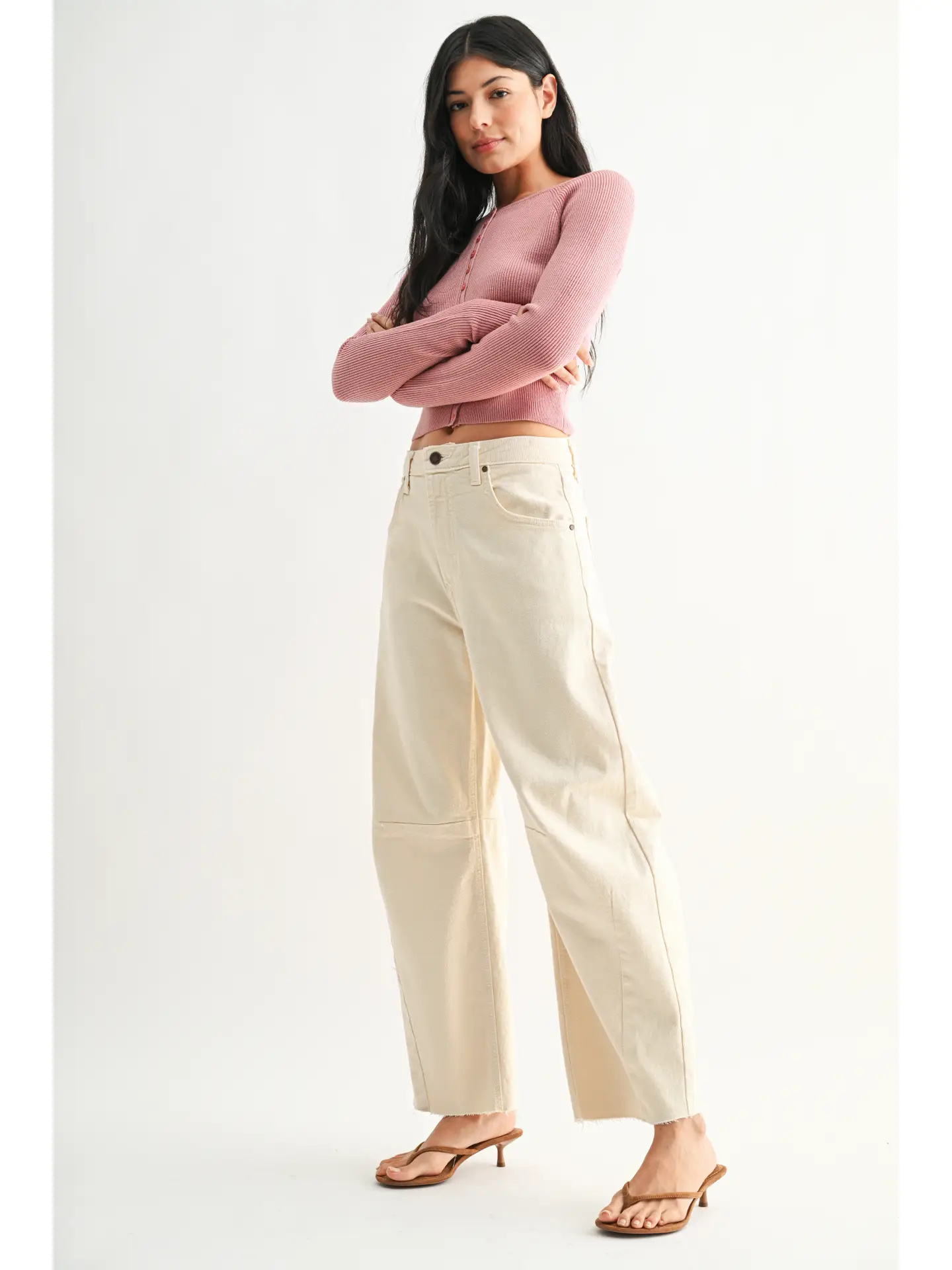
With a barrel shape, keep the outline intentional: try a shorter jacket or a top that defines the waist, and let the curved leg remain the focal point. When you are unsure, compare the full outfit in a mirror from the front and side. Small adjustments to a tuck, cuff, or layer can make the proportions feel considered without changing the jeans.
Choose footwear to suit the hem
The hem and shoe work as a pair, so check their relationship before leaving home. Full-length jeans can skim a shoe, but should not drag across the floor; if they do, choose a different shoe or arrange an appropriate alteration. With cropped or visibly cut hems, a lower-profile shoe can keep the ankle line from feeling crowded.
Try the shoes you expect to wear most often while assessing a new pair’s length. A flat, a boot, and a heeled shoe can change where the hem falls, which may affect whether the jeans stack, break cleanly, or expose the ankle. Keep a note of the most successful combinations so getting dressed does not require repeated trial and error.
Plan alterations before the first wear
A good fit through the waist and seat does not guarantee the ideal leg length. Before arranging a hem, try the jeans with your usual footwear and mark the preferred finished point while standing naturally. Consider whether you want a clean finish, a cuff, or an existing edge retained; the right choice depends on the design and your styling plans.
If a pair has a raw, uneven, or otherwise distinctive hem, ask an experienced alterations professional how a change might affect its appearance before cutting. Bring the shoes you intend to wear and explain how much length you want removed. For minor fit questions, assess sitting, walking, and bending as well as standing, so the adjustment supports real movement.
Rotate pairs with intention
A small rotation can make outfit planning easier without relying on one pair for every occasion. Keep a familiar, comfortable option ready for routine days, and reserve another silhouette for outfits that benefit from a different line or hem. Before choosing, consider where you will be going, how much walking is involved, and whether the setting calls for a more polished combination.
At the start of a week or before a busy stretch, sketch out a few pairings with tops and shoes already in your wardrobe. This is not a rule to follow rigidly; it is a quick way to notice gaps and avoid defaulting to the same outfit. If a pair is uncomfortable or difficult to style, identify the specific issue before deciding whether it needs an adjustment or a new role.
There is no single denim-care recipe for every pair. Read the label, wash only when needed, and choose drying and storage habits that respect the garment in front of you. With a few deliberate choices, jeans can keep their place in your everyday rotation without making laundry day a production.