For any garment-care suggestion, follow the individual care label first. Read our care guide.
A garment care label is more than a small strip of symbols tucked into a seam: it is the best starting point for deciding what a piece can tolerate. Reading it carefully can help you avoid shrinkage, fading, stretching, or needless wear. Begin with the written instructions, then decode each symbol and consider how the garment is made. If directions are missing, unclear, or seem to conflict, pause rather than guessing. This guide explains the main label elements, how they work together, and when a gentler choice or professional advice may be appropriate.
Start with the written care instructions
Find the care label before sorting the garment. Instructions such as “hand wash cold,” “machine wash,” or “dry clean” describe the permitted approach more directly than a vague assumption based on how a fabric feels. Read every line, including notes about temperature, handling, and drying, before preparing a wash.
Treat the label as the garment-specific authority, not a suggestion to override because a similar item survived another routine. If it offers more than one method, follow the wording and any conditions attached to it. When the text is faded or incomplete, avoid choosing a harsher method simply for convenience.
Decode the five core symbol families
Most care systems group symbols by task: a wash tub covers washing, a triangle covers bleaching, a square covers drying, an iron covers pressing, and a circle relates to professional cleaning. The shape tells you which stage the instruction concerns. Look at each symbol separately before combining the directions into a full routine.
A mark through a symbol generally means that treatment is prohibited; dots, lines, and added letters can refine the instruction. Symbol conventions can vary by labeling system, so use any printed explanation on the garment when available. If a symbol is unfamiliar, check a reliable care-symbol reference rather than interpreting its appearance by guesswork.
Read wash temperature and cycle limits
A wash tub may contain a number, dots, or a hand. These details indicate the permitted water temperature or a hand-washing method; bars beneath the tub can signal a gentler process. Follow the indicated maximum rather than treating it as a target that must always be reached.
Even when a label allows machine washing, it may limit the cycle or water temperature. Choose only a setting consistent with those directions, and do not infer washability from a fiber name alone. If the label says hand wash, do not replace that instruction with a delicate machine cycle unless the manufacturer explicitly allows it.
Understand bleach directions
The triangle addresses bleaching, a separate decision from washing. An empty triangle permits bleach under the applicable system; lines or letters can restrict the kind of bleach, while a crossed-out triangle means do not bleach. Confirm the exact symbol meaning before adding any bleaching product.
When bleach is prohibited or its instruction is unclear, leave it out. A stain does not cancel the label’s restriction, and spot-testing cannot establish that a prohibited treatment is safe for the whole garment. Follow the wash and stain-care directions together, using only methods the label permits.
Choose a drying method from the square
A square points to drying instructions. A circle inside it concerns tumble drying, while lines or other marks may indicate a different way to dry. A crossed-out tumble-dry symbol means the dryer is not permitted. Use the full symbol, including dots and bars, to identify any heat or cycle limits.
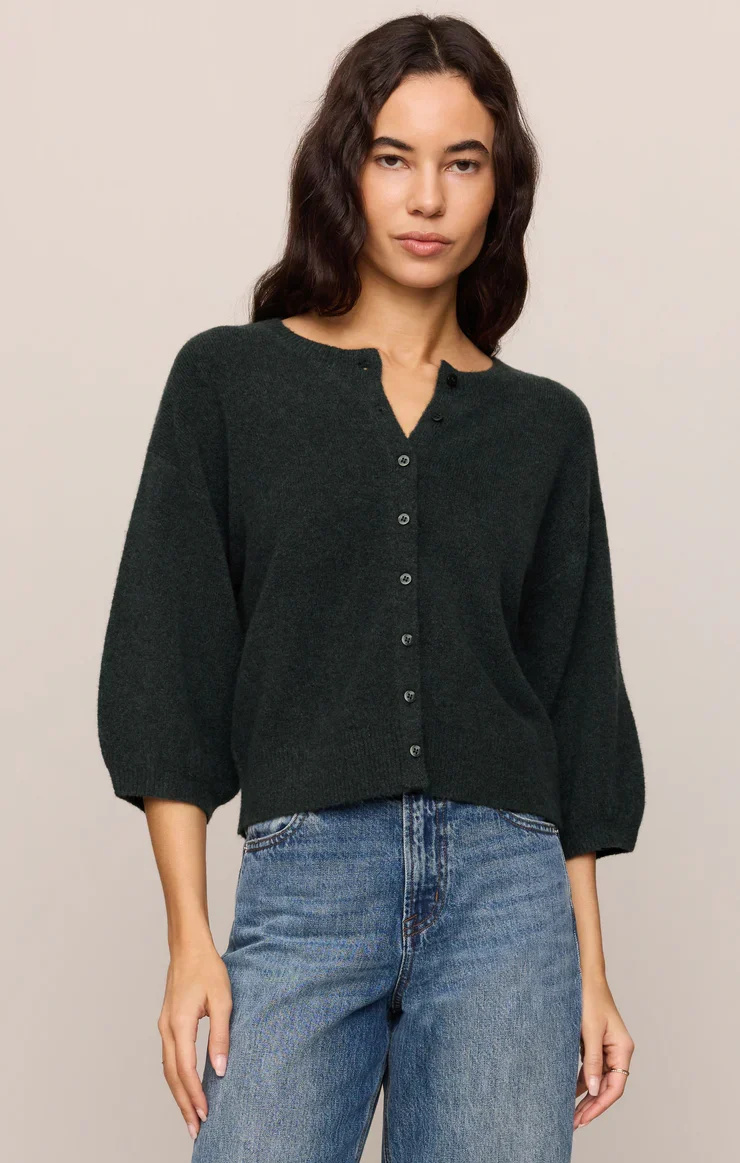
Do not assume that air-drying is automatically harmless: a label may specify how a garment should be laid, hung, or shaped. If it says to reshape and lay flat, support the garment in that form as it dries. For example, the Valor Cardigan’s supplied instructions say to hand wash cold, reshape, and lay flat to dry, or dry clean.
Interpret ironing and heat warnings
The iron symbol explains whether pressing is allowed and how much heat may be used. Dots commonly mark increasing temperature levels, while a crossed-out iron prohibits ironing. Steam-related marks can add another limit. Check the entire symbol and any written note before placing a heated iron against the fabric.
When ironing is permitted, keep within the label’s setting and avoid adding steam if the symbol excludes it. If the garment carries no clear pressing instruction, do not assume that a low setting is safe for every material or finish. A pressing cloth or a hidden-area test cannot replace an explicit restriction.
Know when the circle calls for professional care
A circle usually concerns professional cleaning, and letters inside it can give a cleaner information about suitable processes. A crossed-out circle indicates a restriction. If the label says dry clean, respect that direction rather than substituting a home wash, especially when the garment’s structure or finish is unfamiliar.
Some labels present professional cleaning as an option alongside another permitted method. Read the complete wording to understand whether the alternatives are conditional. If the garment’s instructions are damaged, or you cannot confidently identify the method, ask a qualified cleaner to assess it before treatment.
Combine the symbols into a safe laundry plan
Read the label from washing through finishing, checking that each step fits the next: an allowed wash does not imply that tumble drying or ironing is also allowed. Separate garments according to compatible instructions, and select a routine that stays within the strictest relevant limits rather than blending directions from different pieces.
When a label gives alternatives, choose among them only as written. If instructions conflict, symbols are illegible, or a garment has an unusual feature not covered by the label, stop and seek informed advice. Keeping a clear record of each item’s label instructions can also prevent repeated decoding mistakes.
Knowing how to read garment care labels turns a row of symbols into a practical sequence: wash as directed, respect treatment limits, and choose only an approved drying or finishing method. Check the complete label each time, especially before using heat or bleach. If the instructions are missing or uncertain, pause and seek qualified guidance rather than risk a wash that cannot be undone.