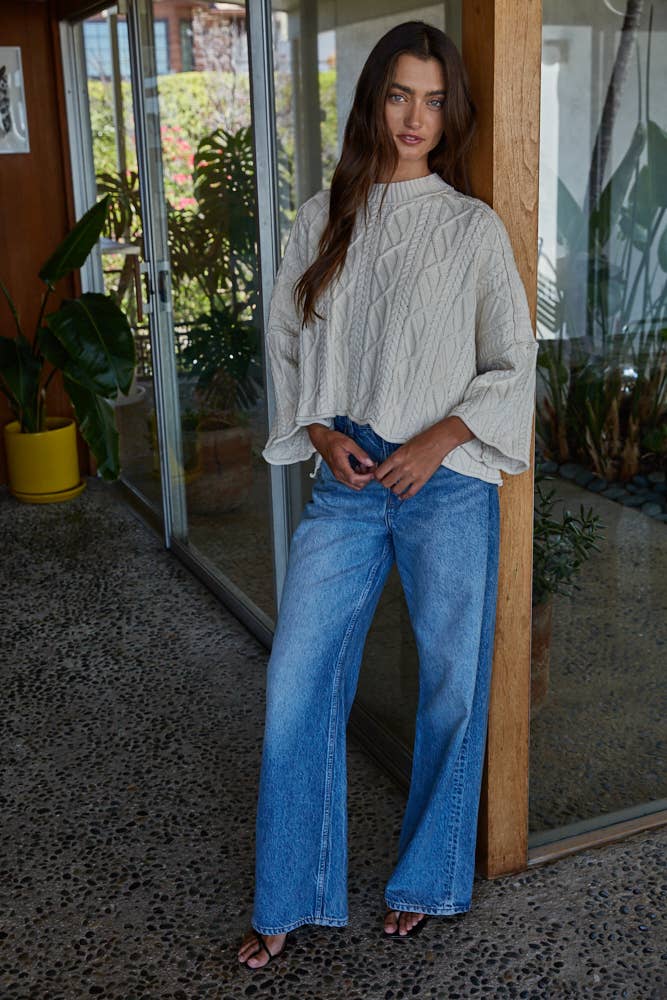
For any garment-care suggestion, follow the individual care label first. Read our care guide.
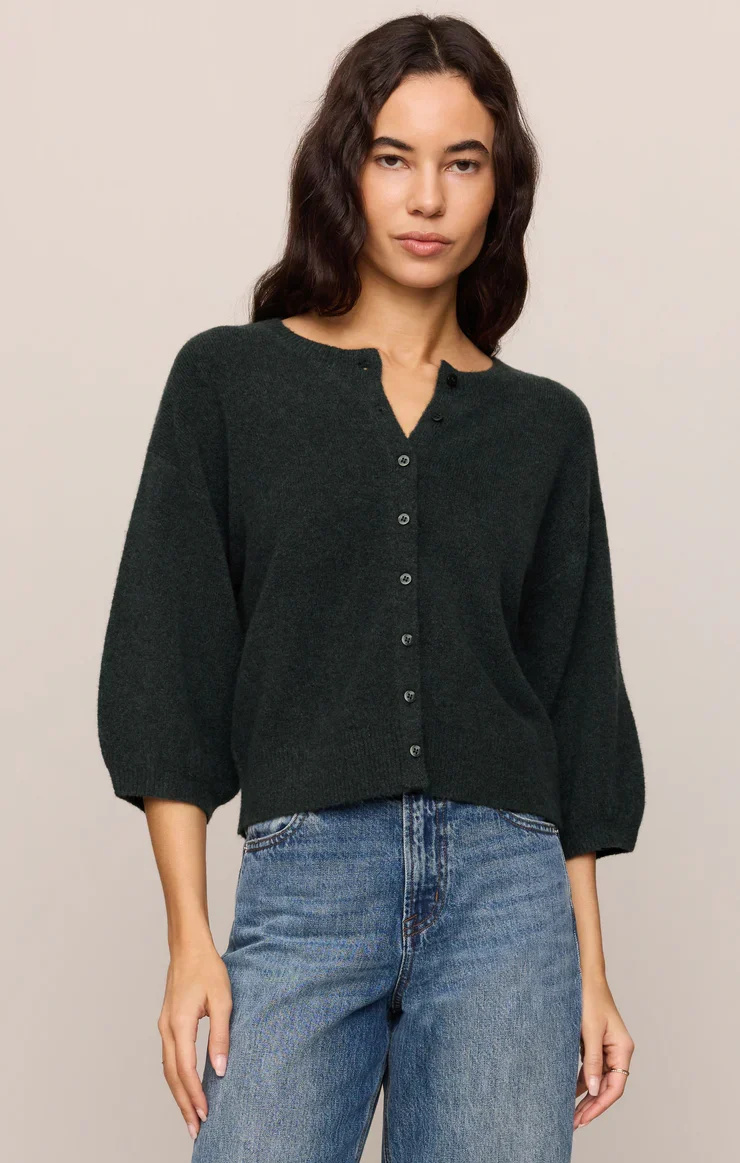
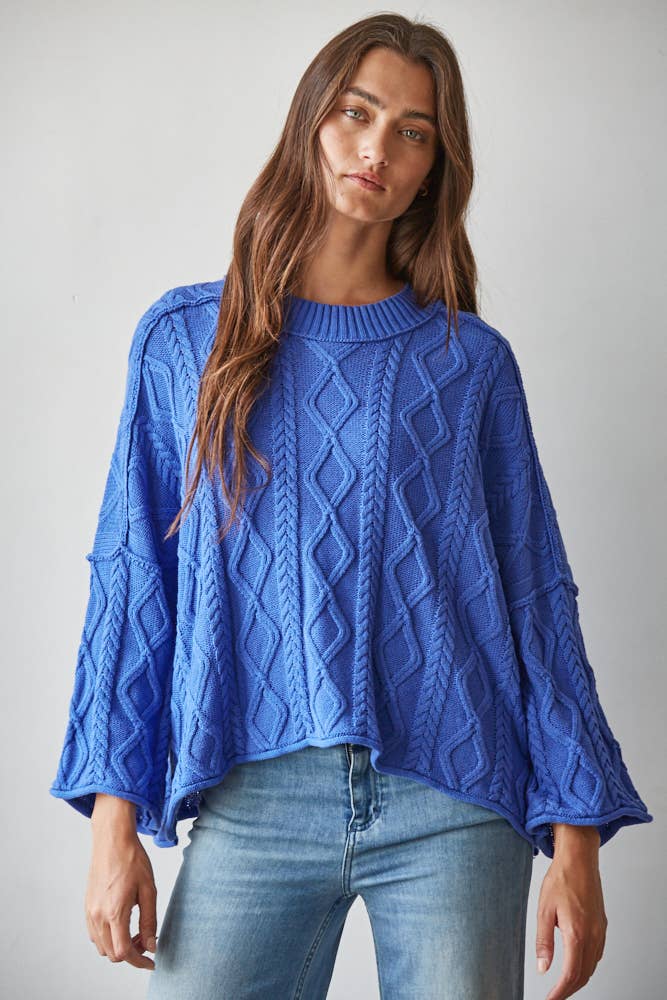
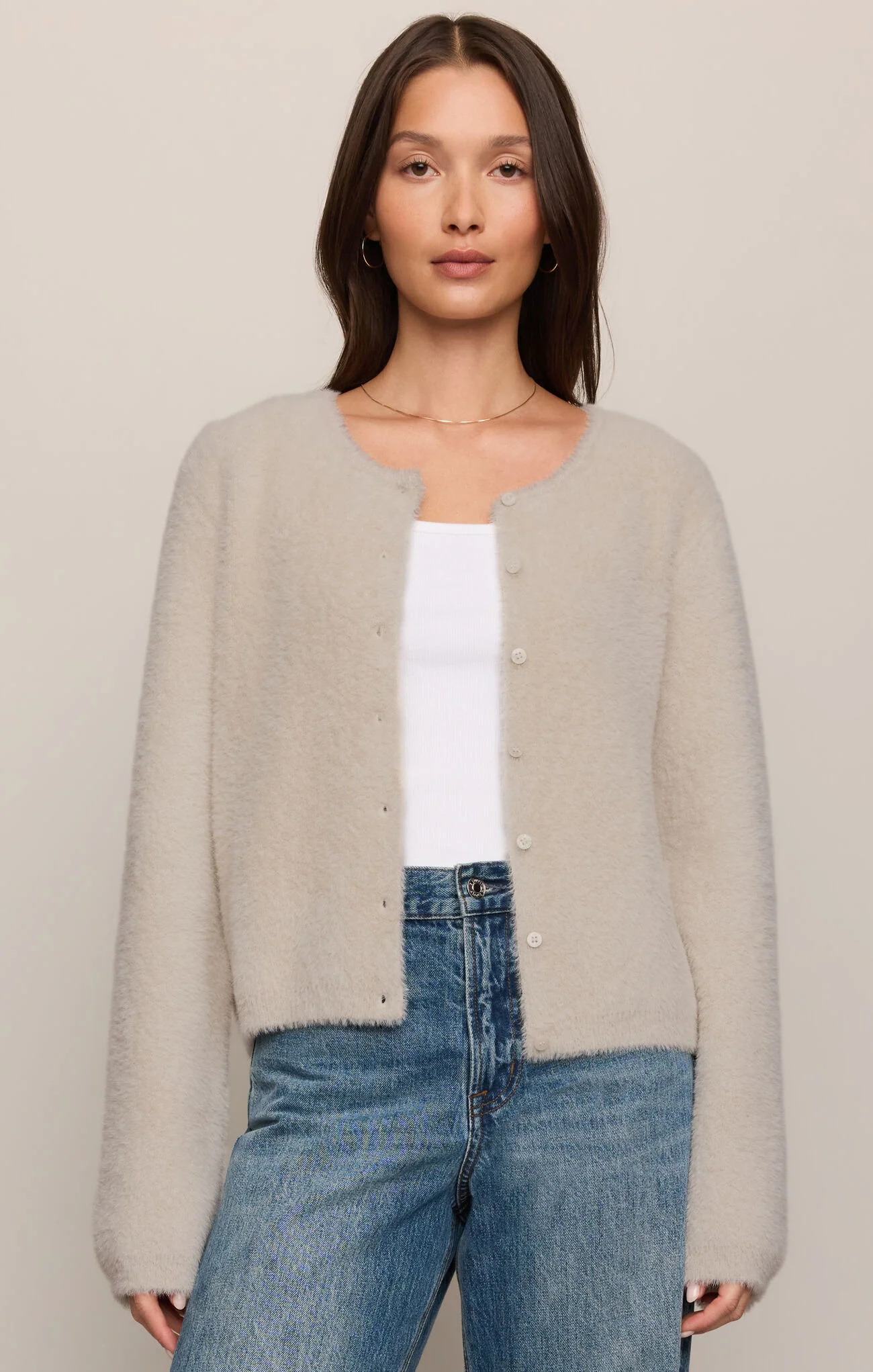
Knitwear brings softness and texture to everyday dressing, but its care is not one-size-fits-all. A fine cardigan, a structured cable-knit pullover, and a fluffy layer may respond differently to water, movement, and heat. Begin with the garment’s own care label, then choose a gentle routine that respects its instructions. At A Likely Story Boutique, we believe a little attention between wears can help make getting dressed feel easier and more considered.
Read the label before making a plan
Check the care label before washing, even if a familiar-looking knit seems straightforward. Look for the recommended method, water temperature, drying directions, and any warning against particular treatments. If the instructions call for dry cleaning, follow them rather than substituting a home wash.
When the label is missing or difficult to read, avoid guessing. Consider asking a qualified cleaner for guidance, especially for a treasured piece or one with a delicate texture. Keep a note of the advice alongside your wardrobe records so the next care day feels less uncertain.
Prepare a gentle wash
If the label permits washing at home, sort knits by color and follow its temperature and cycle guidance. Hand washing may suit some garments; others may allow a gentle machine cycle. Use a clean basin or suitable wash setting, and avoid crowding pieces together so they can move without unnecessary friction.
Support a knit while lifting it from water, since wet fabric can feel heavier and stretch more easily. Press out excess water gently instead of twisting or wringing. A clean towel can help absorb moisture: lay the garment on it, roll the towel loosely, then unroll without pulling at the shape.
Dry for shape, not speed
Follow the label’s drying instructions just as closely as its washing directions. If it says to lay the garment flat, arrange it on a dry towel or a suitable flat surface, smoothing the edges and sleeves into their natural outline. Turn it occasionally if needed so damp areas can dry evenly.
Avoid hanging a wet knit unless its care directions specifically permit it; gravity may tug on the shoulders or length. Keep it away from direct heat and do not assume a dryer is safe. Patience matters here: let the piece dry fully before folding or returning it to a closet.
Refresh between wears
A knit does not necessarily need washing after every wear. If it is clean, air it out between uses and allow it to rest before wearing it again. This simple pause gives the fabric time to recover from being folded, layered, or carried through a busy day.
For a small surface mark, check the label before spot-treating. If it allows gentle cleaning, test a discreet area first and dab rather than rub. For persistent marks, uncertain fibers, or a textured surface you would rather not risk, seek professional advice instead of escalating with stronger products.
Store without crushing the texture
Once completely dry, fold most knits rather than suspending them from a hanger, which can leave pressure points or pull at the shoulders. Make a relaxed fold that does not force sleeves into sharp creases. Keep heavier pieces below lighter ones so the stack does not compress delicate textures.
Before putting a garment away for a longer stretch, check that it is clean and fully dry. Choose a cool, dry storage spot, and leave room for air to circulate rather than packing the shelf tightly. When the season turns, unfold pieces gently and let them settle before building an outfit.
Build outfits around knit proportions
Use the garment’s cut to decide what sits beside it, rather than adding layers by habit. A fuller or boxier knit often looks balanced with a straighter trouser or a clean skirt line; a closer-fitting layer can work under a more generous jacket. Check the outline in a mirror from the side as well as the front, adjusting hems and sleeves until the layers feel intentional.
For a knit with a shorter sleeve, let a shirt cuff show only if it lies smoothly and does not bunch at the elbow. With longer sleeves, push them up gently for a relaxed look instead of repeatedly tugging at the fabric. Keep bulky collars from competing: a simple neckline underneath can make textured stitches the focus without making the outfit feel crowded.
Choose layers for changing temperatures
Plan a knit outfit around the conditions you expect indoors and out. On a mild day, wear a lighter layer over a breathable base, with a jacket available for the commute. If a room is likely to be warm, choose pieces that can be removed without disturbing the rest of the outfit, and consider how each layer will sit when carried over an arm.
Avoid relying on a thick knit as your only answer to fluctuating weather. A shirt or other comfortable base can help keep the outfit adaptable, while a coat adds coverage outside. Before leaving, sit, reach, and move in the complete combination; a neckline that shifts or sleeves that catch under outerwear can be easier to address at home than later.
Pack knits for a short trip
Start with the care label and make sure each garment is clean and fully dry before packing. Fold knits along natural lines, then place them near the top of a suitcase or between smoother, lighter items rather than beneath rigid objects. Keep shoes and toiletries separate, and use a clean packing pouch if it helps prevent snagging against zippers or rough surfaces.
Choose travel knits that can make more than one outfit, but avoid packing a piece solely because it seems easy to care for; its own instructions still apply. On arrival, unpack promptly and lay each item over a chair or shelf while you settle in. If a fold remains, let the garment rest naturally before dressing rather than applying heat or pulling the fabric into shape.
Respond to pills and snags cautiously
A small surface pill can appear where a knit rubs against a bag strap, seat belt, or adjacent layer. First check the care label and assess the fabric in good light; do not pull pills away by hand, since that can draw out surrounding yarn. If you choose a fabric tool, test it on an inconspicuous area and use only a method appropriate to the garment’s construction.
For a loose loop or snag, resist the urge to cut it or tug it through the surface. Stop wearing the garment until you can assess the loop, and ask a professional repairer for help if the yarn is damaged or the stitch is complex. For future outfits, notice where straps and rough closures contact the knit, then adjust the layering or carry position to reduce repeated friction.
The most reliable knitwear routine is both simple and specific: read the label, follow its directions, and handle each garment with patience. A few careful choices—from washing only when appropriate to folding after drying—help preserve the shape and character that make a favorite layer feel like yours.