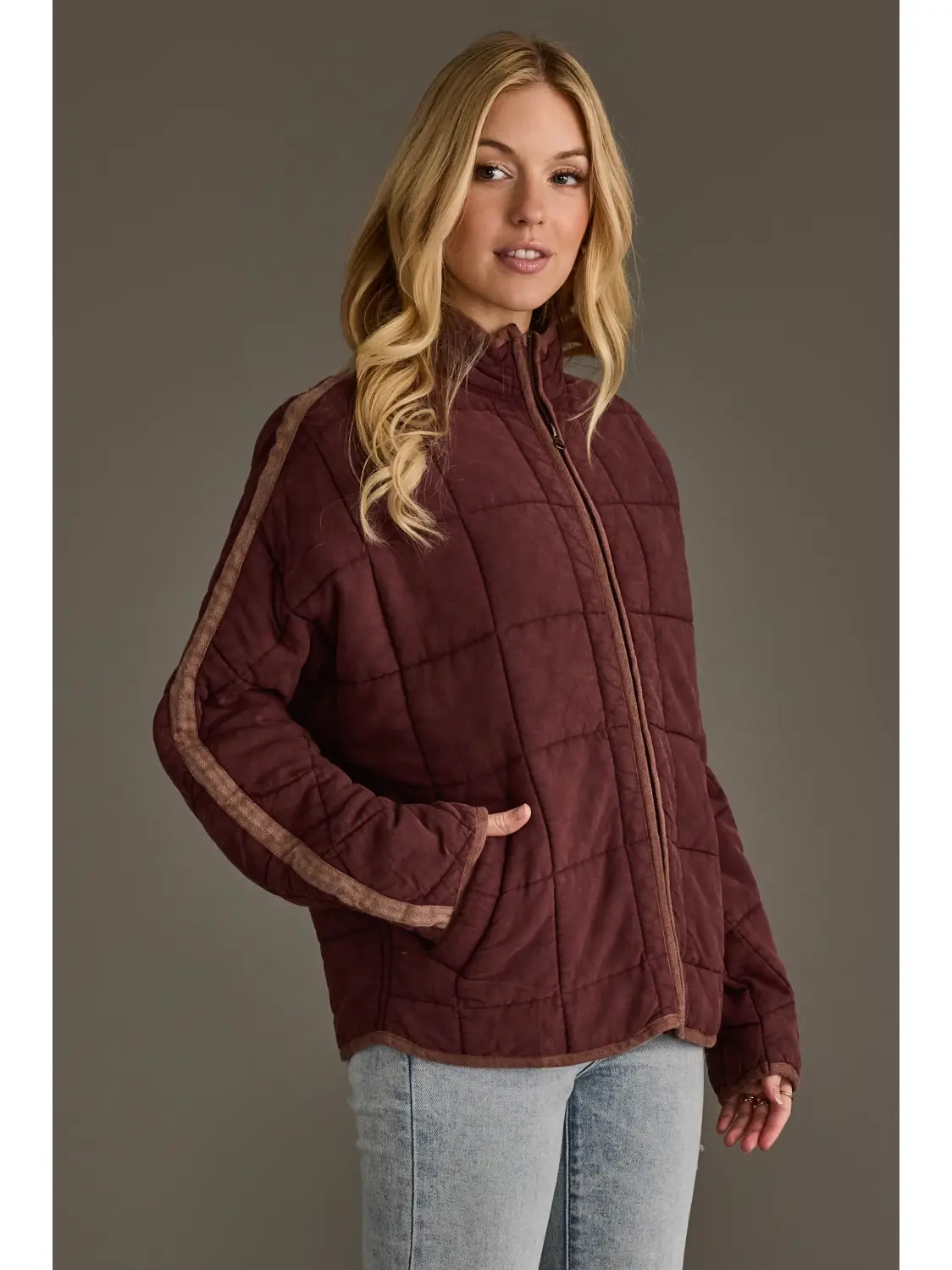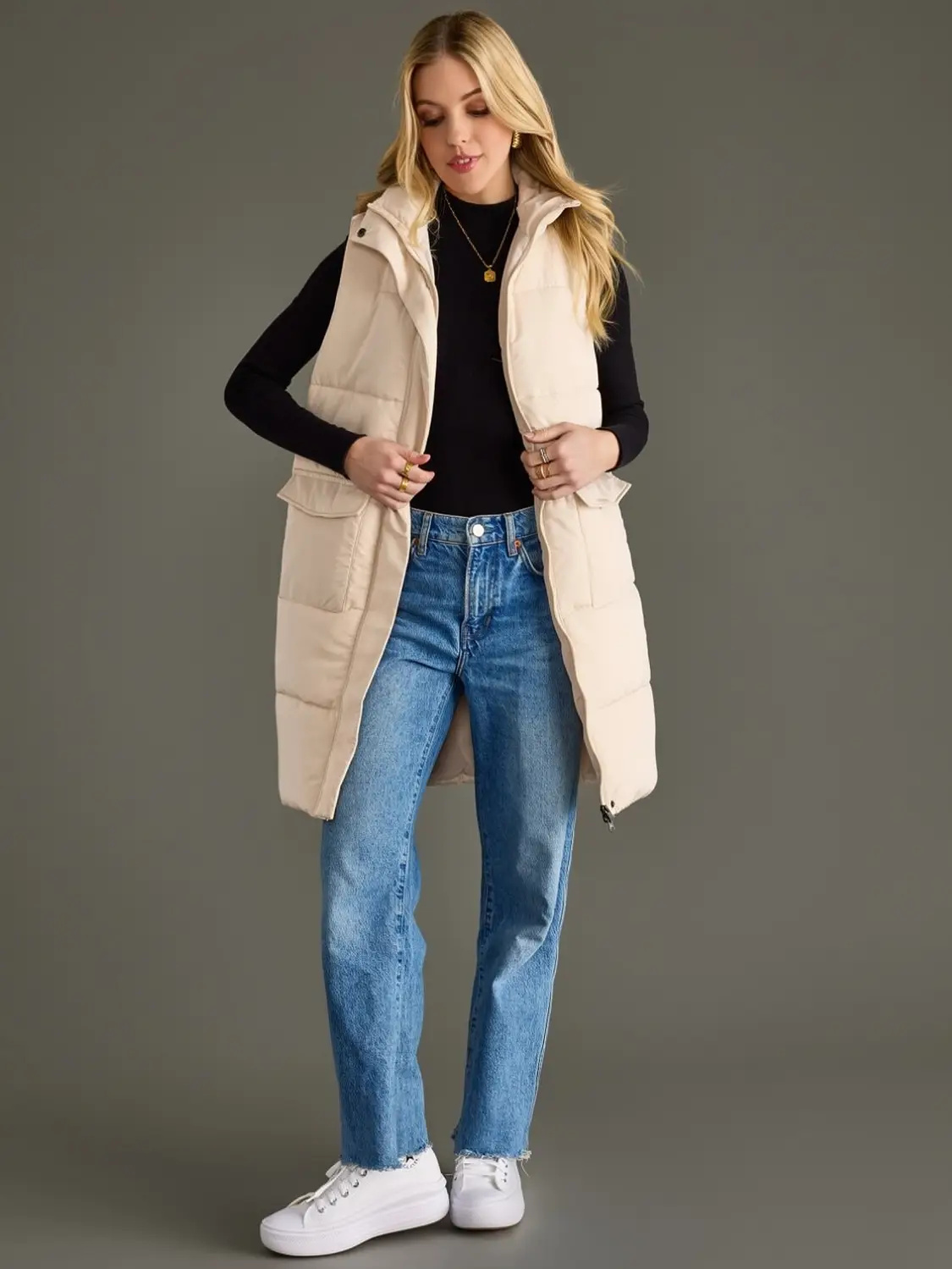
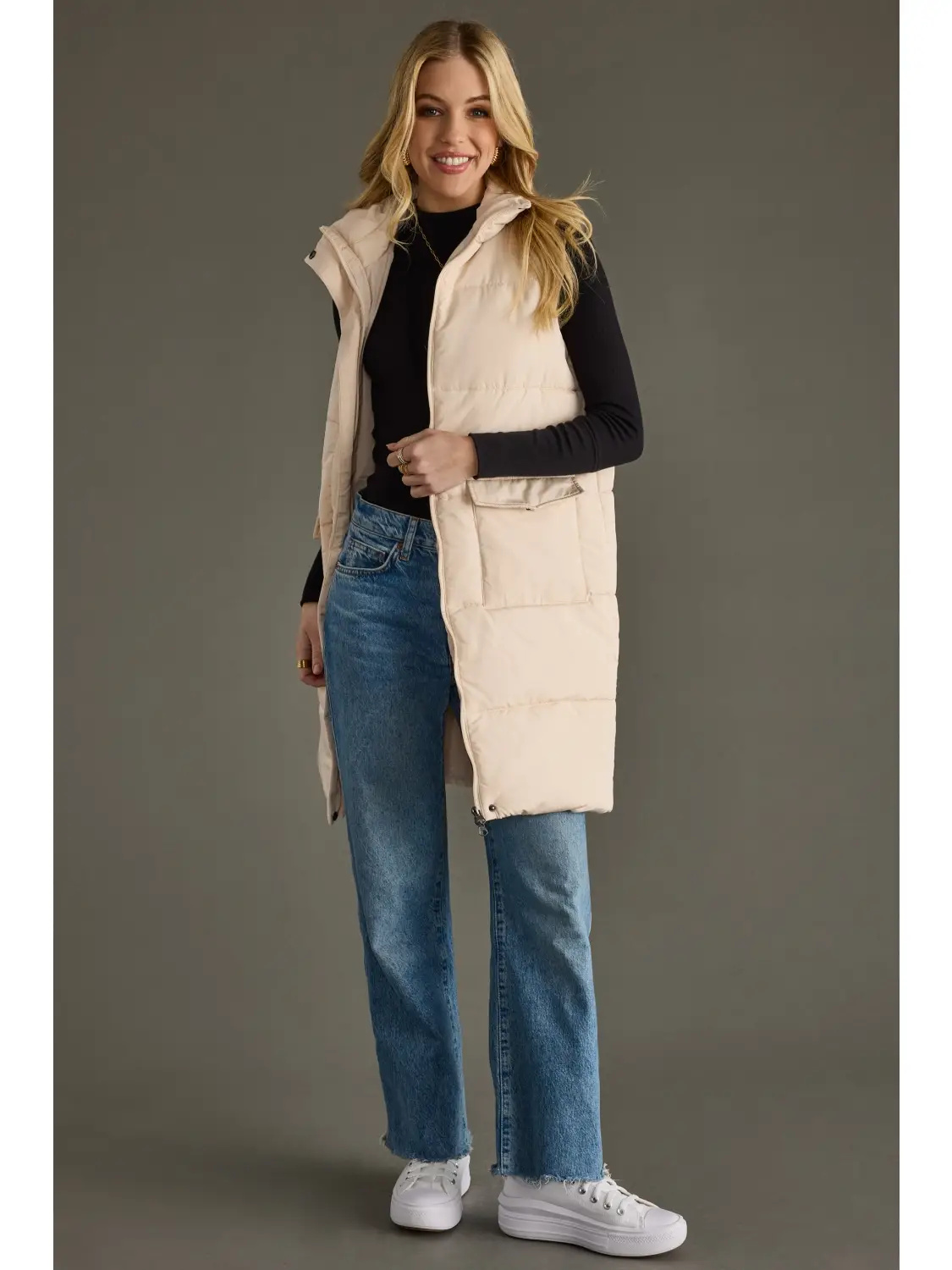
For any garment-care suggestion, follow the individual care label first. Read our care guide.
When the weather shifts, packing away a season’s clothes can feel like a chore. Treat it instead as a gentle wardrobe reset: decide what deserves space, prepare each garment according to its care label, and store it where it can rest undisturbed. These small steps make the next change of season easier and kinder to your clothes.
Start with a thoughtful edit
Gather the pieces you are ready to set aside, then sort them into keep, mend, and reconsider piles. Check each item for loose buttons, small tears, or marks before it disappears into storage. Taking stock now makes it easier to remember what needs attention later.
Let your real routine guide the edit. If a piece was uncomfortable or rarely reached for, pause before giving it valuable closet space. Keep versatile favorites that work across changing weather, and leave room for the garments you genuinely look forward to wearing again.
Follow the care label first
Read the garment’s care label before cleaning or preparing it for storage; fabric and construction determine what is suitable. If washing is allowed, follow the directions closely and use the stated method. When a label calls for hand washing or another specific approach, don’t substitute a machine cycle.
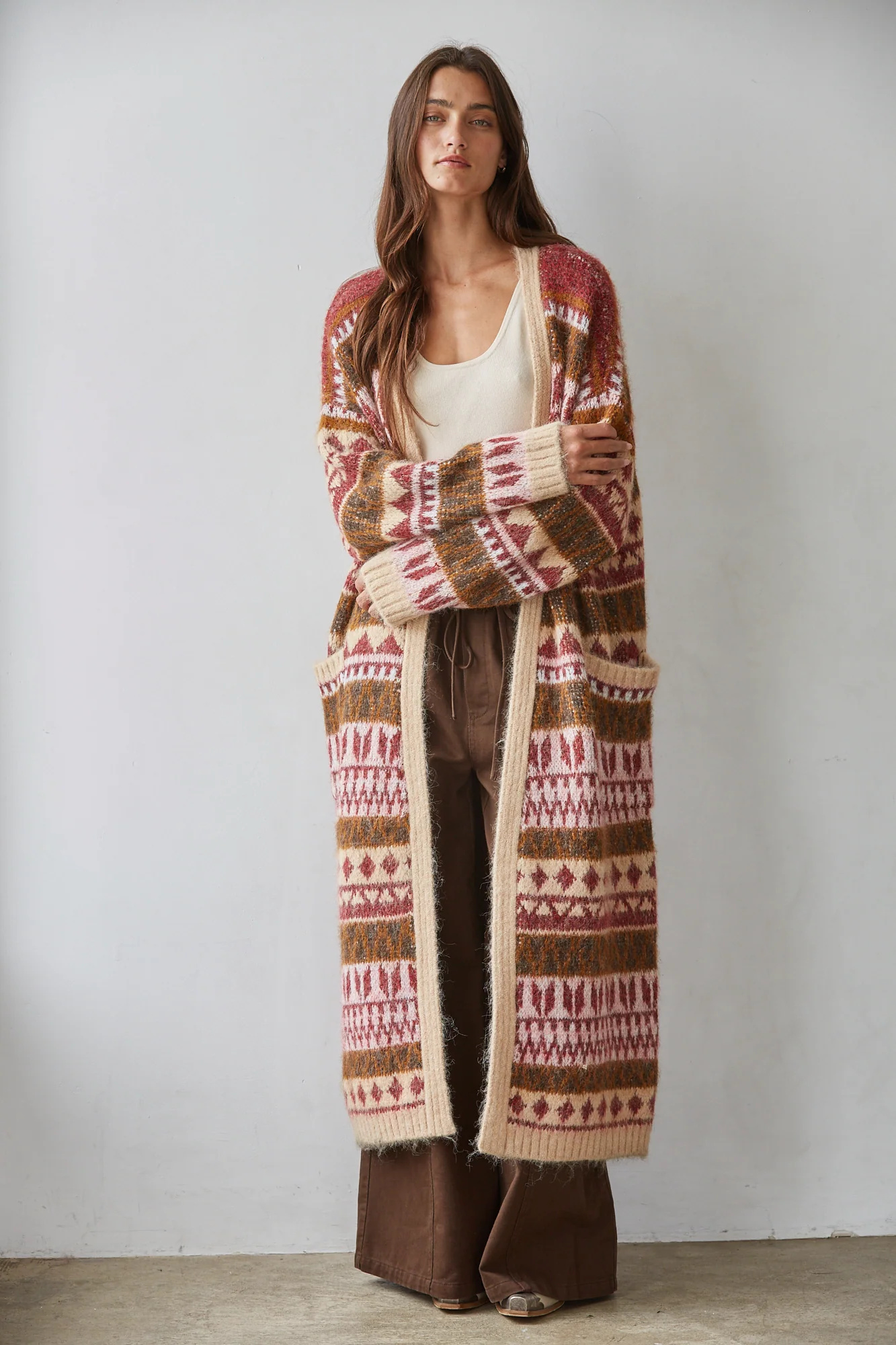
For example, the Cozy Duster Cardigan’s care notes specify hand washing in cold water with like colors and laying it flat to dry. Other garments may require different care. When instructions are unclear, seek appropriate garment-care guidance rather than guessing or applying one rule to everything.
Store only clean, fully dry clothes
Before packing anything away, make sure it is clean and completely dry. Even an item that looks fresh may have traces of wear that become harder to address after months in storage. Follow its label for cleaning, then allow enough time for any permitted washing to dry thoroughly.
Check seams, pockets, and cuffs for small forgotten items, and make sure fasteners are in their usual condition. Avoid sealing a garment away while it still feels damp. A careful final check helps prevent unpleasant surprises when you unpack and gives each piece a better start next season.
Choose a calm, suitable storage spot
Look for a clean, dry place that stays reasonably cool and away from strong direct light. A shelf or closet can work well if it is not crowded or exposed to moisture. Before using a box or bin, make sure it is clean and offers enough room for the clothes inside.
Group items in a way that makes sense to you—by garment type, season, or the month you expect to reach for them. Keep storage containers off damp floors and avoid squeezing them into tight corners. A simple, visible system makes seasonal transitions feel less like a scavenger hunt.
Give each garment room to rest
Use the storage method that suits the garment’s shape and the space available. Fold pieces neatly without forcing sharp creases, and avoid piling so many layers on top that the bottom items become compressed. If you hang an item, make sure it has enough space to sit without crowding.
Add a brief label to each container or shelf, noting the season or what is inside. When the weather turns, you can find the right group without unpacking everything. Keep a small reminder of any mending or care task with the relevant items so it is easy to pick up later.
Choose folds that protect shape
After following the care label, consider how a garment’s weight and structure respond to folding. Lightweight knits may be folded over a broad support so they do not hang under their own weight, while sturdy woven pieces can often be folded along existing seams. Keep collars and lapels aligned, and avoid pressing bulky details into sharp ridges.
For a long cardigan or another substantial knit, make a wide, even fold rather than creating a narrow bundle. Place heavier garments lower in a stack and lighter pieces above them, adjusting the arrangement if edges begin to flatten. When you unpack, reshape the garment gently and let it settle before deciding whether it needs further care.
Use barriers between delicate details
If a garment has delicate surface details, a smooth, clean layer between it and other clothes can limit snagging and friction. Choose plain, colourfast tissue or a clean cotton cover only when suitable for the garment, and follow any specific label guidance. Avoid rough paper, printed sheets, or materials that could transfer colour or leave residue.
Fasten buttons, zips, and hooks only as the care instructions allow, then turn vulnerable closures away from neighbouring pieces. Keep garments with loops, loose embellishments, or openwork from rubbing against textured items. This small separation is especially useful when placing several different garment types in one container, without compressing them together.
Make a simple inventory for next season
Record what you put away in a short digital note or on a card kept with the relevant container. List garment types and any immediate follow-up, such as replacing a button or checking a hem, rather than relying on memory months later. Keep the record practical and brief so it is easy to update during your next wardrobe change.
You can also note which pieces you expect to layer together when the weather shifts. For instance, record a light jacket alongside the tops it commonly complements, without assuming any item suits every outfit. When you retrieve the group, the note can prompt fresh combinations while leaving room to style each piece for your current routine.
Plan a gentle return to rotation
When it is time to bring clothes back into use, unpack a small group at a time rather than scattering the full season across the room. Check each item for changes in shape, loose fastenings, or marks, then consult its care label before deciding whether it needs refreshing. Address repairs before building outfits around the garment.
Give folded pieces time to relax on a clean surface, and hang only those garments whose labels and structure make hanging appropriate. Try returning items to the wardrobe in outfit groupings, such as a base layer with a light outer layer, then adjust as temperatures change. A gradual transition keeps useful options visible without making the closet feel crowded.
Seasonal storage works best when it is simple and deliberate: edit with care, let the label lead, and give clean, dry clothes a calm place to wait. When the season changes again, your favorites will be easier to find and ready to return to your everyday wardrobe.