For any garment-care suggestion, follow the individual care label first. Read our care guide.
A weekend away can ask a lot of a suitcase: an easy travel-day outfit, something polished for dinner, and layers for a change in plans or weather. The answer is not packing for every possibility; it is choosing a few pieces that work together. Start with comfort, keep your palette connected, and let accessories and simple styling shifts make familiar outfits feel fresh.
Choose a three-part outfit base
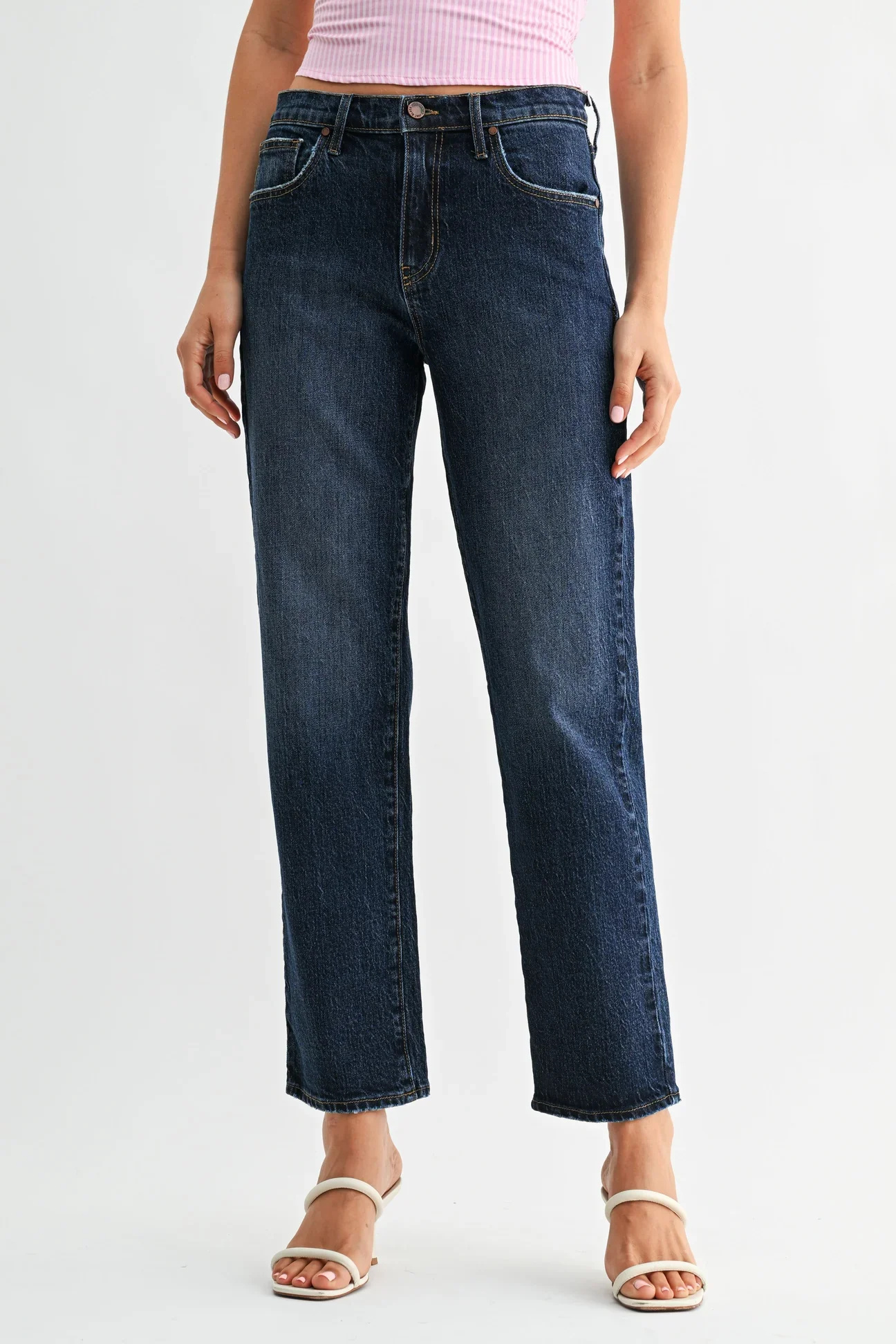
Build the bag around three roles: a comfortable bottom, a versatile top, and one piece that can stand alone. A dress can cover that last role; separates offer more combinations. Think about your actual itinerary before choosing.
For a short trip, two bottoms and three tops can create several outfits when the colors and proportions coordinate. Keep one combination especially comfortable for the journey, then reserve a clean, simple pairing for plans that call for a more pulled-together feel.
Let one palette do the work
Choose a small palette before folding anything: a neutral foundation, a second compatible shade, and perhaps one accent. When most pieces work together, getting dressed takes less thought and a top can move between outfits without looking like a repeat.
Lay the possible outfits side by side, rather than judging each item on its own. If a piece has only one partner in the bag, consider leaving it behind. A Likely Story Boutique’s Springfield setting may inspire a relaxed weekend mood, but your own plans should guide the palette.
Pack for the day’s transitions
Travel days often move from a cool car or plane into sunshine, then on to an indoor stop. Choose a light layer that works over more than one outfit, and keep it accessible instead of burying it beneath the packed pieces.
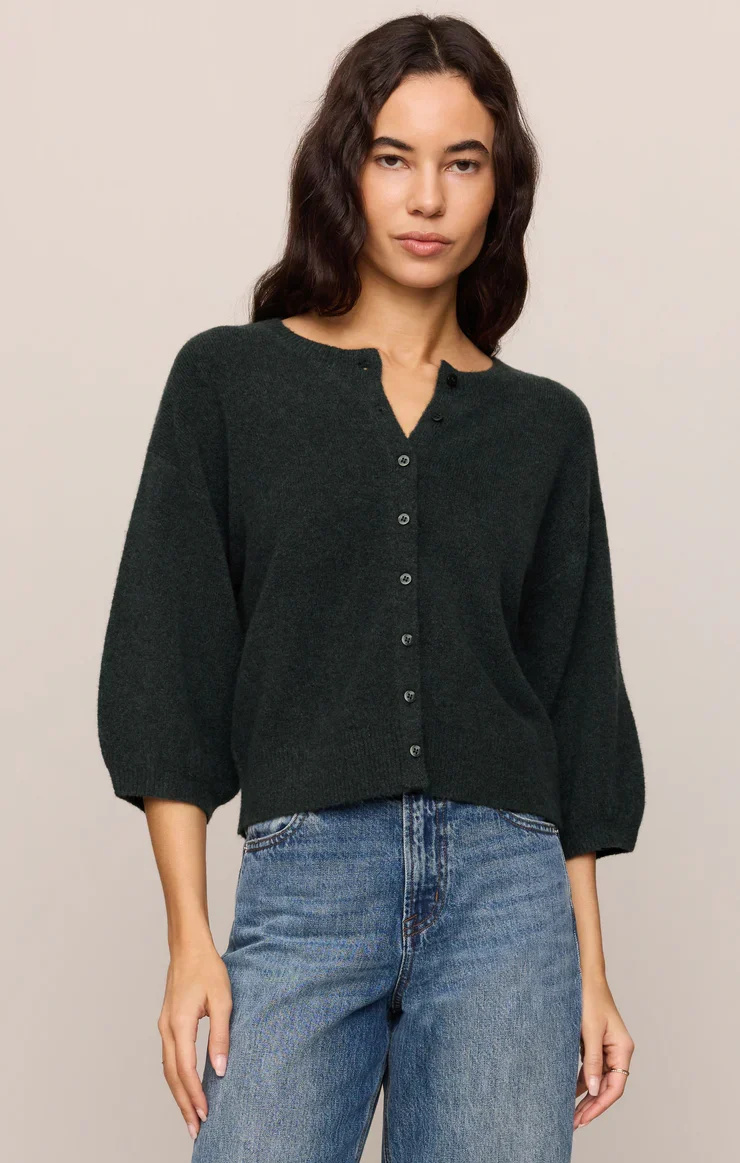
A cardigan can add an extra layer over a sleeveless dress or a simple top. For instance, the Valor Cardigan is described as lightweight with a crew neck, button front, and three-quarter sleeves. Use those details as a styling reference, not a reason to overpack.
Make shoes and extras earn their space
Limit footwear to the pair you can comfortably wear for walking and, if your plans require it, one alternate pair. Check the itinerary honestly: a bag of shoes for imagined occasions leaves less room for the pieces you will actually wear.
Choose a small number of finishing touches that suit several outfits, such as a belt or a scarf. Keep the selection practical and consistent with your palette. The aim is not to transform every look, but to give a familiar combination a slightly different emphasis.
Fold with a simple outfit check
Before packing, make complete outfits on the bed and check each one against the forecast and your schedule. Remove anything that has no clear pairing. Fold or roll pieces in a way that suits their shape, and keep the first-day outfit easy to reach.
If you are unsure how to handle a garment, follow its care label first. Any washing or drying advice depends on that guidance and the fabric; do not assume a piece can be machine washed. A little planning at home helps avoid hurried decisions away.
Choose a bag that suits the itinerary
Match your luggage to how you will travel and where you will stay. A small carry-on is easier to manage on trains or stairs, while a structured tote can keep essentials close during the journey. Check your transport provider’s size rules before leaving, and consider whether your lodging has space to unpack without spreading everything across the room.
Use a lightweight pouch for items you need in transit, such as a charger, documents, or a spare top, rather than rummaging through the main compartment. Keep liquids upright in a sealed wash bag, and separate anything that could mark clothing. If you expect to walk between stops, choose a bag with a secure closure and comfortable straps.
Plan around the forecast without overpacking
Check the forecast for each day and the evening, not just the headline temperature. Rain probability, wind, and a sharp drop after sunset can change what feels comfortable. If conditions are unsettled, choose one compact weather layer that works with your planned outfits, and leave bulky pieces at home unless the forecast makes them essential.
Think about how exposed your activities will be: a long outdoor walk calls for different preparation than a mostly indoor city break. A thin, packable rain layer can be more useful than an umbrella in a crowded bag, while a cap may help in bright sun. Choose based on the actual itinerary, and keep weather protection reachable.
Give delicate and structured pieces extra care
Separate garments that snag easily from denim, zippers, or hardware by placing them in a soft laundry bag or a clean pillowcase. Keep structured pieces near the top of the bag, where heavier items are less likely to press against them. If a garment needs special handling, follow its care label and pack it according to its shape.
For a jacket or other tailored layer, turn it inside out before folding and align the sleeves along the body to reduce awkward creases. Avoid compressing it beneath shoes or toiletries. On arrival, hang it promptly if suitable hangers are available, then let the fabric settle before deciding whether it needs further attention.
Prepare a small arrival routine
Make the first few minutes at your destination easier by keeping arrival essentials together. Put a sleep set, clean underwear, and the next morning’s outfit in an accessible section, especially if you expect to reach your room late. This avoids unpacking the entire bag just to find one item and gives you a calm start the following day.
At check-in, take out anything that should hang and place worn clothes in a separate laundry pouch. Refill a reusable water bottle where appropriate, and set aside the pieces you plan to wear first. A brief reset keeps clean clothing distinct from used items and makes the rest of the weekend easier to manage.
A small weekend wardrobe works when every piece has a purpose and several natural pairings. Start with the days ahead, edit with care, and leave a little breathing room in the bag. You will have enough choice to feel prepared, without carrying an outfit for every imagined moment.