For any garment-care suggestion, follow the individual care label first. Read our care guide.
Travel days rarely unfold in a straight line. There may be a brisk walk to the terminal, a long wait, a chilly cabin, and an unplanned stop before you reach your destination. An outfit that feels good through all of it begins with ease: pieces that let you move freely, layers you can adjust, and a silhouette that still feels considered. The goal is not to dress for an imaginary perfect journey, but to make getting there more comfortable and more personal.
Choose a base that moves with you
Begin with a top and bottom that feel comfortable when you sit, stand, bend, and carry a bag. A relaxed shape can make hours in a seat feel less restrictive, while a neckline and proportions you enjoy help the outfit look intentional rather than like an afterthought.
The Sloane V-Neck Top is a lightweight cotton jersey option with a relaxed fit and easy drape. For your own base layer, think about how a top will feel against your skin and whether its shape works with the layers you plan to wear over it.
Make the bottom half easy
Trousers with room to move are useful when the day includes long stretches of sitting and quick changes of pace. Consider a waistband that feels comfortable for your journey and a leg shape that works with your shoes, so you can walk easily without fussing with your outfit.
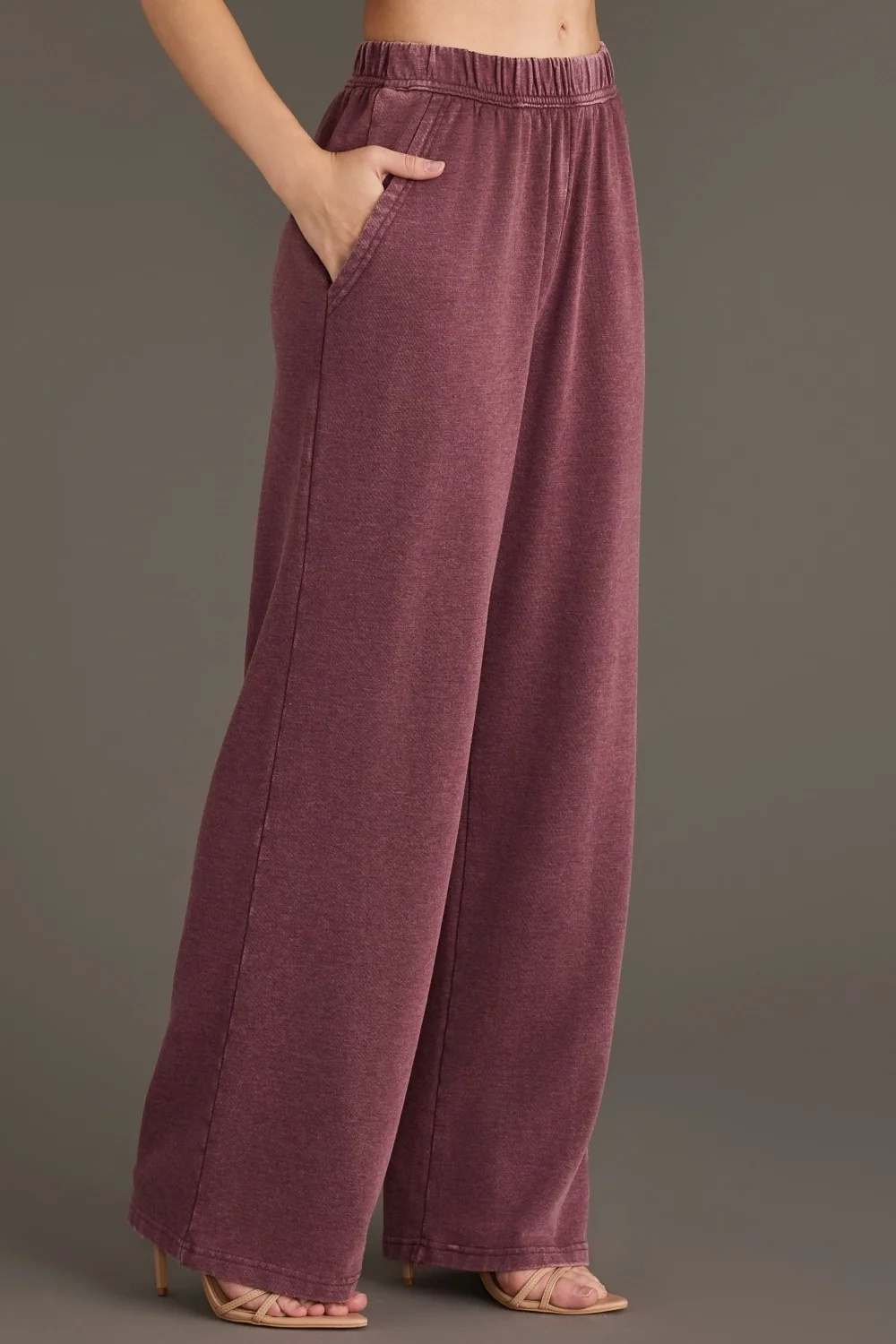
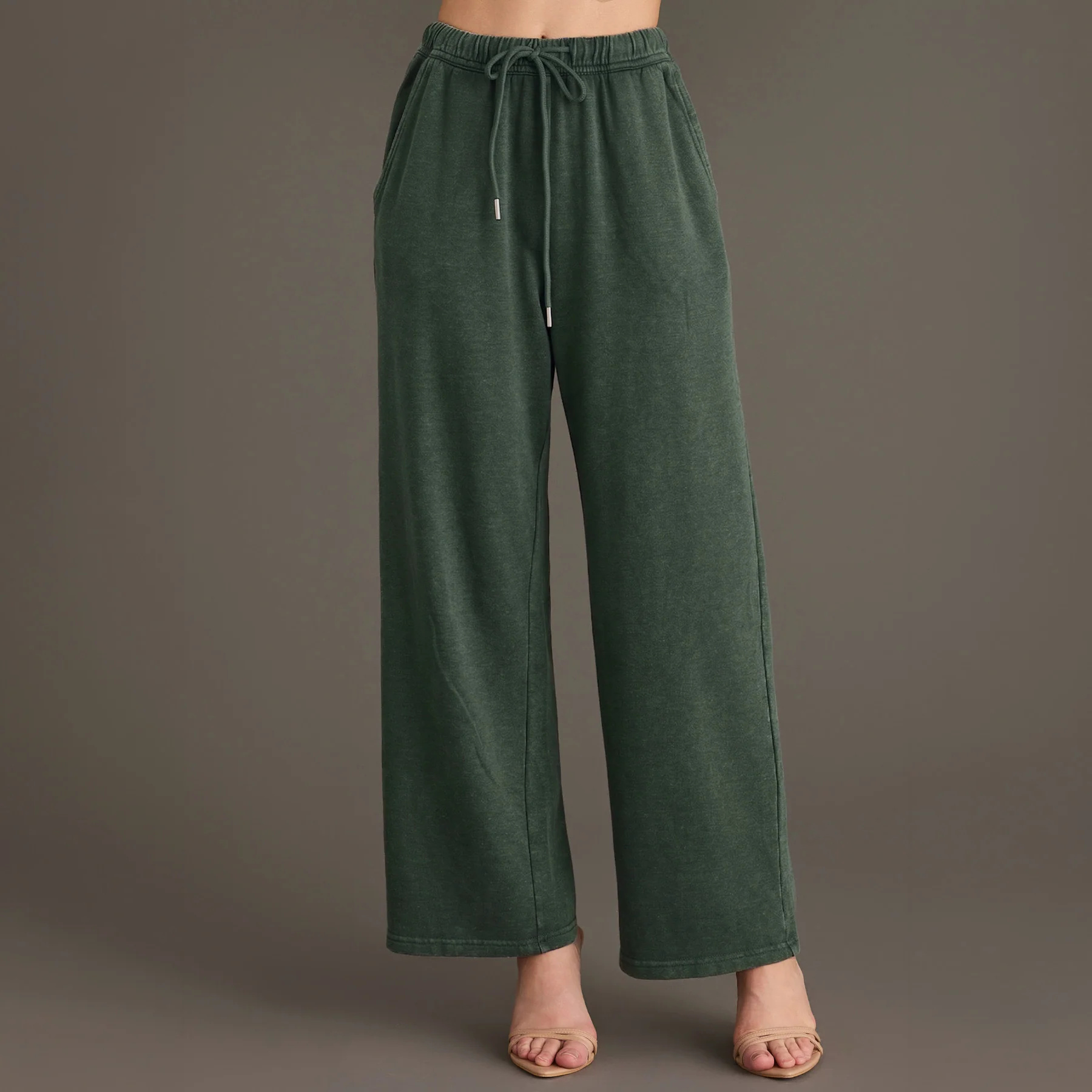
The Go-To Sweatpants offer a relaxed wide-leg silhouette and an elastic waistband, with side pockets for small essentials. Pair them with a simple top and clean, comfortable sneakers for a laid-back look that still feels pulled together.
Layer for changing temperatures
A light layer can make a meaningful difference when outdoor weather and indoor air-conditioning disagree. Choose something easy to put on or take off, and keep it close rather than packing it deep in your luggage. A familiar cardigan, overshirt, or soft pullover can all serve this purpose.
Build layers around your base instead of adding bulk without a plan. A simple top beneath a shirt or jacket gives you options as the day changes, while a coordinated palette makes the pieces feel like a complete outfit whenever one layer comes off.
Keep your essentials within reach
Travel feels smoother when the little things you need are easy to find. Before leaving, decide what should stay close—perhaps a phone, tissues, or travel documents—and what can remain in your larger bag. This small edit helps prevent overstuffed pockets and repeated rummaging.
A bag with a secure closure and a strap that suits your route can be useful when you need your hands free. Arrange frequently used items where they are easy to reach, and keep valuables in a place that feels secure and comfortable for you.
Finish with comfort-minded details
Shoes deserve a moment of thought before a travel day. Choose a pair you already know feels good for walking and standing, and consider how easily it works with the rest of your outfit. If you expect to move through busy spaces, a steady, simple option can be reassuring.
Keep accessories and extra layers practical rather than piling them on. A scarf or outer layer may help when temperatures shift, while a restrained color story lets familiar pieces work together. The best finishing touches support the day instead of asking you to keep adjusting them.
Plan an outfit around your itinerary
Match your clothing to the movement your route actually requires. For a direct trip with little walking, a simple, coordinated set may be enough; a day with transfers, stairs, or a walk after arrival calls for pieces that stay comfortable at different paces. Check the forecast at both ends, then choose an outfit that makes sense for the activities between them.
If you expect to go straight from the station or airport to a meal or appointment, let one polished element do the work: a neat overshirt, a clean-lined top, or trousers with a deliberate silhouette. Keep the rest uncomplicated so you are not changing in a cramped restroom. A quick itinerary check can help you avoid dressing for only one part of the day.
Choose fabrics for the length of the journey
For a long ride, consider how a garment may feel after hours of sitting, not just when you first put it on. A fabric with some give can be useful when you shift position, while a breathable layer may suit a warm platform or crowded cabin. Check the garment label for fiber content when that information matters to your comfort.
Think about what happens if your plans change or a drink spills. A darker or patterned piece may make minor marks less noticeable, while a garment that can be aired out between legs of a trip may be easier to rewear. Follow the care label before laundering; if it calls for special handling, plan around that rather than assuming a quick wash is possible.
Pack a small arrival-ready change
When your first stop calls for a different impression than the journey itself, pack one compact change instead of a second full outfit. A fresh top or a scarf-free alternative can reset the look without adding much bulk. Choose an item that works with the trousers and shoes you are already wearing, and fold it where it will not be crushed beneath heavier luggage.
A small pouch can keep that change separate from worn clothing and make it easy to find on arrival. If you have access to a restroom or changing area, swap only what needs refreshing; otherwise, a clean top layered under your existing outer piece may be enough. This approach gives you a more composed arrival without requiring a complete outfit change.
Build a compact travel wardrobe
For trips lasting several days, choose a small group of garments that can combine in more than one way. Start with two or three compatible tops and bottoms, then add a layer that works across the set. Keeping the palette connected makes it easier to dress without packing near-duplicates, while one distinct piece can add variety to repeat combinations.
Before packing, lay out each planned outfit and check whether any item serves only one look. Replace single-use pieces with something that pairs with at least two others, and keep a note of combinations if you tend to overpack. Leave room for what you may bring home, and place the most useful pieces where they are accessible during the first day.
Before you leave, take a moment to sit, walk, and reach in your outfit; comfort is easiest to judge in motion. Check the care label before laundering any garment, and follow its guidance. With an easy base, adaptable layers, and essentials close at hand, you can travel feeling comfortable, composed, and ready for the day ahead.