For any garment-care suggestion, follow the individual care label first. Read our care guide.
Accessories are small choices with a generous effect: a belt can define a silhouette, while a bag adds structure and a sense of occasion. The trick is not to add more, but to decide what your outfit needs. At A Likely Story Boutique, we love the freedom of a finishing touch that feels useful, personal, and easy to wear from the first step out the door.
Let the Belt Set the Shape
A belt can give a relaxed outfit a clear point of focus. Try it with jeans or trousers when you want to mark the waist, or layer it over a blazer to create definition without changing the rest of your look.
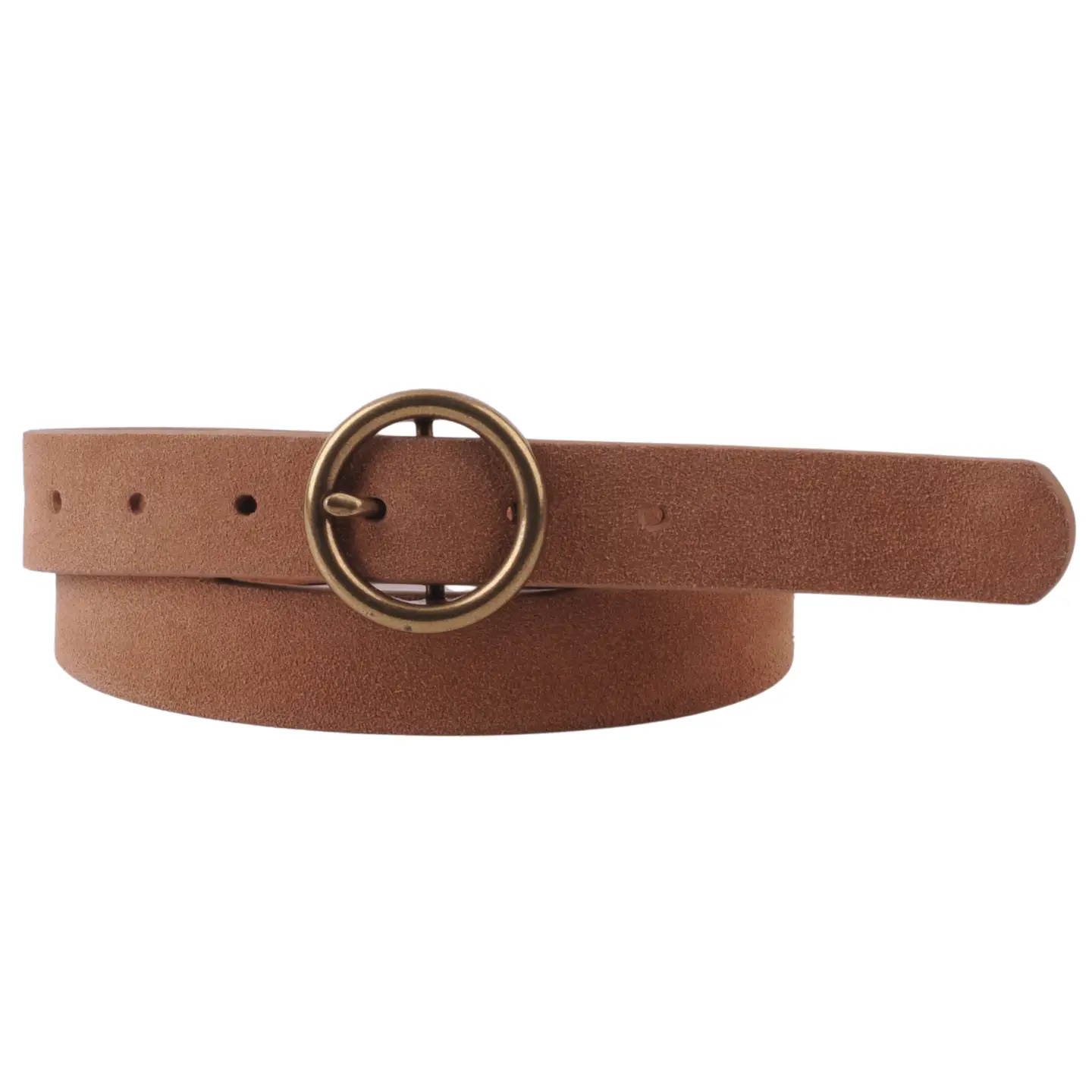
Think about proportion before choosing a belt: a slimmer style feels subtle, while a more noticeable buckle can anchor simple clothing. The Brass-Toned Buckle Leather Belt has a single ring buckle, a detail that brings a clean accent to everyday dressing.
Choose a Bag for the Day
Start with what you need to carry, then consider how you want the bag to sit. A shoulder strap leaves your hands free, while a top handle offers a different way to carry a compact bag for a lunch or evening plan.
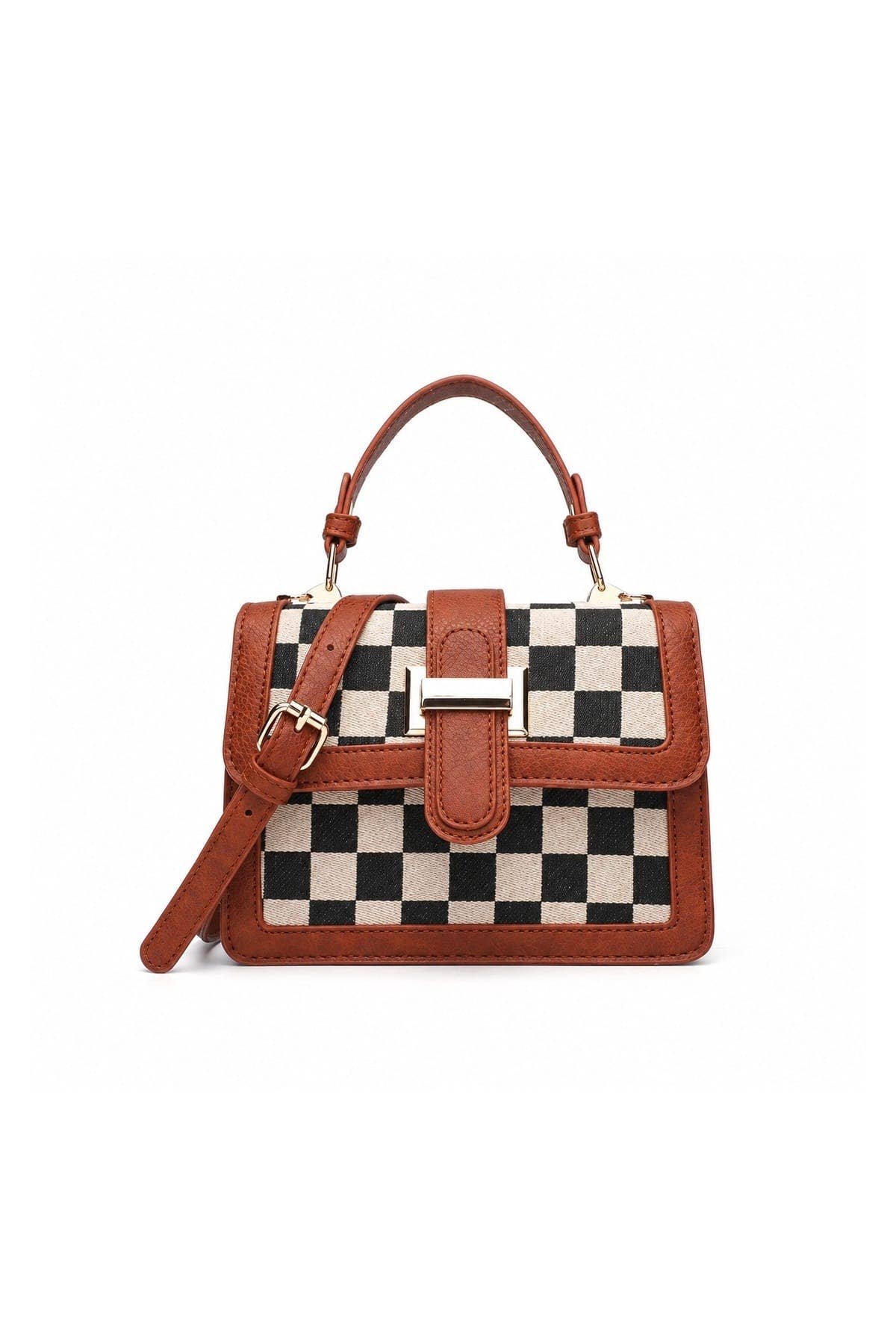
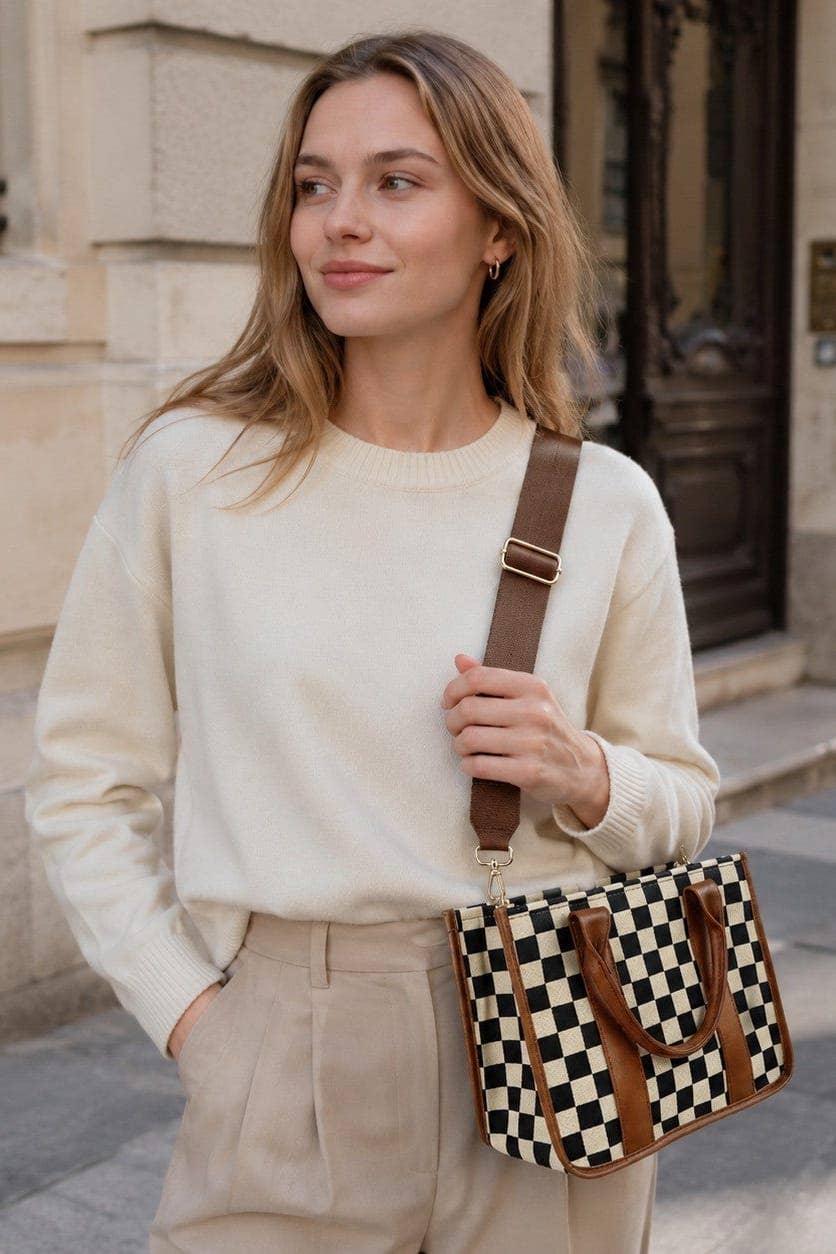
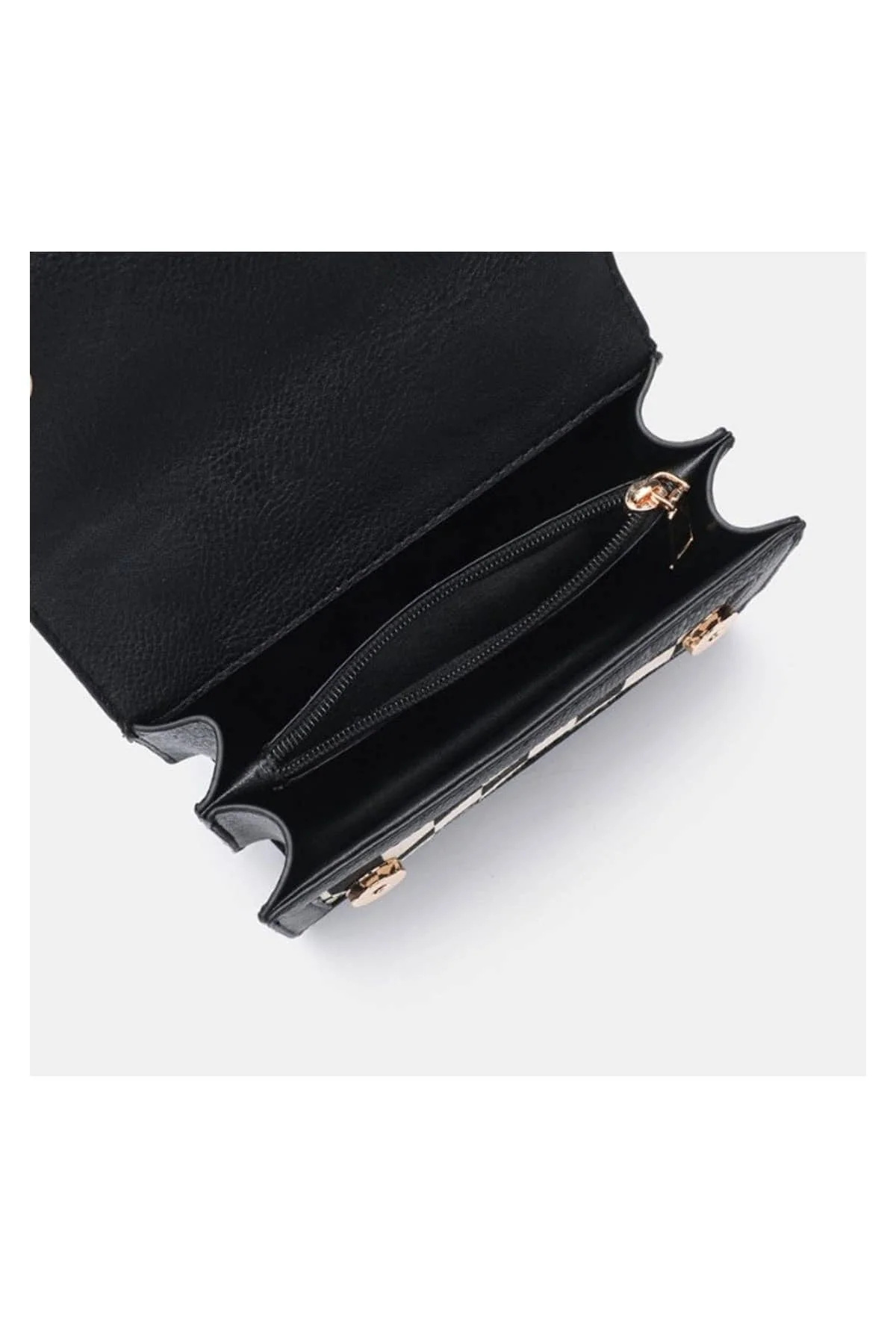
For a small-scale option, the Nora Checkered Top Handle Bag measures 7.5 by 6 by 3.25 inches and includes both a top handle and shoulder strap. Its checkered pattern can add interest to an otherwise quiet outfit.
Balance Color and Pattern
When your clothing already has a print or strong color, accessories in a quieter tone can help the whole look feel composed. With a neutral outfit, a patterned bag or distinctive buckle can supply just enough contrast to catch the eye.
Rather than matching every detail exactly, look for a shared note: similar warmth, a repeated shape, or a complementary level of contrast. This keeps the outfit connected without making it feel too coordinated.
Build a Thoughtful Silhouette
Consider where an accessory draws attention. A belt worn at the waist can emphasize that line; a bag carried at the side introduces another point of interest. Check the full-length view and adjust placement until the proportions feel comfortable.
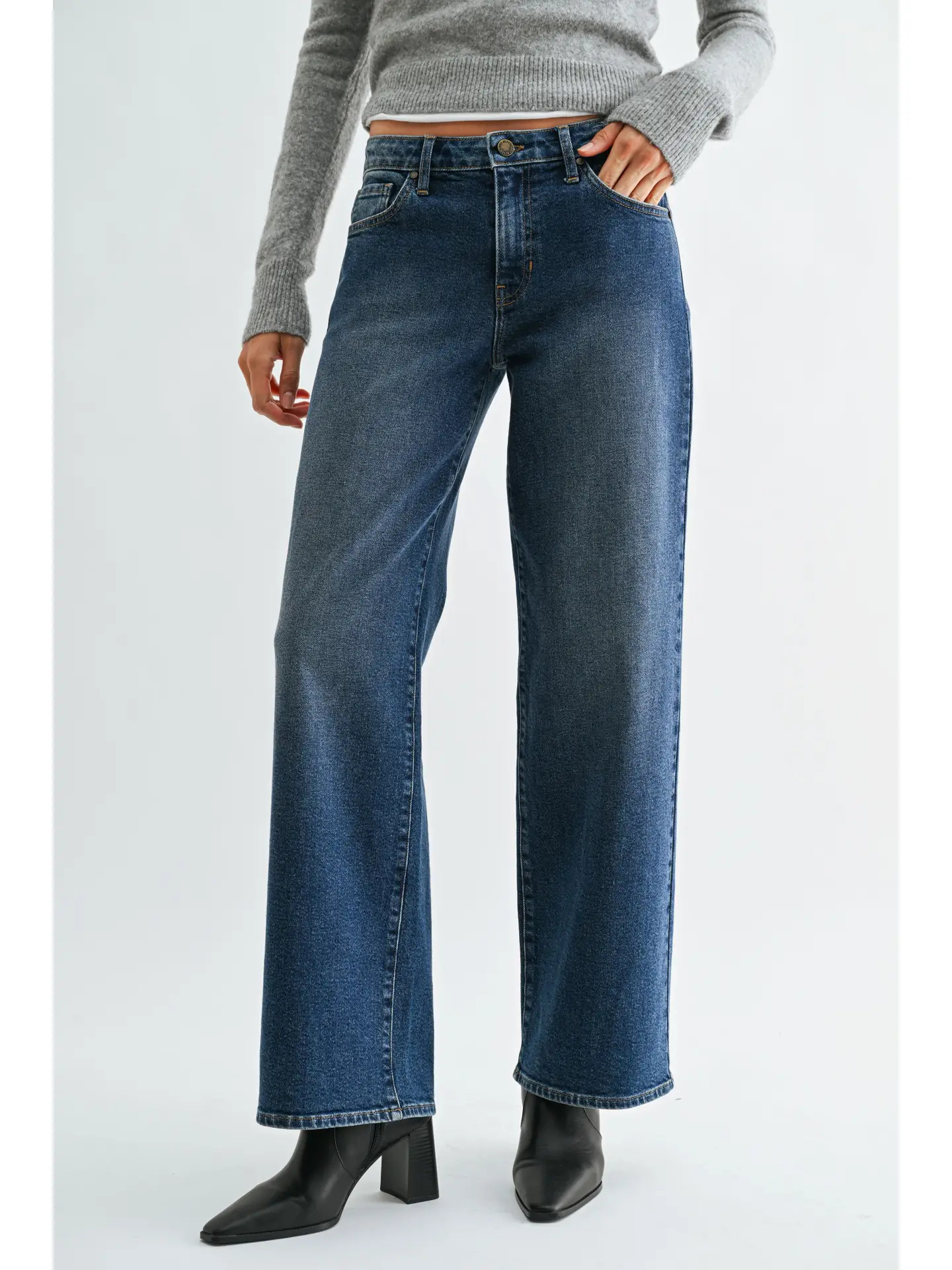
With wide-leg trousers or jeans, a belt can bring definition to the upper half while leaving the leg line relaxed. If adding a blazer, try the belt over it for a more shaped outline, then compare the effect with the blazer open and unbelted.
Make the Finishing Touch Feel Natural
A useful accessory should work with the way you move through the day. Before heading out, check that the belt sits comfortably and that your bag is easy to carry; a small adjustment can make a considered outfit feel effortless.
Keep care practical and specific: read the item’s care label first. If its instructions allow, follow the stated method; when they do not, avoid assuming that washing or other treatment is suitable. Thoughtful handling helps you enjoy your accessories as part of regular rotation.
Plan Accessories for Layer Changes
A look that works indoors may need a small adjustment when you add or remove a coat. Before leaving, try the outfit with each layer you expect to wear, checking whether a belt remains visible and whether a bag strap sits smoothly over the shoulder. This quick rehearsal helps avoid an accessory disappearing under a lapel or competing with a bulky outer layer.
For a long day with changing temperatures, choose a belt placement that still feels comfortable beneath an open cardigan or jacket. If a strap catches on a sleeve, switch shoulders or shorten its adjustment if possible. Keep the clothing itself in mind: a smooth layer over the belt can prevent an awkward ridge, while a lighter jacket may leave the waistline clear.
Coordinate Hardware Across an Outfit
When a belt buckle and bag fastening are both visible, their metal finishes can either connect the look or create deliberate contrast. Lay the pieces beside one another in natural light and compare their warmth and brightness. They do not need to match exactly; repeating one finish elsewhere in the outfit can make a difference in tone feel intentional rather than accidental.
If you are choosing accessories for a wardrobe capsule, note which hardware appears most often on your bags, belts, and outerwear. A consistent family of finishes makes pieces easier to combine, especially when getting dressed quickly. For a mixed-metal look, keep the contrast limited to a couple of clear accents, then let clothing colors and textures provide the rest of the visual interest.
Make Accessories Work Across Occasions
A versatile accessory earns its place when it can move between settings without requiring a full outfit change. Test a belt with both casual denim and tailored trousers, or try a bag with daytime clothes and a more polished evening layer. Consider the overall formality of each setting, including footwear and outerwear, so the accessory feels appropriate rather than merely convenient.
Before deciding a piece is too specific, try changing one supporting element at a time. A relaxed shirt can become sharper when tucked neatly, while a structured jacket can make familiar jeans feel more considered. Keep the accessory constant during these trials; that makes it easier to see which clothing choices help it adapt and which combinations feel less comfortable or cohesive.
Keep a Simple Accessory Rotation
A small, visible rotation can make everyday dressing easier without accumulating pieces that rarely leave the closet. Set aside a few belts and bags that suit the clothes you reach for most, then store them where their shapes and details remain easy to see. Grouping by practical role—weekday, travel, or dressier plans—can help you choose quickly without relying on a last-minute guess.
At the end of a wear, return each item to a consistent place and check for anything that needs attention. Read the care label or the item's own instructions first; only follow a cleaning method when those directions support it. If guidance is unclear, avoid applying water or products by assumption. A brief, careful check keeps your rotation organized and helps you notice wear before the next outing.
Belts and bags can change the mood of familiar clothes without making getting dressed complicated. Begin with the shape or function you want, add one detail that feels like you, and let the rest of the outfit breathe. The best finishing touch feels considered—and still completely natural.