For any garment-care suggestion, follow the individual care label first. Read our care guide.
Hats are useful little punctuation marks: they can bring focus to familiar clothes, soften a polished look, or add a relaxed note to a busy day. The secret is not a perfect outfit formula but a few thoughtful choices about proportion, color, and setting. Start with the hat you enjoy wearing, then let the rest of your outfit find its own rhythm.
Start with the outfit’s shape
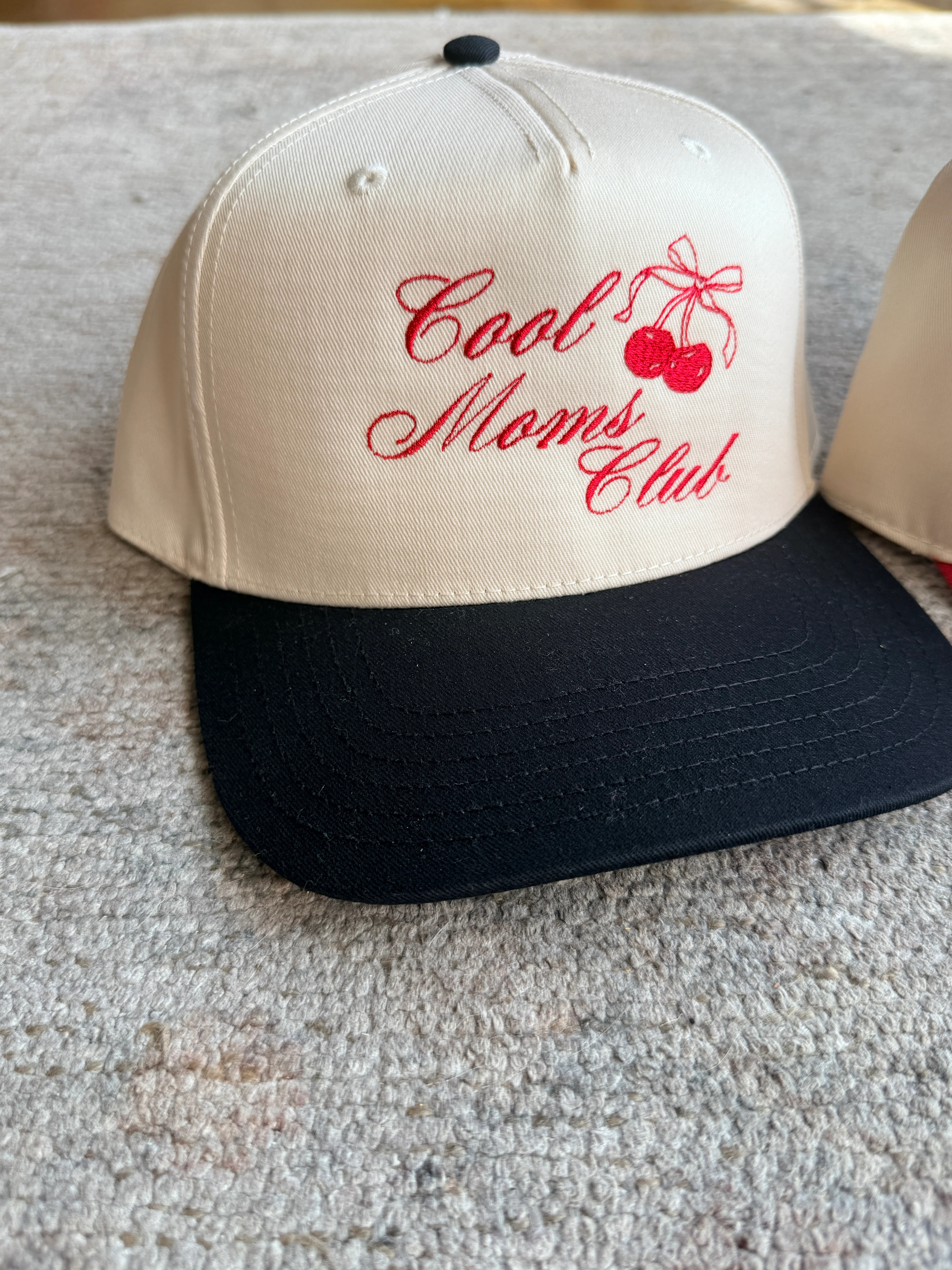
Think about the silhouette before choosing a hat. A baseball cap brings a casual, compact line to relaxed layers, while a broader brim can feel more noticeable beside a simple top and streamlined trousers.
Keep visual balance in mind rather than matching every proportion. If your outfit already has volume around the shoulders, choose a hat that feels easy and unfussy; with clean, narrow lines, a more expressive shape can have room.
Use color as a quiet connector
A hat does not need to match your outfit exactly. Echoing one small color elsewhere—perhaps in a stripe, a shoe, or a bag—can make the combination feel intentional without turning it into a uniform.
For a low-effort approach, let the hat be the outfit’s strongest color and keep nearby pieces calm. If your clothes already have a bold print or bright accent, a quieter hat can give the eye a place to rest.
Make casual pieces feel considered
A cap pairs naturally with everyday staples such as a tee, an open shirt, and straight-leg jeans. Try a simple tuck or a turned cuff to give the outfit definition, then keep the remaining accessories and layers relaxed.
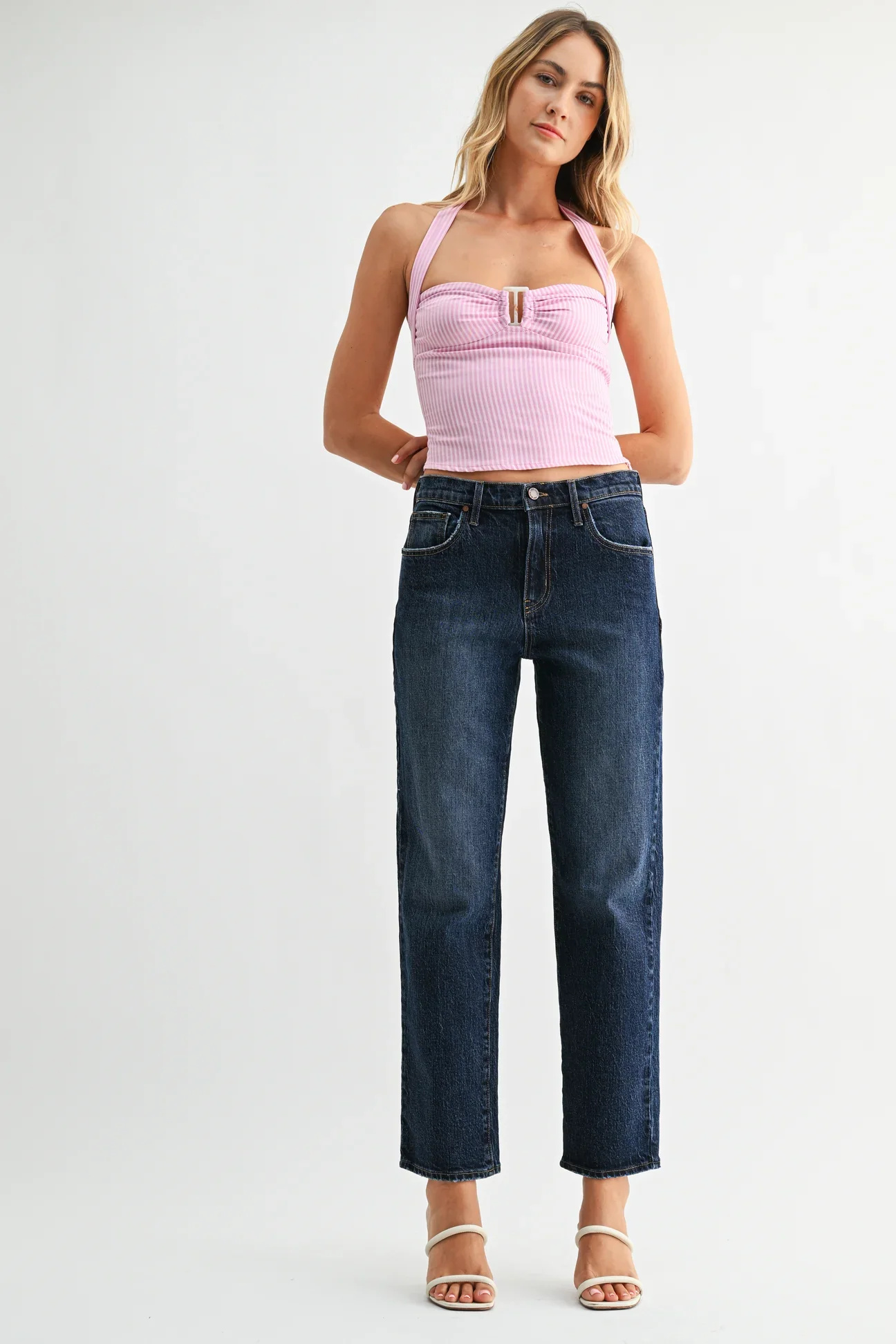
For example, the Easy Straight Jean’s high-rise waist and straight silhouette offer a clear, easy base for a casual cap. Let the jeans and hat set the mood, then choose a top that suits the day rather than forcing a theme.
Dress for the day, not a costume
Let the occasion guide how prominently the hat features. For errands or a walk, a familiar cap can feel natural; for lunch or a casual gathering, balance it with tidy layers and shoes that look deliberate.
If you are unsure whether a hat suits the setting, try the full outfit in a mirror and consider where you will spend your time. A small adjustment—removing a sporty layer or simplifying a pattern—can make the look feel more at ease.
Wear it with relaxed confidence
Fit and placement affect the impression as much as the outfit does. Wear the hat in a way that feels secure and comfortable, and notice whether its brim or crown competes with your hair, glasses, or neckline.
A hat should feel like part of your day, not a disguise. If you keep adjusting it, try a different placement or simplify the surrounding layers. Familiar clothes help a new accessory feel personal rather than over-styled.
Choose a hat for the weather
Let the forecast shape your hat choice as much as the outfit. On bright days, a brim can provide shade, while a cap is easy to wear for a breezy walk. If rain is likely, consider whether the hat can handle damp conditions; when uncertain, leave it at home and choose a hood or umbrella instead.
Think about temperature, too. A lightweight style may feel comfortable with a spring jacket, while a warmer hat can make sense alongside a coat in colder weather. Keep the rest of the outfit appropriate for the same conditions, so the hat looks useful rather than like an afterthought.
Plan for hair and glasses
If you wear glasses, check that the hat’s brim does not cast an awkward shadow or press against the frames. Put both on together before leaving, then look in a mirror from the front and side. A small change in brim angle can improve visibility and make the combination feel more natural.
Consider how your hairstyle will sit under the crown, especially if you will take the hat off indoors. A low ponytail or braid can keep longer hair manageable, while shorter hair may need a quick finger-comb after removal. Choose a style that works with your usual routine instead of requiring a full restyle.
Build a small rotation
A compact hat rotation can cover different parts of your week without crowding your closet. Start with the style you reach for most, then add another only if it serves a distinct purpose, such as a different level of coverage or a less sporty impression. This makes it easier to choose quickly.
Store hats where you can see their shapes and reach them without crushing the crowns or brims. Keep the one you wear most often near your everyday outerwear, and place occasional styles together elsewhere. Before adding a new hat, consider which outfits and situations it would genuinely join.
Keep hats looking presentable
Before cleaning a hat, read its care label and follow those instructions; materials and construction can require different approaches. If the label is unclear, avoid soaking or vigorous scrubbing. For a small surface mark, test a gentle method on an inconspicuous spot first, and stop if the material changes.
After wearing a hat, let it air out before putting it away, and keep it in a dry spot away from pressure that could distort its shape. If the brim or crown becomes misshapen, avoid forcing it back into place. Gentle handling and sensible storage can help it remain ready for everyday outfits.
The best everyday hat is the one that works with your habits as well as your clothes. Use proportion, color, and context as gentle guides, then trust your eye. A small change in shape or placement can make familiar pieces feel newly your own.