For any garment-care suggestion, follow the individual care label first. Read our care guide.
A bag is part of the day’s practical choreography: it holds what you need, moves with you, and helps an outfit feel complete. Start by picturing your actual schedule, from the first stop to the last, rather than choosing for an imagined occasion. At A Likely Story Boutique, we believe a thoughtful choice begins with how you live, then finds its way into your personal style.
Begin with the day ahead
Think through the places you’ll go and what you’ll carry between them. A commute, errands, and a café stop may call for different capacity than a short outing with only a few essentials.
Make a quick list of your daily must-haves, then leave room for anything that regularly joins you. The goal is a bag that serves your real routine without becoming a portable catchall.
Choose a carry that feels natural
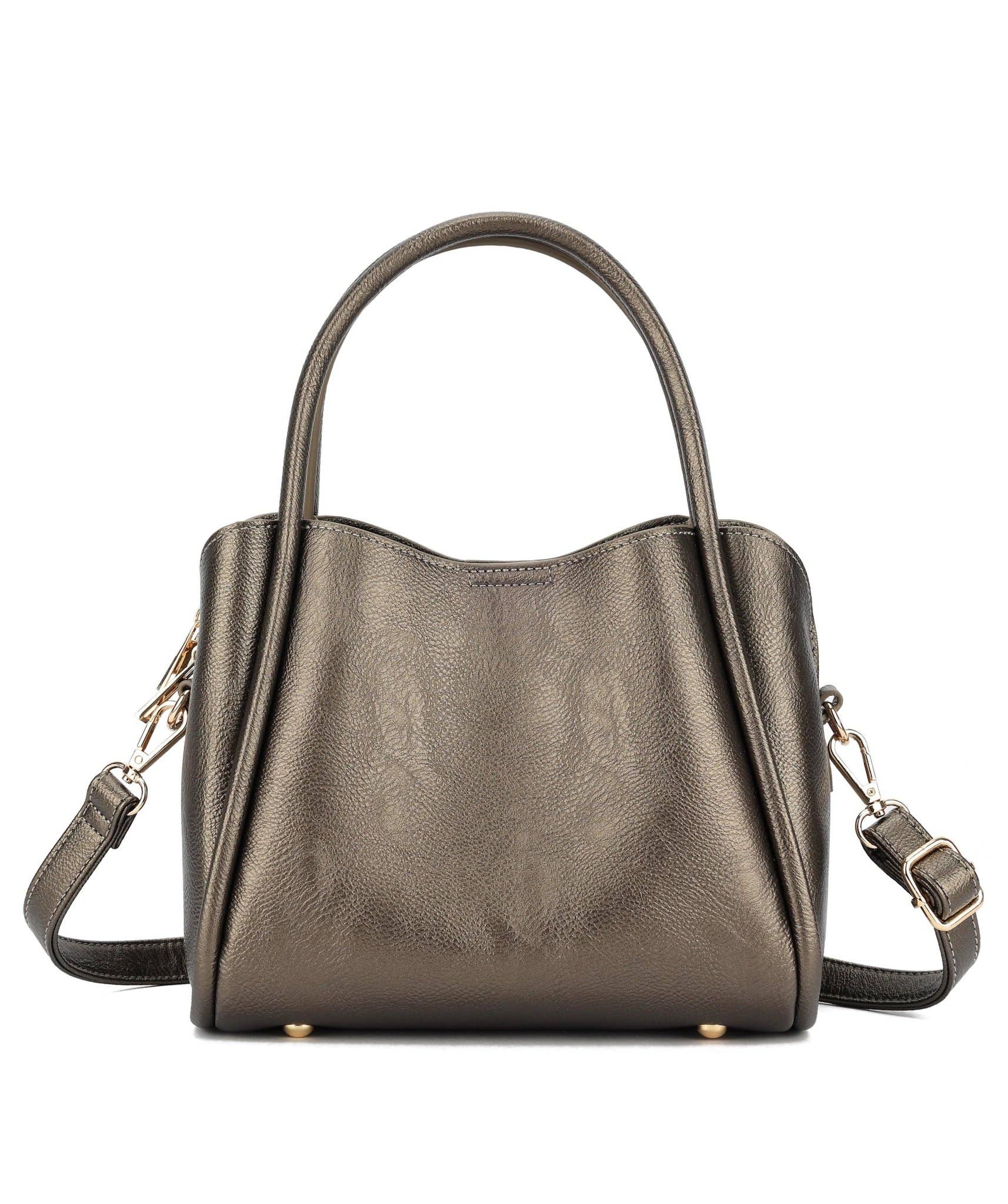
How a bag sits can matter as much as its appearance. A crossbody can keep your hands free while you walk, while top handles offer a classic option for shorter trips or moments when you prefer to carry it by hand.
Consider how you move through a typical day: navigating crowded sidewalks, reaching for a phone, or shifting between stops. Select a carrying style that feels comfortable and practical for those small, repeated moments.
Give organization a purpose
Compartments are useful when they solve a specific problem. Separate spaces can help keep everyday items from mingling, while a simpler interior may suit someone who prefers to carry less and find things by feel.
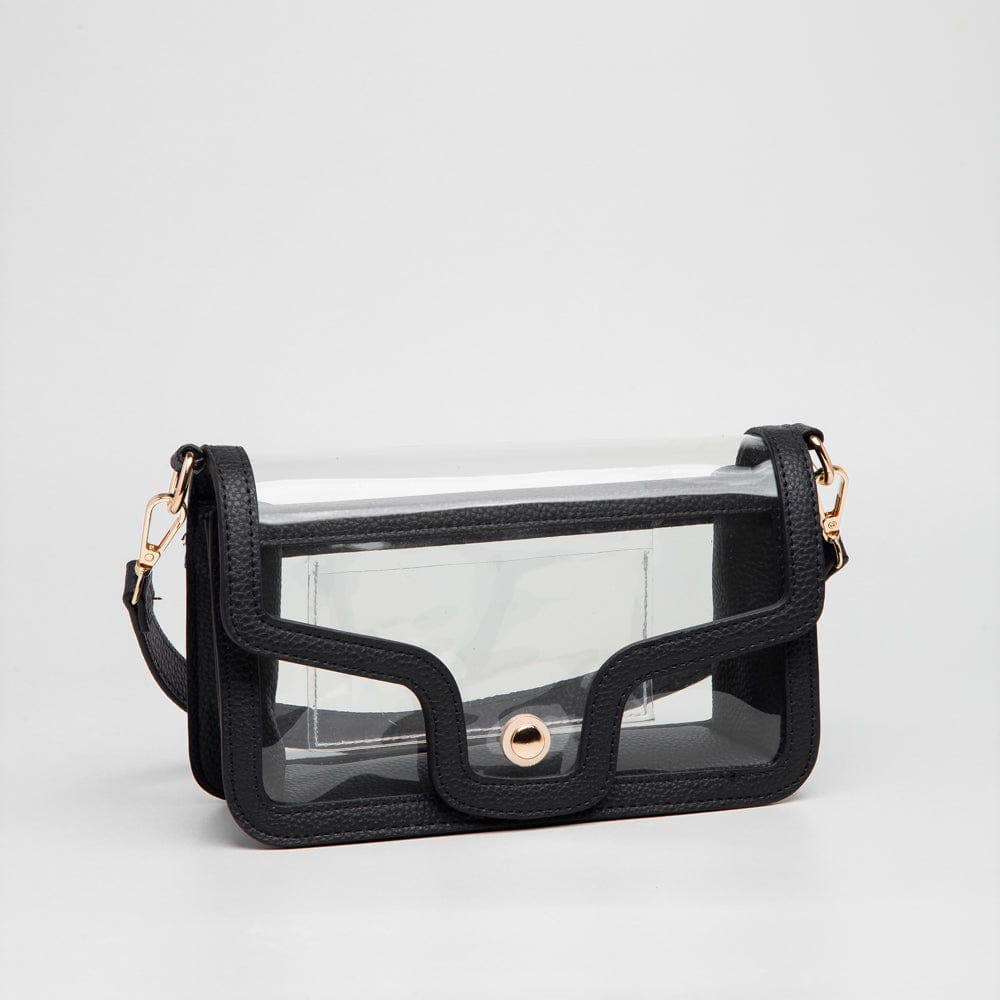
Notice what you reach for most often and where you want it to live. A secure closure can offer reassurance in busy settings; pockets can help keep frequently used items within easy reach.
Balance proportion and presence
A bag contributes shape as well as function. A structured silhouette can bring a crisp note to relaxed clothing, while a softer-looking outline may feel at ease alongside fluid layers and casual separates.
Check the scale against your usual outfits and proportions. A generous bag can anchor a simple look, while a compact style can keep a tailored outfit feeling light and uncluttered.
Make versatility personal
Versatility is not simply about taking a bag everywhere; it is about matching the way you dress. Consider whether its shape and details feel at home with the outfits you reach for across the week.
If your plans often shift, a design with more than one carrying option may be useful. Keep the rest of the look considered: repeat a color or echo the bag’s level of polish without matching every detail.
Let the season shape your palette
A bag can connect outfits across a season without requiring an exact match. Look at the colors already repeated in your wardrobe, such as the shade of your outerwear, trousers, or shoes, and choose a tone that sits comfortably alongside them. A neutral can bridge varied combinations, while a deeper accent can bring focus to a mostly understated palette.
Think about how the bag will appear in your most-worn layers. A light shade may stand out against dark coats, while a darker option can ground pale knits and shirts. If your clothing shifts noticeably between seasons, consider which palette occupies more of your week, rather than choosing for a single special outfit.
Read the details against your wardrobe
Small design details influence how formal or relaxed a bag feels. A clean outline and discreet hardware can sit easily with tailored separates, while more visible texture or contrast may lend interest to simple weekend clothing. Before choosing, compare those details with the finishes and patterns you already wear; the aim is compatibility, not a perfectly matched set.
Use your usual outfit formulas as a practical test. If you often wear printed dresses, a quieter bag can keep the overall look composed. With plain layers, a distinctive shape or finish can provide a point of interest. This approach helps you judge whether a bag complements your existing style instead of competing with it.
Keep a second bag in rotation
A small rotation can protect your favorite bag from becoming the answer to every outfit. Assign each option a clear role, such as one for workday polish and another for casual plans, so changing bags feels deliberate rather than burdensome. Choose roles based on the clothing you actually wear, not on occasions that rarely appear in your calendar.
When you switch, transfer essentials in a set order: keys, wallet, phone, and anything specific to that day. A short checklist near your usual getting-ready spot can prevent the familiar last-minute search. If two bags serve similar outfits, distinguish them through palette or finish, giving each a reason to stay in the rotation.
Check the finish before committing
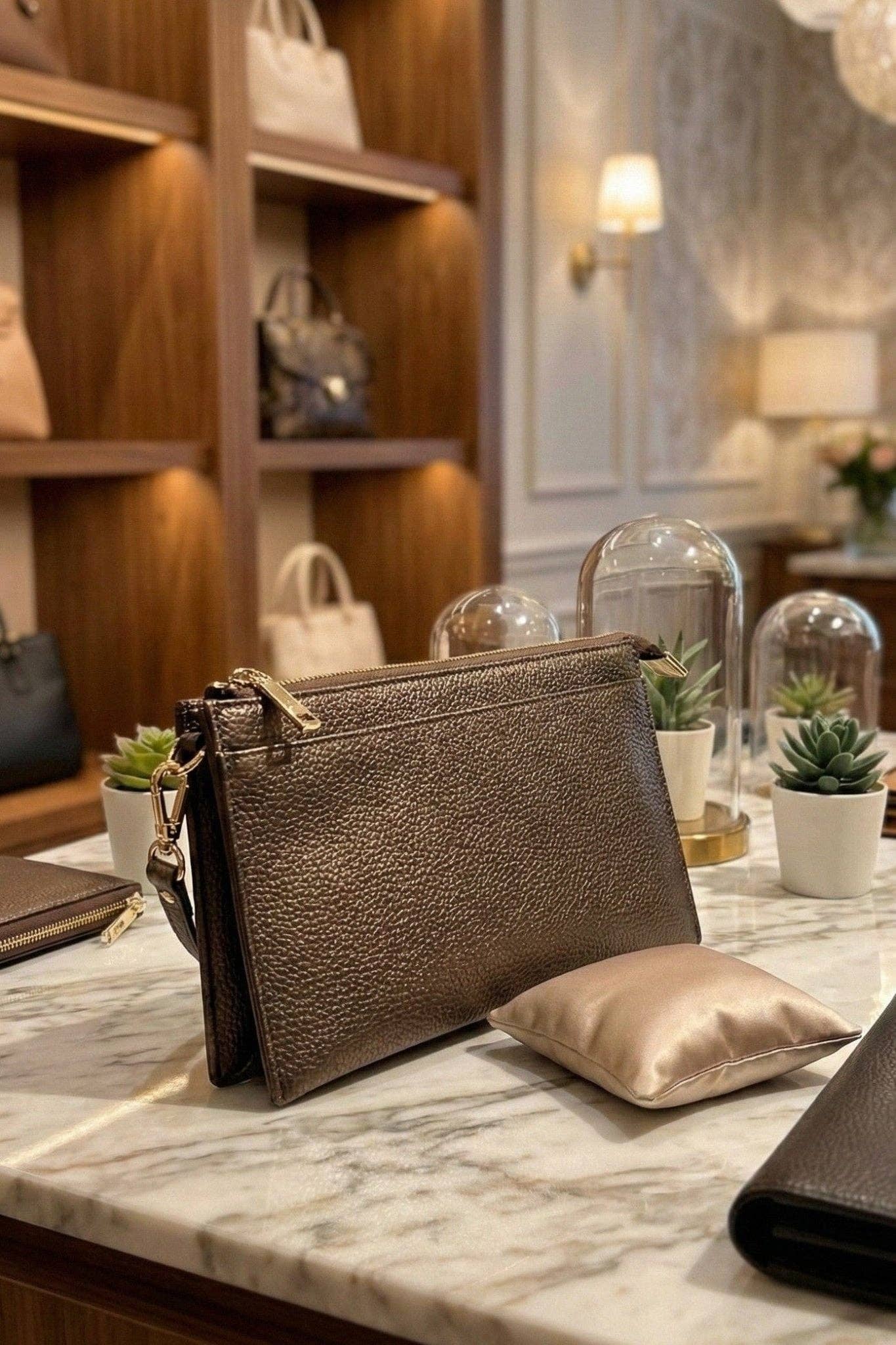
A close look at the finish can help you understand how a bag will read with your clothes. Notice whether the surface appears smooth, softly textured, or visibly structured, then compare it with the fabrics and finishes you reach for most. A considered mix can add depth, while repeating a similar visual texture can make an outfit feel especially cohesive.
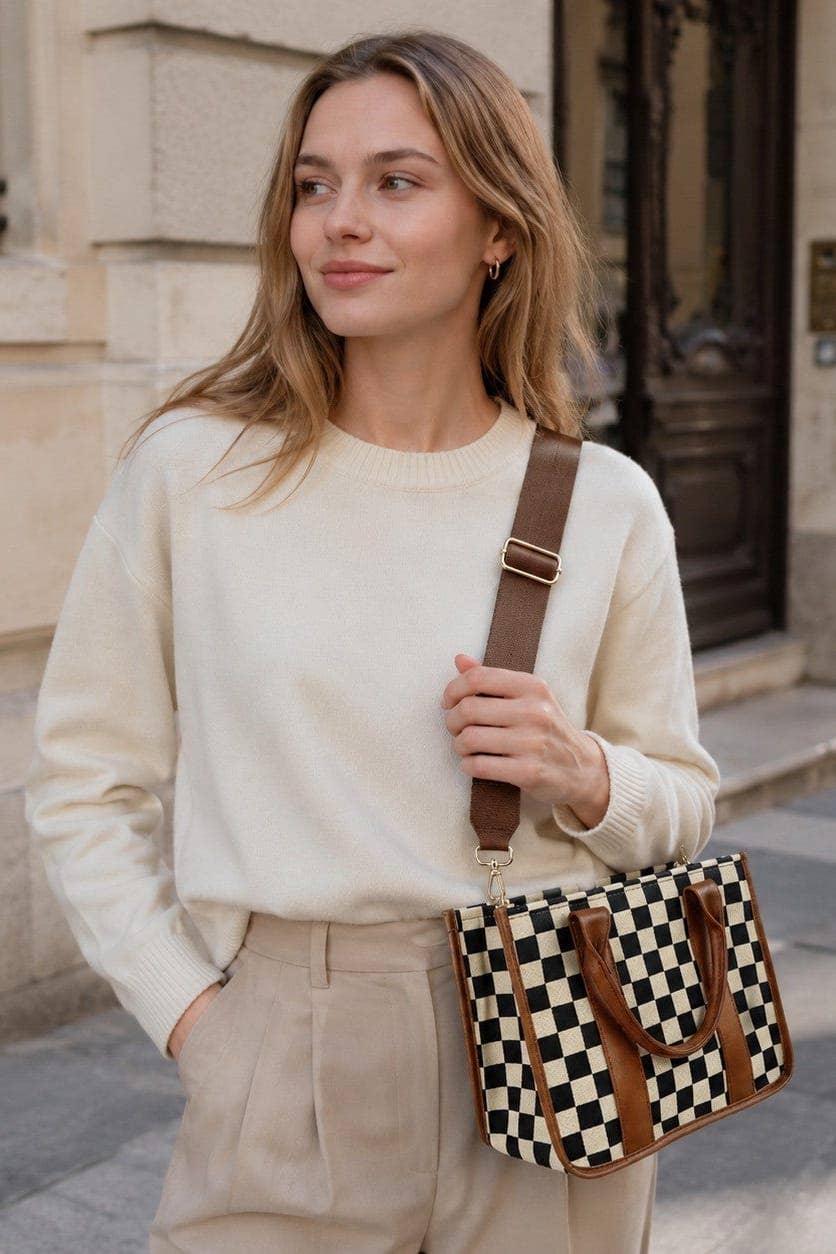
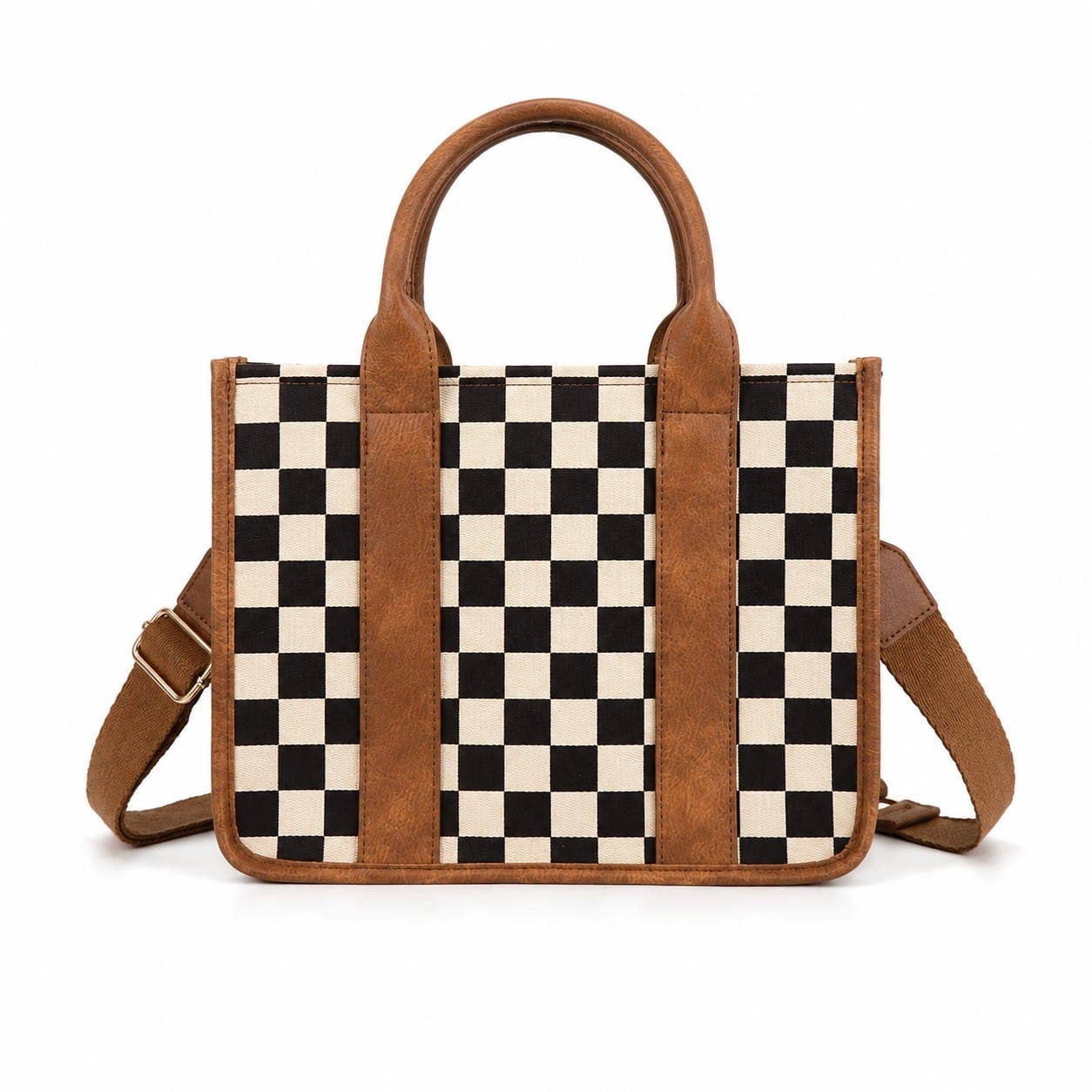
If you can examine the bag in person, view it in natural light and alongside a familiar outfit color. Online, use available images to assess the overall impression rather than relying on a screen to reproduce an exact shade. The Boston Canvas Tote Crossbody Bag, for example, pairs a canvas body with vegan leather trim, creating a mix of surface textures.
The best bag for your day is the one that makes your routine feel more considered, not more complicated. Let your schedule guide the capacity, let comfort shape the carry, and trust your eye to choose a style you’ll enjoy reaching for.