For any garment-care suggestion, follow the individual care label first. Read our care guide.
Shoes and hemlines work as a visual conversation: one sets a line, the other answers it. A small shift in either can make an outfit feel relaxed, polished, or unexpectedly playful. Rather than follow rigid rules, notice where the eye travels and how much of the leg your proportions reveal.
Start with the line you want to create
A hem that ends near the knee leaves a clear stretch of leg, while a midi length creates a longer uninterrupted line. A shoe with a low profile can keep that line airy; a more substantial heel adds visual weight and gives the outfit a stronger punctuation mark.
Try the same skirt or dress with two different pairs, then look at the full silhouette from a few steps back. The goal is not to make your legs look a certain way, but to decide whether you want the outfit to feel open, grounded, or deliberately dramatic.
Let volume guide the shoe
A wide or full hem already carries movement, so a streamlined shoe often gives it room to breathe. With a narrow, straight hem, a chunkier shape can add balance rather than letting the outfit feel too delicate from head to toe.
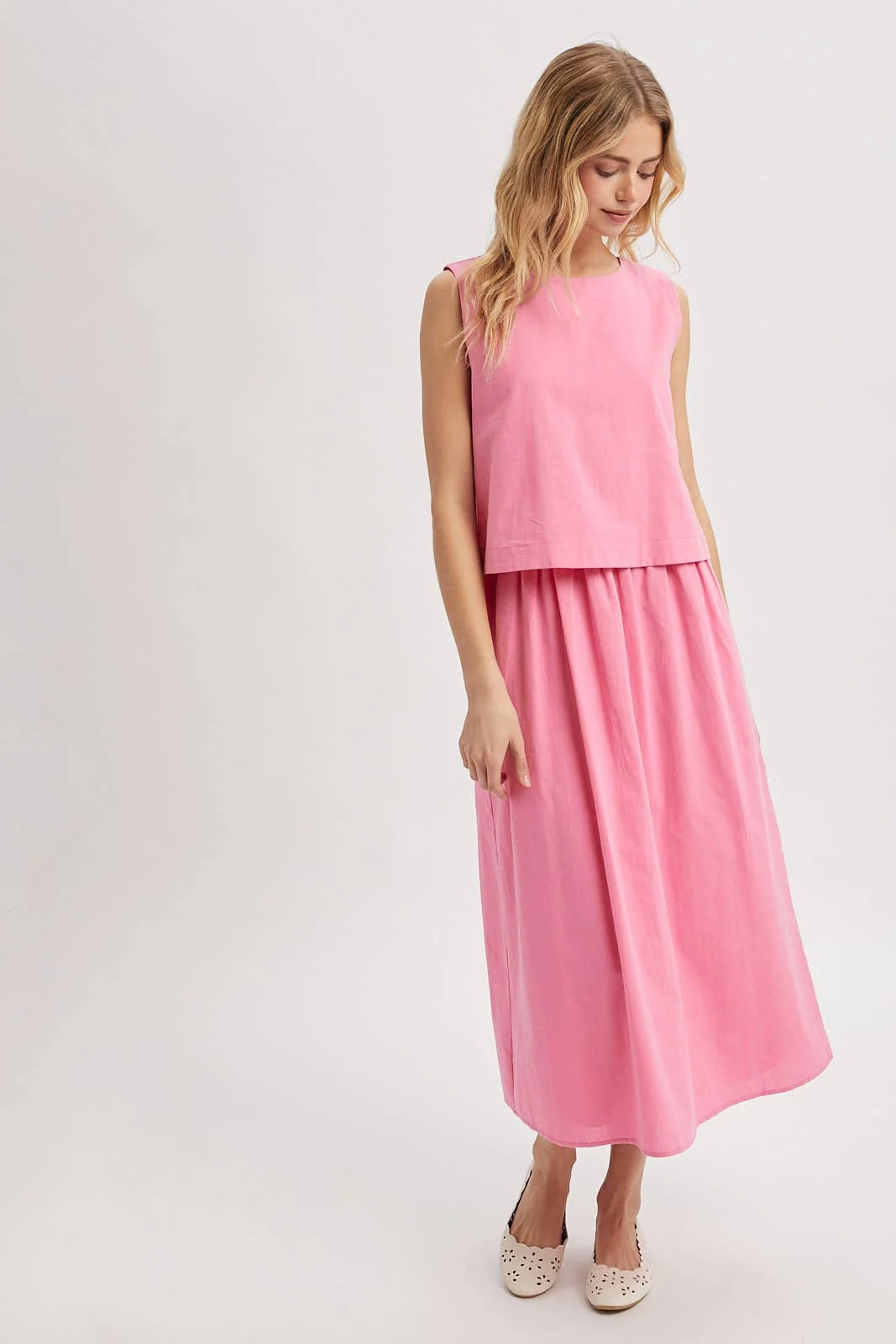
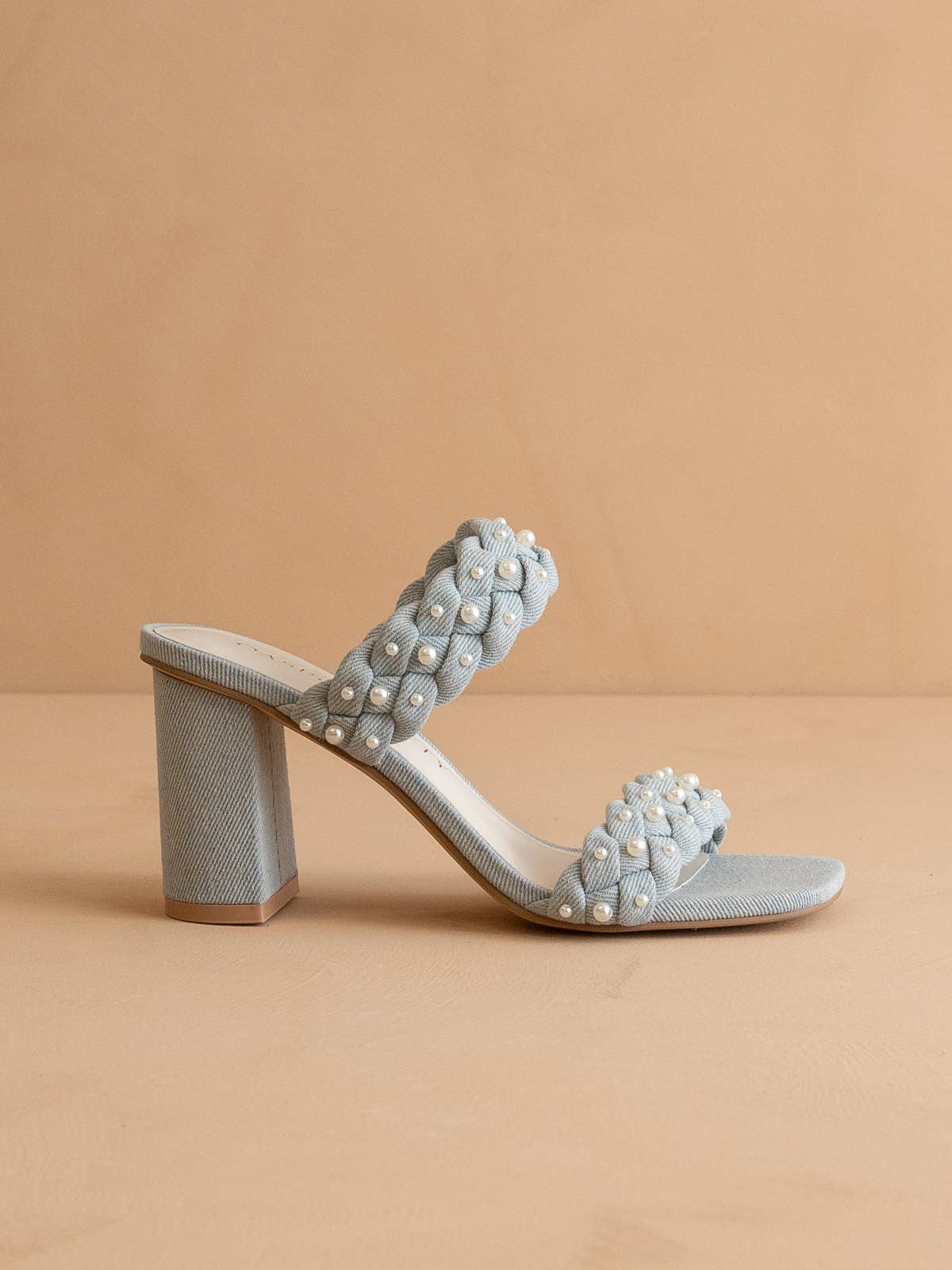
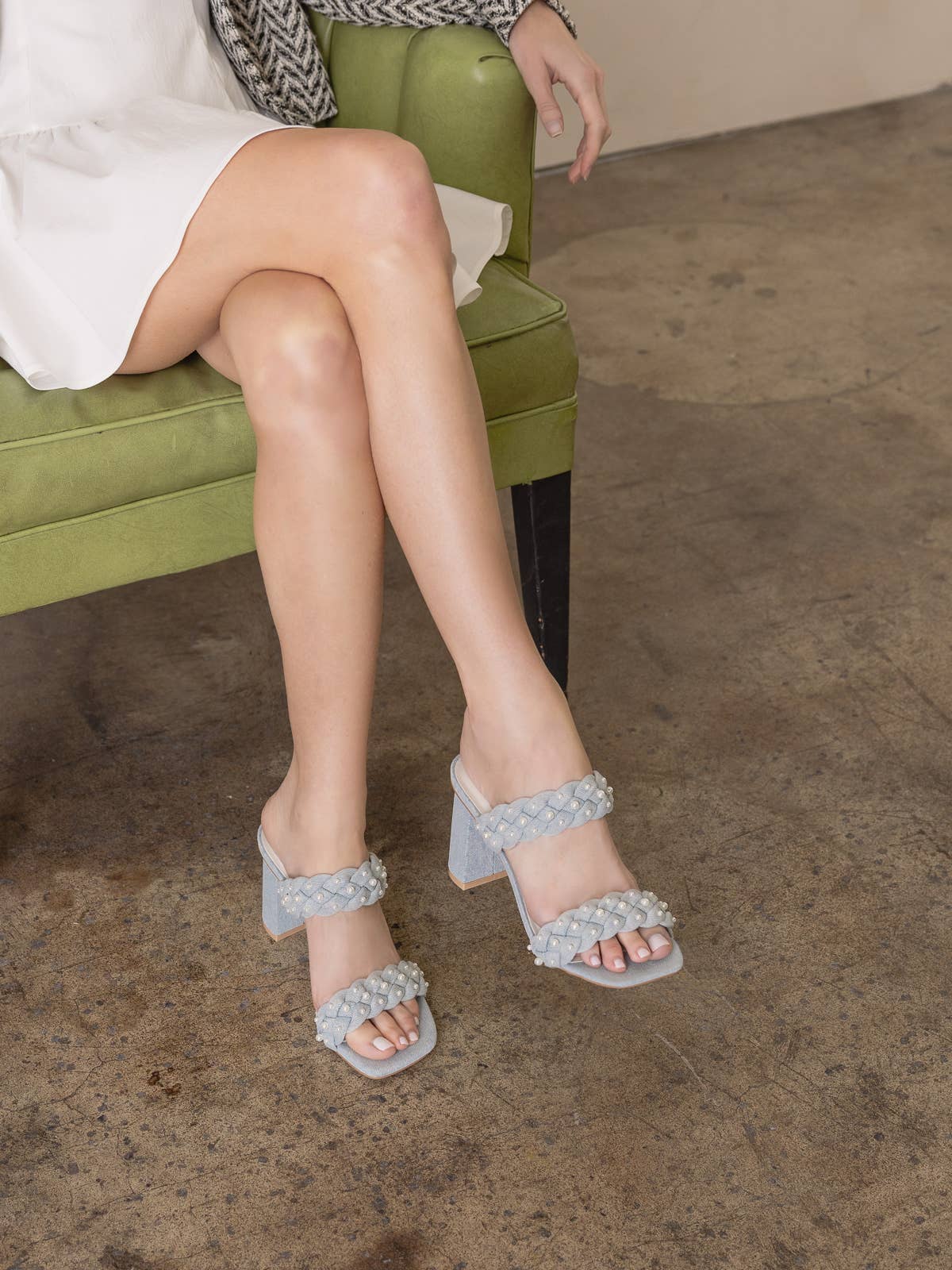
Think in terms of visual weight, not strict matching. A flowing midi and a simple flat can feel easy for daytime; the same length with a sculpted block heel reads more dressed. The Parisa heeled sandals, with a 3-inch block heel, offer one example of a more defined finish.
Use cropped hems to show intention
An ankle-length hem creates a natural frame for footwear. If the hem sits just above the ankle, a shoe that leaves some of the foot visible can keep the transition light. A closed shoe can work too; let the clean meeting point between hem and shoe look purposeful.
For trousers, check the hem while standing and walking, not only while seated. A slight break over the shoe feels different from a cropped finish that reveals the ankle. Neither is automatically better: choose the line that suits the outfit’s mood and the way you move.
Match the mood, not just the length
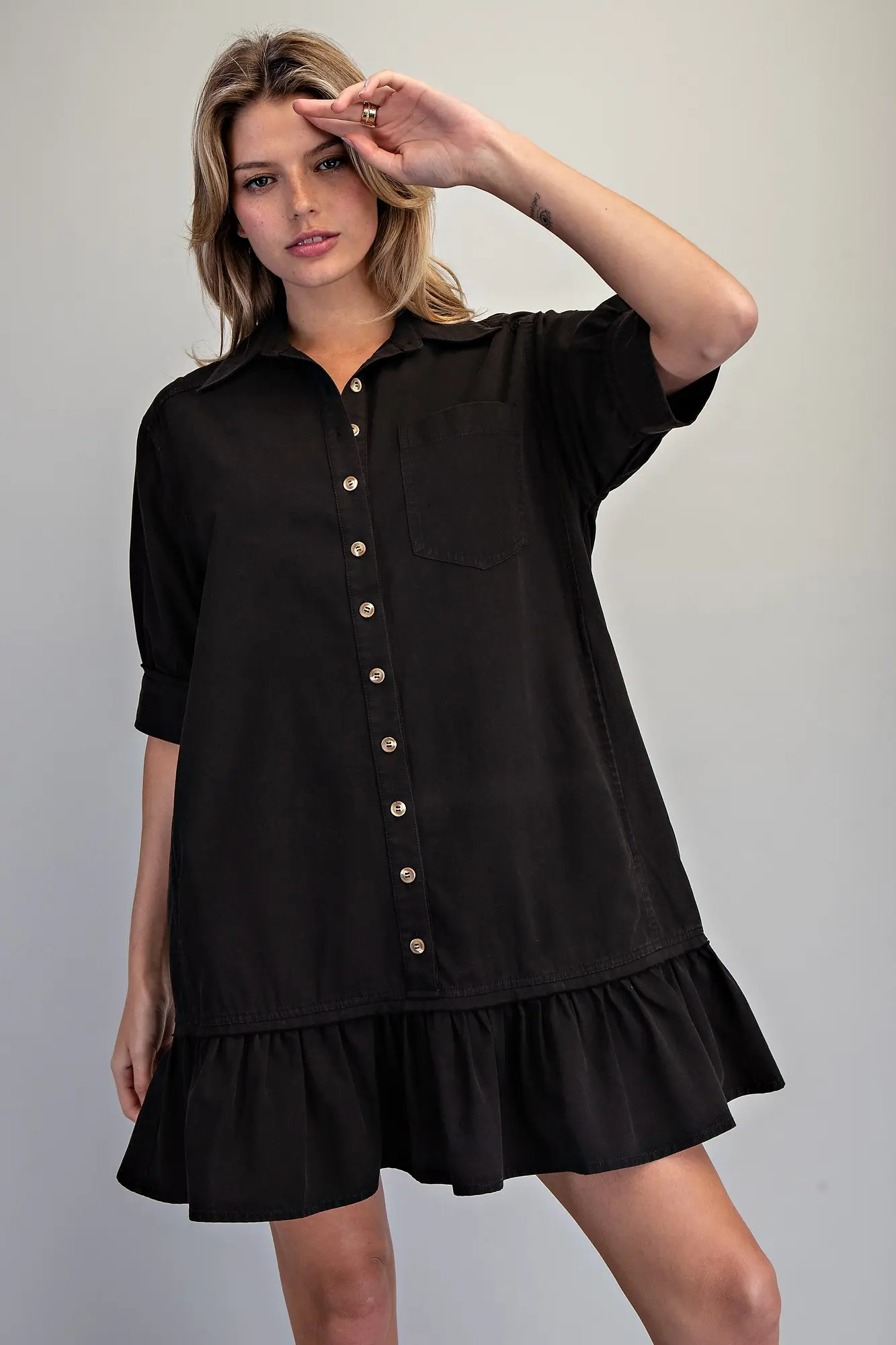
A playful mini hem can take a casual turn with an understated shoe or feel more polished with a dressier silhouette. A longer dress can shift from relaxed to occasion-ready with footwear that has a little more presence, even when the hem itself stays unchanged.
Consider the setting and the rest of the outfit before reaching for a familiar pairing. A sleeveless midi, for example, can feel breezy with simple shoes or more composed with a heeled style. Let the overall balance—not a one-size-fits-all formula—make the final call.
Make comfort part of the proportion
A pairing only works if you can move naturally in it. Walk, sit, and take a few steps on the kind of surface you expect to encounter. Notice whether the hem catches, shifts, or feels awkward around the shoe, and adjust the combination before you leave.
When comparing options, keep the rest of the outfit steady so you can see what the shoe is changing. A mirror check from the side can reveal where a hem falls relative to the ankle or heel. Trust the version that feels balanced in motion as well as in a still pose.
Account for texture and visual contrast
Footwear can either echo a fabric’s finish or introduce a deliberate contrast. With a crisp, structured hem, a smooth shoe often keeps the outfit feeling clean; with a softly textured skirt, a matte or woven-looking shoe can make the combination feel considered. Keep one finish dominant when you want a quiet result, and use contrast when the outfit needs a focal point.
Before choosing, compare the shoe and hem in natural light, especially when their colors are close. A slight difference in tone may read as a thoughtful separation rather than a mismatch, while two nearly identical shades can look accidental if their textures differ sharply. If uncertain, repeat one color elsewhere in the outfit so the footwear feels connected rather than isolated.
Choose color with the hem in mind
Color affects how clearly the shoe appears beneath a hem. A shoe close to your skin tone or trouser color can make the transition feel continuous, while a darker or brighter shoe creates a visible endpoint. Use that endpoint intentionally: a strong contrast can anchor a simple outfit, whereas a quieter shade lets a patterned or colorful hem remain the focus.
For a wardrobe pairing you can repeat, begin with the colors already present in the garment rather than searching for an exact match. Pick up a small shade from a print, or choose a neutral that sits comfortably beside the hem. When testing a bold shoe, keep the rest of the outfit restrained and check whether the eye lands first on the footwear or the overall silhouette.
Plan footwear for changing weather
Weather can alter the relationship between a hem and a shoe, so consider the route as well as the outfit. A long hem may brush damp ground or collect debris; for a rainy walk, a shorter skirt or a trouser hem with more clearance can be the practical choice. In warmer conditions, an open shoe may suit the setting, but avoid letting seasonal expectations dictate a pairing that feels wrong for the day.
For uncertain forecasts, build a simple backup into your routine. Try the intended shoes with the garment before leaving, then check the hem after a few steps and again when seated. If the combination depends on keeping fabric clear of wet pavements, choose a different hem or bring an alternative pair that works with the same outfit. The aim is to arrive looking composed, not preoccupied.
Use tailoring to refine the meeting point
If a favorite outfit repeatedly looks awkward at the shoe, the hem may need a small adjustment rather than another purchase. Ask a tailor to assess the garment while you wear the shoes you plan to pair with it; the correct length can shift noticeably with heel height or sole thickness. For trousers, bring the shoes you wear most often, and explain whether you prefer a clean break, a slight break, or an ankle reveal.
Treat alterations as a decision about how the garment will be used. A skirt reserved for one pair can be hemmed precisely, while a versatile piece may need to work with several shoe heights. In that case, test the garment with each option before changing its length, and avoid cutting away fabric until you have settled on the most useful everyday pairing.
Balancing shoes and hemlines is less about memorizing rules than paying attention to line, weight, mood, and movement. Experiment with the pieces you already enjoy, make one change at a time, and notice what feels like you. That small, thoughtful adjustment can bring an entire outfit into focus.