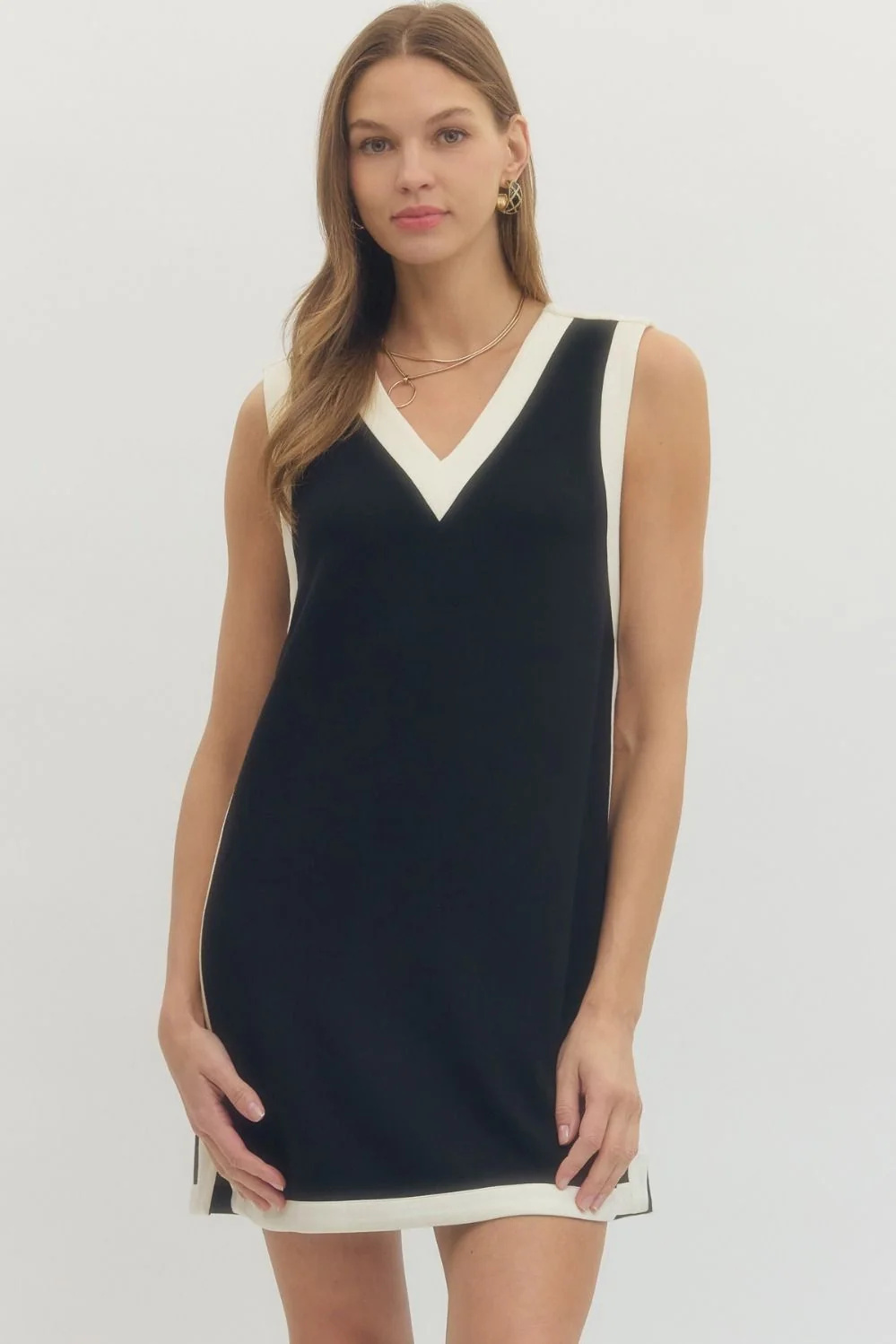
For any garment-care suggestion, follow the individual care label first. Read our care guide.
An active day rarely follows a single dress code. You might walk across town, pause for coffee, then head somewhere that calls for a little polish. A casual dress gives you a simple starting point: one piece, ready for different moments. Choose a silhouette that lets you move comfortably, and use shoes, layers, and a few thoughtful details to make it your own.
Choose a shape that keeps pace
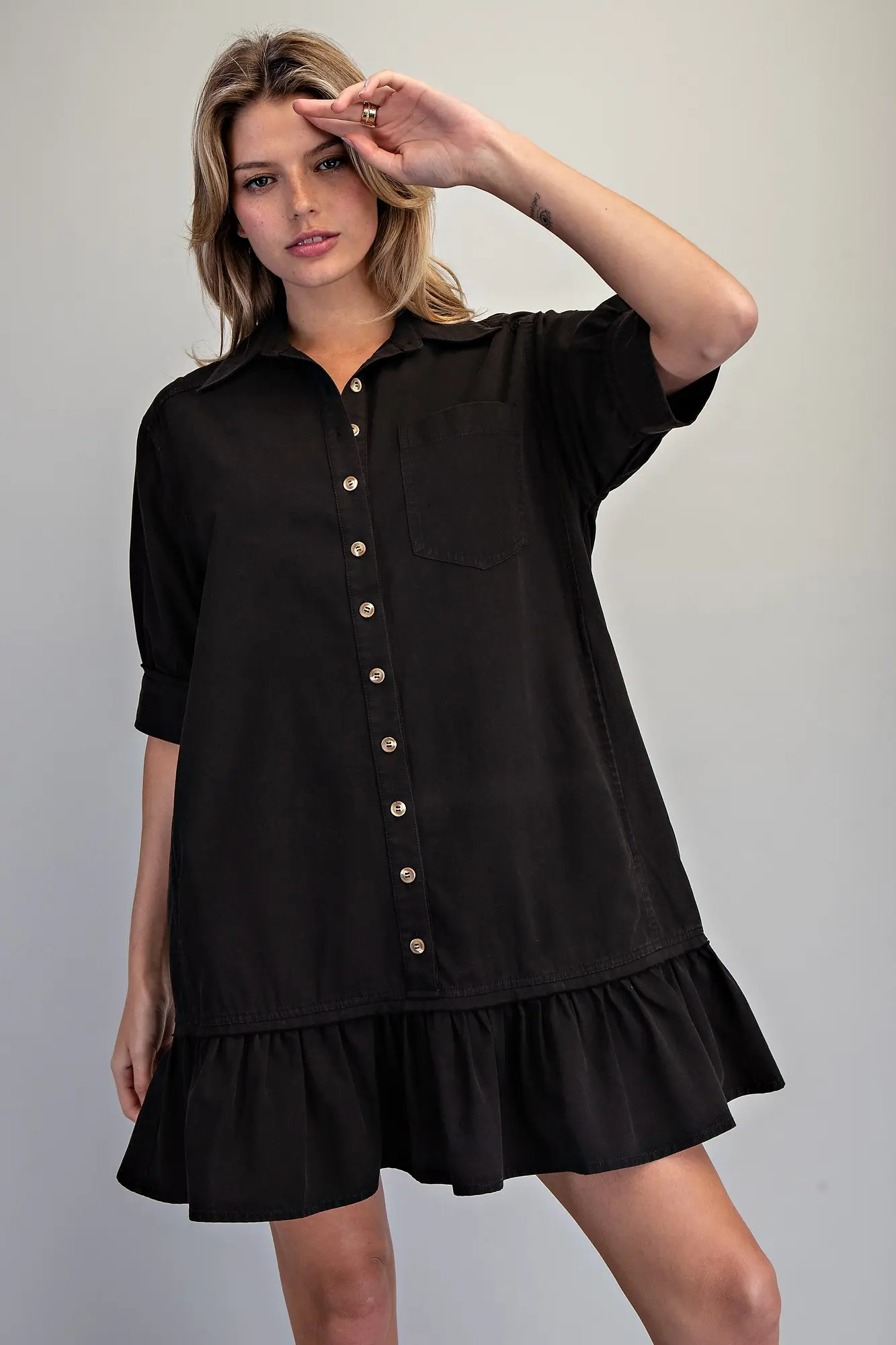
Think about how you’ll spend the day before choosing a hemline or silhouette. A relaxed mini can feel spirited for quick outings, while a longer, easy shape may suit a schedule with lots of walking and changing plans.
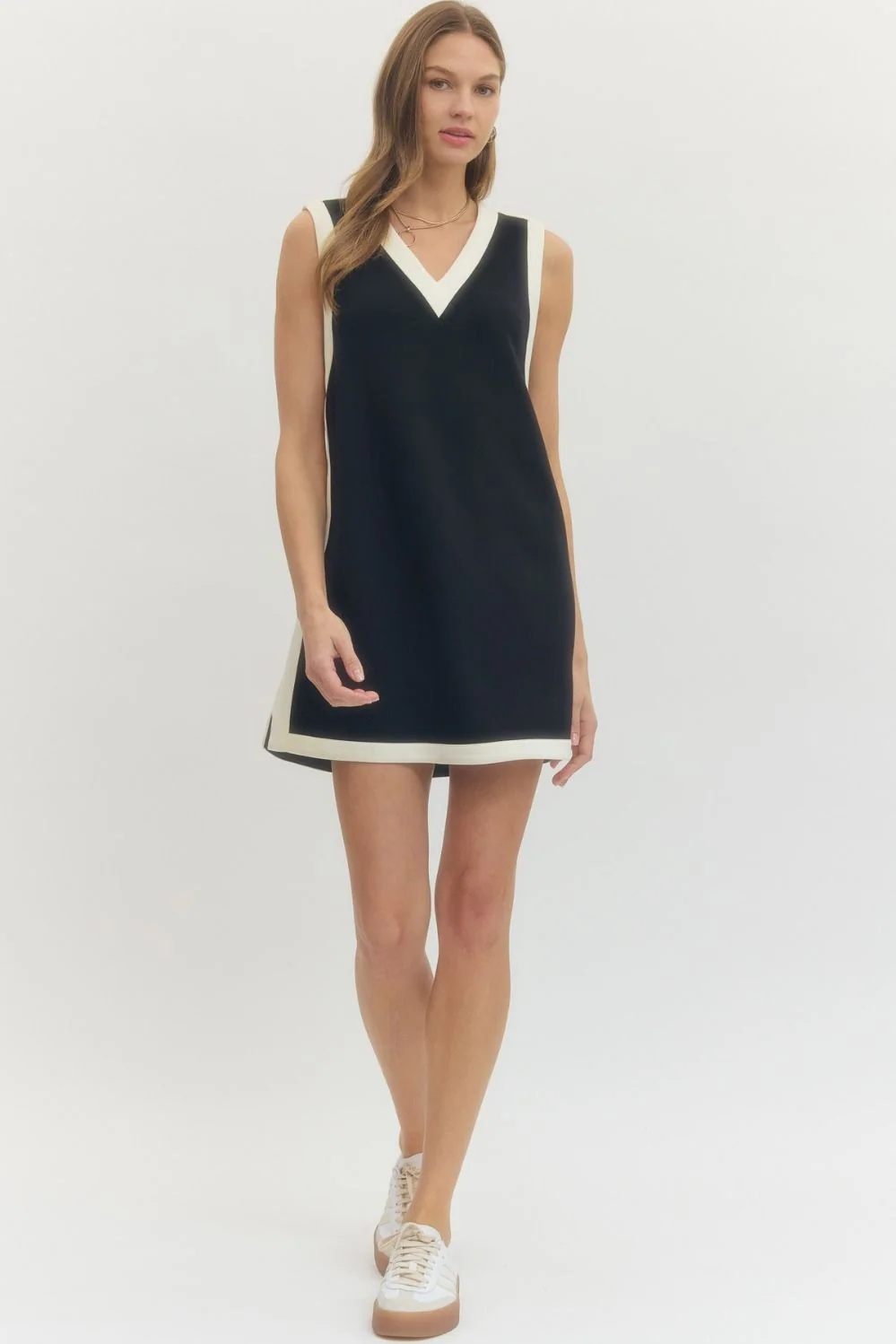
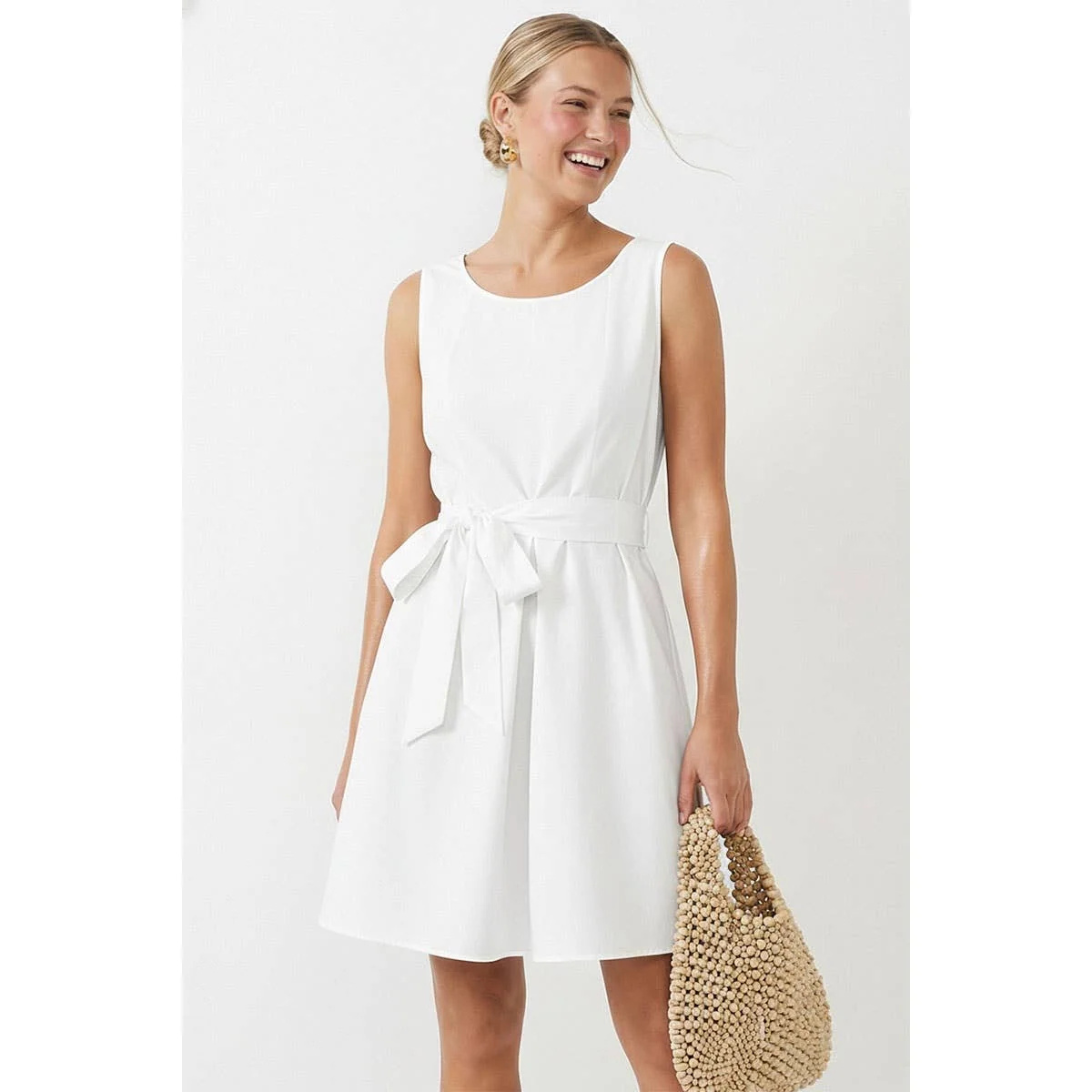
Sleeveless styles leave room for a light layer when the morning is cool, and a defined waist can add shape without extra styling. The goal is ease in motion, not a look that needs constant adjusting.
Make footwear the practical anchor
Shoes shape both the mood and the usefulness of a casual dress. For a day on your feet, consider supportive sneakers or low-profile flats; choose a pair you already trust for comfort rather than relying on appearance alone.
A sporty dress can pair naturally with clean sneakers, while a simple silhouette welcomes sandals or flats. If your plans include several stops, keep the footwear consistent and let a change of bag or outer layer refresh the look.
Layer for changing conditions
A light cardigan, denim jacket, or casual overshirt can make a dress more adaptable when temperatures shift. Wear it open to preserve the line of the outfit, or tie it loosely at the waist when the afternoon feels warmer.
Keep layers easy to remove and carry, and consider where you’ll put them when they’re off. A compact layer is especially useful for indoor errands, breezy walks, or a long day that stretches into evening.
Use small details with intention
A belt can bring focus to the waist when a dress has a simple outline. If the style already includes a belt, let that detail lead and keep the rest uncomplicated; otherwise, a familiar accessory can create a clearer shape.
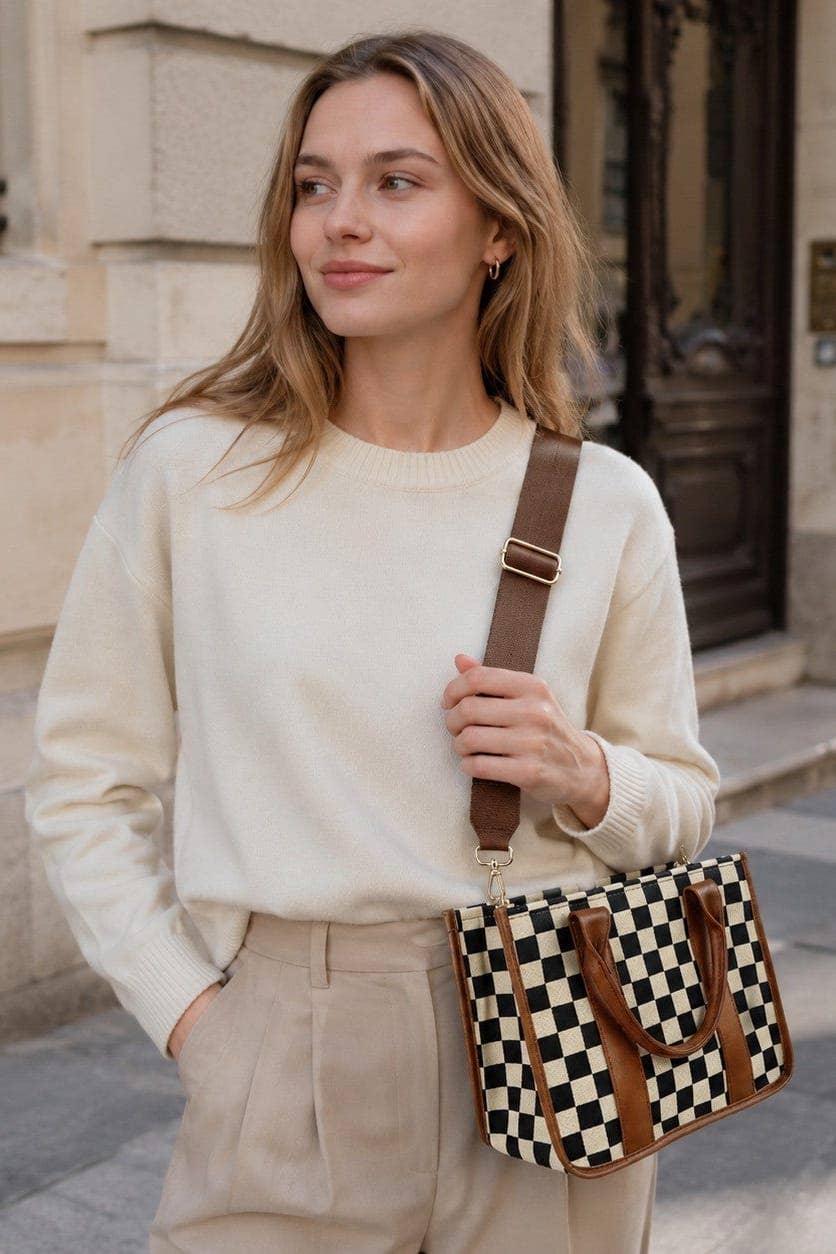
A roomy bag helps keep daily essentials together, while a crossbody strap can leave your hands free. Choose only what suits the day’s plans, so the outfit feels considered rather than crowded with extras.
Keep comfort and care in view
Before heading out, check that the dress feels comfortable when you sit, reach, and take a few steps. Try the full outfit at home, including shoes and layers, so you can spot anything that may distract you during the day.
For care, follow the garment label first. If it recommends hand washing, use that method; if it permits machine washing, follow its temperature and cycle guidance. When instructions are unclear, seek appropriate care advice rather than assuming a fabric is washable.
Plan a compact change of scene
When one day includes both casual errands and a more polished appointment, plan a small outfit adjustment rather than packing a second dress. A neat overshirt can come off, or a change of bag can shift the impression without adding much bulk. Decide on that transition before leaving, so the extra piece has a clear purpose and does not become another item to carry.
Keep any spare piece folded in a way that suits its material, and choose something that works with the dress already on. A simple scarf or a clean-lined belt can be enough if either suits the outfit. The useful test is whether the change takes less than a minute and still feels comfortable once you are back in motion.
Choose colors that work across stops
A restrained color plan helps a casual dress feel appropriate in several settings without relying on extra layers. Start with the dress, then choose one or two supporting shades for your bag and other accessories. If the dress has a strong pattern or contrast detail, keep those additions quiet; if it is plain, a single brighter accent can make the look feel intentional.
Consider the places on your schedule as well as the colors themselves. A muted combination can move easily from a market to a lunch meeting, while a crisp contrast may suit a casual gathering later in the day. Check the outfit in natural light before leaving, since colors can read differently indoors and outdoors.
Keep a small essentials kit ready
A little preparation can prevent minor snags from interrupting a busy day. Keep a compact kit with items that match your routine, such as a hair tie, tissues, a stain-removal wipe if appropriate for the garment, and a spare fastener. Choose only what you are likely to use, and store it together so it does not disappear among other bag contents.
Before packing anything for garment care, check the dress label and the item’s instructions. If a mark appears, avoid rubbing or applying a product unless its directions suit the garment; blotting gently with a clean cloth may be a cautious first response, but follow care guidance. The kit should support the day, not encourage an untested fix.
Match the dress to your schedule
Look at the rhythm of the day, not just its first stop. A schedule with frequent sitting, bending, or carrying calls for a dress that stays comfortable in those positions. If you will be moving between indoor and outdoor settings, consider whether the neckline and sleeve coverage feel right in both. A quick trial at home can reveal awkward pulls or restrictions before they become inconvenient.
For a long stretch away from home, think about where you can pause and reset. A restroom break offers a chance to smooth the dress, check hems, and adjust anything that shifted during travel. If an evening plan is possible, choose a base outfit that already feels suitable rather than counting on a complete change later.
The best active-day dress is one that works with your real routine: comfortable in motion, easy to layer, and simple to style for a change of plans. Start with the shape you enjoy wearing, then let practical shoes and a few useful details do the rest.