For any garment-care suggestion, follow the individual care label first. Read our care guide.
Maxi dresses make getting dressed feel simple, but the best everyday outfit still responds to the day ahead. Think about where you are going, how much you will be moving, and what the weather might do. Then use shoes, layers, and small styling adjustments to make a long silhouette feel natural from a morning errand to a relaxed dinner, without saving it for a special occasion.
Start with the day’s rhythm
For a day with several stops, choose a maxi dress that lets you move comfortably and does not need constant adjusting. Walk around at home before heading out, checking that the hem and sleeves feel manageable when you sit, reach, and take the stairs.
If your plans shift from a casual lunch to an appointment, keep the outfit’s foundation easy and let one thoughtful layer add polish. A neat cardigan or lightweight jacket can make the look feel considered while staying practical for changing indoor temperatures.
Balance the length with your shoes
Shoes influence how a maxi dress feels as much as how it looks. Flat sandals, simple sneakers, or low-profile flats can keep the mood relaxed for walking, while a modest heel offers a little lift when the occasion calls for it.
Check the hem with the shoes you expect to wear, especially if you will be crossing uneven ground or climbing steps. The goal is a length that moves freely without dragging, so you can focus on the day instead of watching every step.
Use layers to meet the weather
A cropped layer can bring definition to a long dress, while an open shirt or longer cardigan creates a softer, easygoing line. Try each over the dress and notice where the hem and sleeves land; a comfortable proportion matters more than a strict styling rule.
For a cool morning that may turn warm, choose a layer that is easy to carry once you no longer need it. A light scarf or simple jacket can also help with breezy outdoor plans, provided it feels comfortable over the dress.
Let print guide the rest
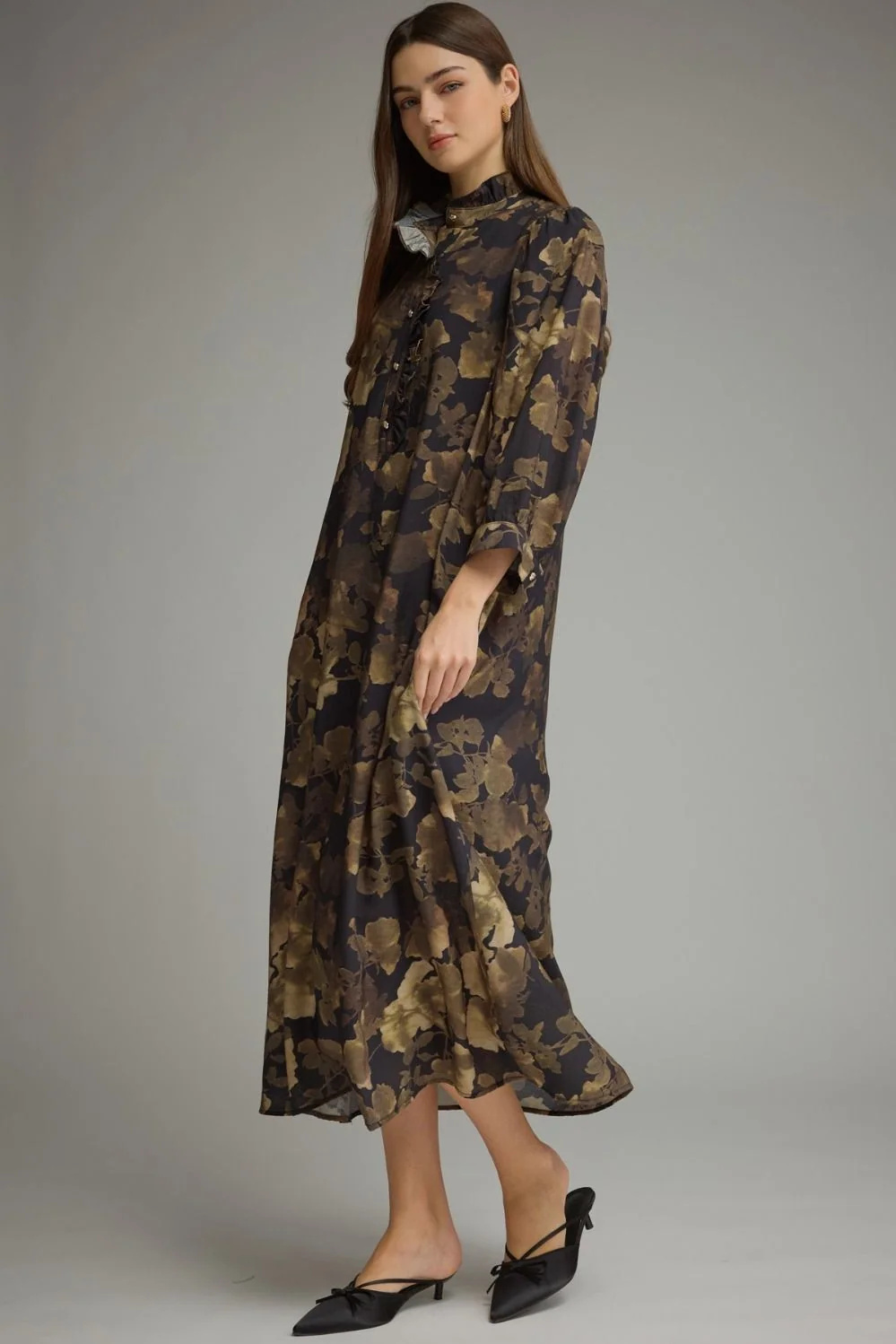
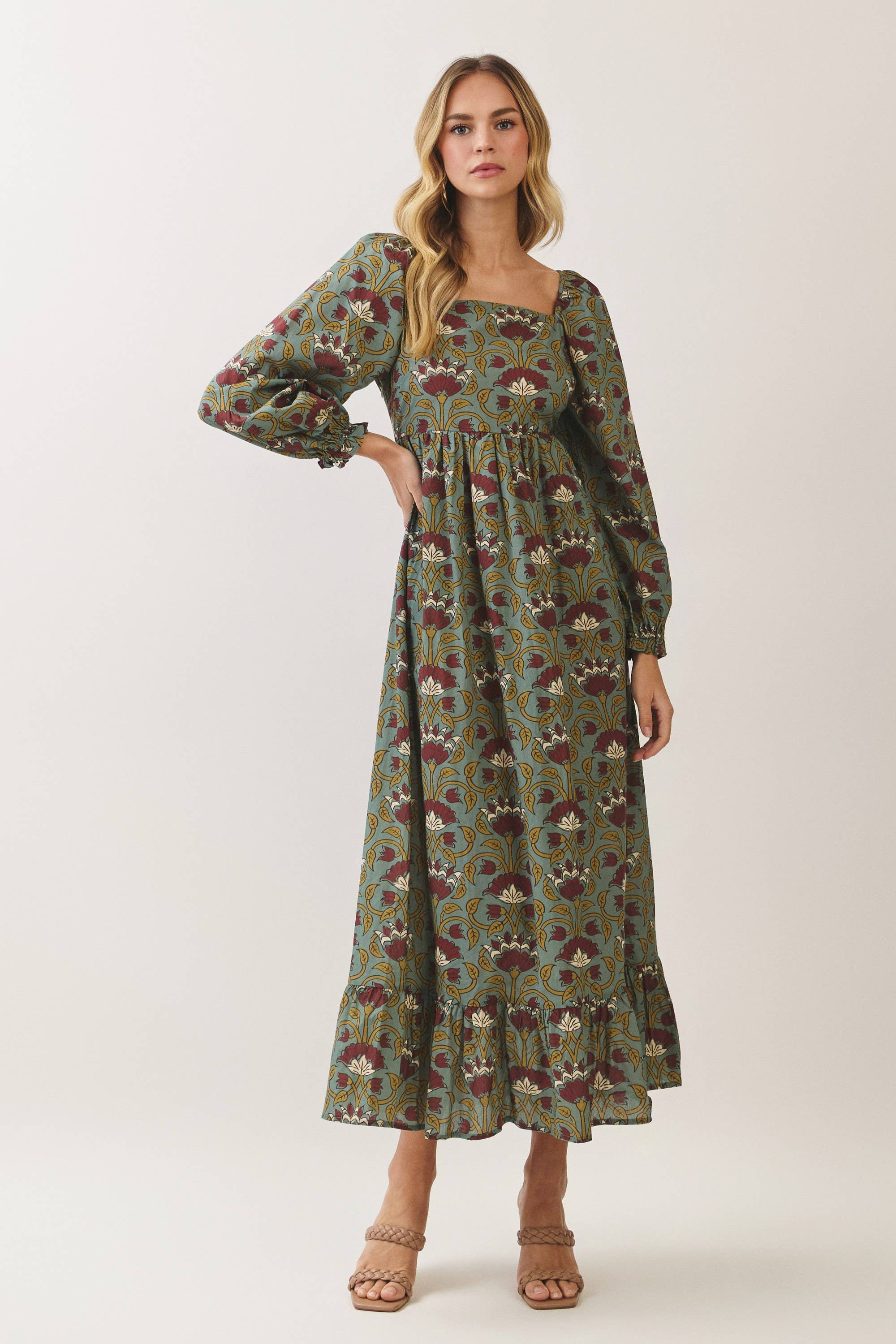
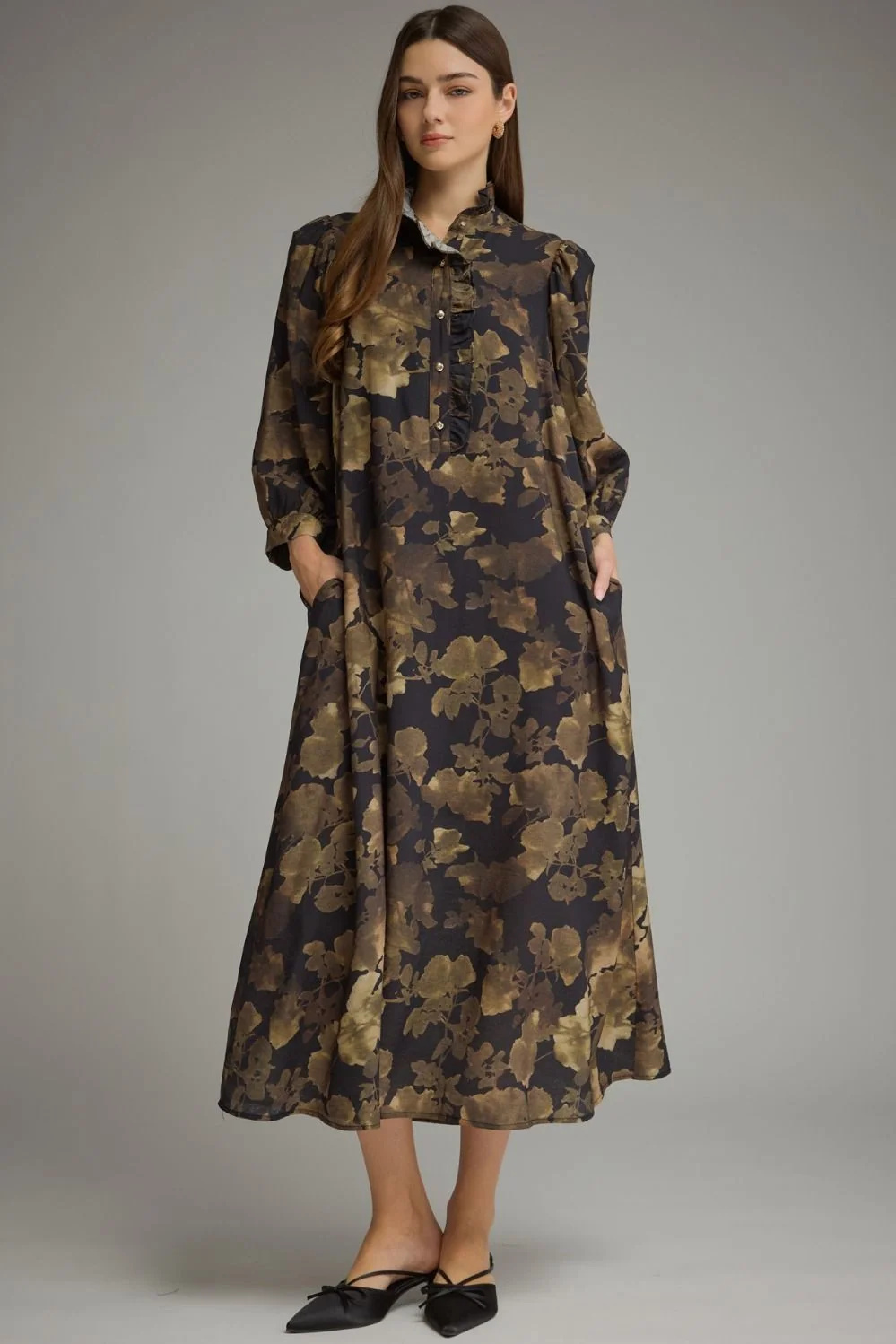
When your dress has a noticeable print, keep the surrounding pieces calm so the pattern has room to shine. A solid-colored layer and uncomplicated shoes make a busy day look pulled together without competing with the dress’s own details.
With a solid dress, try a patterned overshirt or a textured layer for contrast. If you choose a printed dress, look for one color within its pattern to echo elsewhere in the outfit, creating a pleasing connection without matching everything.
Make comfort part of the plan
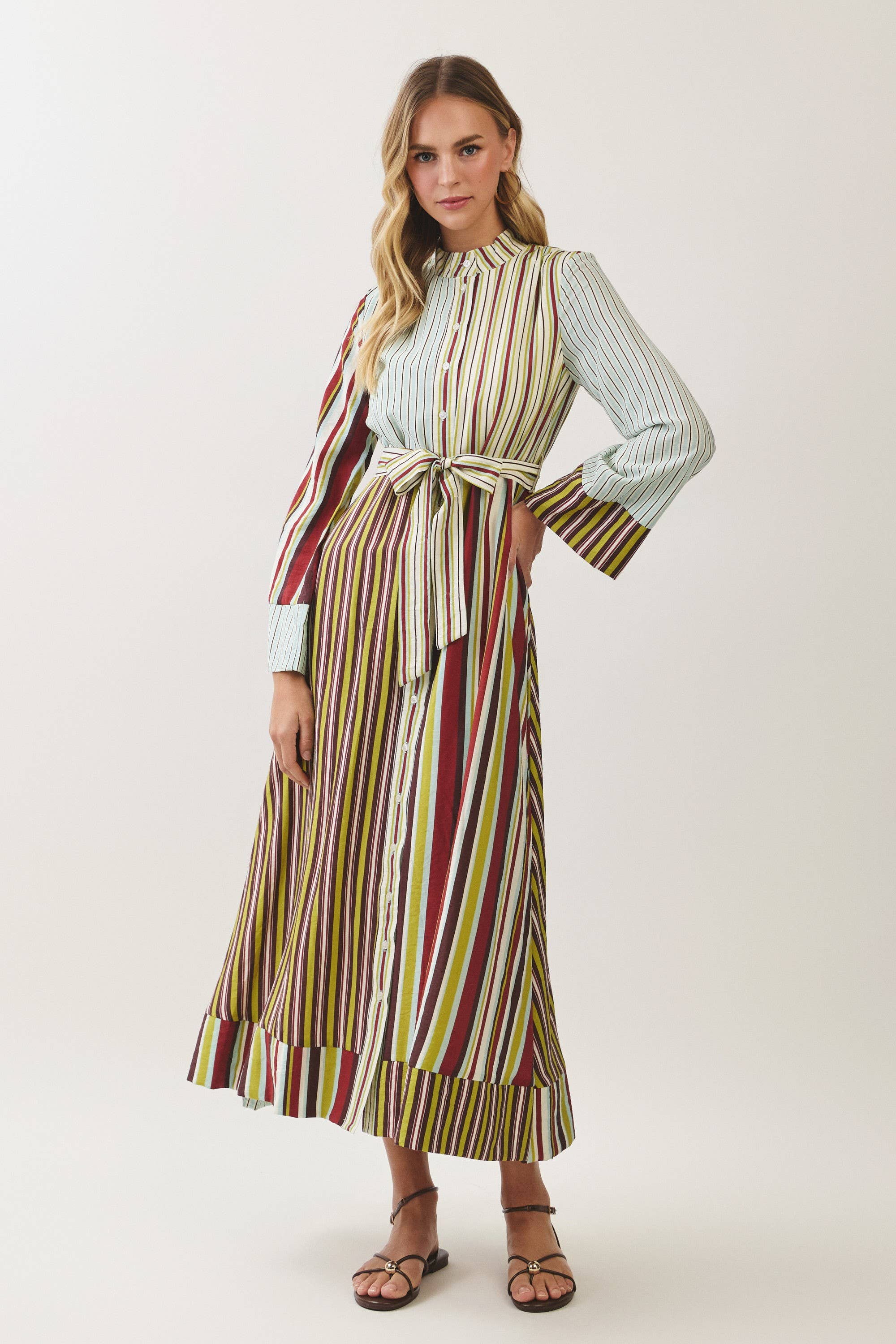
Before leaving, check that straps, sleeves, and closures sit comfortably through ordinary movement. If a waist tie is part of the design, adjust it so you can sit and breathe easily; a relaxed fit helps the dress work for longer plans.
For cleaning or care, begin with the garment’s care label and follow its specific directions. If the label permits a washing method, use that guidance; when instructions are unclear, seek suitable advice rather than assuming the fabric can be machine washed.
Choose a bag that suits the route
Think about what you need to carry before choosing a bag for a maxi dress. A hands-free crossbody is useful for errands or transit, while a compact shoulder bag can feel less bulky when you are sitting at a café. Check that the strap does not catch on sleeves or pull the neckline out of place as you move.
For a longer outing, keep essentials in a bag that stays comfortable against your side and does not drag across the dress. If you are carrying a tote, adjust its handles so the hem and skirt remain clear when you lift it. A simple shape can also keep a roomy bag from overwhelming a flowing silhouette.
Define the waist without fuss
A waist detail can change the impression of a long dress without requiring a full outfit change. If the dress has a self-tie belt, fasten it gently at the point that feels comfortable, then check the shape while seated as well as standing. Avoid pulling a tie so tightly that it restricts breathing or makes the fabric bunch.
When a dress has no built-in waist detail, try a slim belt only if it sits smoothly over the material and stays in place through ordinary movement. Another option is to tuck a small section of an open shirt at the front, leaving the rest loose. Keep the adjustment subtle so the dress still feels easy to wear.
Use pockets and closures thoughtfully
Before heading out, check how the dress’s closures behave when you bend, sit, and reach. Fasten buttons evenly and make sure a neckline or cuff does not gape during movement. If the design includes pockets, carry only light essentials in them; a heavy phone or keys can pull the skirt to one side and interrupt its drape.
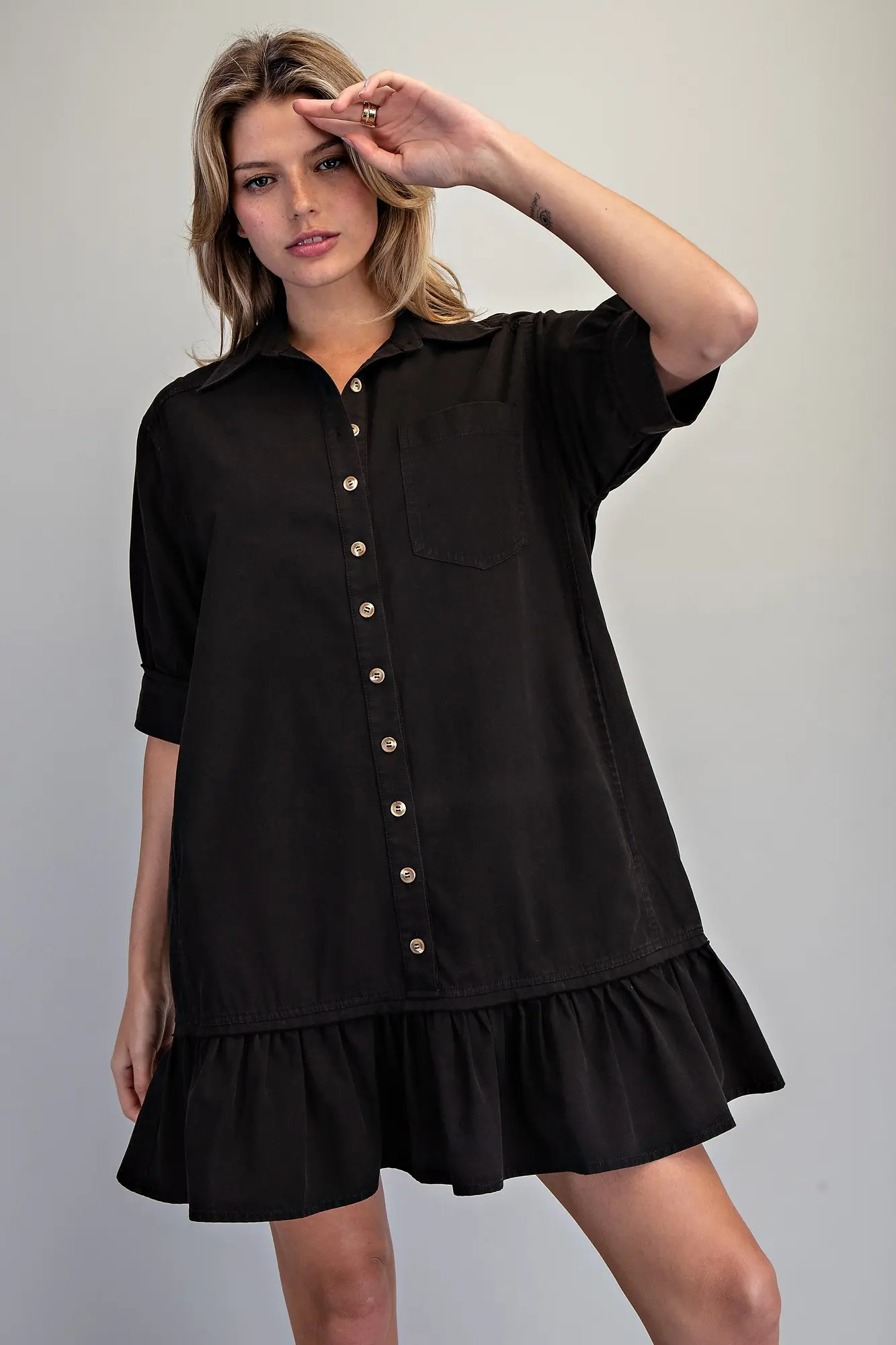
When a dress has a partial button front, decide whether you want every button closed or a small opening at the hem for easier steps. Keep the opening modest enough for your plans, and check it again after walking or sitting. These small checks help the garment work smoothly without adding extra pieces or repeated adjustments later.
Refresh the outfit between plans
If you want one dress to work for a casual daytime stop and a more composed evening setting, change one finishing choice rather than rebuilding the outfit. Swap a soft daytime bag for a structured one, or neaten sleeves and straighten the neckline before leaving. A quick mirror check can make the same dress feel intentional in a different setting.
For a reset after sitting or travelling, smooth the skirt from the waist downward and check that any tie, button placket, or hem detail lies as intended. Carry a small lint brush only when the fabric calls for it, and follow the care label for any spot-cleaning guidance. Keep changes modest so the outfit remains comfortable throughout the day.
Everyday maxi-dress styling is less about following a formula than choosing what suits your plans. Give attention to movement, weather, and hem length, then keep the finishing pieces comfortable. With those practical details in place, a favorite dress can feel easy and appropriate across many ordinary moments.