For any garment-care suggestion, follow the individual care label first. Read our care guide.
A mini dress is a complete outfit in one piece, but that doesn’t mean styling ends there. Consider the setting, the weather, and how you want to move through the day. A few deliberate choices can make a short hem feel easy and expressive, whether you’re heading to brunch, browsing shops, or meeting friends after work. Start with comfort and context, then build around the dress rather than adding details by habit.
Choose a proportion that feels balanced
Think about the overall outline before reaching for accessories. A relaxed dress can pair nicely with a more defined layer, while a dress with volume through its sleeves may feel balanced with simpler shoes and a streamlined bag. The goal isn’t to follow a rulebook; it’s to create a shape that feels considered.
If you add a jacket or cardigan, check where its hem lands against the dress. A shorter layer can keep the outfit feeling light; a longer one creates a different, more layered line. Try both in front of a mirror and notice which proportion feels comfortable as well as visually right.
Make the occasion part of the outfit
Let the day’s plans guide your styling. For a casual daytime outing, sneakers or flat sandals and a relaxed layer can keep the look unfussy. For dinner or a gathering, a sharper shoe and a more structured outer layer can shift the mood without making the dress feel overdone.
Consider practical details, too: how much walking you’ll do, whether you’ll be indoors or outside, and what the weather may bring. A mini dress should work with your plans, not compete with them. If you’ll be moving around, choose footwear you can comfortably wear for the full outing.
Use layers to set the mood
Layering offers an easy way to change the character of a mini dress. A denim jacket can bring a casual note, while a neat blazer suggests a more polished direction. For cooler weather, try tights with a cardigan or a coat, keeping the layers simple enough that the dress remains the focus.
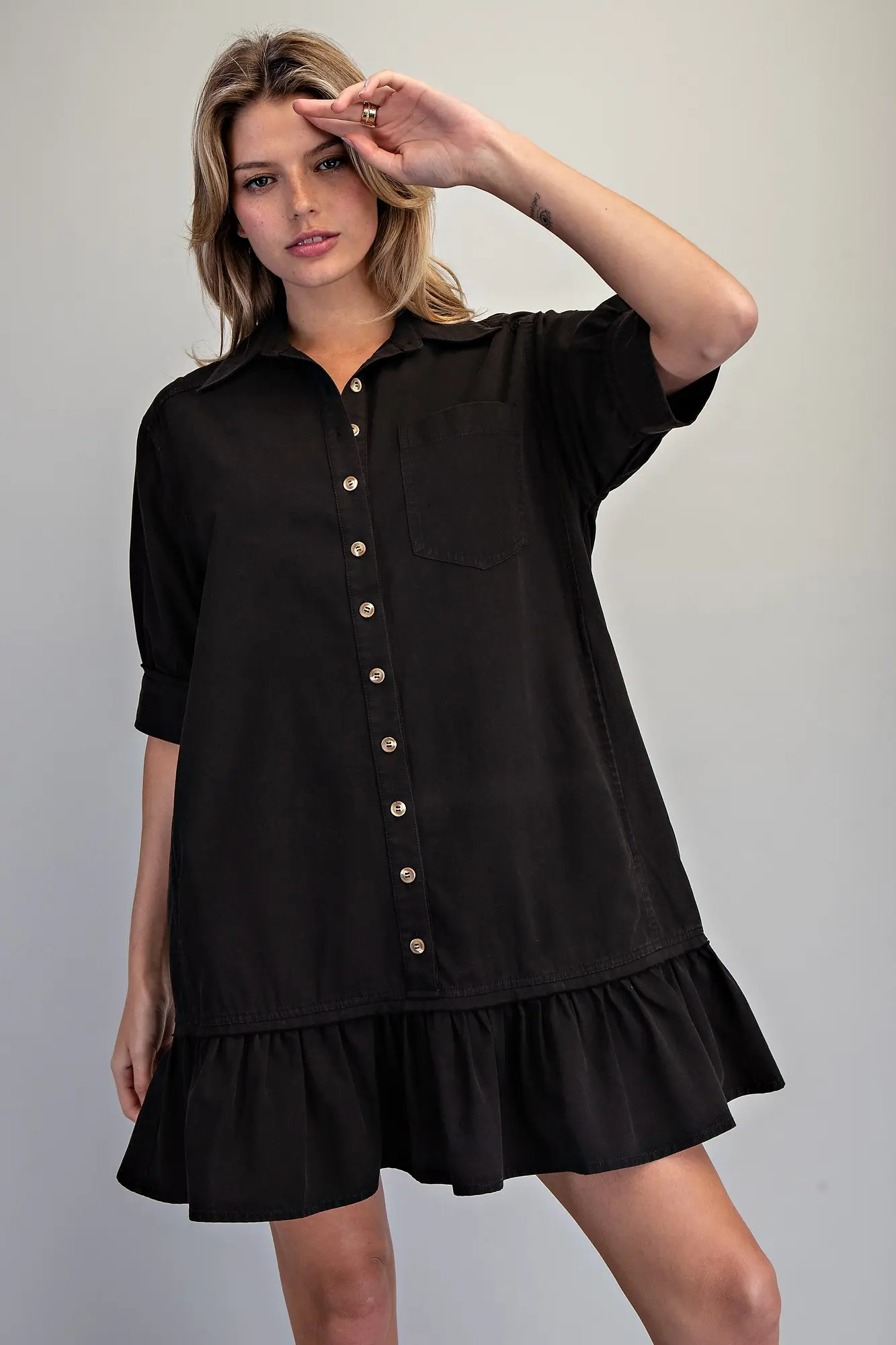
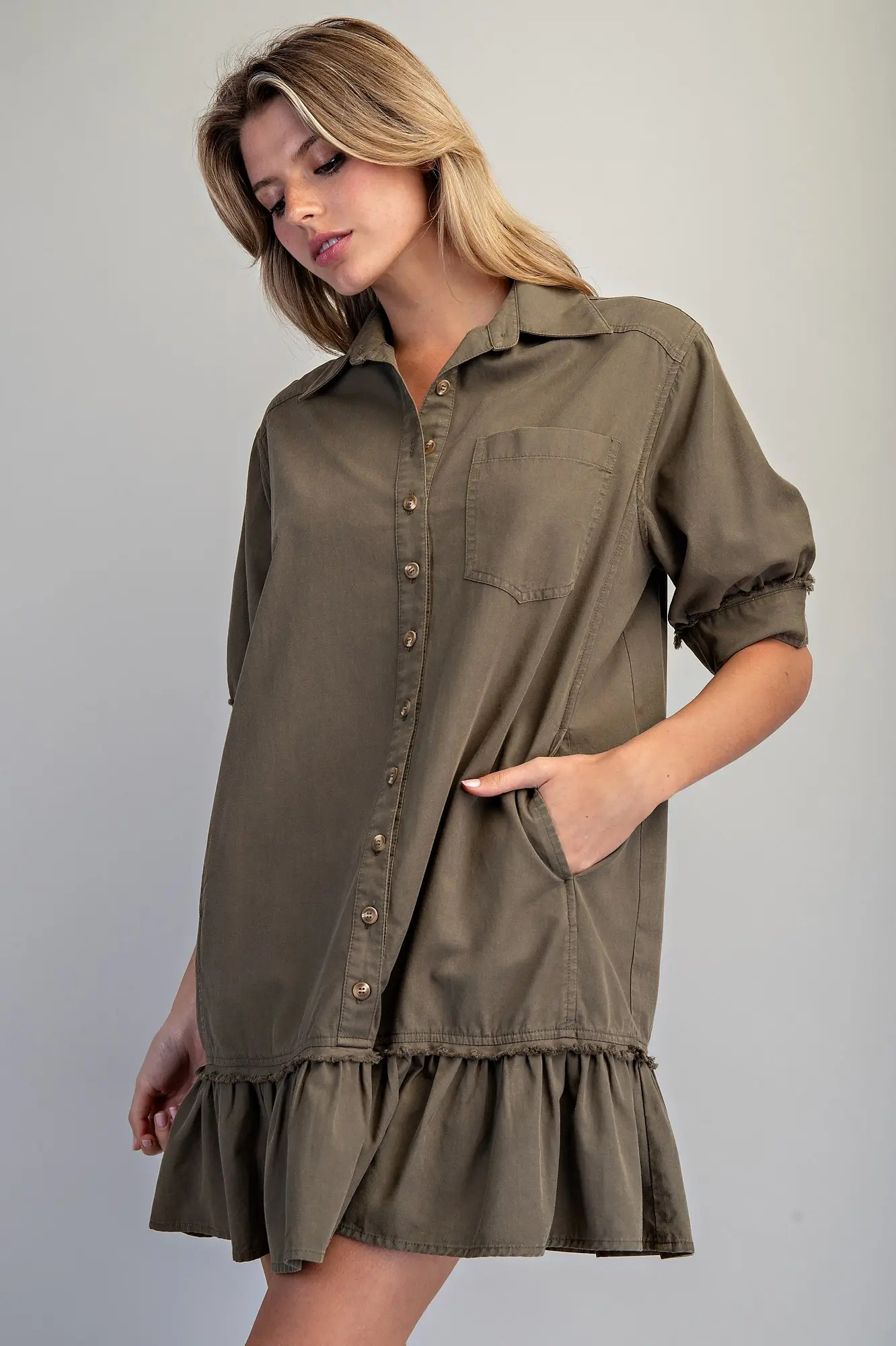
The Marissa Mini Dress pairs a button-down front and pointed collar with gathered elbow-length sleeves and a raw-edge ruffled hem. Those details already give it a mix of structured and playful character, so a straightforward jacket can complement it without crowding the look.
Keep color and detail in conversation
When a dress has noticeable trim, a distinctive neckline, or a lively silhouette, let that detail lead. Choose supporting pieces in colors that sit comfortably alongside it, rather than introducing several competing focal points. A coordinated palette can make even a casual outfit feel intentional.
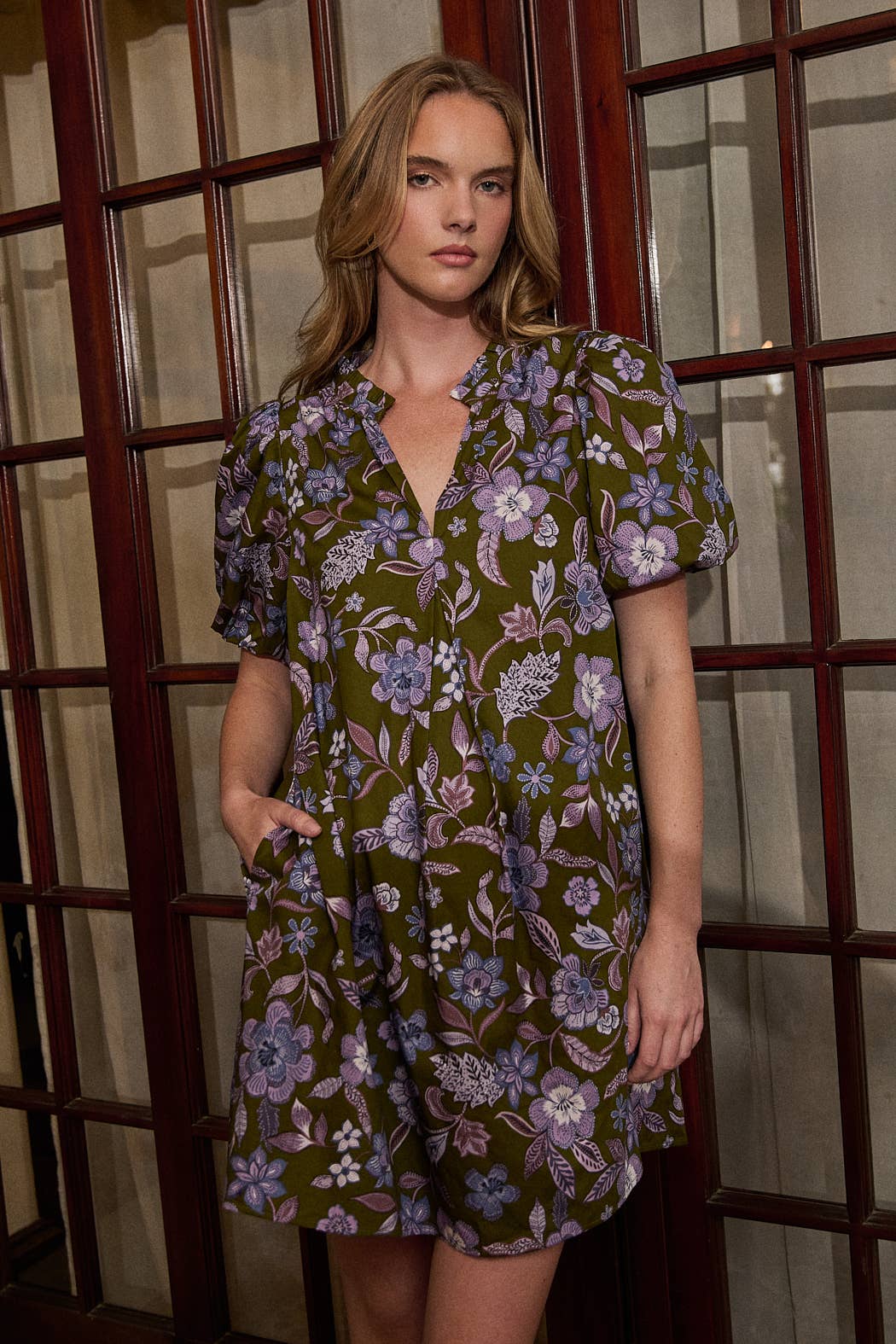
For a simpler dress, use one supporting piece to introduce contrast or texture, such as a light layer or a bag with a clean shape. The Aurora Shift Mini Dress Reverie has a split neckline, ruffle trim, and short puff sleeves; understated additions allow those features to stand out.
Make comfort part of the finish
Before heading out, sit, walk, and reach in the outfit. Check that your layers stay in place and that your footwear feels suited to the ground and distance ahead. These small checks are useful for any dress, especially when the day may include several stops or a change of plans.
For cooler evenings, bring a layer you can carry easily; on a warmer day, keep the outfit uncomplicated and breathable in feel. Follow the garment’s care label when washing or storing it, and use any additional care steps only when they’re appropriate for the stated fabric.
Build a small capsule around the dress
Give a frequently worn mini dress a few reliable supporting pieces instead of treating every outfit as a fresh puzzle. Choose one neutral shoe, one everyday bag, and a versatile top layer that work with more than one dress in your wardrobe. Keep these pieces together or note the combinations that feel useful, so getting dressed is simpler without making each look identical.
A capsule also helps reveal gaps before you shop your own closet. If your dresses all call for the same kind of shoe, check whether that pair suits the surfaces and distances you encounter most. If several outfits rely on one layer, consider whether another existing piece could cover the same role. The aim is fewer redundant combinations and more dependable options.
Choose underlayers for a clean finish
Treat underlayers as part of the outfit’s architecture, not an afterthought. Check the neckline, armholes, and skirt when you move in front of a mirror, looking for visible edges, bunching, or straps that shift. A smooth, close-fitting base layer can help a dress sit neatly; select its neckline and coverage to suit the dress rather than forcing a favorite piece to work.
For a dress with a button front or a light-colored skirt, inspect the result in natural light as well as indoors. Choose undergarments close to your skin tone when you want them to recede, and check that their seams remain unobtrusive beneath the fabric. If the dress already provides enough coverage, avoid adding an unnecessary layer that changes how it hangs.
Use a trial run to refine the outfit
When an outfit is new to you, test the whole combination at home before relying on it for an important plan. Put on the dress, chosen underlayers, footwear, and bag, then walk, sit, and use stairs. Notice whether the hem shifts, a strap needs adjusting, or an item becomes awkward to carry. A short rehearsal gives you time to make practical changes calmly.
Take a quick mirror photo from the front and side, then review it after a few minutes rather than adjusting every detail at once. This can make small issues easier to spot, such as a hem caught under a bag strap or a layer that keeps sliding back. Change one element at a time and repeat the movement check to see whether it solves the problem.
Care for the dress according to its label
After wearing a dress, check its care label before washing, spot treatment, or steaming. Follow the stated instructions for water temperature, cycle, drying, and pressing, and do not assume that a particular fabric blend can be treated like another. If the label calls for specialist care, follow that direction. When a mark appears, avoid rubbing or applying a cleaner until you know it is suitable.
For storage, make sure the dress is clean and fully dry in line with its care instructions. Use a hanger or folded storage according to the garment’s shape and label guidance, leaving room so the hem and sleeves are not crushed by other clothes. If you are unsure about a care step, check the label again or consult a qualified cleaner rather than guessing.
Styling a mini dress with intention comes down to choices that serve both the look and the day: balanced proportions, useful layers, and comfortable finishing touches. Start with what you’re doing, build around the dress’s own details, and leave room for your personal style to make the outfit feel like yours.