For any garment-care suggestion, follow the individual care label first. Read our care guide.
Dress length changes more than a hemline: it sets the pace of an outfit, shapes its proportions, and influences how freely you move through the day. Rather than treating one length as universally flattering, consider where you’re going, what you’ll wear with it, and how much coverage feels comfortable. A Likely Story Boutique’s dress edit offers inspiration for making that choice your own.
Mini: a lively, easygoing mood
A mini brings energy to casual plans and makes a natural partner for relaxed layers. For balanced proportions, try a jacket that ends near the waist or just below it, and keep the rest of the outfit simple.
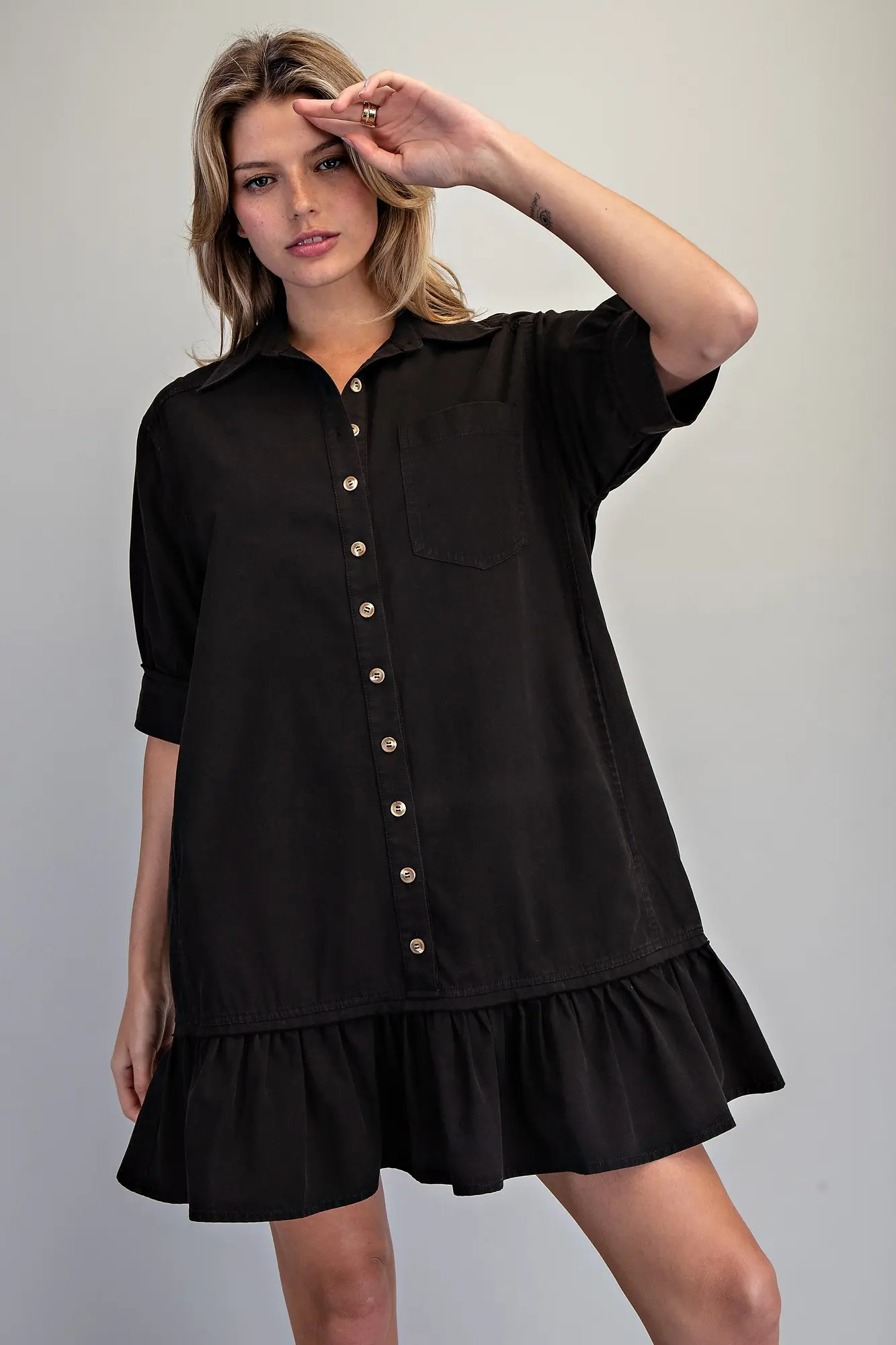
Think about movement as well as appearance: sitting, walking, and reaching can all change how a shorter hem feels. The Marissa Mini Dress pairs its button-down front and pointed collar with a ruffled hem, offering a useful example of a polished shape with a playful finish.
Midi: a versatile middle ground
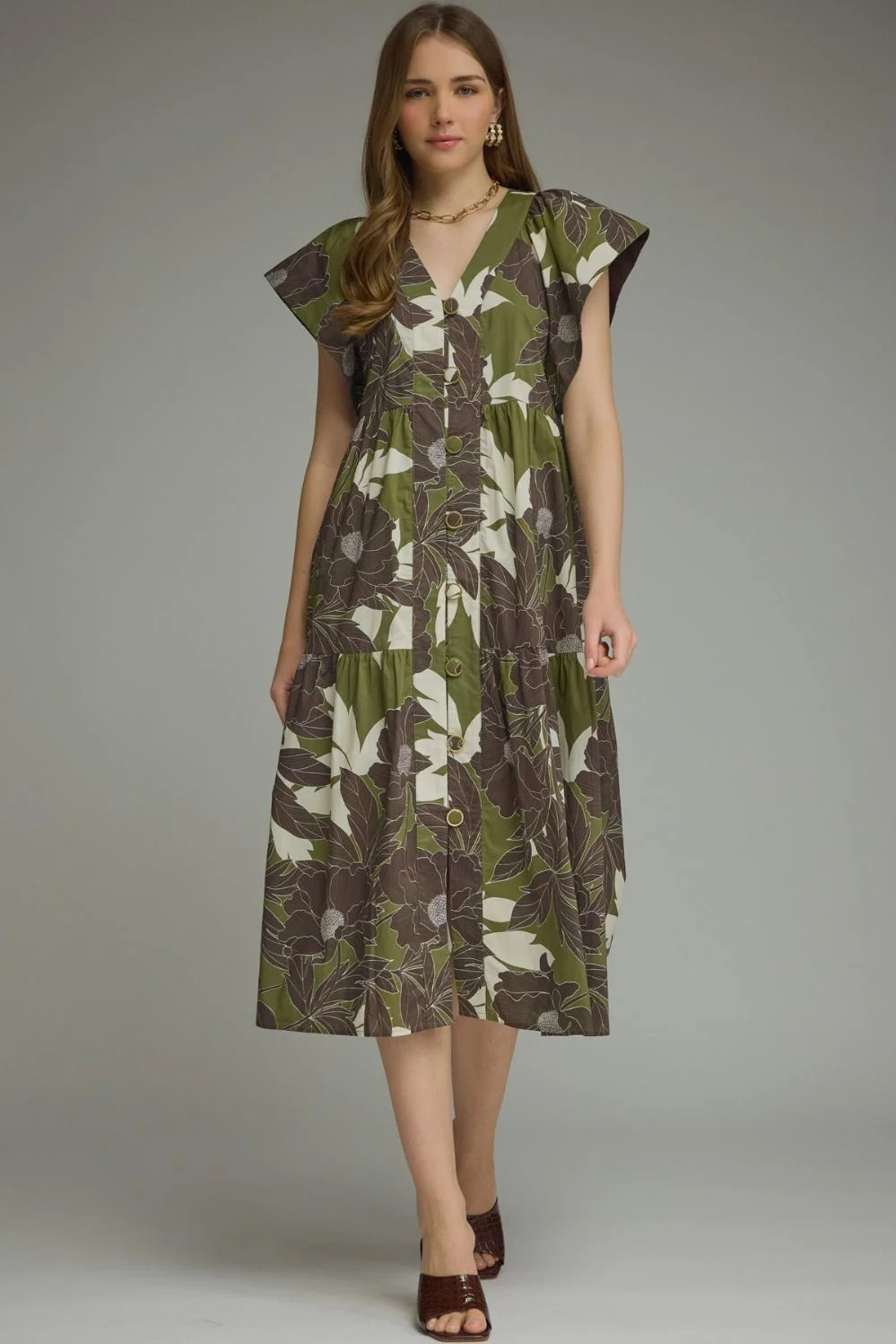
A midi sits between mini and maxi, making it a flexible choice when you want coverage without a floor-skimming hem. Its proportions can shift with shoes: a low-profile pair feels understated, while a more defined heel gives the look extra polish.
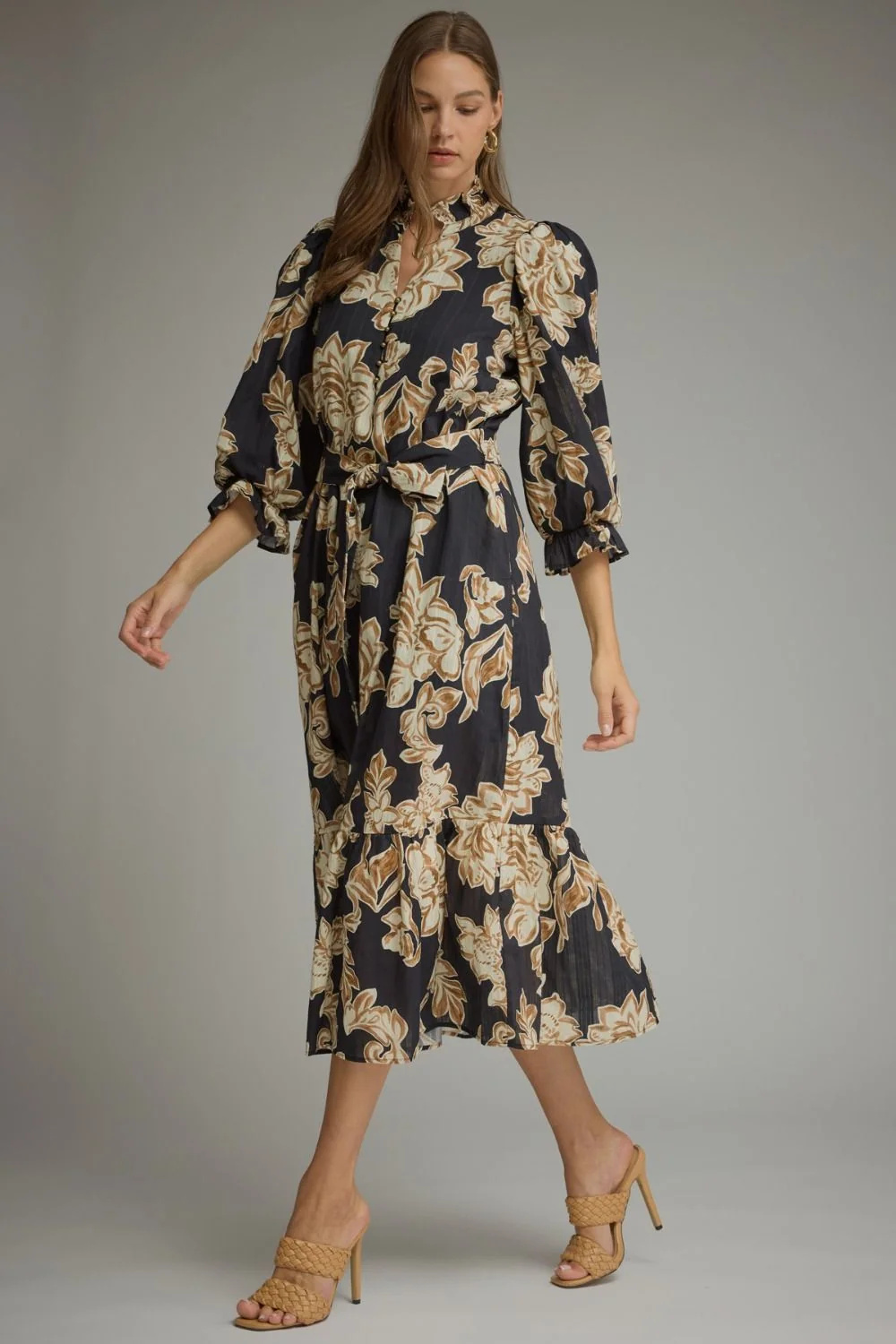
For a clear waistline, consider a removable belt or a tucked-in layer, if the dress’s design allows it. The Becky Floral Midi Dress has a removable self-tie belt, so its silhouette can be styled with that detail or kept simpler.
Maxi: graceful length, considered details
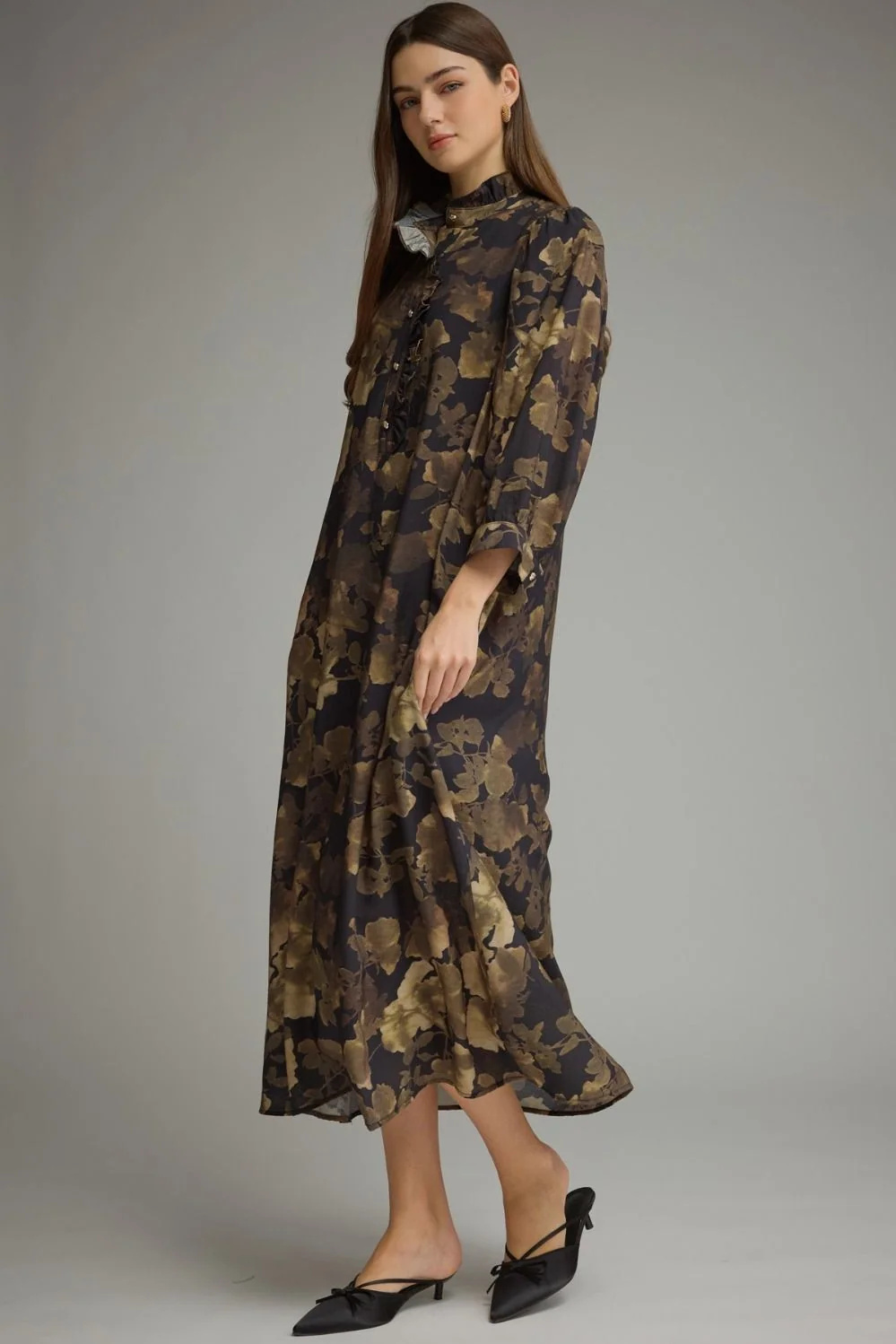
A maxi creates a long, uninterrupted line and can feel especially at ease at dinners, celebrations, or days when you want a more sweeping look. Check the hem against your usual shoes so the length works comfortably as you walk.
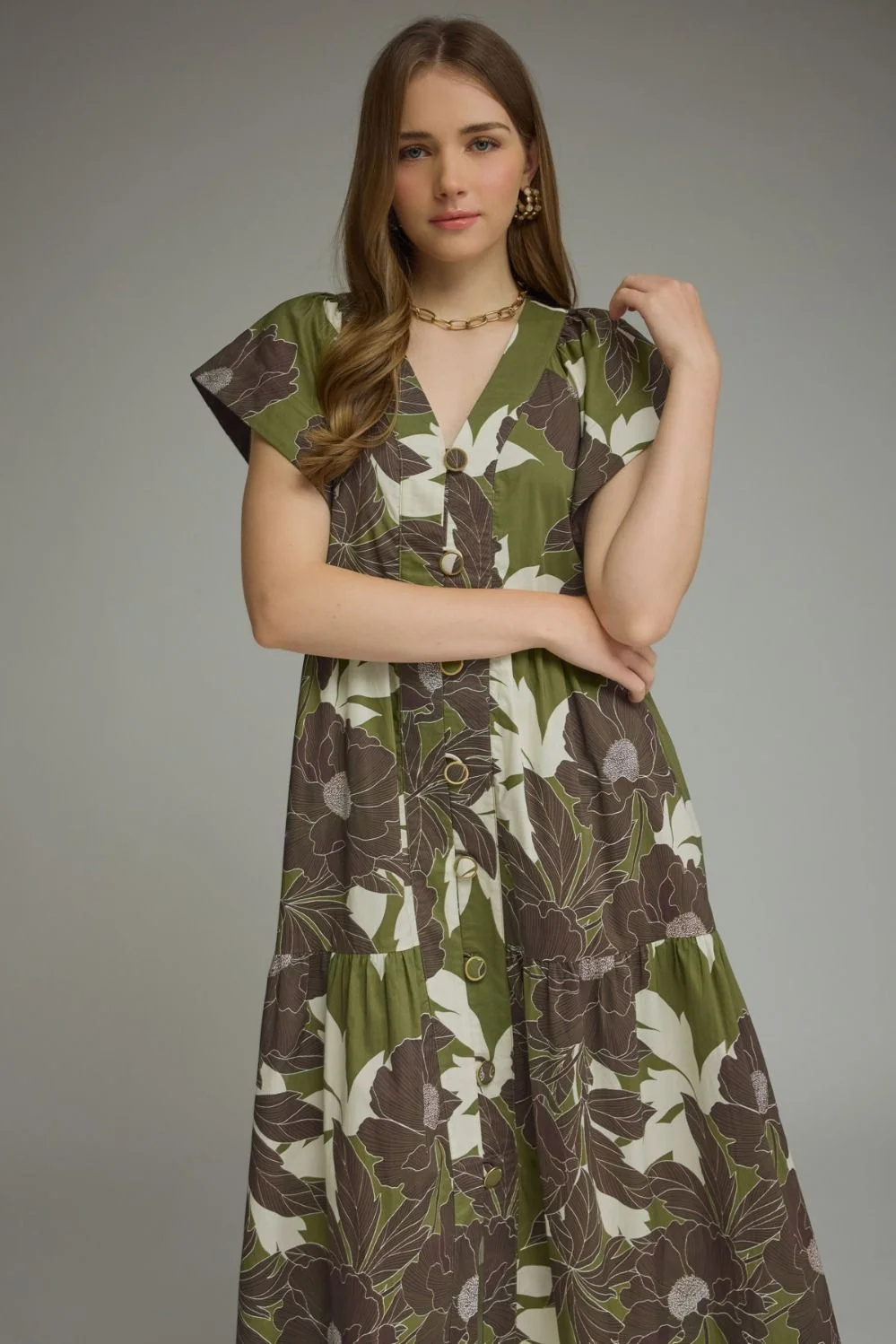
Because a longer dress provides plenty of visual presence, let one feature take the lead. A sleeve shape, neckline, or print can supply interest without adding competing layers; lighter outerwear can help preserve the line when the weather calls for it.
Let the occasion guide the choice
Start with the setting, then choose the length that suits its pace. A mini may feel carefree for daytime plans, a midi can transition easily from errands to dinner, and a maxi can bring an occasion-ready note without needing elaborate styling.
Consider practical details alongside the mood: stairs, a long walk, or time spent seated may affect which hem feels easiest. If the occasion calls for a dress code, use its guidance first, then make the length feel personal through shoes and layers.
Use proportion and comfort as your compass
There is no single rule for pairing dress lengths with body proportions. Instead, notice where a hem lands on you, which layers feel balanced, and whether the overall shape lets you move comfortably. A mirror check from several angles can clarify the result.
Try familiar styling pieces before deciding a length needs a dramatic change: a cropped layer, a different shoe, or a simple shift in how you define the waist can alter the balance. Comfort matters just as much as the proportions you see.
Build a dress-length capsule around your shoes
Use the shoes you reach for most as a practical starting point when choosing dress lengths for your wardrobe. Put on a familiar pair and note where each hem falls while you stand and walk; even a small change in heel height can alter the visual balance. This helps you select dresses that work with your existing footwear rather than requiring a separate pair for every outfit.
For a compact capsule, choose shoes with distinct roles: a comfortable everyday option, a polished pair for dressier plans, and weather-ready footwear. Check each dress with at least two of them before deciding how often it will earn a place in rotation. If a hem catches on a shoe or feels awkward at the ankle, try another pairing before ruling out the length itself.
Choose layers for changing indoor temperatures
A dress that works outdoors can feel very different in a cool office, air-conditioned restaurant, or heated room. Before choosing a layer, consider where its edge will fall against the dress: a cardigan or jacket that ends at a clear point can look intentional, while a hem that nearly matches the dress may create an untidy break. Try the combination seated as well as standing.
Keep a light layer accessible when your day moves between temperatures, and check that its sleeves do not bunch under any outer coat you may need. For a longer dress, an open-front layer can preserve visibility of the outfit beneath; with a shorter hem, a more structured top layer can make the ensemble feel considered. Let comfort indoors guide the weight, not just the forecast outside.
Plan a small packing edit for a weekend away
When packing dresses for a short trip, begin with the activities on your itinerary rather than taking one hem length for every possibility. A dress that can be worn with the same shoes and outer layer as another item earns more space in a small bag. Lay outfits out together, then remove pieces that depend on a single, hard-to-pack accessory or a narrow set of conditions.
Check the destination’s expected weather and the amount of walking before deciding which hems to bring. A shorter dress may be convenient in warm conditions, while a longer option can suit a quieter dinner; the useful choice depends on your actual plans. Fold or pack each garment according to its care label, and keep a spare layer handy if temperatures may shift during the day.
Keep dress care specific to the garment
Before cleaning any dress, read its care label and follow those instructions; different fabrics and details may require different handling. If the label recommends professional care, use that guidance rather than assuming a home method is suitable. When a stain appears, avoid rubbing it immediately, since friction can affect some surfaces. Check the label first and choose a treatment only when it is permitted.
After wearing a dress, give it time to air before putting it away, provided the care instructions allow that approach. Use a hanger suited to the garment’s shape, or fold it if the label or construction makes hanging unsuitable. Keep storage dry and avoid crowding delicate details against rough surfaces. These small habits help you maintain a useful wardrobe without applying one care routine to every dress.
The best dress length is the one that suits your plans and feels natural once you’re wearing it. Let the occasion, hemline, and movement work together, then adjust shoes or layers until the outfit feels comfortably like your own.