For any garment-care suggestion, follow the individual care label first. Read our care guide.
Matching sets make getting dressed feel wonderfully simple: the pieces already agree, and the finished look feels intentional with little effort. But wearing them together is only one possibility. Separate the top and bottom, change the proportions around them, and each can take on a different mood. Think of the set as a small wardrobe of building blocks, ready to meet clothes you already love.
Start with the easiest swap
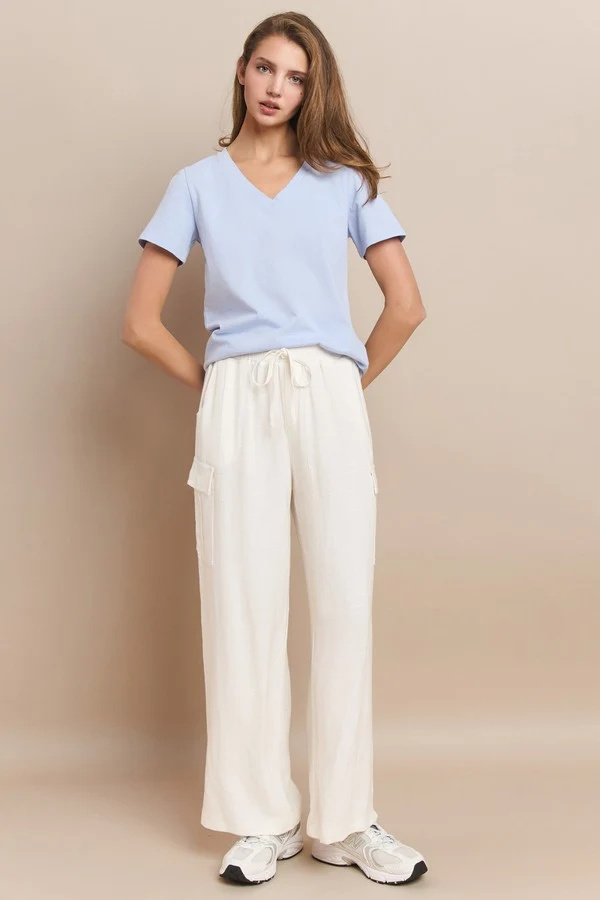
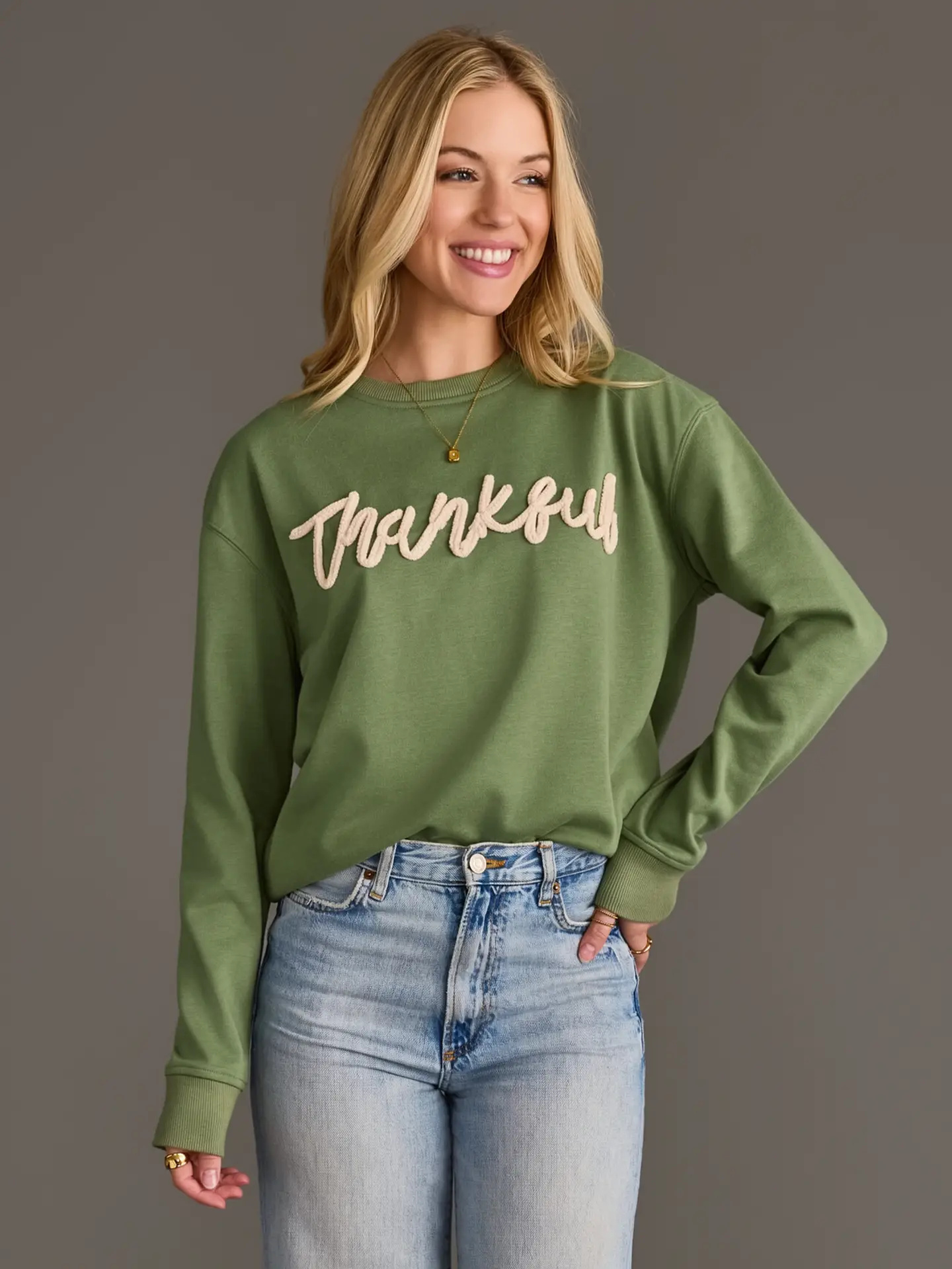
Choose the piece that feels most natural on its own, then pair it with a familiar favorite. A coordinated pullover can settle into everyday rotation with denim, while a matching skirt or trouser can work with a simple top.
Keep the first combination uncomplicated. Let one set piece carry the outfit, and use the other garment to create contrast in shape or mood. A straightforward pairing helps you see the piece anew without making getting dressed feel like a puzzle.
Change the proportions
A set’s silhouette can shift when you introduce a different shape. Try a relaxed top with a more streamlined bottom, or balance fuller trousers with a closer-fitting layer you already own. The contrast makes familiar pieces feel considered.
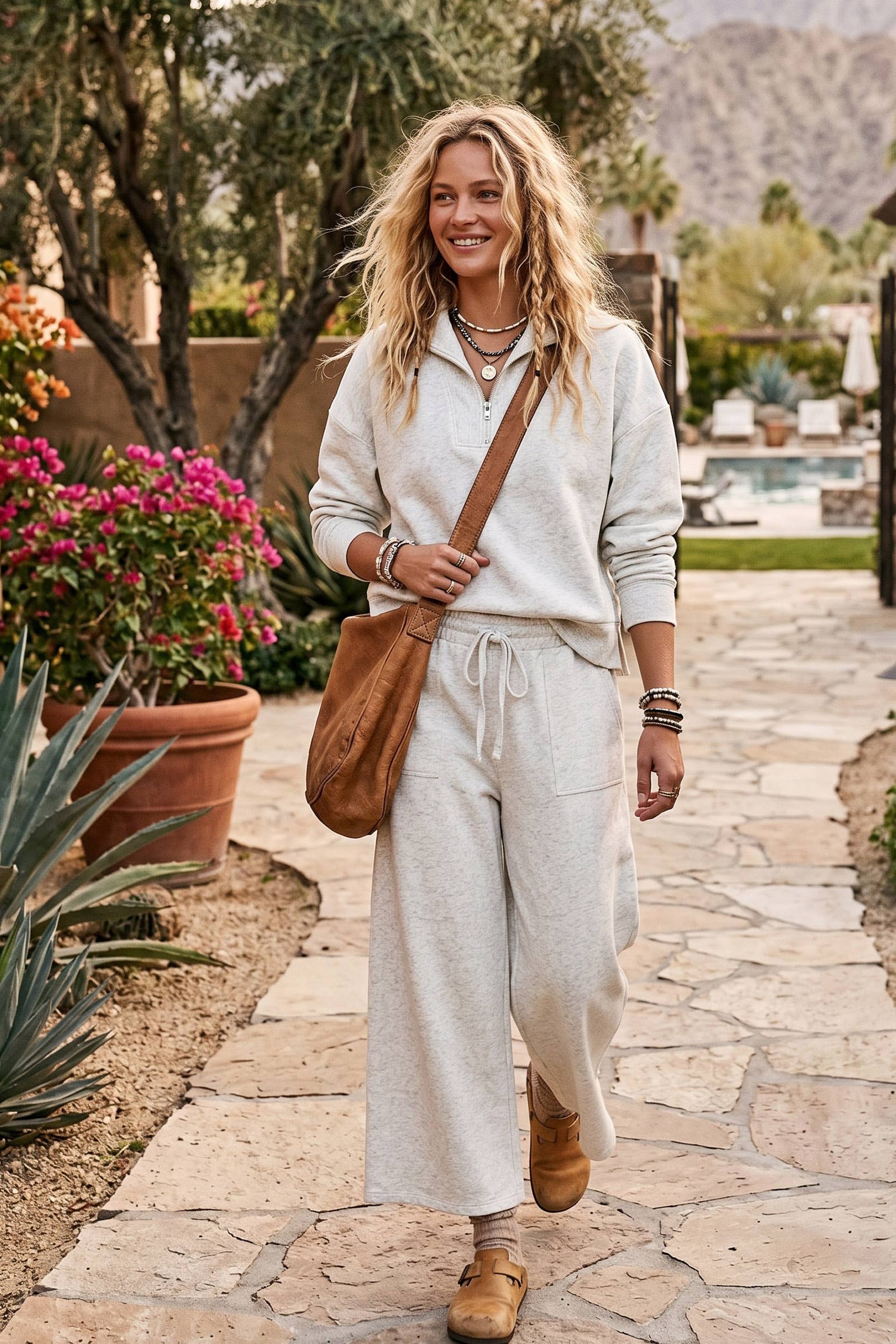
For example, the Scuba Half Zip Pullover & Wide Leg Pants Set includes a relaxed pullover and wide-leg pants. Wear the pullover with denim, or give the pants a different outline with a fitted top; keep the rest of the look easy.
Use a third piece to connect the look
An open layer can bridge a set piece and the rest of your outfit. A cardigan, overshirt, or jacket introduces another line and makes a familiar top feel less tied to its matching bottom.
Try this with a sweater top: leave a layer open over it, then choose a separate bottom from your closet. The added line creates visual breathing room, while repeating a tone from either piece can make the mix feel cohesive.
Let the setting guide the mix
Think about where you are headed before deciding which half to wear. A soft, coordinated piece might feel at home on a relaxed day, while a more structured companion from your wardrobe can make the same item feel ready for plans.
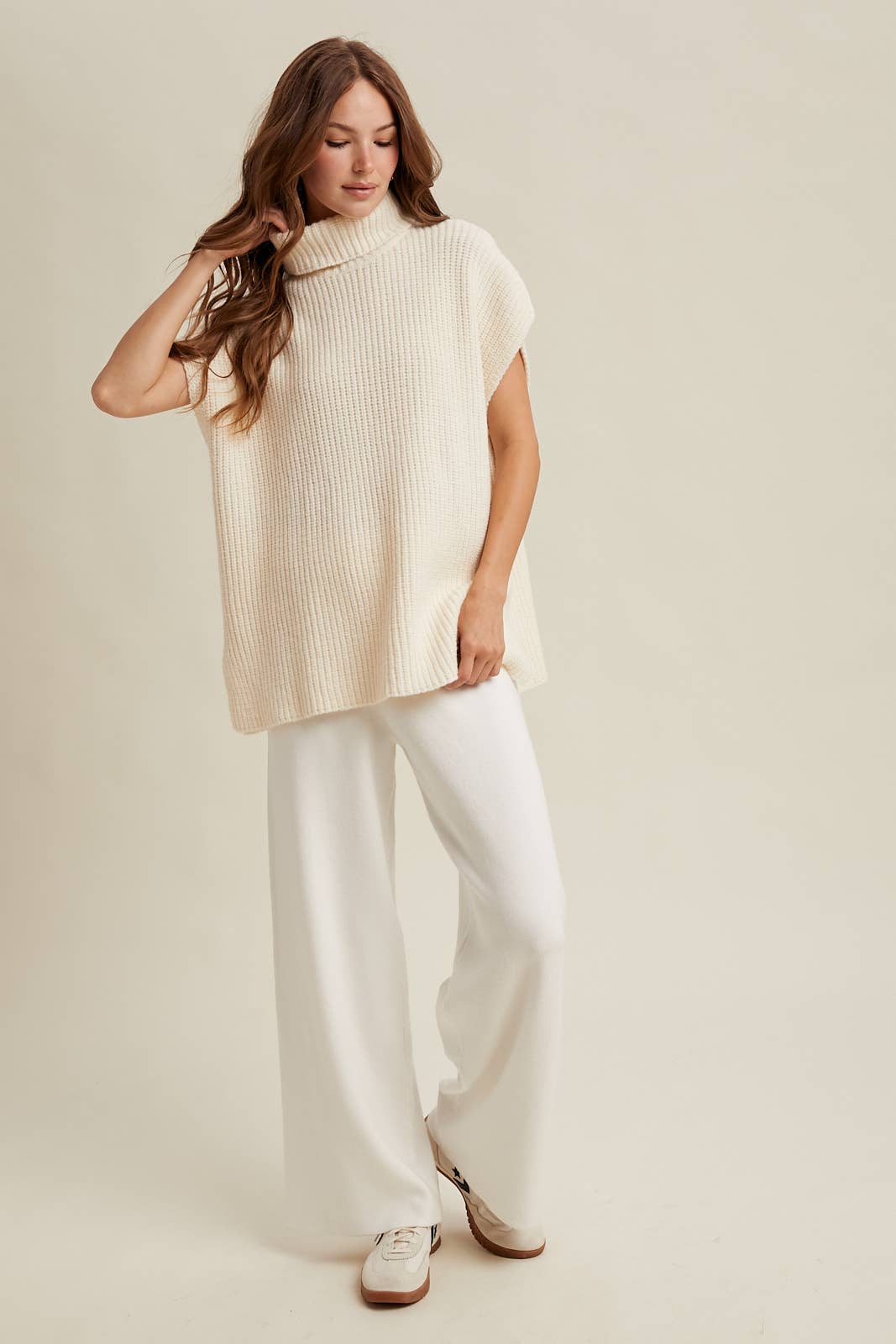
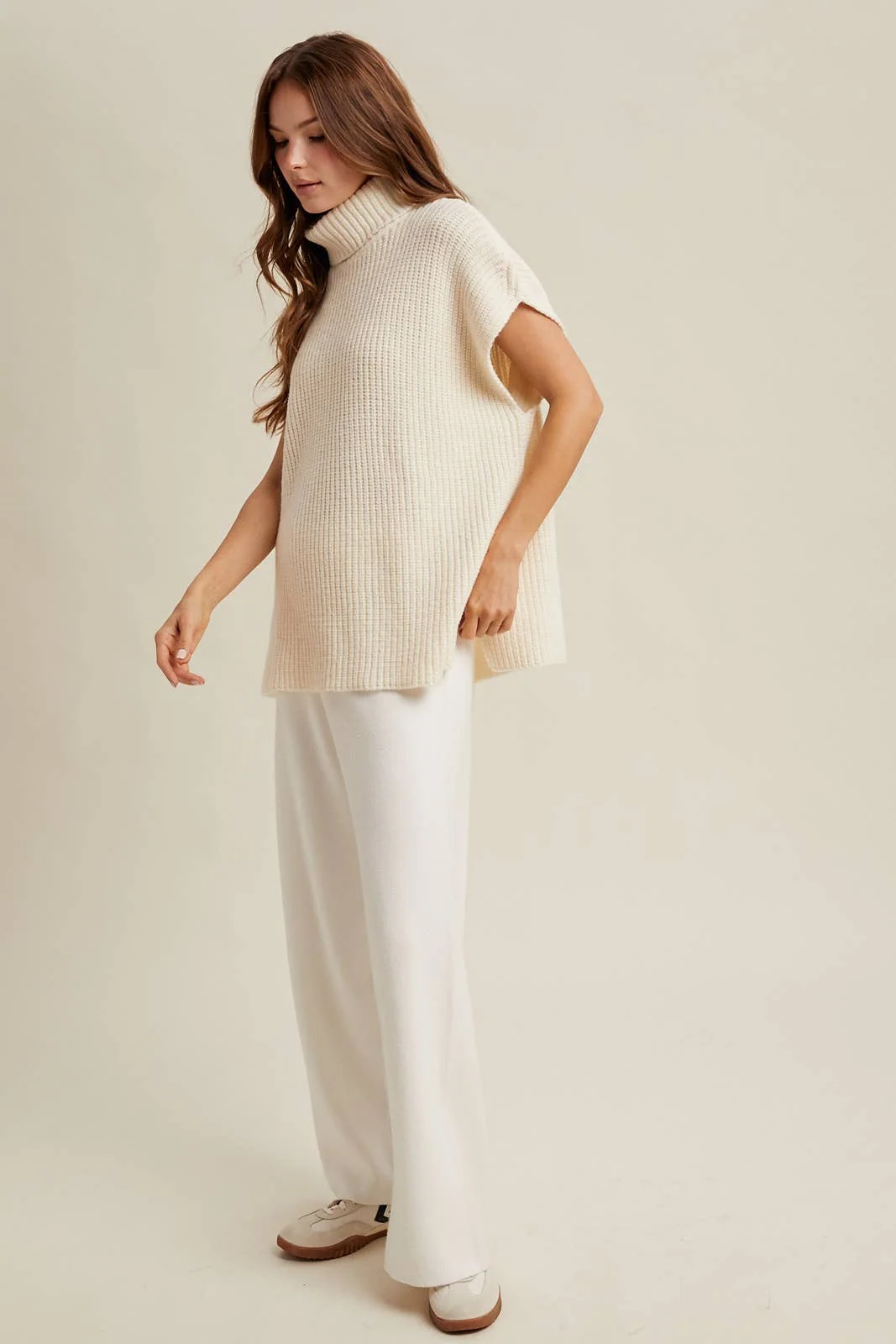
The Turtle Neck Sweater Pant Set has a side-slit top and elastic-waistband bottoms. Wear either piece with clothes that suit the occasion, keeping the styling comfortable and unfussy. A change of footwear can also shift the overall impression.
Build a repeatable outfit formula
When a combination works, remember its simple recipe: one set piece, one dependable wardrobe staple, and one small adjustment in proportion or layering. A repeatable formula makes future outfit choices quicker without making them feel uniform.
Before putting the set away, try each half with two or three pieces you already reach for. Note which pairings feel balanced and which need another layer. Follow the garment care label when laundering, and use any additional care method only if it is suitable.
Use color to make the separates feel intentional
When a set piece meets clothes in a different shade, repeat one color elsewhere in the outfit to create a quiet link. A neutral top, for instance, can sit comfortably with a patterned bottom if your shoes or bag echo one of the pattern’s tones. Keep the supporting colors restrained so the combination reads as considered rather than accidental.
For a more subtle approach, work within one color family instead of matching exact shades. Pair a soft neutral set piece with a deeper or lighter version of that hue, then add a small area of contrast. This is useful when your wardrobe already includes several tones of navy, brown, gray, or cream, and helps separates feel coordinated without looking like a second set.
Mix texture and print with a light hand
A plain set piece can give a patterned garment room to stand out. Wear a solid matching top with a printed skirt or trousers, or reverse the pairing if the set’s bottom is the quieter piece. Keep the print’s scale and the outfit’s overall palette in mind; a simple supporting garment prevents competing patterns from making the look feel busy.
Texture offers another way to distinguish the pieces without relying on a strong color change. Try a smooth-looking set piece beside a visibly ribbed, crisp, or softly textured item already in your closet. Since the surface contrast does the work, keep the number of competing details low. This approach is especially useful when you want visual interest but prefer a mostly neutral outfit.
Give each piece a different role across the week
Treat the two halves as options for different parts of your routine rather than insisting they appear together. A set top might become a dependable choice for a casual lunch, while its matching bottom earns a place in a relaxed travel outfit. Assigning each piece a distinct role makes it easier to reach for them individually and reduces the sense that the set has only one occasion.
A simple wardrobe note can help: list the top and bottom separately, then record the kinds of outfits each has already joined successfully. Keep the notes specific, such as “top with straight-leg jeans” or “bottom with a short-sleeve knit.” This is not another outfit formula; it is a practical way to remember what you own and spot neglected pieces before buying something new.
Refresh the outfit with small finishing choices
Once a set piece is paired with a different garment, use finishing details to clarify the mood. A clean, minimal shoe can keep a casual combination quiet, while a more structured bag may make it feel ready for a planned day out. Choose one or two details that support the outfit rather than adding several unrelated accents.
Pay attention to hems and visible layers before leaving home. A top tucked, half-tucked, or left loose can change how much of the separate bottom shows, while rolled sleeves may make a long-sleeved piece feel less formal. Test these adjustments in a mirror and choose the one that sits comfortably and stays in place; no new purchase is needed to make the mix feel complete.
A matching set can be a polished outfit and a source of separate, hardworking pieces. Start with one easy swap, then experiment with proportion, layering, and occasion. The goal isn’t to make every combination complicated; it’s to discover more ways to feel like yourself in what you already have.