For any garment-care suggestion, follow the individual care label first. Read our care guide.
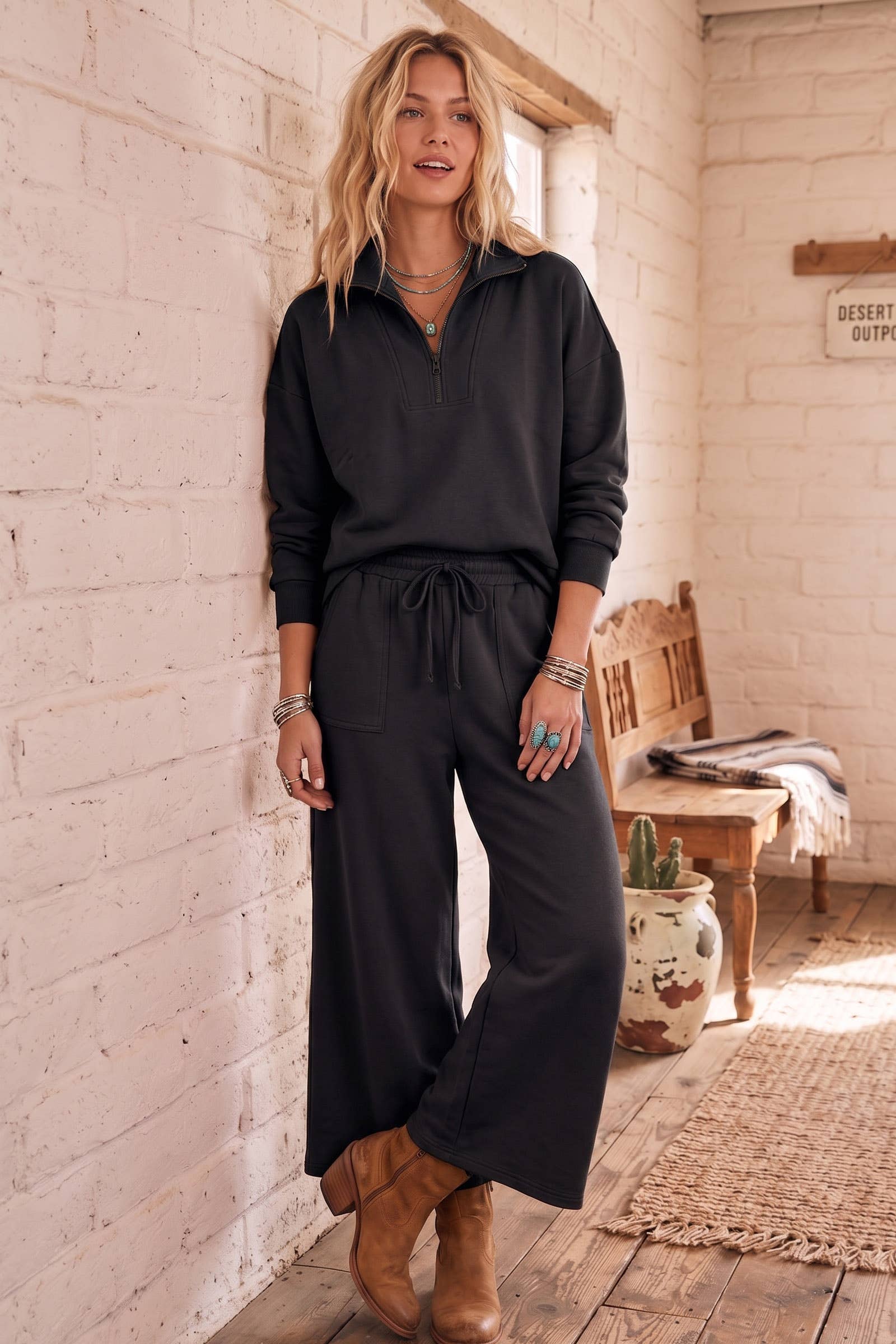
A matching set gives you an instant starting point: two pieces already speaking the same style language. From there, small choices make the look feel considered rather than overly coordinated. Think about where you’re headed, how much structure you want, and which familiar wardrobe pieces can join in. This guide offers simple ways to wear sets with ease, whether the day calls for relaxed comfort or a sharper finish.
Start with the occasion
Let your plans set the tone. For a slow morning or casual errand run, wear a set as designed and keep the rest uncomplicated. For a lunch date or a day of appointments, add a layer that gives the outfit a little more definition.
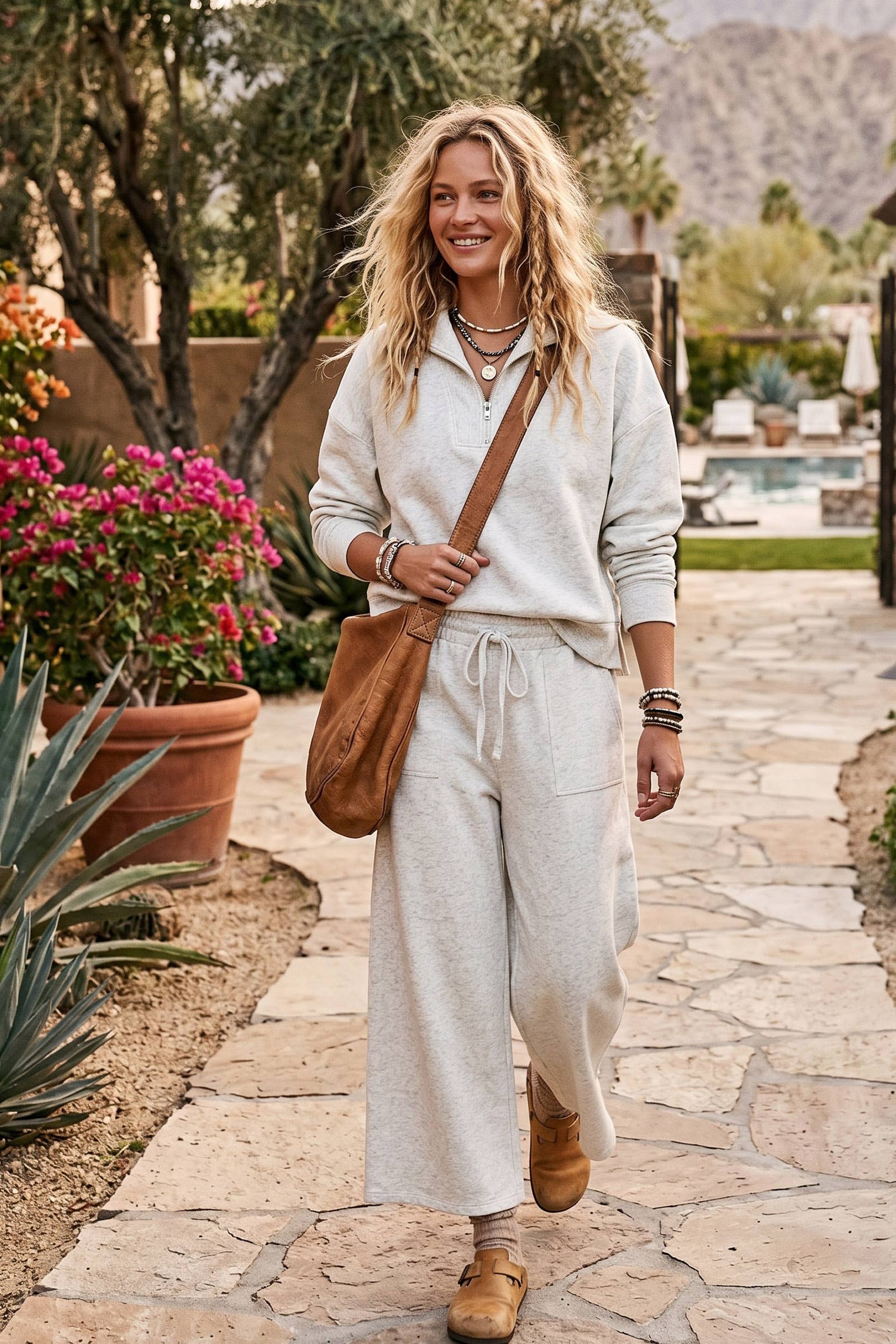
A Scuba Half Zip Pullover & Wide Leg Pants Set, for example, pairs a half-zip pullover with wide-leg pants. Wear both pieces together for a coordinated casual look, then adjust the neckline or add a simple outer layer as the day unfolds.
Balance the proportions
When both pieces have a relaxed silhouette, pay attention to the outline from head to toe. A clean, open neckline or a neatly arranged hem can keep the look intentional. The aim isn’t to change the set, but to make its shape easy to read.
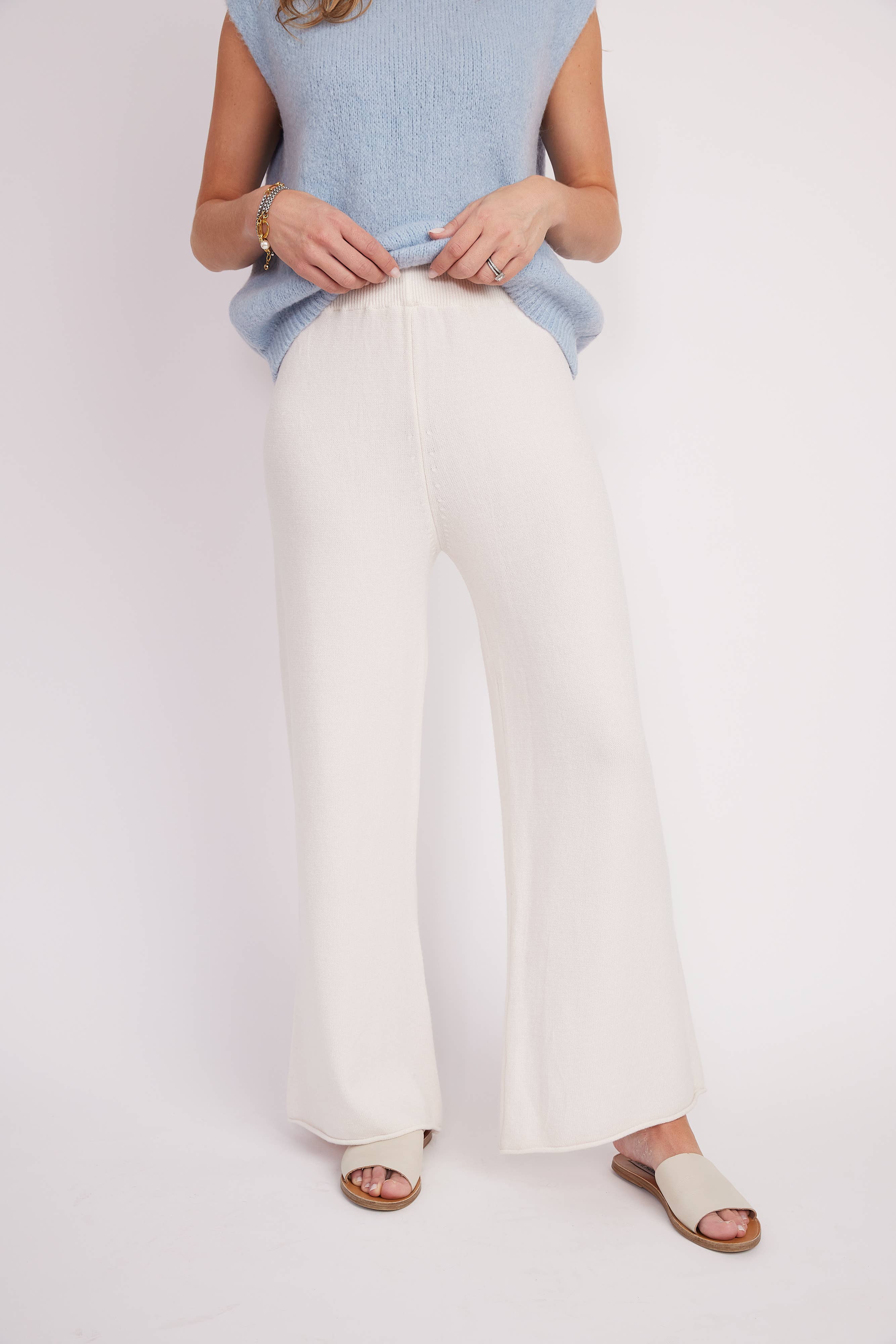
If your set includes wide-leg pants, consider a top that ends around the waistband or use a light tuck if the garment allows. With a longer top, an open layer can create a vertical line and help the outfit feel balanced rather than bundled.
Use layers to shift the mood
Layers are a practical way to make one set work across changing temperatures and settings. A cardigan, jacket, or overshirt can add contrast and give a coordinated outfit a more individual feel. Choose a layer that leaves the set’s main lines visible.
For a softer effect, keep the layer close to the outfit’s overall mood; for more contrast, bring in a different texture or a crisp shape. Wear it open when you want the matching pieces to remain the focus, or remove it indoors.
Break the set into separates
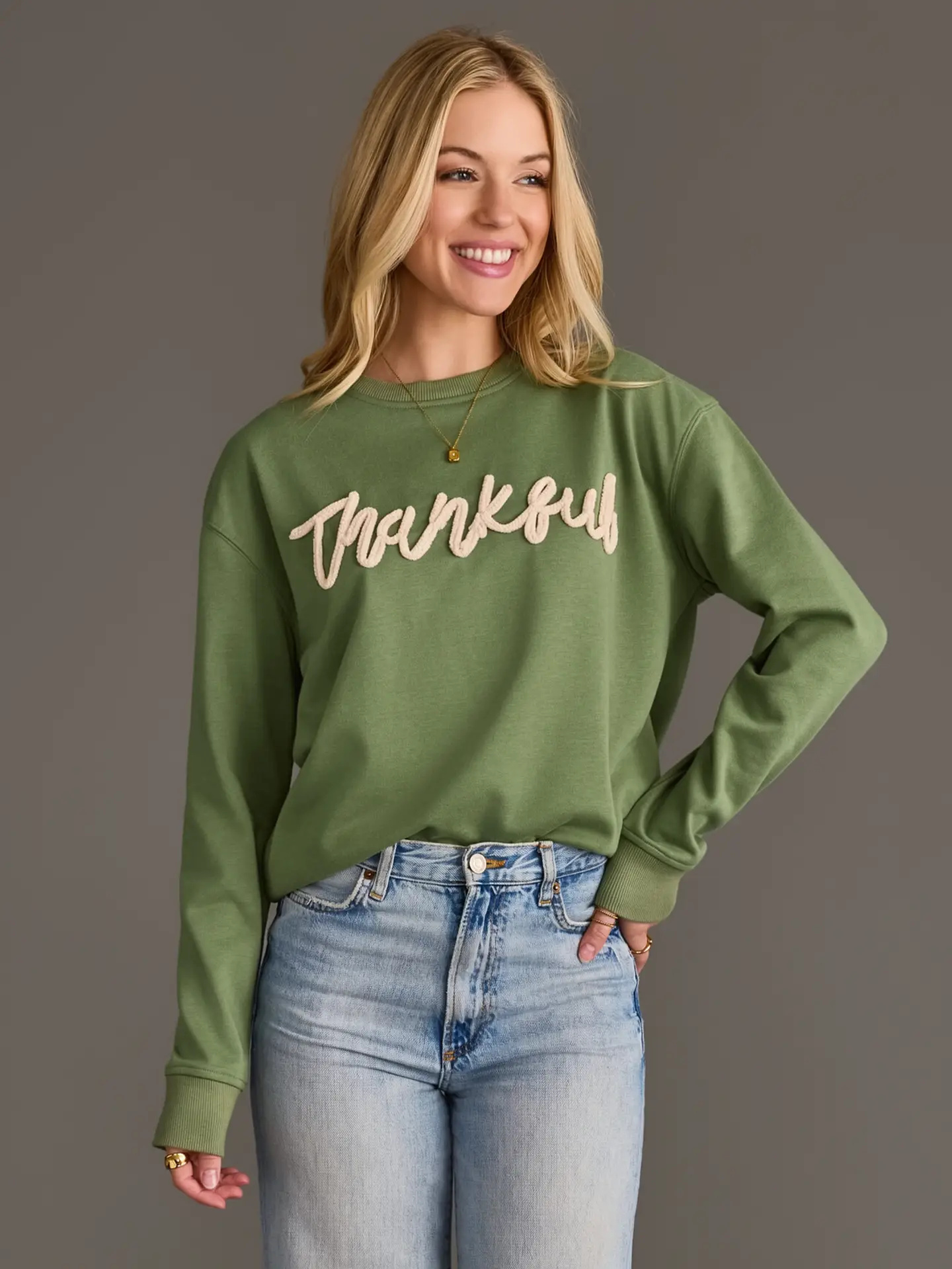
A matching set is also two useful pieces with independent potential. Try the top with jeans or another pair of trousers, then wear the bottoms with a familiar tee or a more structured shirt. Each swap makes the set feel newly suited to your day.
Before adding a new piece, notice what you already like about the set: its shape, its color, or its easy coordination. Echo one of those qualities in the separate outfit, and the result will feel connected without looking like you simply repeated the original combination.
Finish with thoughtful details
The final impression often comes from simple styling choices: sleeves pushed neatly, a collar arranged, or a hem sitting cleanly. Check the outfit in a mirror while standing and moving. Comfort matters, and a detail that needs constant adjustment may not be worth keeping.
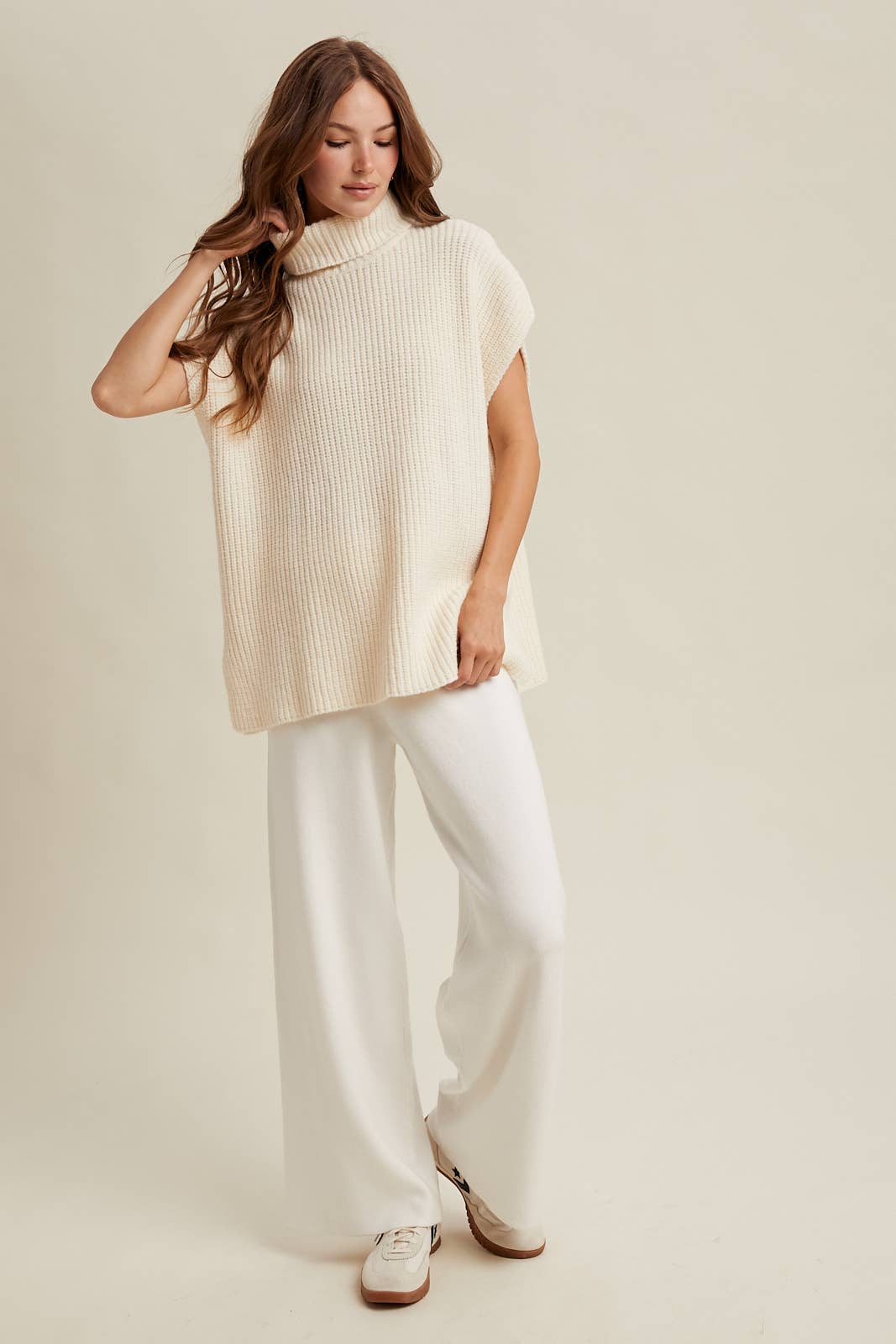
For a set with a sweater top, such as the Turtle Neck Sweater Pant Set, let the neckline remain a focal point and keep added layers from crowding it. Follow the garment care label, and use any additional care method only when that label permits it.
Choose shoes for the day ahead
Footwear can shift a matching set from indoor ease to a more purposeful outfit without changing the clothes themselves. For a long day on your feet, choose a supportive pair you already trust; for a casual outing, a clean sneaker keeps the look relaxed. If the set has a hem that nearly reaches the ground, check that it clears the shoe comfortably as you walk.
Consider the route as well as the destination: uneven sidewalks, public transport, or lots of standing may call for a steadier sole than a short car-to-door trip. Keep the shoe’s visual weight in proportion to the set’s silhouette. A substantial sole can anchor roomy trousers, while a lighter profile often suits a narrower leg or a shorter hem.
Plan for temperature changes
Think beyond the forecast and dress for the transitions in your schedule. A cool commute followed by a warm office, or a breezy evening after a sunny afternoon, can make a single outfit feel uncomfortable unless you plan ahead. Keep a compact extra layer nearby, and choose one that can be carried or stored easily when you no longer need it.
The fabric and coverage of a set affect how much backup you may want, but avoid assuming every matching outfit feels the same in different weather. Check the conditions before leaving, then make a small adjustment such as adding a base layer or bringing a light outer piece. That preparation helps the set remain wearable through the day rather than only at the first stop.
Check comfort before committing
A coordinated outfit should feel comfortable through ordinary movement, not only while standing still. Before heading out, sit down, reach overhead, and take a few steps. Notice whether the waistband stays comfortable, the top remains in place, and the sleeves allow easy movement. If anything pulls or needs repeated fixing, choose another option or make a simple adjustment before you leave.
When assessing a set, focus on how each piece feels during the activities you actually have planned. A relaxed morning at home asks less of an outfit than a full day of walking or sitting at a desk. Try the pieces together for a few minutes, and keep any useful notes about comfort in mind when deciding whether to wear the set for longer outings.
Keep coordinated pieces ready to wear
Make matching sets easier to reach for by storing their pieces together when space allows. A shared hanger or a clearly grouped drawer section can prevent the top and bottom from disappearing into different parts of the wardrobe. If they need to be stored separately, keep a small note of the pairing or place them in adjacent sections so the complete outfit is easy to find.
After wearing a set, follow the garment care label before cleaning or storing either piece. If the label calls for a particular method, use that guidance; do not assume the pieces have identical care needs simply because they match. Let garments air or dry only as their labels permit, and put them away once fully ready for storage to keep the next outfit choice straightforward.
Matching sets are a helpful shortcut, not a styling rulebook. Wear both pieces when ease is the priority, then experiment with proportion, layers, and separates as your plans change. A few thoughtful choices can make a coordinated outfit feel relaxed, practical, and distinctly yours.