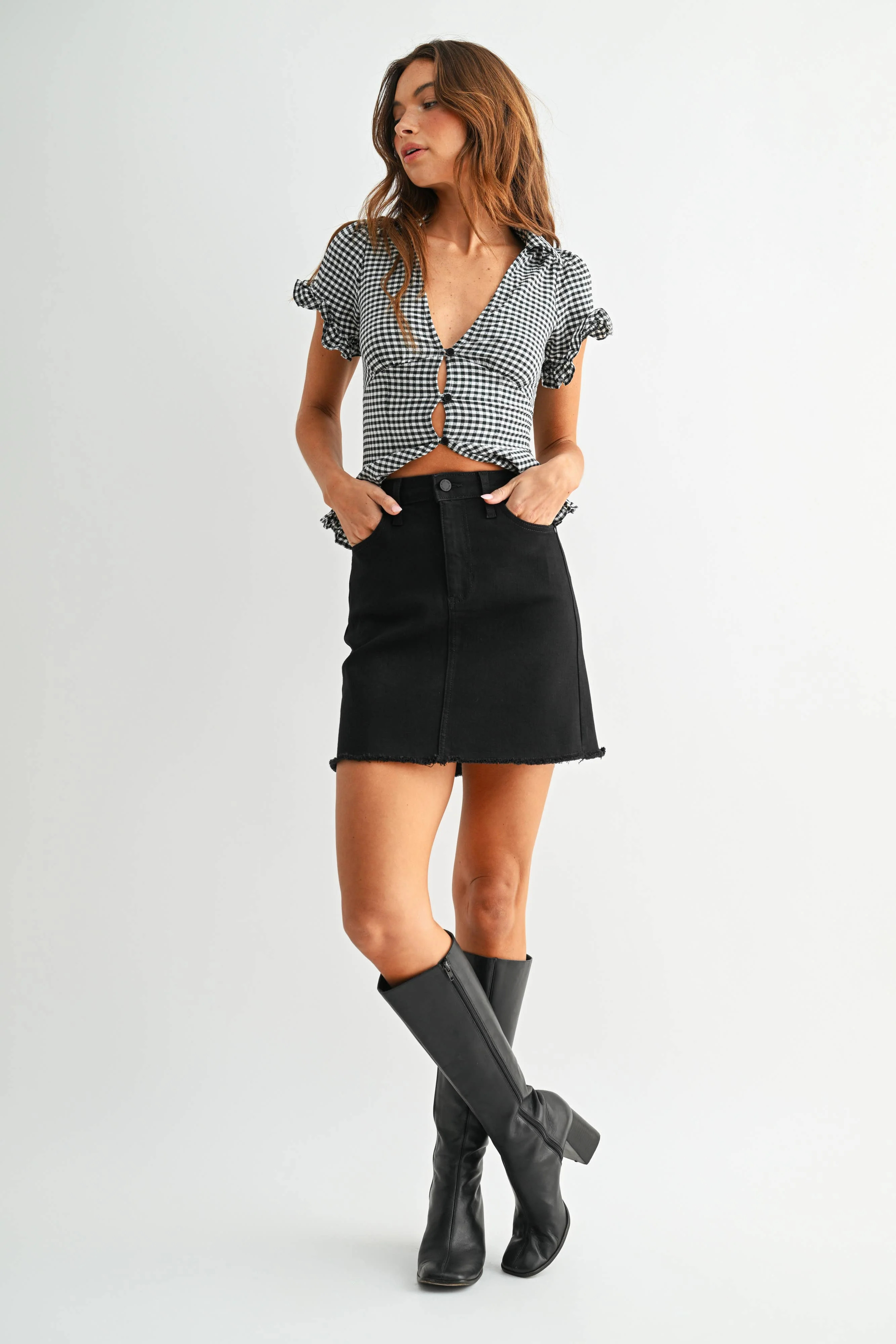
For any garment-care suggestion, follow the individual care label first. Read our care guide.
A garment can look right on a hanger yet feel restrictive, shift out of place or sit differently once you move. Learning how to check clothing fit at home gives you a practical way to assess those details before making a decision. Start with a familiar, comfortable base layer, good light and a full-length mirror if available. Try each piece as you expect to wear it, and assess both its outline and its function. A useful fit check is not about chasing a single ideal shape; it is about noticing where a garment supports, limits or distracts.
Prepare a consistent fitting space
Choose a clear area where you can stand, sit and take a few steps without obstacles. Use even lighting so seams and folds are visible, and position a mirror where you can see the front, sides and back. If you do not have a full-length mirror, use a hand mirror to inspect areas you cannot see directly.
Wear the undergarments and base layers you would normally pair with the garment. A bulky layer can change how a waistband or sleeve feels, while a different bra may alter the way a top sits. Keep a soft tape measure and a notepad nearby, but judge comfort and movement alongside numbers.
Take body measurements accurately
Measure over a thin layer, keeping the tape level and comfortably close without pulling it tight. Record your bust or chest, natural waist and fullest hip measurement; for trousers, note the rise and inseam needs as well. Stand naturally rather than holding your breath or drawing in your stomach, since that gives a more useful reference.
Repeat a measurement if the tape slips or twists, and write down the units so comparisons stay clear. Body measurements are a starting point, not a guarantee of fit: brands and garment shapes differ. When comparing a size guide, follow its instructions and distinguish body measurements from finished-garment measurements if both are provided.
Assess tops at the shoulders and chest
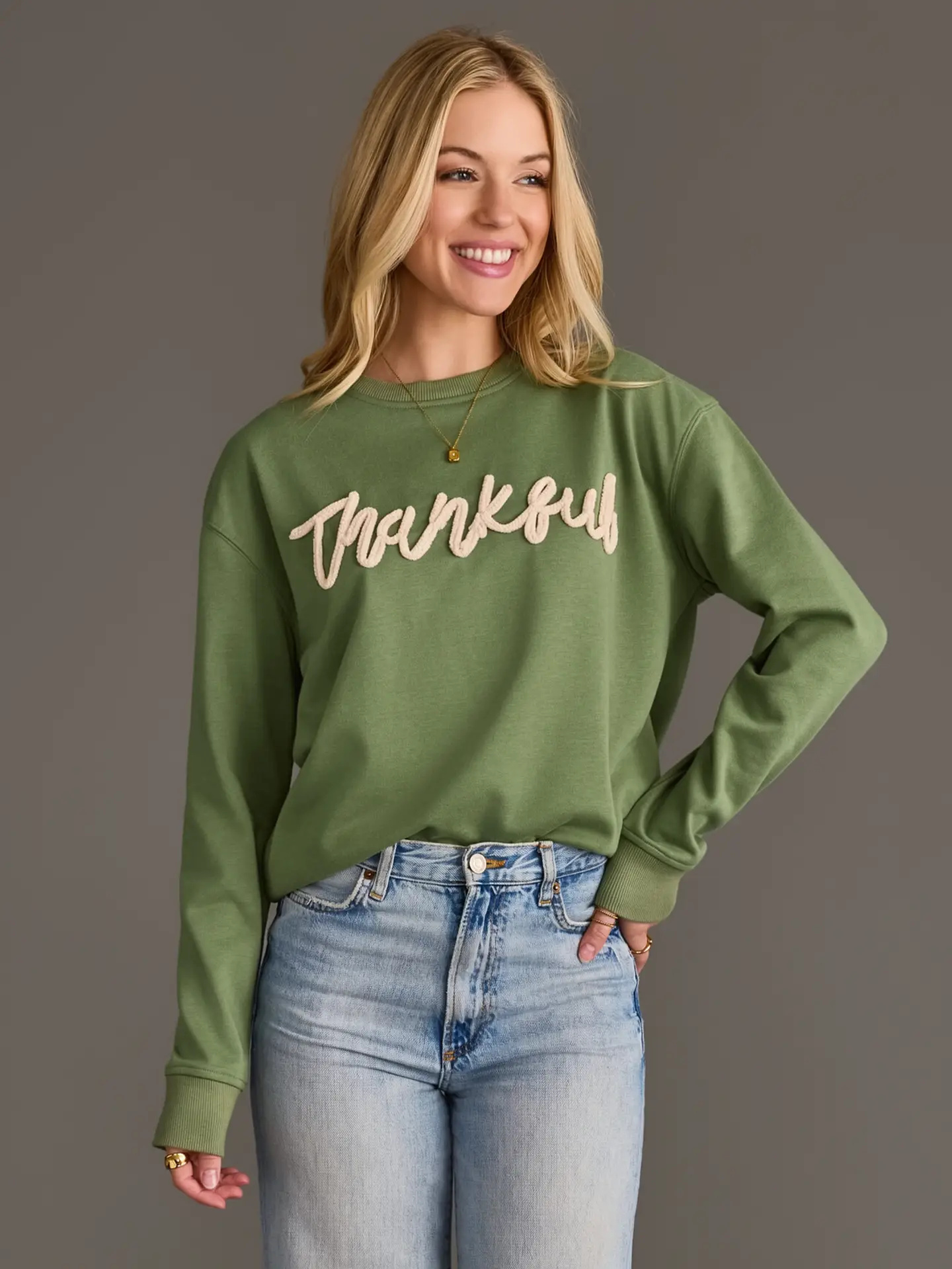
Begin at the shoulder seam, neckline and chest. Shoulder seams often sit close to the point where your shoulder turns into your arm, though the intended design can vary. Check that the neckline rests as intended and that the chest does not pull, gape or form taut horizontal lines when you stand comfortably.
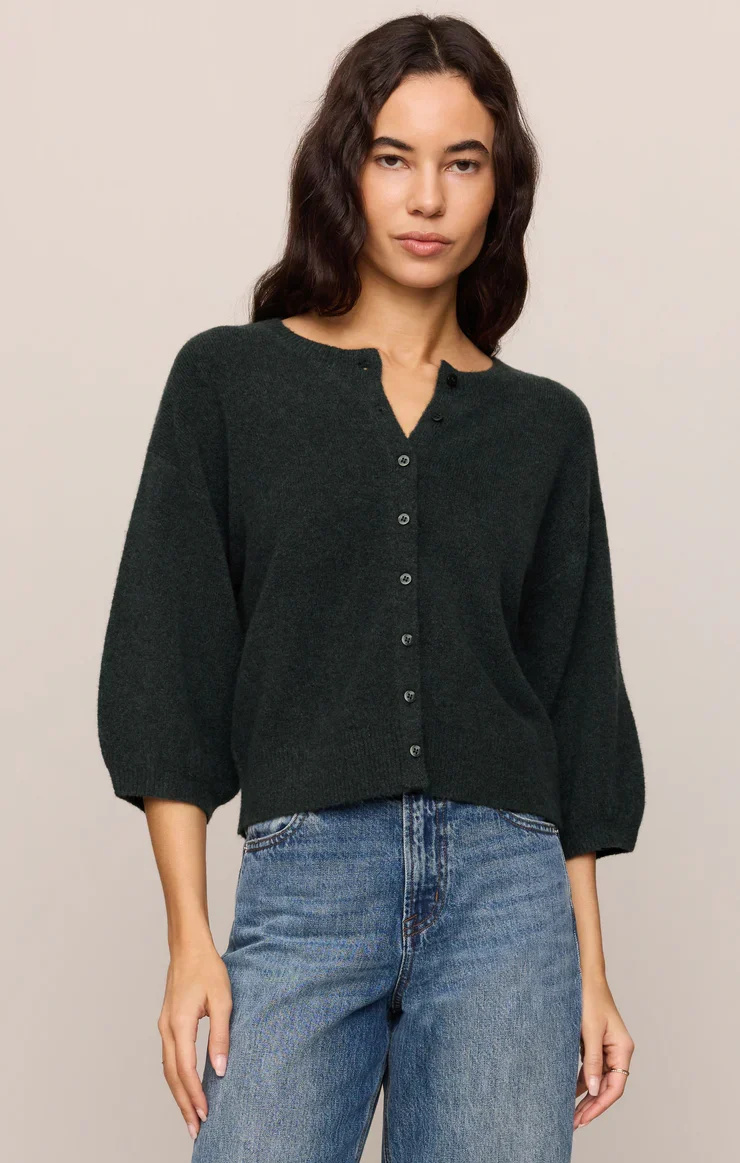
Raise your arms forward and overhead, then lower them. Notice whether the hem lifts excessively, the armholes pinch or the fabric strains across the back. A top should allow the everyday reach you need without constant adjustment. For a button-front style, check that the placket lies smoothly when fastened and does not separate under light movement.
Check sleeves and arm movement
Let your arms rest at your sides and compare sleeve length on both arms. Then bend your elbows and reach forward as if using a desk or carrying a bag. A sleeve may shorten naturally with movement, but it should not bind sharply at the elbow or pull the whole garment out of position.
Pay attention to the armhole as well as the cuff. Tightness high under the arm can restrict reach, while excess fabric may bunch in a way that feels distracting. If the garment has a defined sleeve finish, check that it remains comfortable when your arm bends. Assess the silhouette with arms relaxed, not only in a posed mirror stance.
Evaluate waistbands, rises and closures
Fasten trousers, skirts or dresses as intended, then check the waistband while standing and sitting. It should feel secure without digging in, rolling over or needing a belt to stay in place. Notice whether the closure lies flat and whether fabric pulls diagonally from the waist toward the hips.
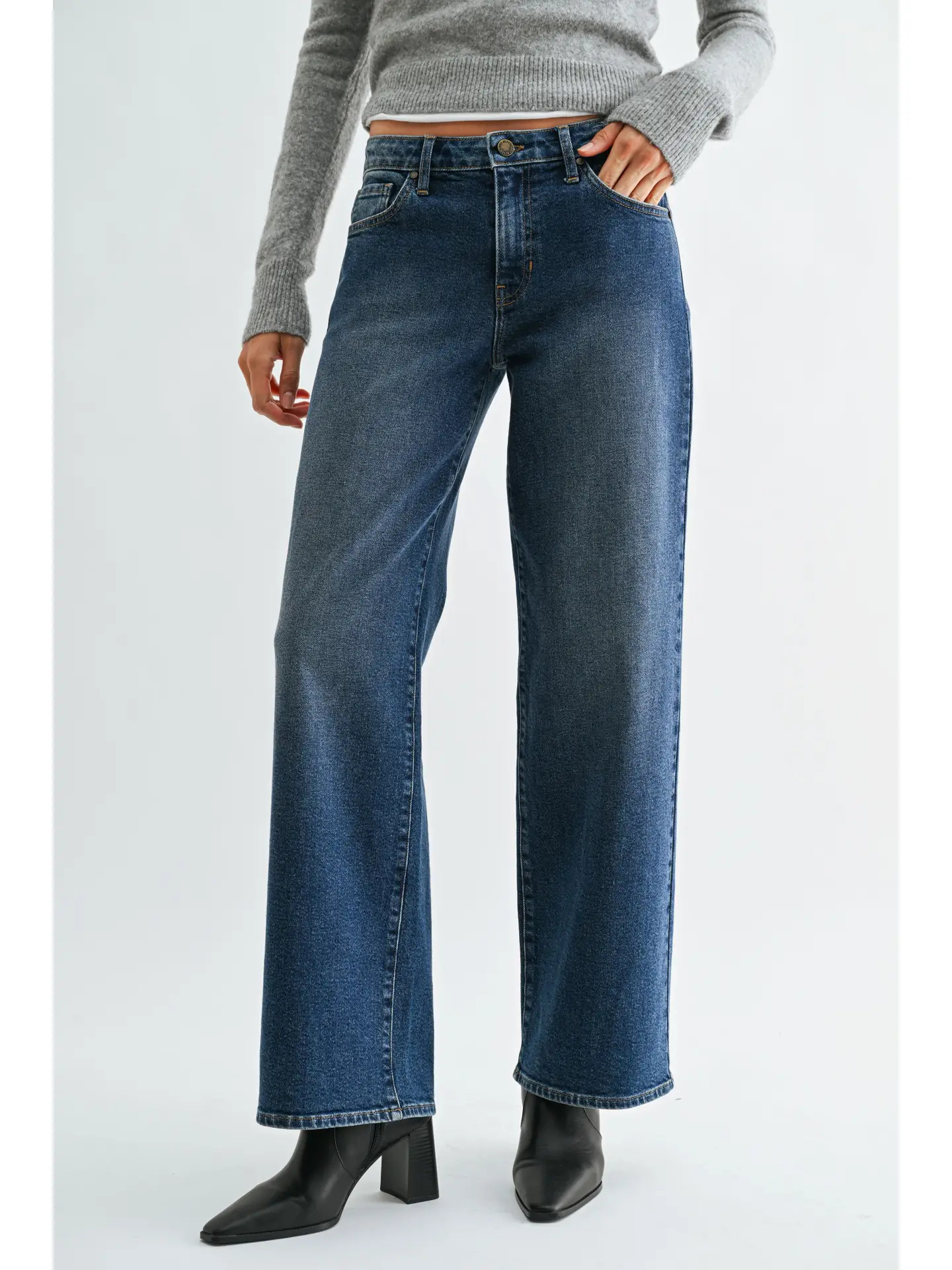
For trousers, the rise affects where the waistband sits and how the seat feels; the inseam affects where the leg ends. Sit, stand and take a few steps to see whether the waistband shifts or the crotch feels restrictive. Avoid judging length only while barefoot if you usually wear a particular type of shoe.
Inspect skirts, dresses and hemlines
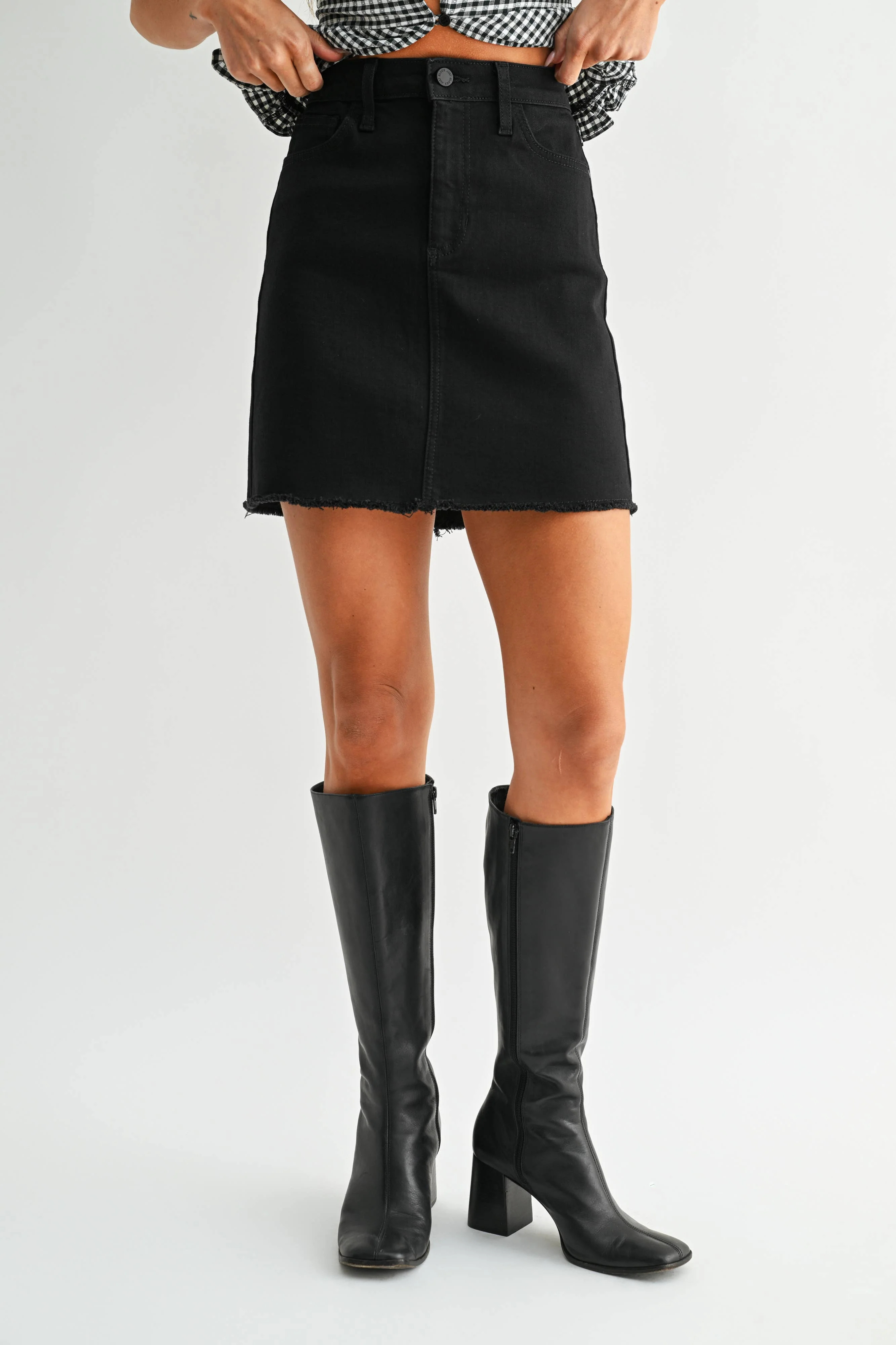
Stand naturally and look at the garment from the front and side. A hem that appears level on a hanger may sit differently on your body, so check whether it tilts, catches or rides up as you walk. For a dress, consider how the bodice, waist and skirt relate to one another rather than judging only its overall length.
Walk, turn and sit to test the skirt’s movement and coverage. If a dress includes a tie belt, try it both secured as intended and relaxed, if the design allows; check that gathering does not create uncomfortable pressure. Confirm that pockets, linings or layered parts do not bunch or shift during ordinary movement.
Test movement and comfort in real positions
A fit check should include the actions you expect to do while wearing the garment. Sit in a chair, bend gently, reach to a shelf and take several steps. These small tests reveal whether fabric pulls, closures press or a hem restricts movement in ways that a still mirror check cannot show.
Notice sensations as well as appearance: pinching, slipping, chafing or a need to keep tugging at the garment are useful evidence. Distinguish a brief adjustment from a persistent problem. If something feels uncomfortable after a few minutes of normal movement, consider whether a different size or silhouette would better suit your needs.
Read folds, gaps and strain lines
Folds are not automatically signs of poor fit; fabric naturally gathers where the body bends. Look instead for repeated clues: horizontal pulling across a closure, diagonal lines from a tight area, or excess fabric that collapses where the garment should lie smoothly. Compare front, side and back views before deciding what a wrinkle means.
Gaps can be just as informative as tightness. Check whether a waistband pulls away when you sit, a neckline shifts, or a fastening opens during movement. Note where the issue occurs and under what position. If care is needed after trying a garment, follow its care label first; any general cleaning method depends on the garment’s instructions.
A reliable home fitting combines measurements with a close look at balance, movement and comfort. Check the garment in the layers and positions that reflect your real routine, then note any specific pressure point, gap or shifting hem. Those observations make comparisons more useful than a size label alone. The best choice is the piece that lets you move naturally and sit comfortably while keeping the shape you want.