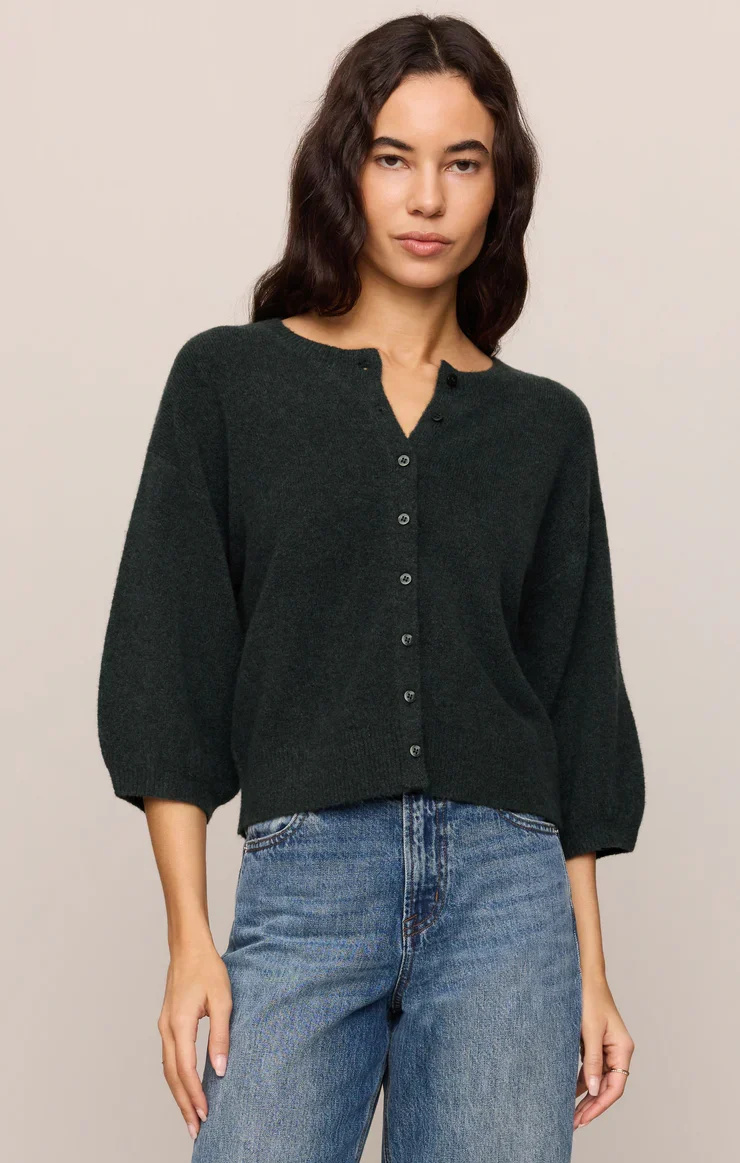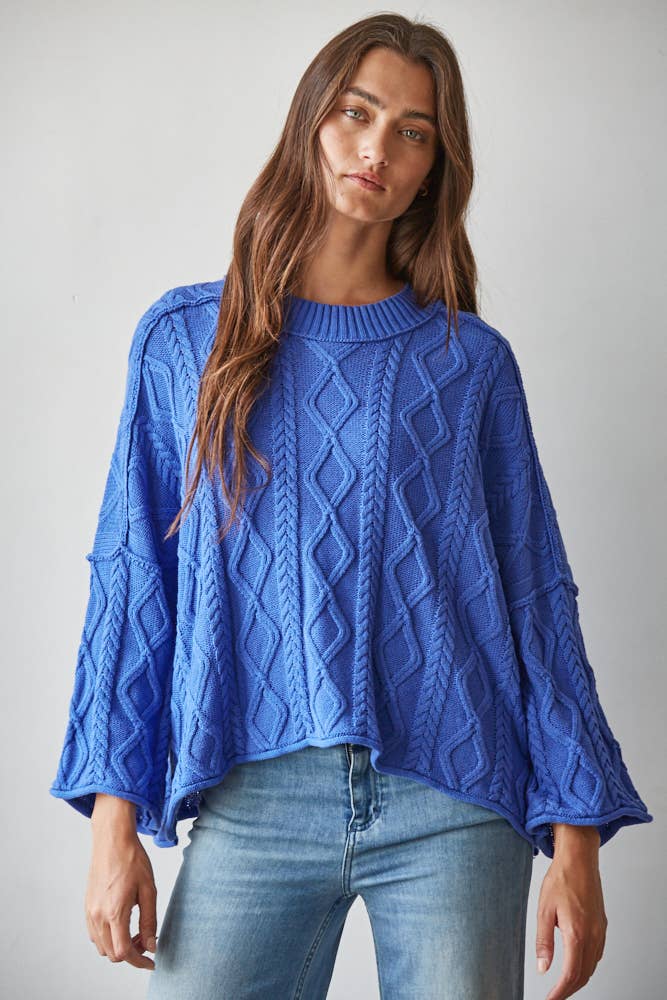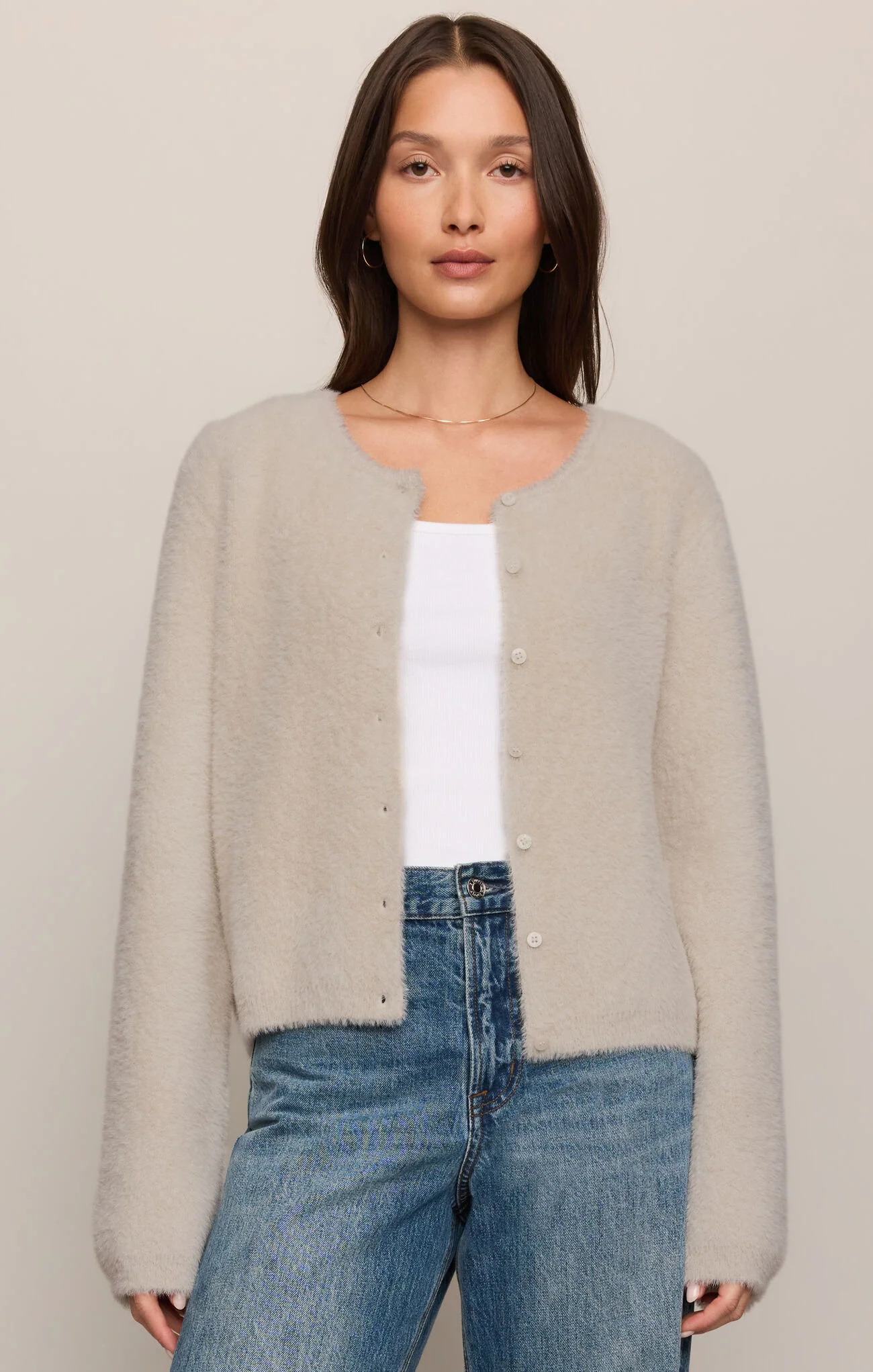
For any garment-care suggestion, follow the individual care label first. Read our care guide.
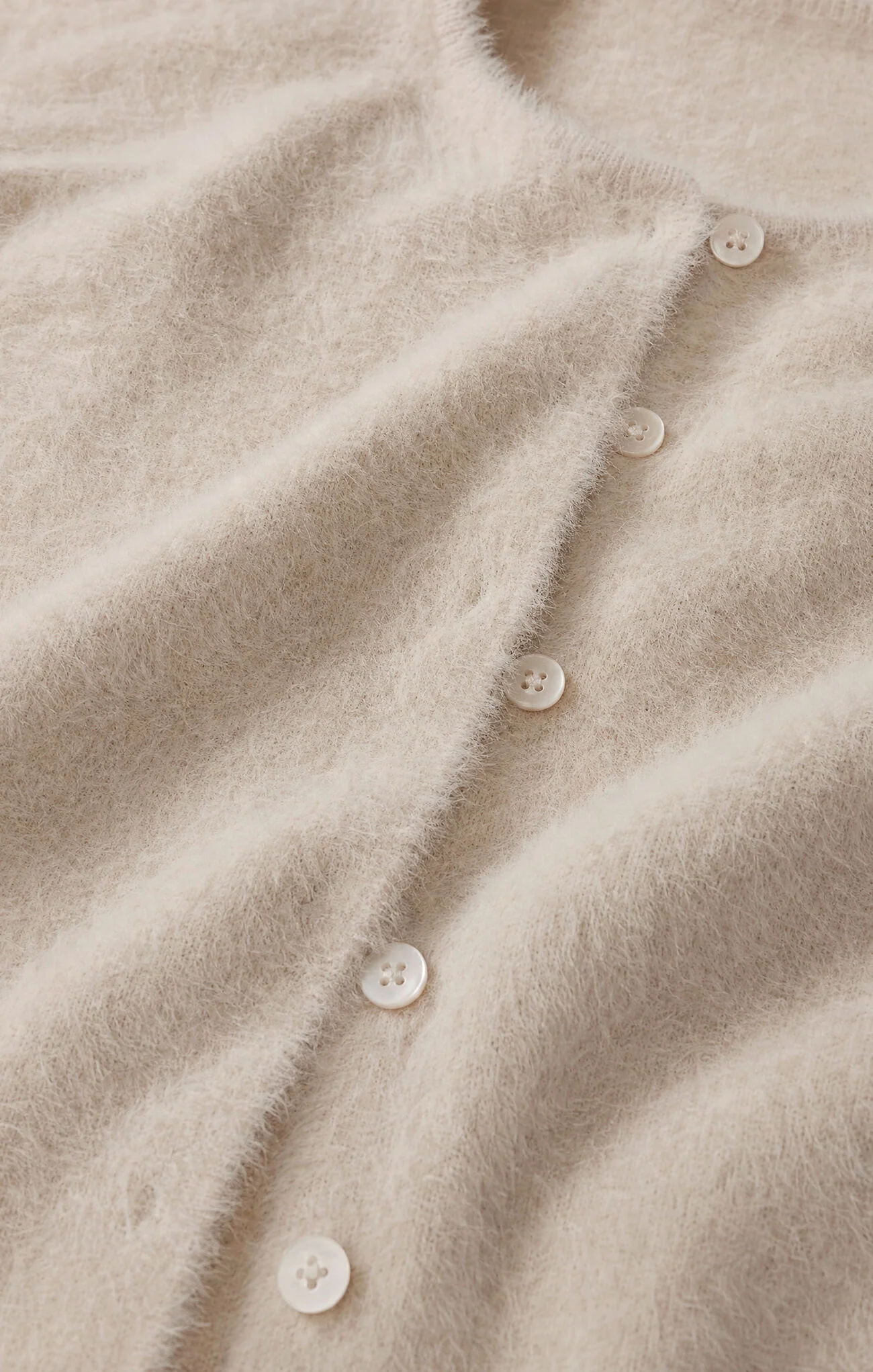
Knitwear is made of interlaced loops, which give it softness and flexibility—and can also make its surface vulnerable to rubbing and catching. Pilling happens when loose fibers gather into small balls; a snag occurs when a loop is pulled out of place. Neither is always preventable, but thoughtful handling can reduce avoidable wear. Start with the garment’s care label, then adjust washing, storage, and daily habits to suit its instructions and construction. These practical steps help keep knits looking considered without treating every sweater as if it needs the same routine.
Understand what causes pills and snags
Pills form when fibers loosen through repeated friction and tangle on the fabric surface. Areas that rub against themselves or other materials—such as under the arms, at the sides, or beneath a bag strap—often show them first. A pill is surface wear; removing it cannot reverse the friction that caused it.
Snags begin differently: a loop catches on a rough or sharp surface and pulls away from the knit. A loose thread, rough tabletop, or fastening can be enough. Knowing the difference helps you respond sensibly: reduce repeated rubbing to limit pilling, and protect exposed loops from catches.
Let the care label set the washing method
Read the care label before washing, spot-treating, or using any cleaning product. Instructions vary by garment, and the word “knit” does not tell you whether a piece can go in a machine. Follow the stated method and water temperature; if the label advises professional cleaning, do not substitute a home wash.
When hand washing is permitted, use a clean basin and handle the garment gently rather than scrubbing or twisting it. If machine washing is allowed, use the gentlest suitable cycle and contain the knit in a mesh bag when practical. These measures can limit agitation, but the label remains the deciding guide.
Reduce abrasion during wear
Notice where your knit meets other surfaces during an ordinary day. A crossbody strap, desk edge, seat belt, or rough outer layer can repeatedly rub the same patch. Shift the point of contact when convenient, and avoid dragging the garment against abrasive surfaces as you sit, reach, or remove a coat.
Layering deserves a little attention: a coarse or textured layer may create friction against a softer knit. Check how fabrics move together rather than assuming a particular pairing is harmless. Take care when putting on or removing a layer, easing it over the sweater instead of pulling quickly across the sleeves or shoulders.
Handle the knit gently when washing
Before a permitted wash, fasten closures that might catch and turn the garment inside out if the care instructions allow it. Keep the load appropriately small so the knit is not pressed among heavy or rough items. Avoid adding vigorous rubbing as a way to treat a small mark; follow the label’s cleaning guidance instead.
After washing, support the garment with both hands as you lift it, since wet knitwear can stretch under its own weight. Do not wring it unless the care label specifically permits that method. If the instructions call for flat drying, arrange the piece evenly on a clean surface and reshape it gently.
Dry and reshape without stretching
Drying is part of garment care, not an afterthought. Check the label for whether flat drying, a dryer, or another method is allowed; never assume that a knit can tolerate heat. When laying a garment flat is indicated, smooth it into its natural proportions without pulling the sleeves or hem into a longer shape.
Keep the drying area clear of sharp edges and avoid placing the knit where it may be brushed aside or snagged. Let it dry fully before folding or storing. Hanging a damp knit can place extra weight on the shoulders, so choose that method only if the garment’s care instructions specifically support it.
Store knits to prevent distortion
For most knits, folding on a clean shelf or in a drawer helps avoid the downward pull that can occur on a hanger. Place heavier pieces on a stable surface and avoid compressing delicate textures beneath a crowded stack. Keep fasteners, rough trim, and sharp objects from pressing directly against the fabric.
Make room for each garment to be lifted out without tugging at neighboring pieces. If you use a storage container, ensure the knit is clean and completely dry before putting it away, and avoid packing it so tightly that its shape is distorted. A little space makes routine handling less likely to catch a loop.
Inspect snags and pills carefully
If a loop catches, resist the urge to cut it or pull it from the opposite side. Cutting can leave a hole, while tugging may draw more of the knit out of place. Gently ease the surrounding fabric flat and, when appropriate for the construction, use a blunt tool to guide the loop toward the inside.
For pills, use a fabric comb or depilling tool only when suitable for the garment, and test it first in an inconspicuous area. Keep the fabric flat, work lightly, and stop if fibers pull or the surface changes. A tool removes visible pills; it does not prevent new ones if friction continues.
Build a low-friction wardrobe routine
Small checks can prevent avoidable damage. Before wearing a knit, look over bags, outer layers, and nearby surfaces for rough spots or projecting hardware. At the end of the day, check common friction areas and remove lint with a method that is safe for the garment rather than brushing aggressively.
Rotate pieces instead of wearing the same knit through repeated high-friction days, and allow each garment to rest between wears when practical. Keep care tools clean and use them sparingly. The goal is not to eliminate every sign of use, but to make handling and laundering gentler than the conditions that wear fibers down.
Preventing knit pilling and snags is less about one special product than about limiting friction at every stage: dressing, washing, drying, and storage. Let the care label guide each decision, handle loops rather than pulling them, and treat surface cleanup with a light touch. Some wear is part of using a garment, but a careful routine can help preserve its texture and shape for longer.