For any garment-care suggestion, follow the individual care label first. Read our care guide.
The pairing of a skirt and a knit top can feel relaxed, polished, or somewhere in between. The secret is not a complicated formula; it is noticing how the pieces relate in length, volume, texture, and color. A few thoughtful adjustments can make familiar separates feel fresh, whether you are dressing for a casual afternoon or a more put-together day.
Balance the proportions
Start by looking at the silhouette as a whole. With a fuller skirt, a closer-fitting knit can keep the outfit from feeling visually crowded. A fluid or straighter skirt, meanwhile, gives you room to try a relaxed sweater without losing a sense of shape.
A tuck can define the waist and create a clean line, but it is not the only option. Try a partial front tuck, or let a shorter knit meet the waistband naturally. Check the outfit from the side as well as the front; small shifts in hem placement can change the balance.
Use texture to create interest
When the colors are simple, texture can do the expressive work. Pair a smooth-looking knit with a skirt that has visible pleats, gathers, or a subtle sheen, or reverse the relationship with a more textured sweater and an uncomplicated skirt. The contrast adds dimension without requiring a busy print.
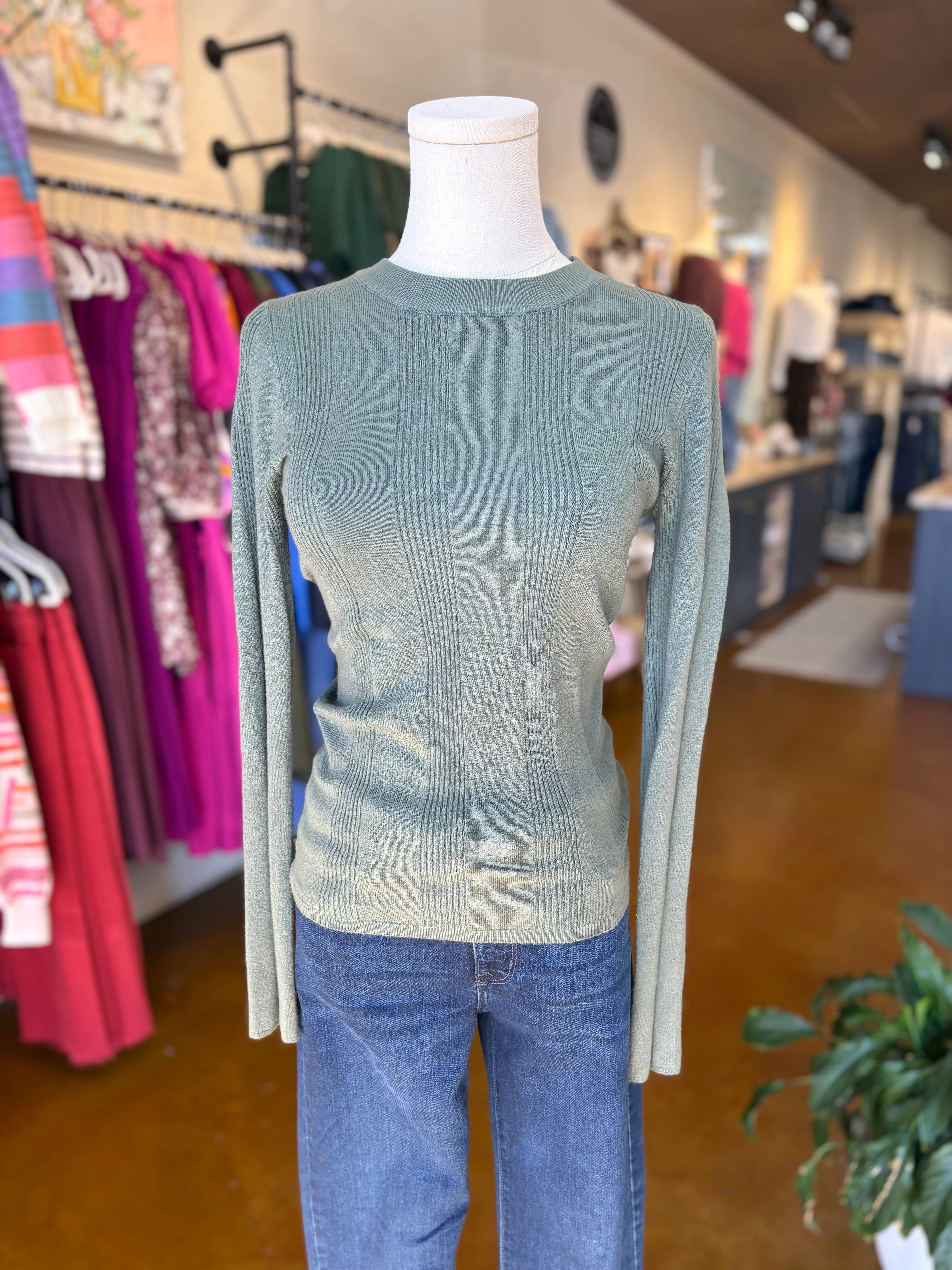
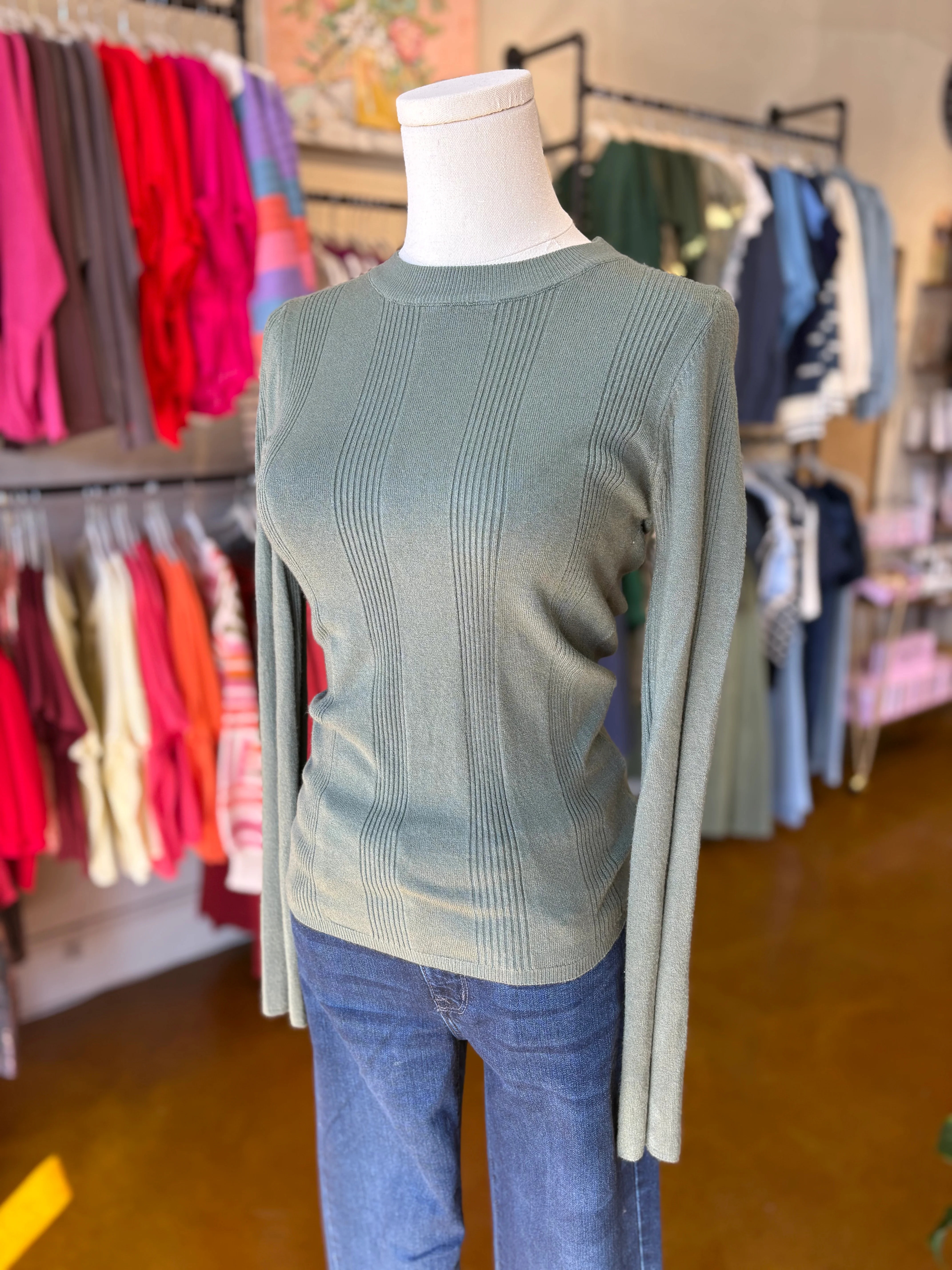
For a coordinated feel, repeat a texture or visual detail in a restrained way rather than matching every element. A ribbed sweater tee, for instance, offers a defined surface that can sit comfortably beside a range of skirt textures. Let one piece take the lead, then keep the rest of the outfit calm.
Build a considered color palette
Choose one color to anchor the outfit, then add a neighboring shade or a quiet contrast. A tonal combination—several related shades worn together—can make different pieces feel connected, while a light top against a darker skirt brings attention upward and gives the look a crisp outline.
Prints are easiest to combine when you give them room to breathe. If the skirt is patterned, a knit in one of its quieter colors can echo the print without competing with it. For a patterned top, keep the skirt simpler and let the knit set the mood.
Layer with shape in mind
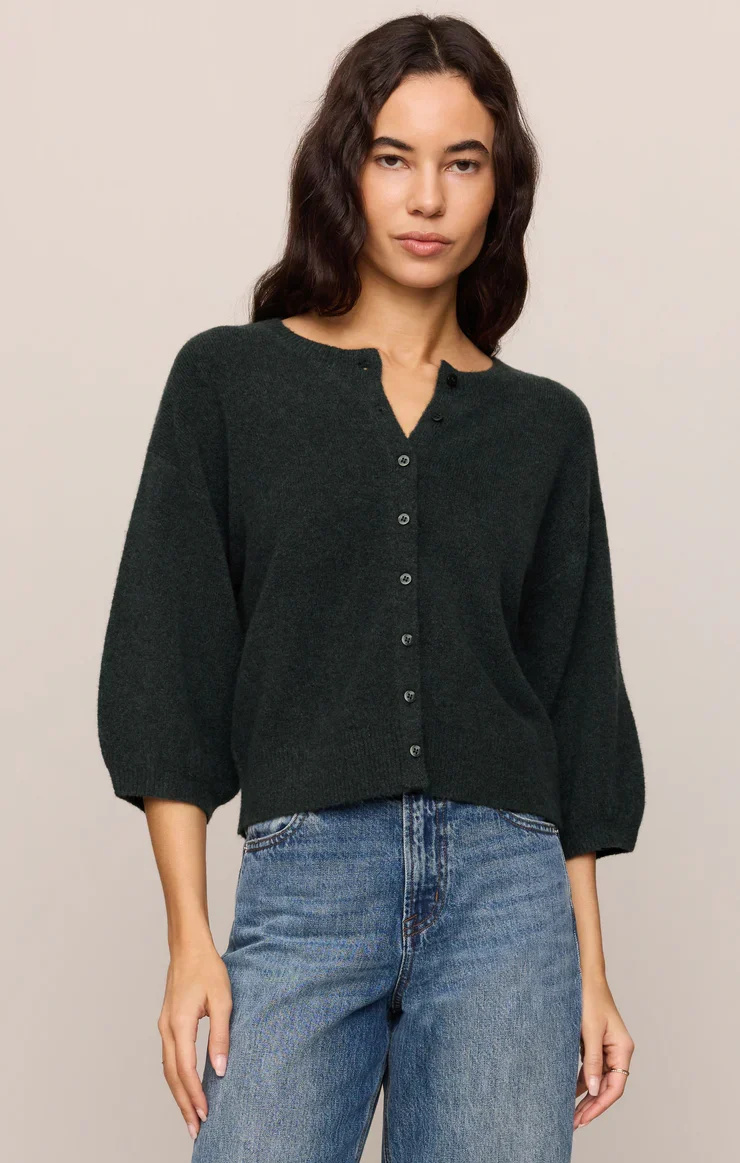
A cardigan adds warmth and another line to the outfit, so consider where its hem falls in relation to the skirt’s waistband and hem. Worn open, it creates a vertical frame; buttoned, it can take the place of a pullover. A lightweight layer such as the Valor Cardigan can work across changing conditions.
Keep layering intentional by limiting bulk around the waist. If you wear a longer cardigan over a full skirt, leave it open or choose a neater base layer beneath it. With a straighter skirt, you can experiment with a buttoned knit and a softly structured layer on top.
Adapt the outfit to the occasion
For everyday wear, make comfort and movement your guide: choose a skirt that lets you sit and walk easily, then pair it with a knit that feels right for the day. A simple tuck or rolled sleeve can make the combination feel finished without making it formal.
To give the same pairing a more polished direction, refine the proportions and keep the palette deliberate. A neat neckline, smooth tuck, and uncluttered silhouette create a composed impression. Before heading out, check that the skirt and top feel comfortable together while standing, sitting, and moving.
Choose a waistband that works with the knit
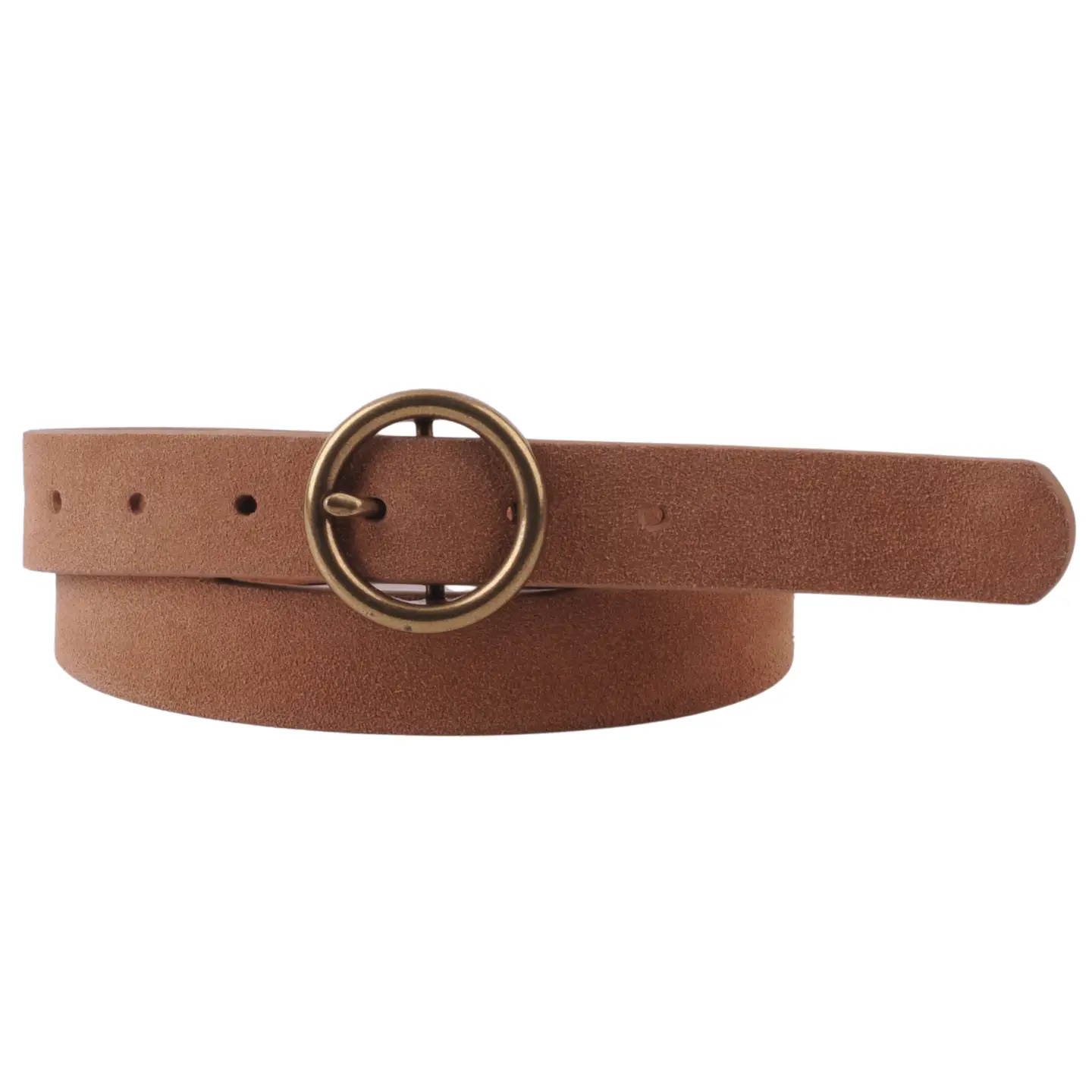
Check how the skirt’s waistband sits beneath the top before deciding how to wear the knit. A smooth, secure waistband can make a tucked-in top feel comfortable, while a gathered or elasticated waist may be better left unobstructed. If you prefer a belt, make sure the loops and fastening sit comfortably under the knit rather than creating a ridge that catches or pulls.
When a knit is tucked in, use only enough fabric to cover the waistband without bunching. A thinner top is often easier to manage than a thick pullover; with a bulkier knit, try a neat partial tuck or wear it untucked if its hem meets the skirt cleanly. Sit down and stand again to check that the waistband stays put and the top does not twist.
Check movement before you leave
A skirt-and-knit outfit should work in motion, not just in a mirror. Walk at your usual pace, take a few steps up and down, and sit in a chair to see whether the skirt rides up, catches at the knees, or restricts your stride. Notice whether the knit shifts at the shoulders or pulls across the back when you reach forward; adjust the pairing before leaving.
For a skirt with a narrow cut, test the length of your stride and consider whether a vent or split allows enough movement. With a wider skirt, check that the hem does not drag or sweep underfoot as you turn. A practical trial also helps reveal whether a tucked top needs securing or whether the waistband feels uncomfortable after sitting for several minutes.
Use footwear to set the outfit’s direction
Footwear can change the impression of a skirt and knit pairing without altering the clothes themselves. A flat shoe gives the outfit an easy, grounded finish, while a more structured shoe can make the same separates feel more deliberate. Before choosing, consider the skirt hem: a shoe that visually stops at the ankle may read differently with a long skirt than with a hem that ends below the knee.
Keep the practical details in view as well as the overall effect. If the day involves walking, wear shoes that feel secure and let the skirt move freely around them. For a longer hem, check that it clears the shoe when you step and turn. When the outfit already has a strong pattern or pronounced detail, a simpler shoe can keep attention on the clothes rather than competing for it.
Keep knits and skirts in good condition
Care instructions vary, so begin by reading the garment care label rather than assuming a knit or skirt can be washed in a particular way. Follow any stated method and temperature, and use a suitable specialist service when the label directs you to dry clean. If a care label is unclear, check with the retailer or a garment-care professional before washing; avoid applying heat or agitation without guidance.
After wearing, let a knit air briefly before storing it, and fold it rather than hanging it if its weight might stretch the shoulders. Store skirts according to their construction, taking care not to crush pleats or crease delicate surfaces. When travelling, pack the pieces with minimal compression and allow them to settle before dressing. Thoughtful storage helps both parts of the outfit remain ready to wear.
The most useful skirt-and-knit combinations are the ones that feel like you. Begin with proportion, then adjust texture, color, and layers until the outfit feels balanced and comfortable. For garment care, follow each item’s care label; if it calls for hand washing or another specific method, use that guidance rather than assuming all knits can be treated alike.