For any garment-care suggestion, follow the individual care label first. Read our care guide.
A top’s neckline does more than frame the face: it guides the eye, affects the balance of an outfit, and influences which layers feel comfortable. The most useful approach is to treat the neckline as a starting point, then consider proportion, occasion, and the pieces already in your wardrobe. A few simple adjustments can help a familiar top feel intentional, whether you are dressing for a relaxed day or a more polished setting. These practical ideas make it easier to style different necklines without overthinking the whole outfit.
V-Necks: Use the Open Shape to Create Length
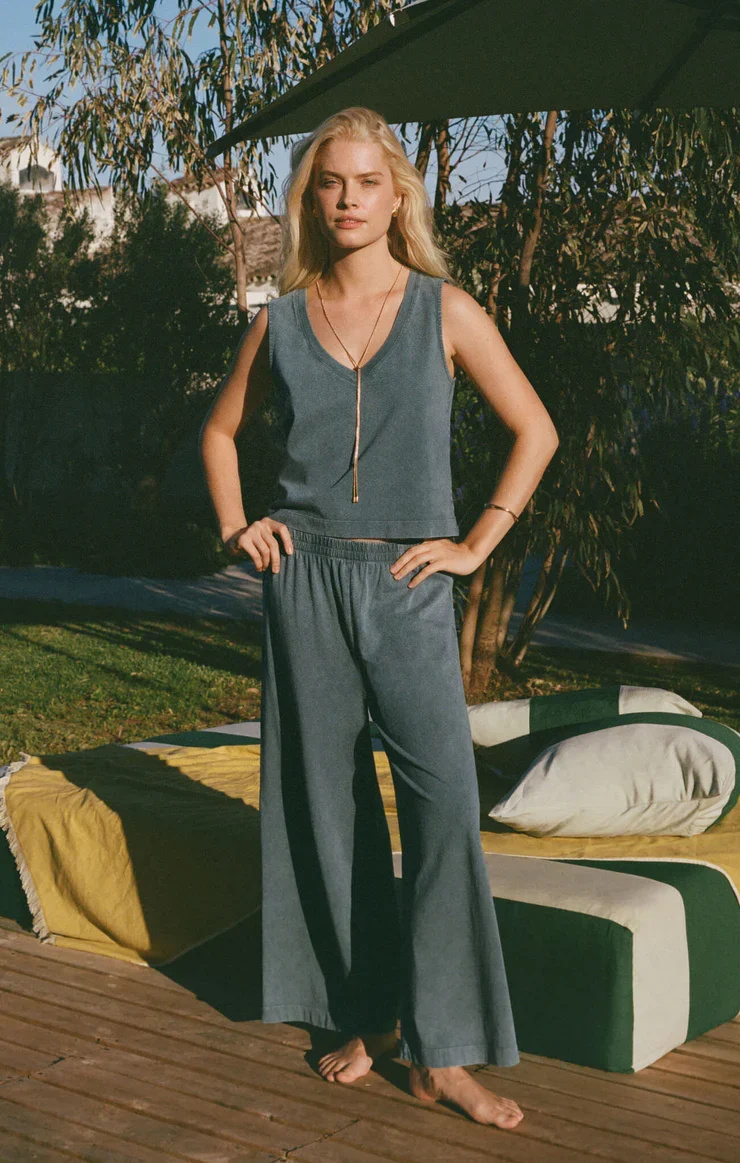
A V-neck creates a clear line toward the center of the torso, so it can bring a sense of length to an outfit. Echo that direction with an open jacket or a long, unbuttoned shirt. Keep the lower half simple when the neckline is the main visual feature; straight-leg trousers or a clean skirt let the shape remain easy to read.
For a casual outfit, wear a V-neck top with denim and a light layer that does not close across the chest. A deeper V may feel more balanced with a higher-rise bottom or a structured overshirt. A modest V works neatly beneath a blazer, where the open line softens the formality of the lapels.
Crew Necks: Build a Clean, Balanced Base
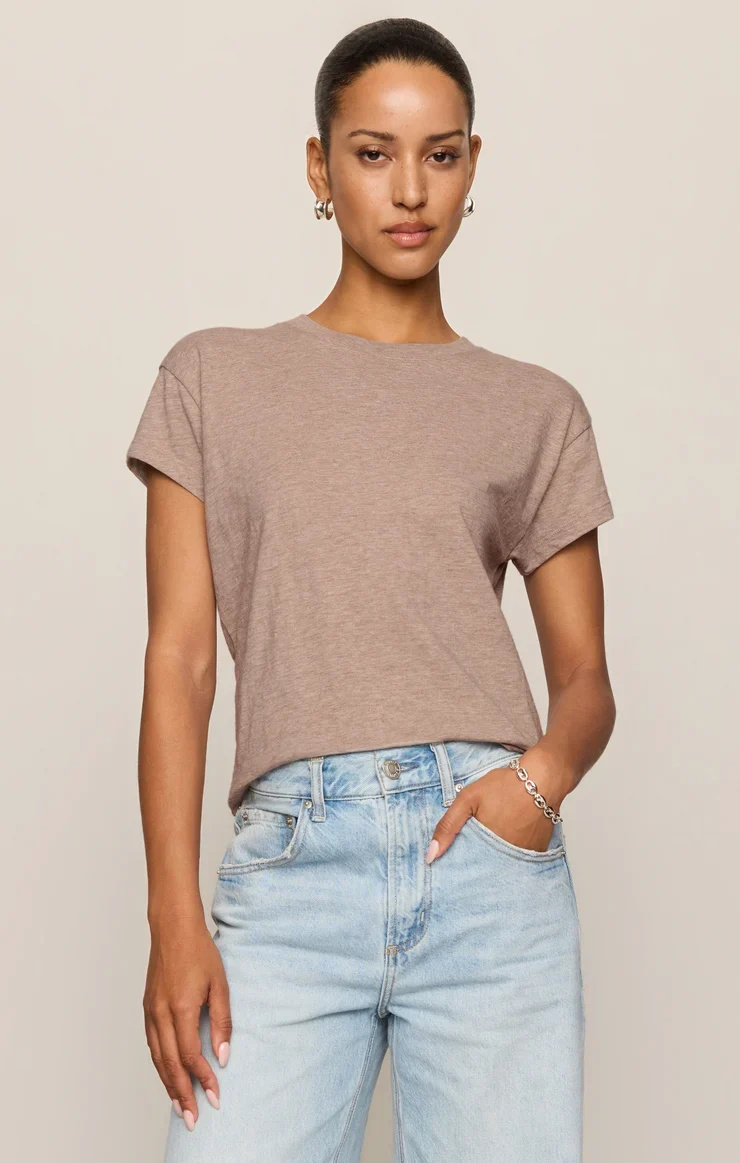
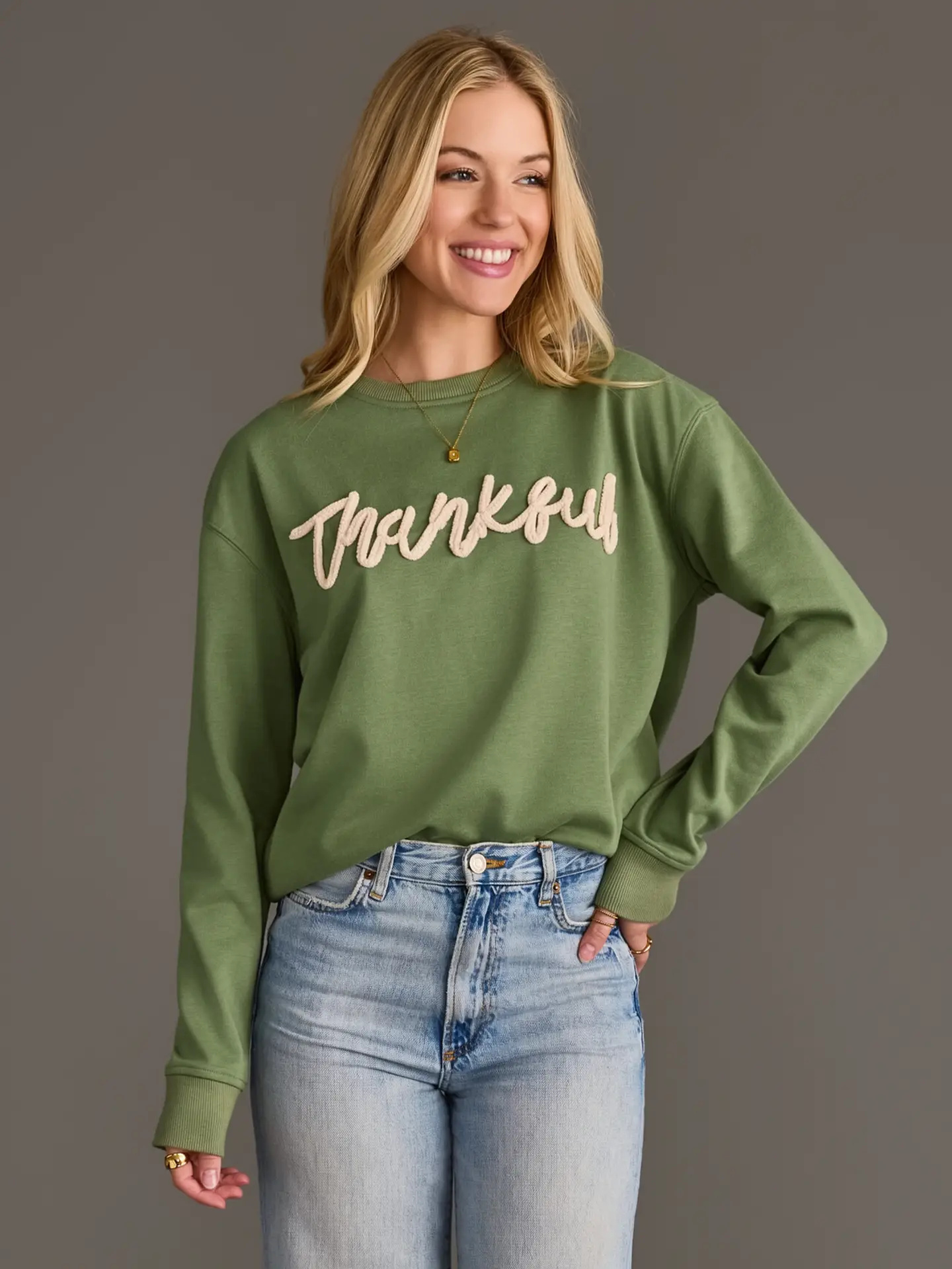
A crew neck sits close to the base of the neck, making it a dependable foundation for outfits with strong lines elsewhere. Pair it with a tailored jacket, an open cardigan, or a high-waisted bottom. The simple neckline gives prints, interesting textures, or a standout silhouette elsewhere room to take focus without competing details.
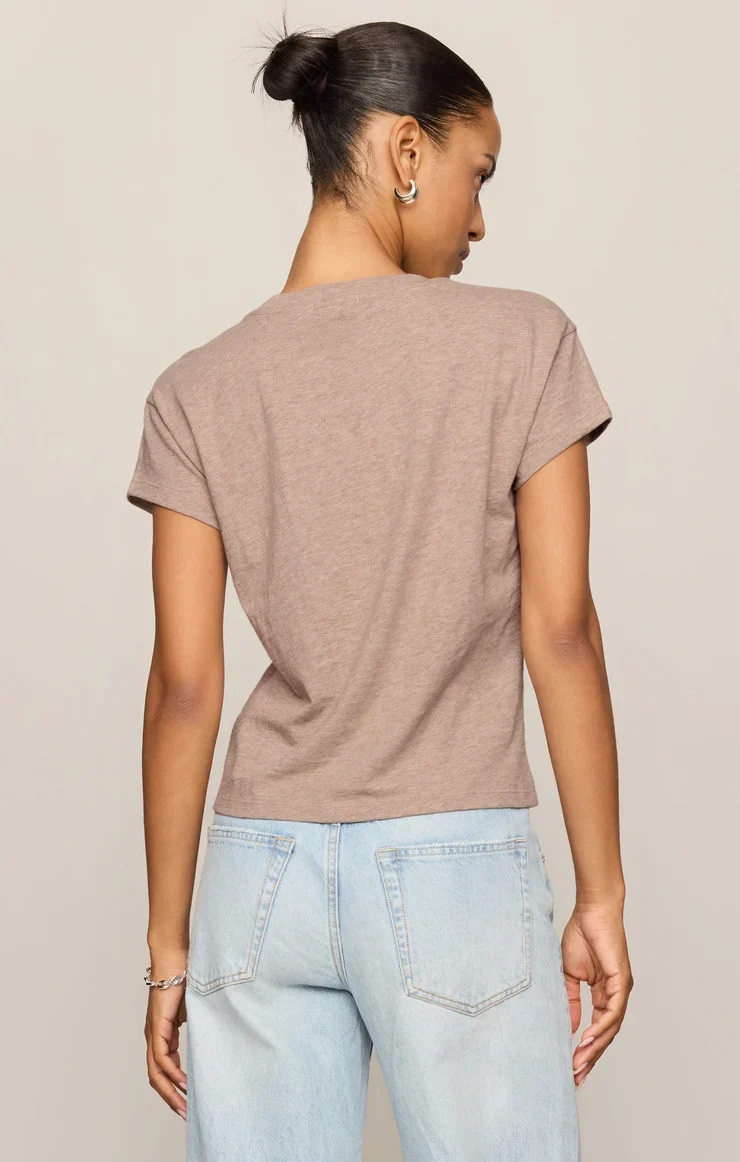
When layering, check that the collar of the outer piece lies smoothly rather than bunching around the neck. A crewneck tee such as the Modern Slub Crewneck Tee can work as a straightforward base with jeans or beneath an open shirt. Choose a layer with enough space through the shoulders to preserve comfortable movement.
Scoop Necks: Balance a Broad, Rounded Opening
A scoop neck exposes more of the upper chest than a crew neck, while its curved edge keeps the effect soft. Balance that openness with a bottom that has a little structure, such as tailored trousers or a full skirt with a defined waistband. This contrast helps the outfit feel considered rather than overly relaxed.
For extra coverage, add a cardigan or jacket that frames the opening without hiding it completely. A shorter layer can emphasize the waist; a longer, open layer creates a more continuous line. If the top is already loose, try a neater bottom or a partial tuck to keep the overall silhouette from feeling shapeless.
Square Necks: Reinforce the Geometric Shape
The straight edges of a square neckline give an outfit a crisp, architectural quality. Repeat that clarity with structured pieces: a clean-cut jacket, straight trousers, or a skirt with a defined shape. Avoid adding several competing angles at once; one strong geometric element is often enough to make the neckline feel deliberate.
A square neck can also balance softer proportions. Try it with gently rounded or flowing pieces below the waist, allowing the contrast to bring dimension to the outfit. When adding a layer, choose one that sits neatly around the shoulders and does not distort the neckline. Leaving it open usually keeps the top’s outline visible.
Boat Necks: Consider Width Across the Shoulders
A boat neck runs broadly across the upper body, so it naturally draws attention to the shoulders. Keep the outfit balanced by pairing it with a simple lower half: straight trousers, a narrow skirt, or relaxed denim with a clear shape. This lets the width of the neckline read as a design choice rather than visual clutter.
For cooler conditions, select a layer that does not crowd the broad opening. An open-front cardigan or jacket can add warmth while preserving the horizontal line. If the outer layer has a prominent collar, check the proportions in a mirror; a quieter neckline outside the top often creates a more comfortable, cohesive frame.
High Necks: Keep Layers Light and Proportions Clear
A high neckline already covers much of the upper chest, giving the outfit a composed, streamlined feel. To avoid crowding the face and shoulders, use a layer with a clean opening or skip an additional collar altogether. A simple jacket, worn open, can provide definition without adding too much visual weight near the neck.
Balance the coverage above with a clear shape below. A tucked high-neck top can define the waist, while an untucked version may suit a slimmer, straight-cut bottom. If you prefer a looser silhouette, use a deliberate proportion—such as a shorter outer layer—so the outfit feels shaped rather than simply covered.
Collared Necklines: Decide How Much Structure to Show
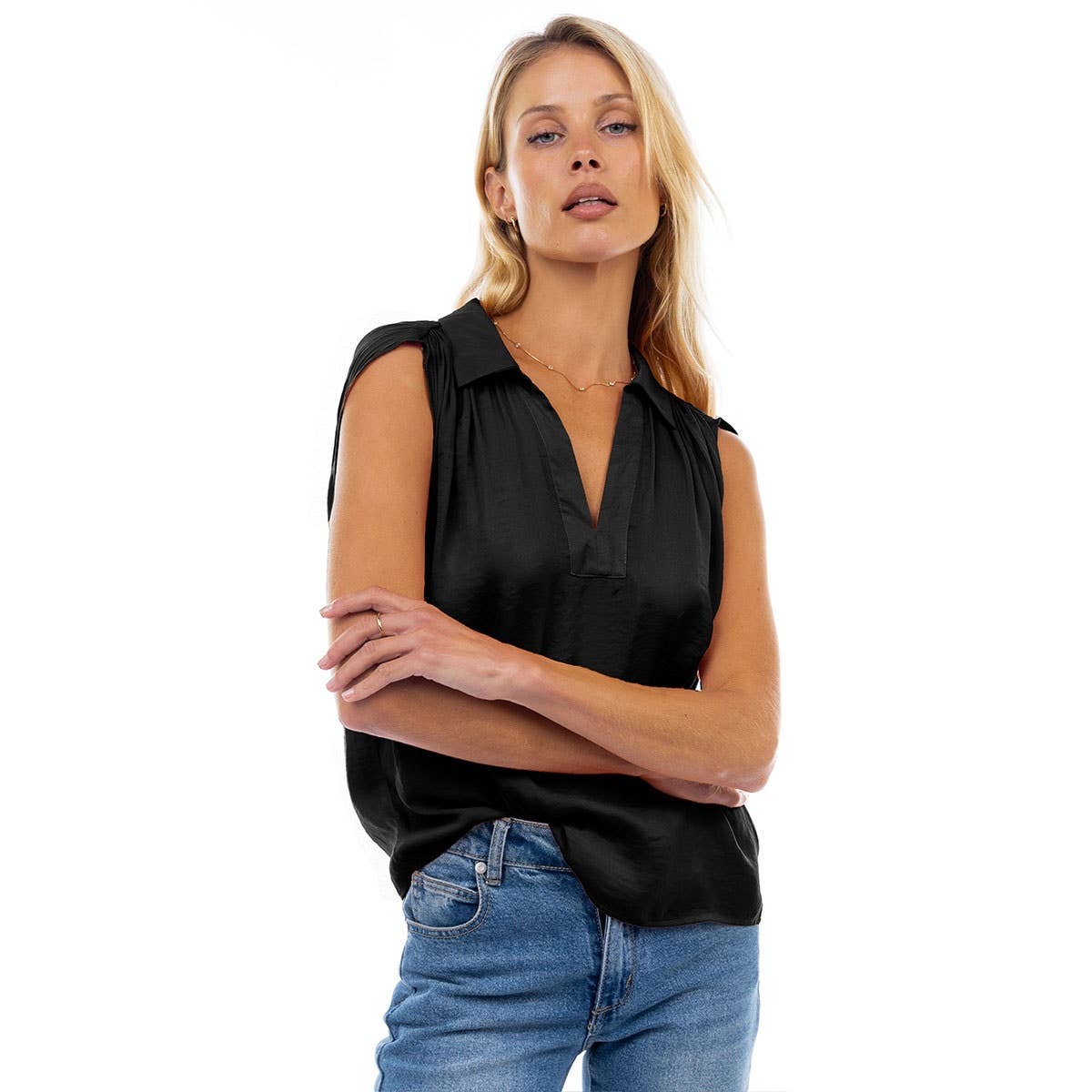
A collar introduces structure, making a top feel more polished than a similarly simple neckline. For an easy daytime look, wear it with denim or relaxed trousers; for a more refined outfit, pair it with a tailored bottom. Keep the collar arranged neatly and let it remain the main detail around the face.
A neck-band collar, as seen on the Collared Satin Sleeveless Top, offers a distinct alternative to a conventional folded collar. Give that shape room by choosing a simple layer or wearing the top on its own. If an outer piece has its own collar, compare the two outlines so they sit comfortably rather than competing.
One-Shoulder and Asymmetric Necks: Preserve the Line
An asymmetric neckline creates movement through an uneven edge, so the simplest styling choice is often to keep the surrounding outfit quiet. Pair it with a clean, uninterrupted bottom and avoid a layer that cuts across the exposed shoulder. A compact silhouette elsewhere allows the top’s distinctive line to stay visible.
For a layer, consider an open jacket that can sit away from the neckline rather than covering it. Check that straps or seams underneath remain discreet and comfortable. When choosing a bag, keep its placement in mind: a strap crossing the shoulder can interrupt the shape, so carry it in a way that preserves the design.
The most reliable way to style different necklines is to notice what each one emphasizes, then balance it with the rest of the outfit. Open shapes can benefit from clean layers, while high or structured necklines often look best with uncluttered framing. Use proportion, fabric weight, and the occasion as practical guides, and let one neckline detail lead. With that approach, familiar tops can work in more combinations while still feeling considered and comfortable.