For any garment-care suggestion, follow the individual care label first. Read our care guide.
Few dresses move so naturally between casual and put-together as the shirt dress. Its familiar collar and button-front shape offer a neat starting point, while length, sleeves, and waist definition can shift the mood. At A Likely Story Boutique, we think of it as a wardrobe canvas: begin with how you want to feel, then use a few considered styling choices to make the look feel personal.
Choose a silhouette for your day
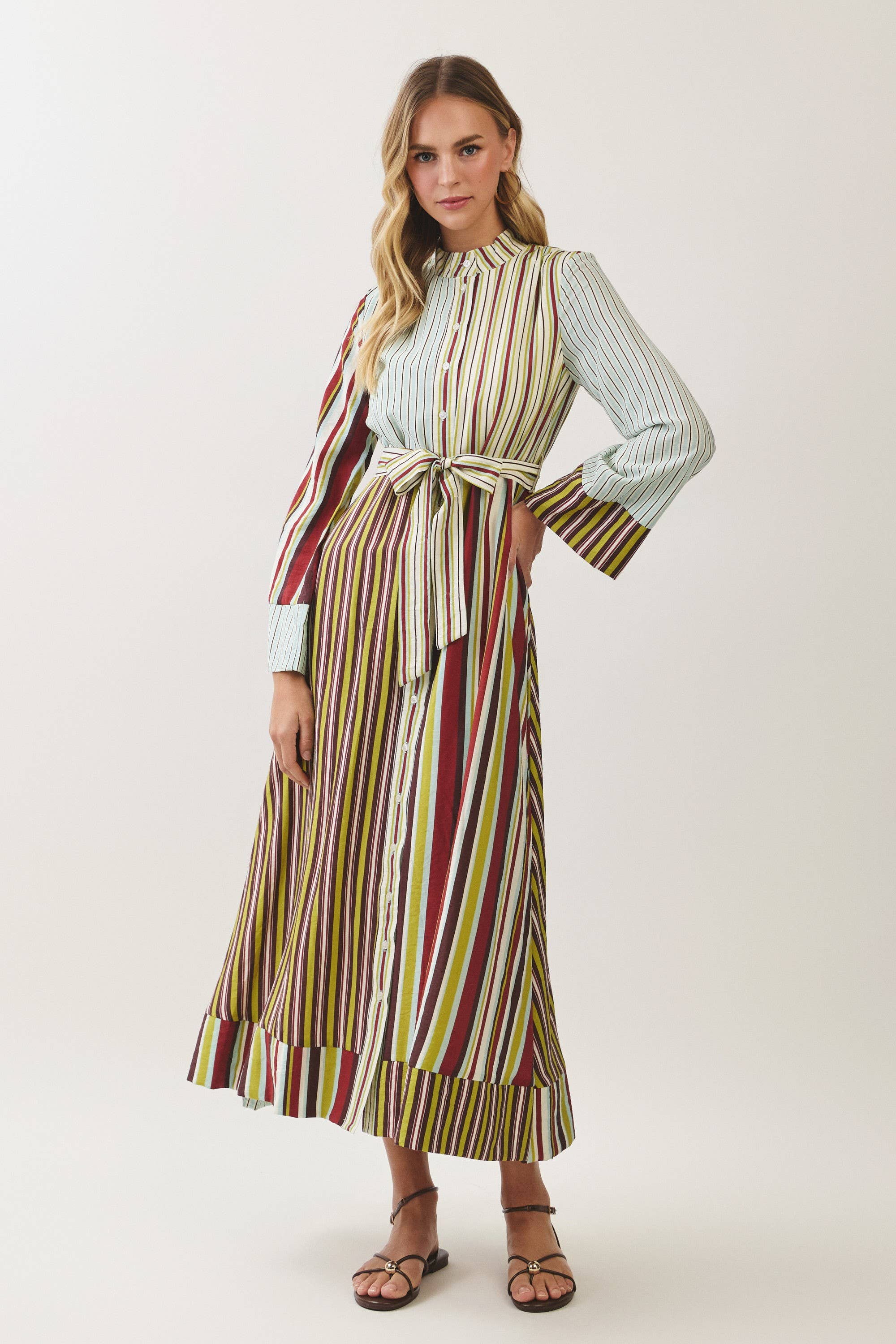
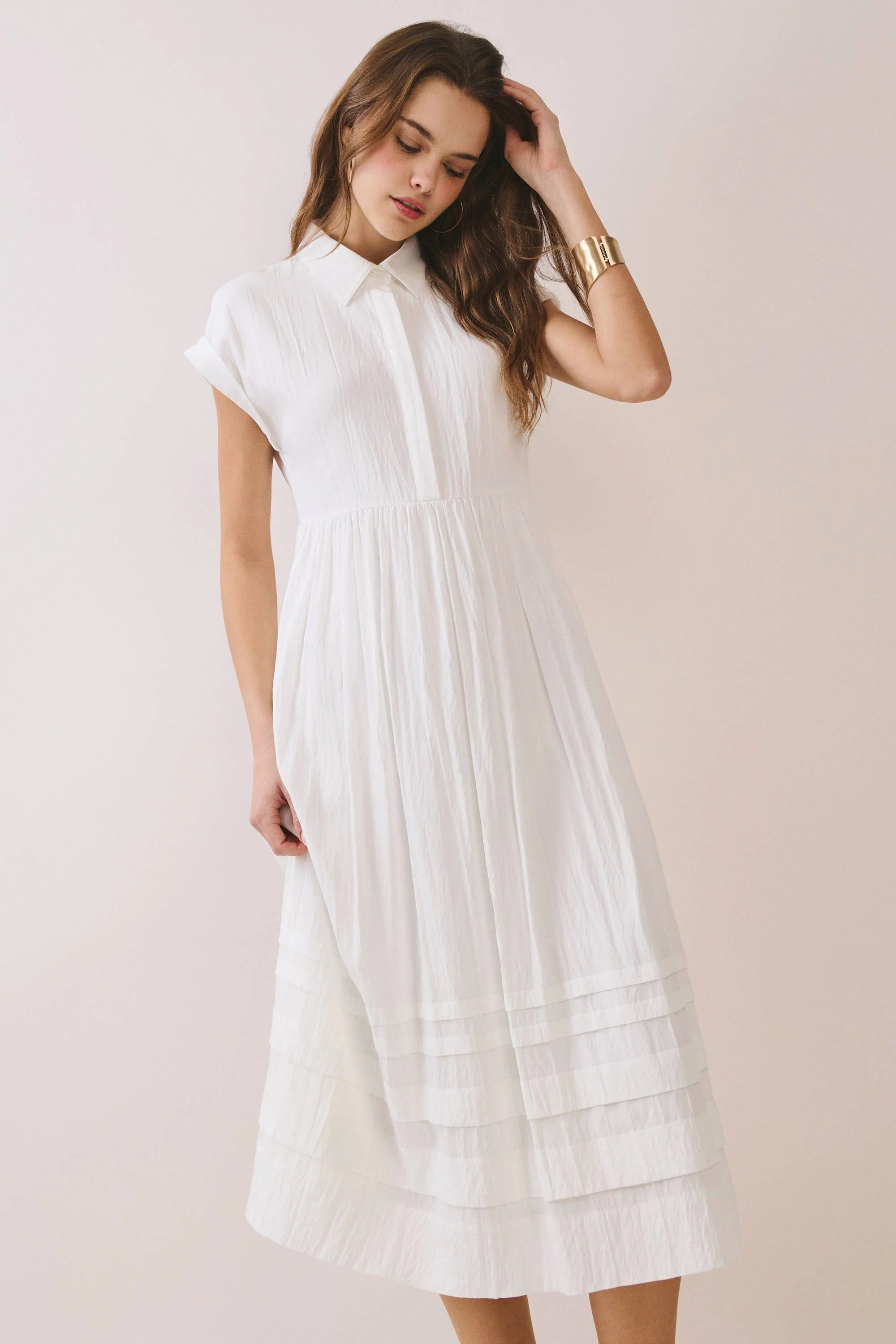
Start with length and shape. A maxi creates a long, flowing line that feels especially at home on an unhurried day; a midi can offer a lighter visual balance. Consider where the hem falls with your usual shoes.
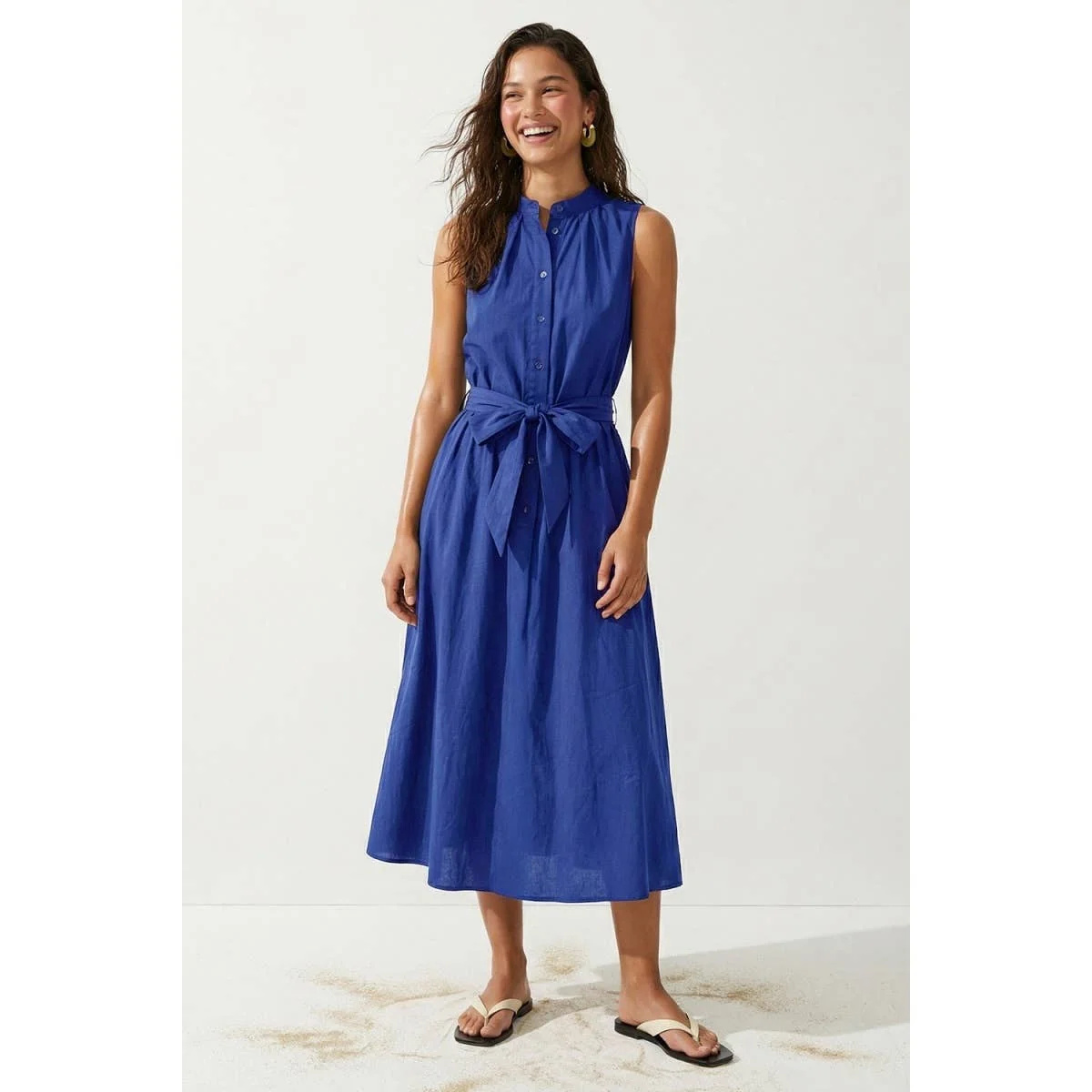
Sleeves also set the tone. Long sleeves can feel composed when left down or casually relaxed when rolled, while a sleeveless style leaves room for a light layer. Choose the option that suits your plans and comfort.
Decide how much waist definition you want
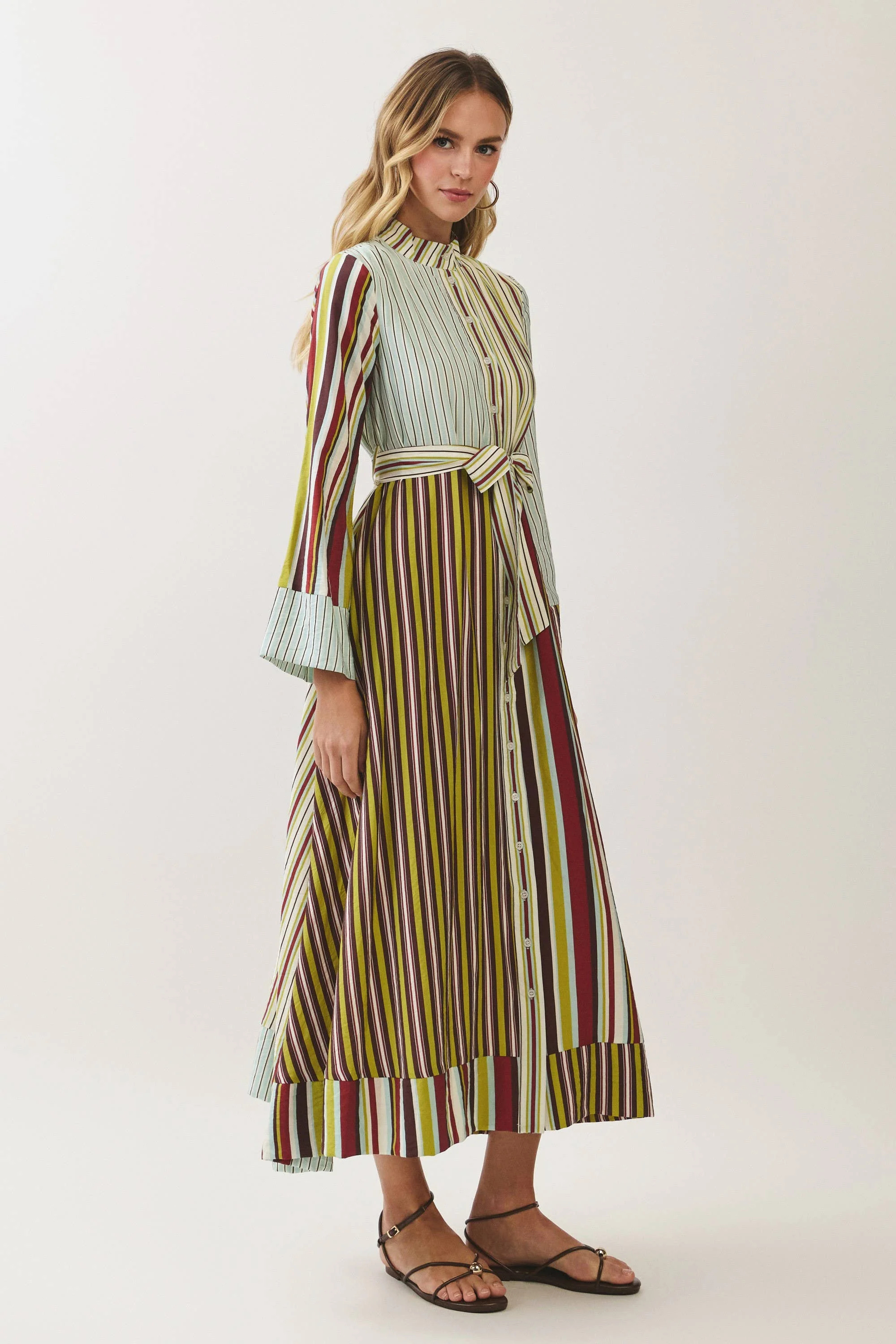
A self-tie belt lets you adjust the emphasis at the waist: tie it neatly for a more defined outline, or leave it looser for an easy, unstructured feel. Keep the knot comfortable rather than pulling the fabric taut.
Without a belt, the collar and length can still make the outfit feel intentional. If you do add a belt from your wardrobe, let it sit naturally and keep the rest of the styling uncomplicated.
Use layers to shift the mood
For a cooler morning, layer a fine knit or tailored jacket over the dress. Keep the collar visible for a tidy frame, and consider sleeve volume so the extra layer sits comfortably rather than bunching.
A sleeveless shirt dress can work over a simple tee for a relaxed layered look. For a cleaner line, wear it on its own and bring a light outer layer for changing temperatures or more coverage.
Let shoes set the pace
Flat sandals or simple sneakers give a shirt dress an easy daytime rhythm. With a longer hem, a streamlined shoe can keep the overall look from feeling visually crowded; with a midi, choose what feels balanced.
For a more polished setting, try a low heel or a refined flat. Think about your route and how long you will be on your feet, then let comfort guide the final choice.
Keep pattern and detail in focus
If the dress has a bold stripe or other noticeable pattern, make it the outfit’s focal point. A Mixed Stripe Belted Shirt Maxi Dress, for example, features multicolor stripes, contrast cuffs, and a hem border, so simple styling lets those details read clearly.
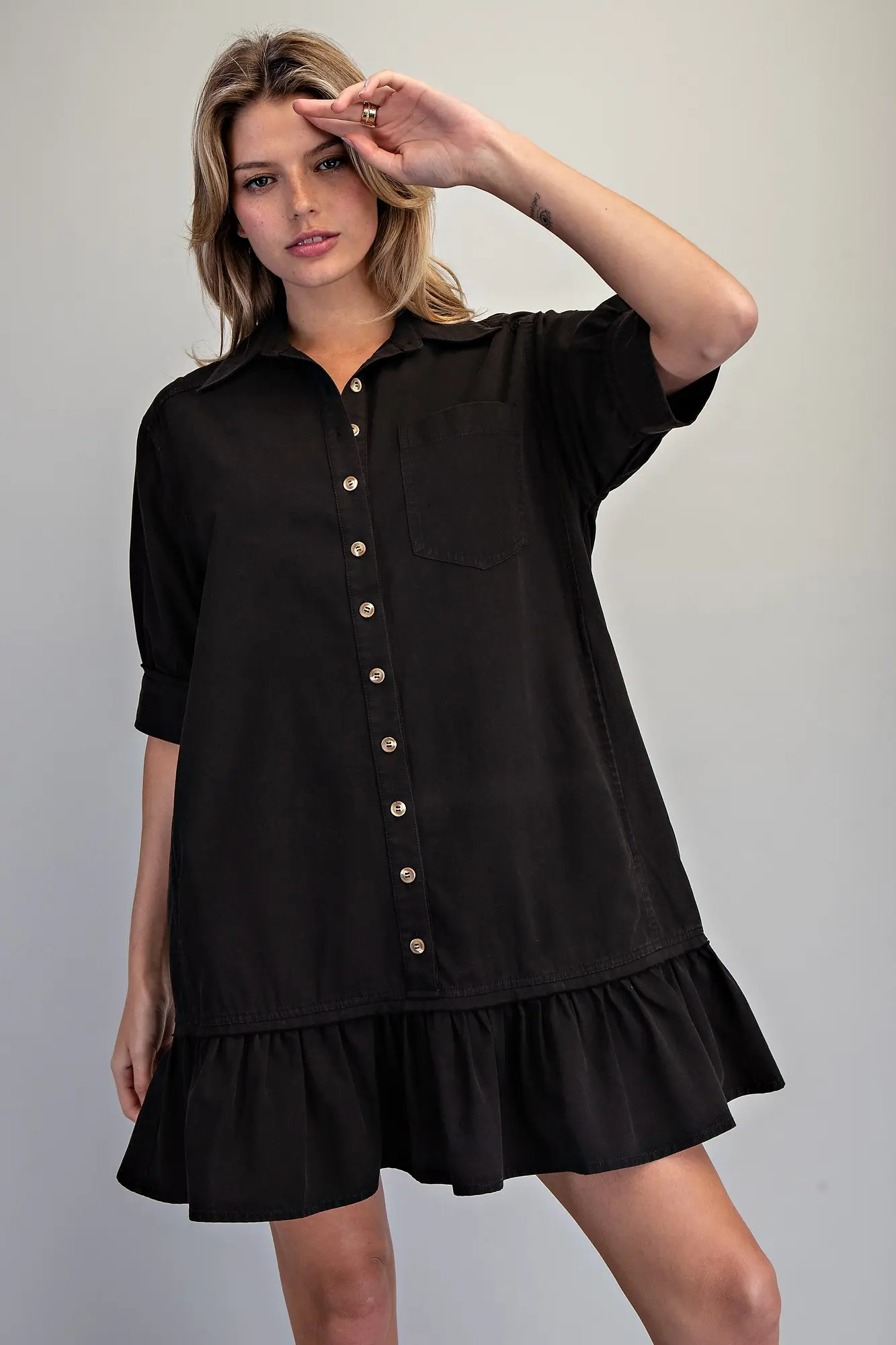
With a quieter dress, use one small styling choice to add interest: turn back a cuff, leave a top button open if it feels comfortable, or carry a structured bag. A little restraint keeps the look polished.
Check button placement and coverage
Before wearing a shirt dress out, fasten it and sit, reach, and take a few steps. Notice whether the front pulls at the buttons or opens more than you prefer. If it does, a simple slip or camisole underneath can provide coverage without changing the dress’s overall look; choose a neckline that stays discreet beneath the collar.
Check the hem and neckline in a full-length mirror as well as from the side. If you plan to leave a button or two open, make sure the opening remains comfortable when you move. For a long day, a small safety pin inside the placket can help secure a spot that tends to gap, provided it does not strain the fabric.
Make the dress work across temperatures
Plan for indoor and outdoor conditions rather than dressing for only the first part of the day. On a warm afternoon, breathable underlayers and a water bottle in your bag can make a long outing more comfortable; in a cool office or restaurant, keep a compact cardigan or scarf available. Choose pieces that can be carried easily when not needed.
When temperatures change, adjust what sits closest to your skin before adding bulk over the dress. A lightweight base layer can help on a chilly morning, while bare arms may feel better later. If the dress has long sleeves, roll them evenly and check that the cuffs stay secure; if it is sleeveless, bring a layer with enough room through the armholes.
Choose a bag for the day’s essentials
Match your bag to what you need to carry, not just the occasion. A compact crossbody keeps your hands free for errands, while a structured tote can hold a notebook, water, or a light layer. With a full or long skirt, check that the bag sits comfortably against your side and does not catch as you walk or climb stairs.
Pay attention to strap length and placement. A bag worn across the body can interrupt the front button line, so shift it slightly or shorten the strap if the dress bunches underneath. For a waist-tied style, position the strap above or below the knot rather than directly across it. A clean, uncluttered bag shape keeps practical carry from competing with the dress.
Keep the dress fresh between wears
Follow the garment care label first, since care needs can vary by fabric and construction. If the label permits, address small marks promptly with a method suitable for the material; avoid vigorous rubbing that could distort the surface. For a fuller clean, use only the washing or professional-care method specified on the label, and separate the dress from items likely to snag it.
After wearing, check the placket, cuffs, and hem for loose threads or caught fibers before putting the dress away. If the label allows steaming or ironing, use its temperature guidance and test a discreet area when uncertain. Hang the dress from a suitable hanger once fully dry, fasten a button or two to help it keep its shape, and leave room around it in the closet.
A shirt dress is easy to wear, but small choices make it feel considered. Start with a silhouette that suits your day, add only the layers you need, and choose shoes for real-life comfort. The result can be relaxed, polished, and unmistakably yours.