For any garment-care suggestion, follow the individual care label first. Read our care guide.
In Springfield, Missouri, a day can call for a light layer in the morning and a more substantial one by afternoon. Vests and shackets make that shift feel easy: they add warmth without hiding the outfit underneath, and they invite thoughtful play with proportion. Start with pieces you already enjoy wearing, then build a combination that feels useful, comfortable, and distinctly your own.
Begin with a simple foundation
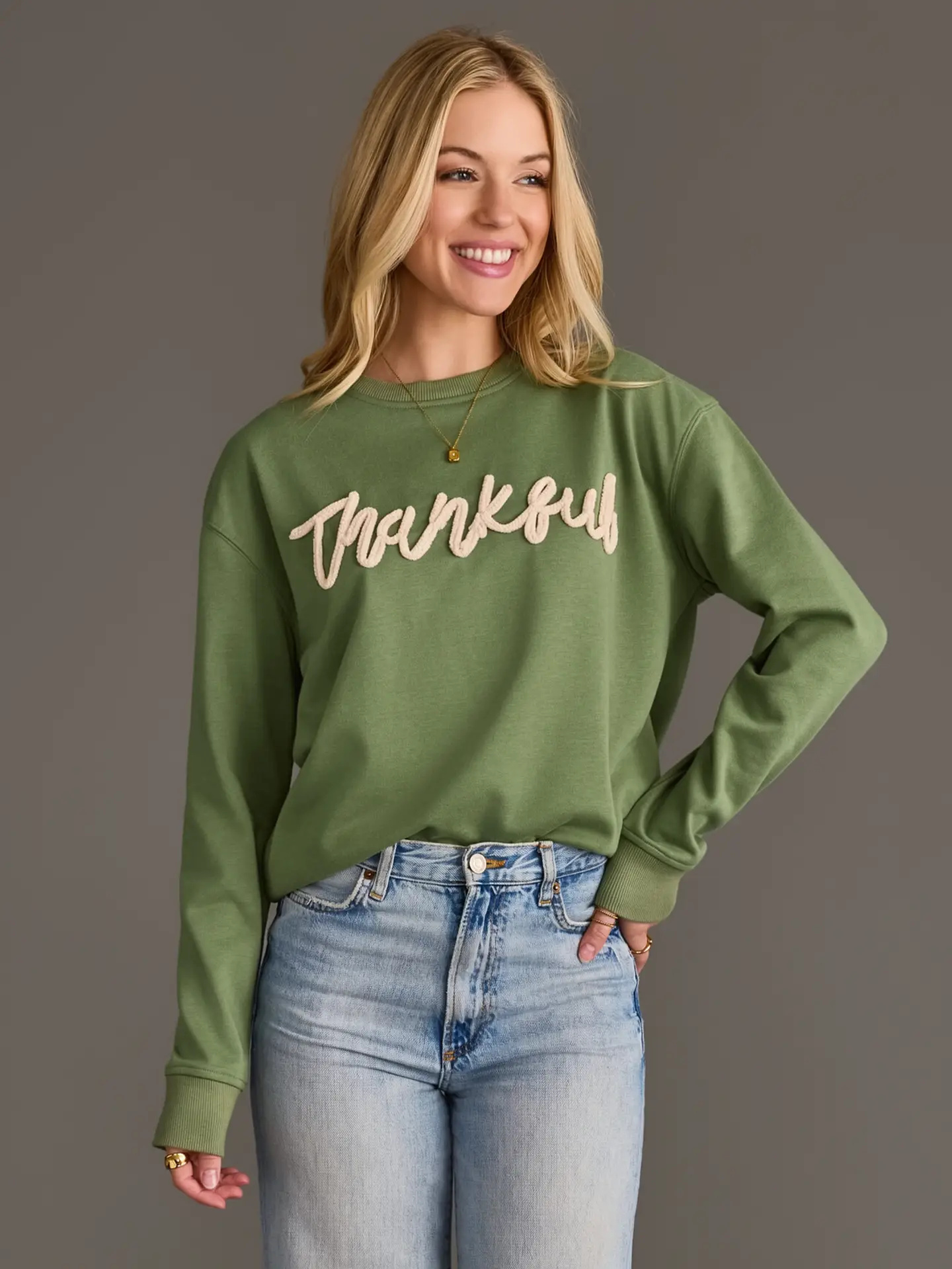
Choose a base layer that feels good against your skin and gives the outer layer room to sit smoothly. A fitted tee, a fine-knit sweater, or a long-sleeve top can all work; let the weather and your plans guide the choice.
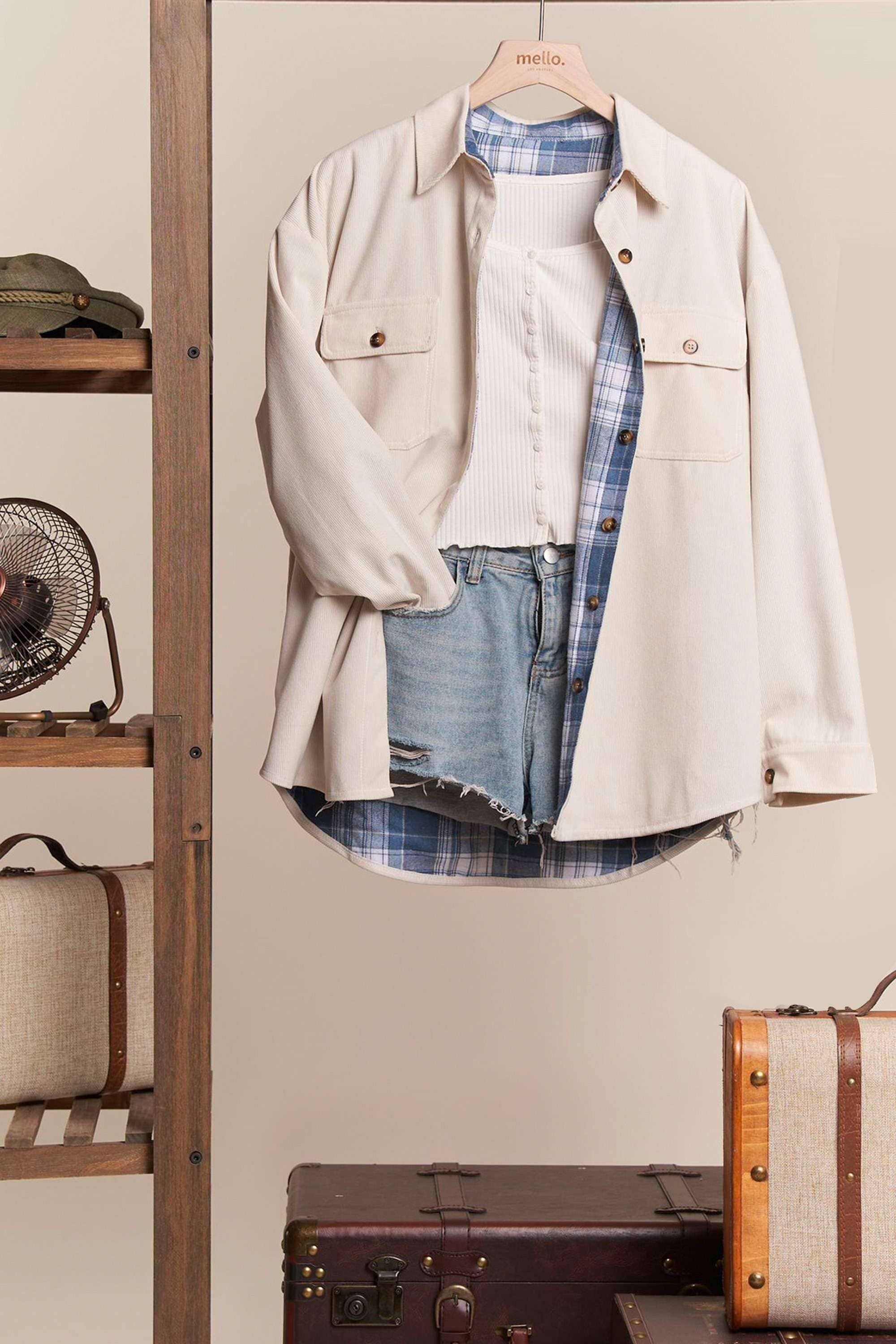
Keep the first combination uncomplicated while you assess comfort. A vest leaves the arms free, while a shacket offers more coverage. Try each over the same base and notice how the neckline, sleeves, and overall weight feel.
Use proportion to create balance
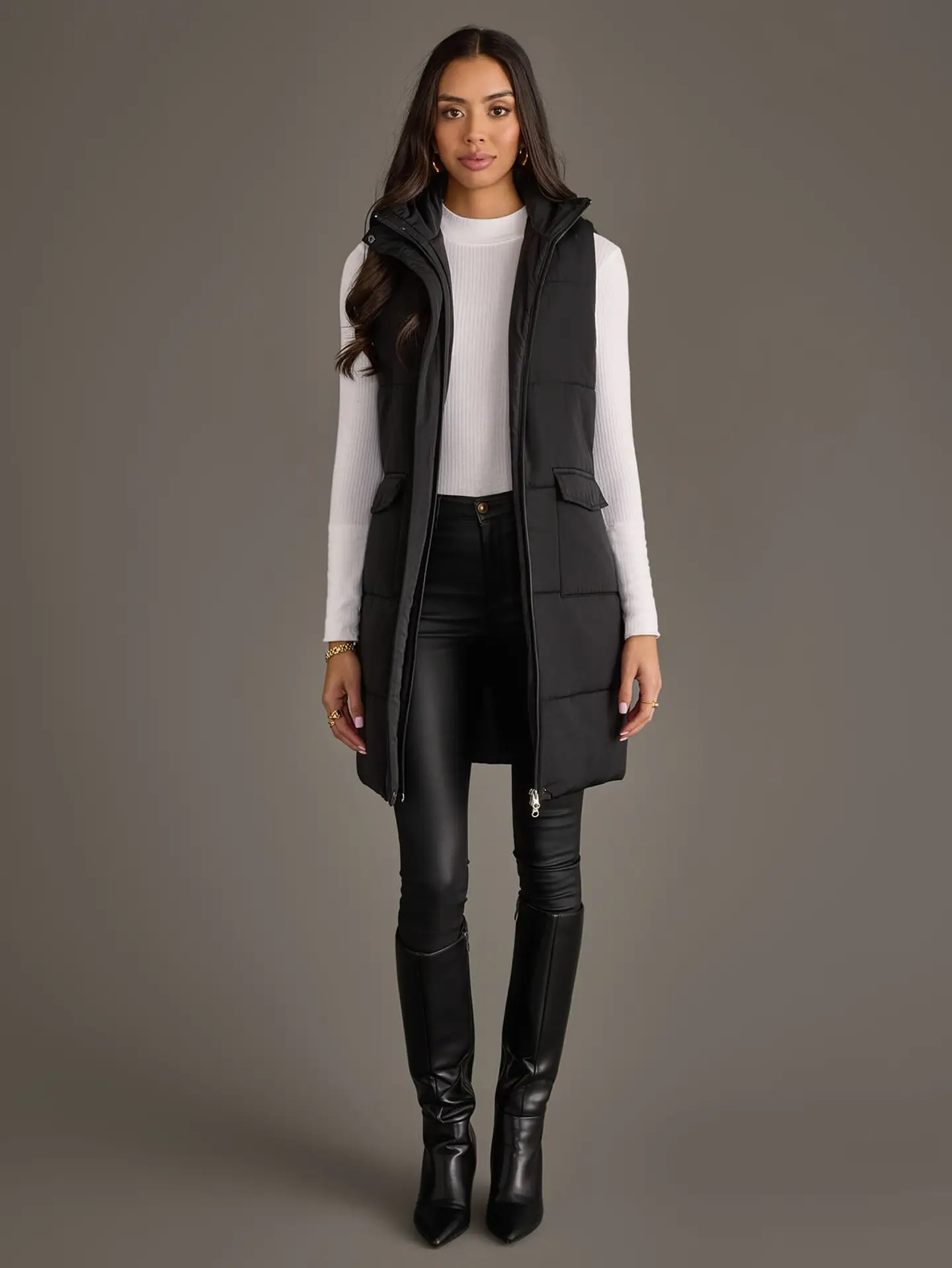
A longer vest can bring a clean vertical line to a shorter top, while a cropped or waist-length layer can make a roomy shirt feel more defined. The aim is not a strict rule, but a silhouette that feels intentional.
When one piece is loose, consider keeping another closer to the body. Straight-leg trousers, a simple skirt, or a more streamlined top can offset generous layers without making the outfit feel stiff. Move around before settling on the pairing.
Let texture do quiet work
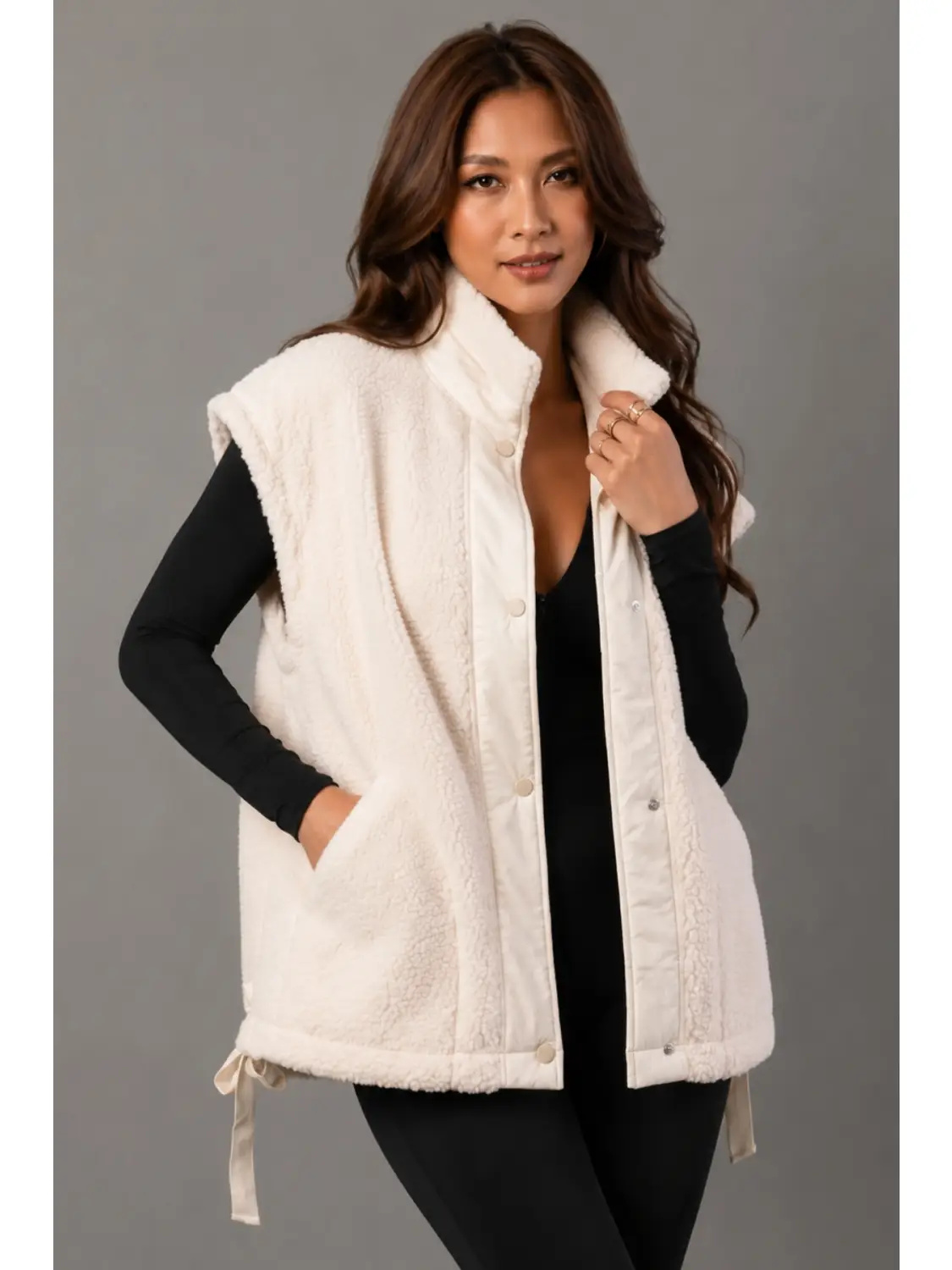
Layering gains depth when surfaces contrast. Try a smooth base beneath a textured vest, or combine a soft knit with the more structured feel of a shacket. Keep the palette calm if you want the difference in texture to stand out.
For a subtle focal point, vary texture while repeating a shade already present in the outfit. That small connection helps the layers feel related rather than assembled at random, and it keeps a practical look feeling polished.
Choose a layer for the day
Think about where you will be and how often you may remove a layer. A vest can be handy when you want your arms free, while a shacket can serve as an easy top layer over a lightweight outfit. Comfort matters as much as appearance.
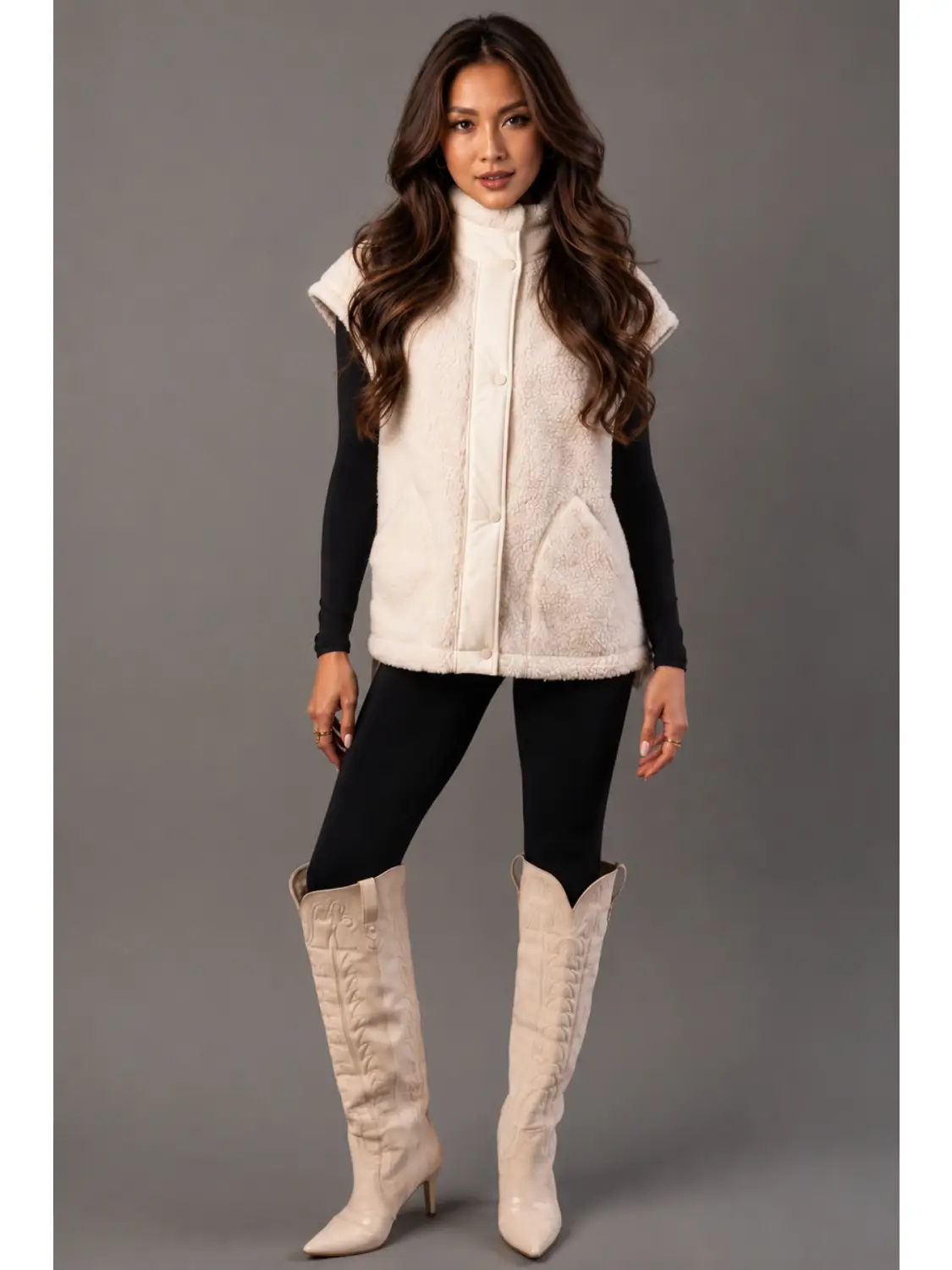
For a longer day indoors and out, make the outfit adaptable: keep the base comfortable on its own and add the vest or shacket when needed. At A Likely Story Boutique, the Errand Vest is described as longline and relaxed, a useful example of layering over sweaters or long sleeves.
Finish with a considered check
Before heading out, check that closures sit comfortably and that sleeves or hems do not bunch where layers meet. Reach, sit, and walk in the outfit. A good combination should move naturally, not just look appealing while standing still.
Keep care decisions garment-specific: read the care label first and follow its directions. If the label permits a particular washing method, use that guidance; if it calls for another approach, follow that instead. Never assume different layers need identical care.
Build a small, workable color story
Choose a lead color from your base outfit, then decide whether the vest or shacket should blend in or introduce a deliberate accent. A neutral layer can steady a patterned top; a colored layer can pick up one small shade already present in a print. Limiting the outfit to a few related colors makes separate pieces feel coordinated without requiring an exact match.
When getting dressed feels uncertain, lay the pieces together in natural light and compare their undertones. Cream, tan, and warm brown tend to sit comfortably together, while cooler greys and blues often make an easy group. If a combination looks too uniform, shift one item a shade lighter or darker rather than adding another competing color.
Plan for indoor temperature changes
Consider the warmest part of your day, especially if you will move between heated rooms and chilly outdoor stretches. Keep the shirt or knit comfortable enough to wear alone, and make the vest or shacket the removable part of the outfit. That way, taking it off does not leave you with an incomplete-looking base or an uncomfortable level of warmth.
For a long commute or a day with frequent stops, choose closures that are easy to manage while carrying a bag or holding a drink. Zip or snap the outer layer only when conditions call for it, and avoid fastening it so tightly that the base creases or pulls. A quick indoor test can reveal whether the outfit remains comfortable after the outer layer comes off.
Make prints feel intentional
If your base has checks, stripes, or another visible print, let one pattern lead. Pair it with a quieter vest or shacket, or use a printed layer over a mostly solid outfit. The scale matters: two bold patterns can compete at close range, so give them breathing room with a plain top or bottom between visual elements.
To combine patterns more confidently, look for a shared color rather than matching motifs. A small stripe that echoes a shade in a checked overshirt can make the mix feel considered. Keep the rest of the outfit simple and assess the pattern combination from a few steps away; if the layers blur together, reduce one print’s prominence by changing the base or outer piece.
Keep layers ready between wears
Give a vest or shacket space to air after wearing, especially before returning it to a crowded closet. Check the garment care label before cleaning, and follow its directions; if it specifies professional care or another method, use that guidance. Treat any spot or spill according to the label rather than applying a universal cleaning method to every fabric or finish.
Store each piece so its shape and closures are not strained. Use a hanger that supports the shoulders when the garment’s structure allows, or fold it neatly if that is the better option for its weight and construction. Before putting it away, empty pockets and close fastenings where appropriate. These small habits make it easier to find a layer in wearable condition next time.
Smart layering comes from choosing pieces with different jobs: a comfortable foundation, a vest or shacket for adaptable warmth, and proportions that feel balanced. Experiment with texture and movement, then trust the combination that suits your day. A few thoughtful choices can make familiar outfits feel newly considered.